No products in the basket.
Visiting La Havana
December 13, 2022
We landed in La Havana late in the evening of Thursday 8 December 2022. We were surprised at the speed we cleared border control and customs since we had been warned that it may take hours. I did some research prior to our trip and knew that we should stay in casa particulares, which are incredibly well-run small bed and breakfasts owned by Cuban people instead of by the state. Those accommodations are often advertised on Airbnb or homestay.com.
A word of advice, if you have not planned your whole trip in advance and booked your accommodations, you will have to install VPN (Virtual Private Network) application on your mobile device. It will enable you to start the Airbnb app and book your accommodations. Without a VPN you will have no chance to do any payments online due to the governmental internet restrictions. I used CyberGhost as it is an application I already had a subscription for, but there are plenty of VPN applications out there.
Since it was our first time in Cuba, when I booked our accommodation from the UK, I had asked the casa owner to arrange a cab from the airport. After a 40-minute journey, we arrived at our casa particular “Casa Blanca”. We climbed a marble staircase to a shabby chic mansion on the sea front. We were warmly welcomed by our host and showed to our room. It was decorated with aged mirrors on the walls, high ceilings, white linen curtains and white wooden staircase leading to a white ensuite bathroom. The entire place was immaculately clean, and the comfortable bed was very welcome after a long journey from London.
We were awoken on the next day by the sound of breakfast being prepared, which we enjoyed on a terrace with a view on the Caribbean Sea. It was a simple affair with fruits, scrambled eggs, good coffee, and white bread rolls with a tiny bit of butter and jam. Before starting our exploration of the city, we were able to change some currency (bring Euros or Dollars, not Pounds). You will get a much better exchange rates at the casa than at a bank. You can check current black market exchange rate at elTOQUE. Be wary of street dealers, who often approach tourists with amazing exchange rates, but then slip in some counterfeit notes.
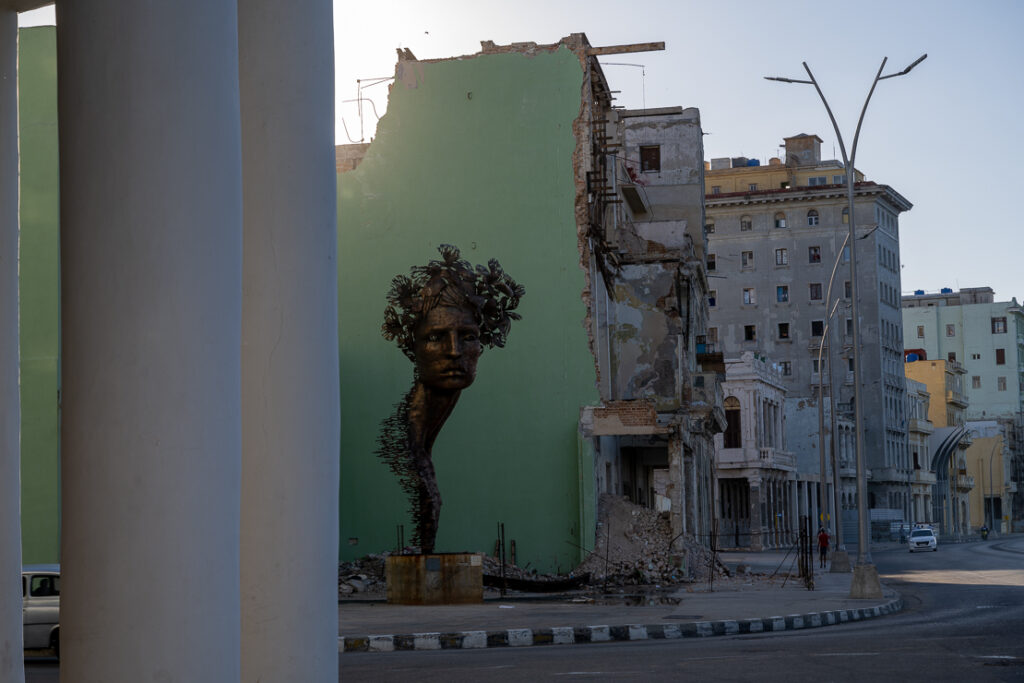
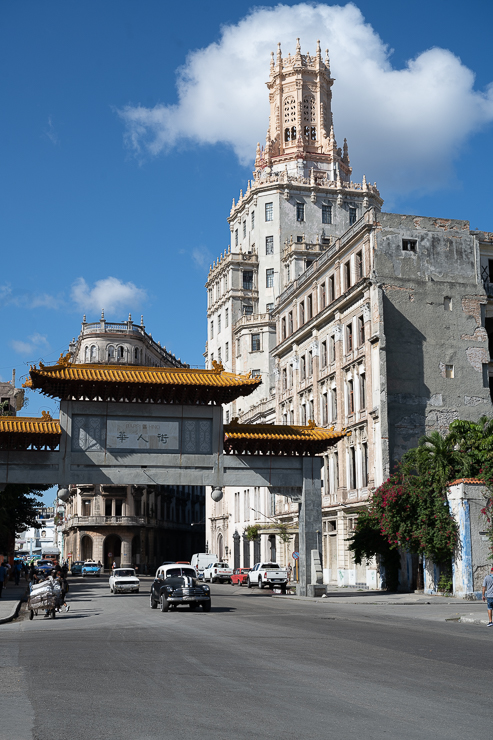
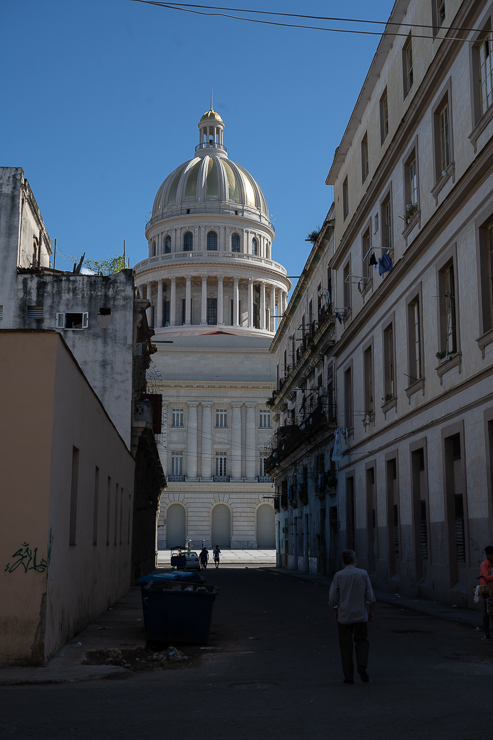
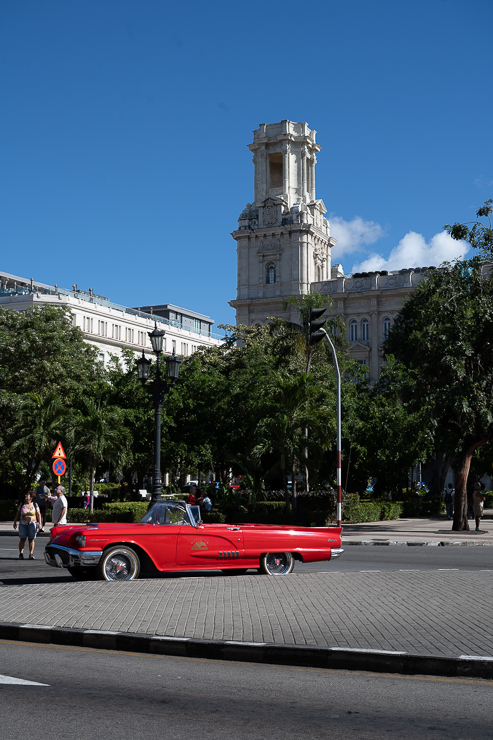
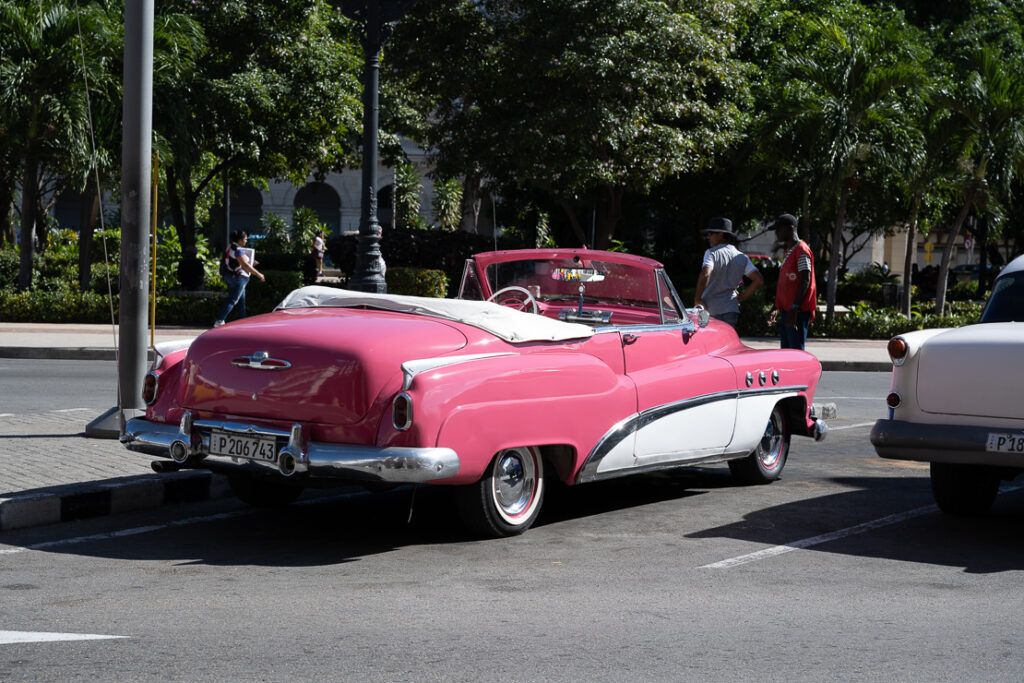
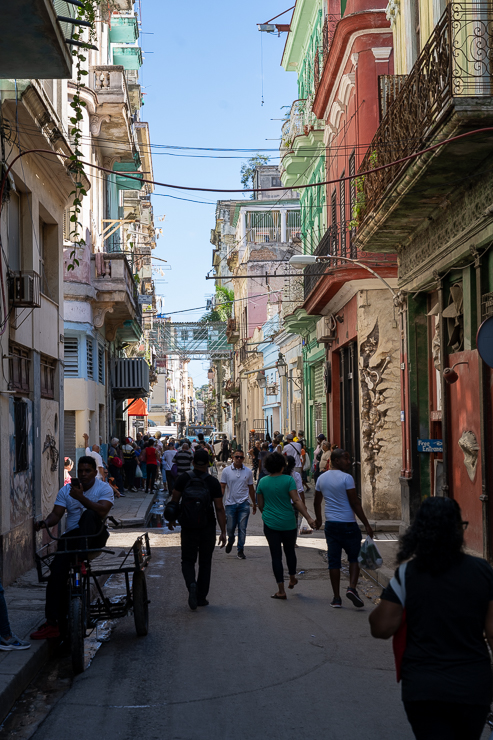
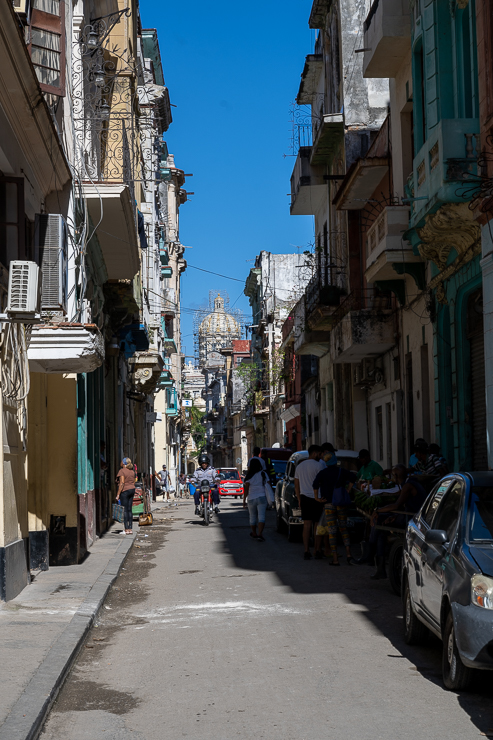
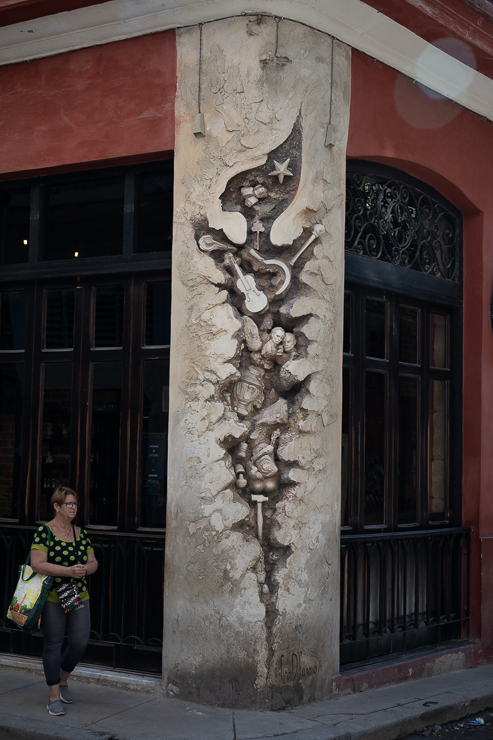
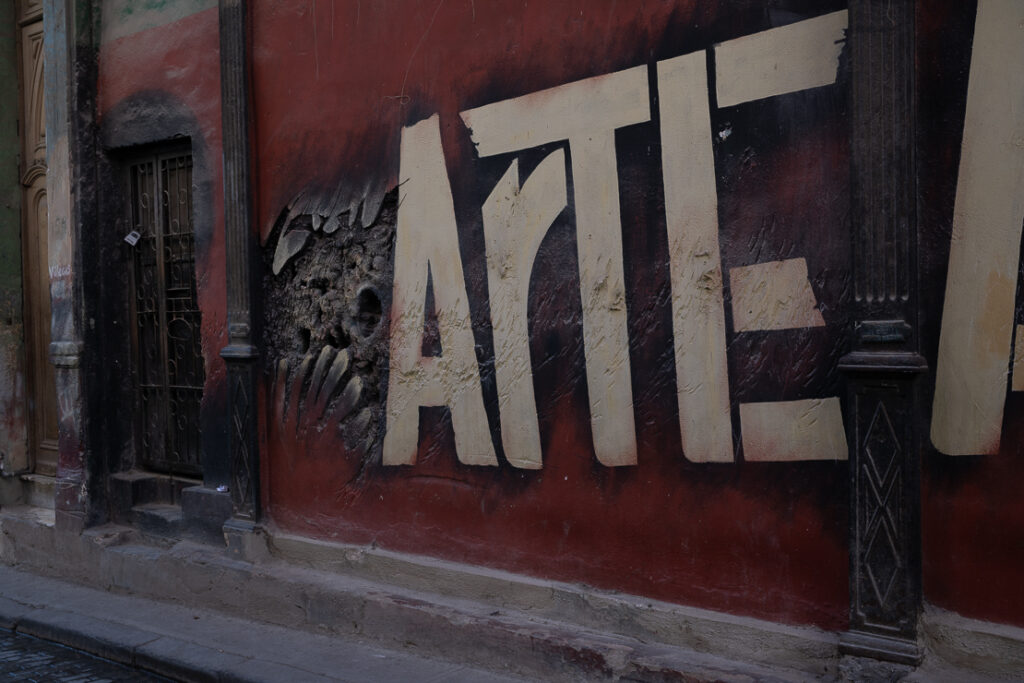
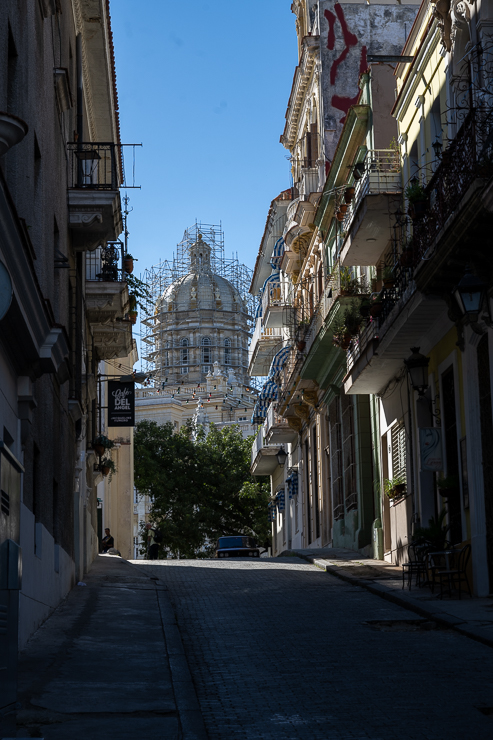
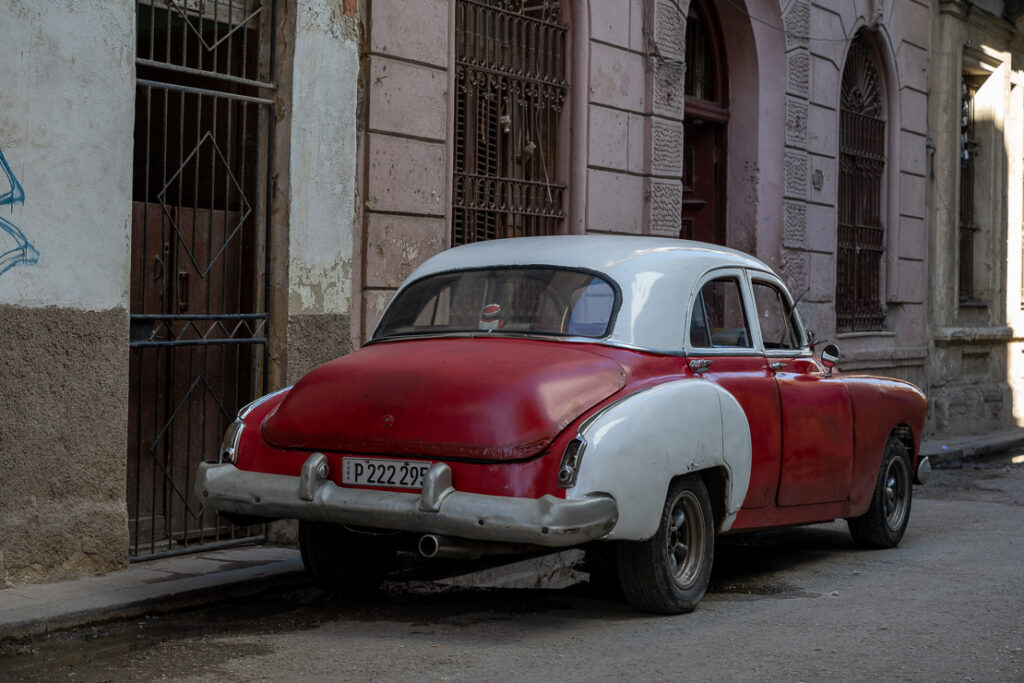
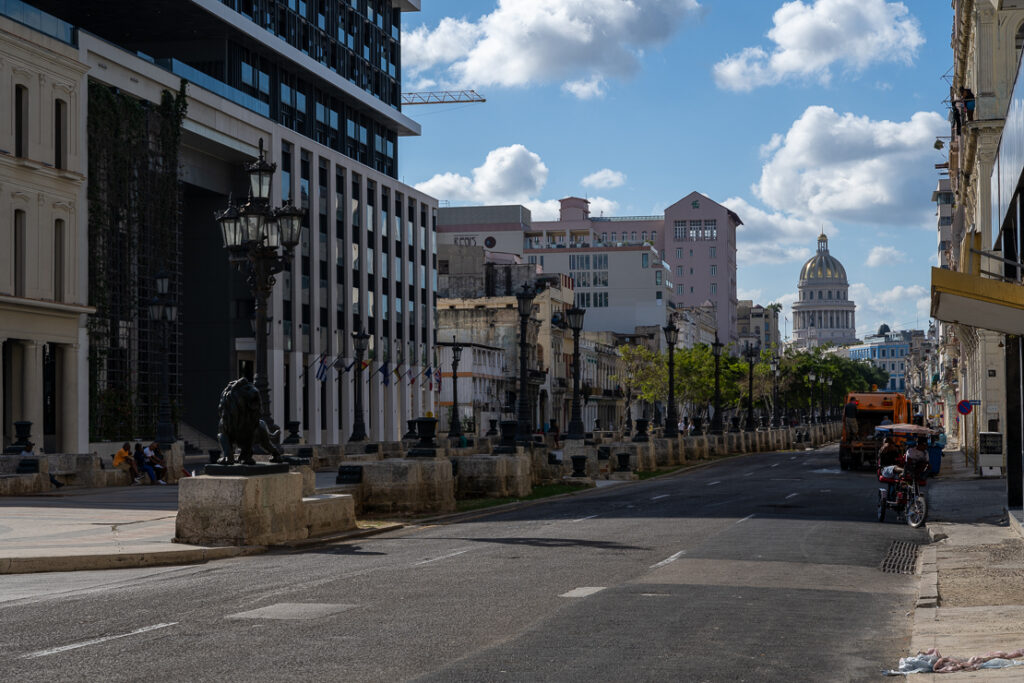
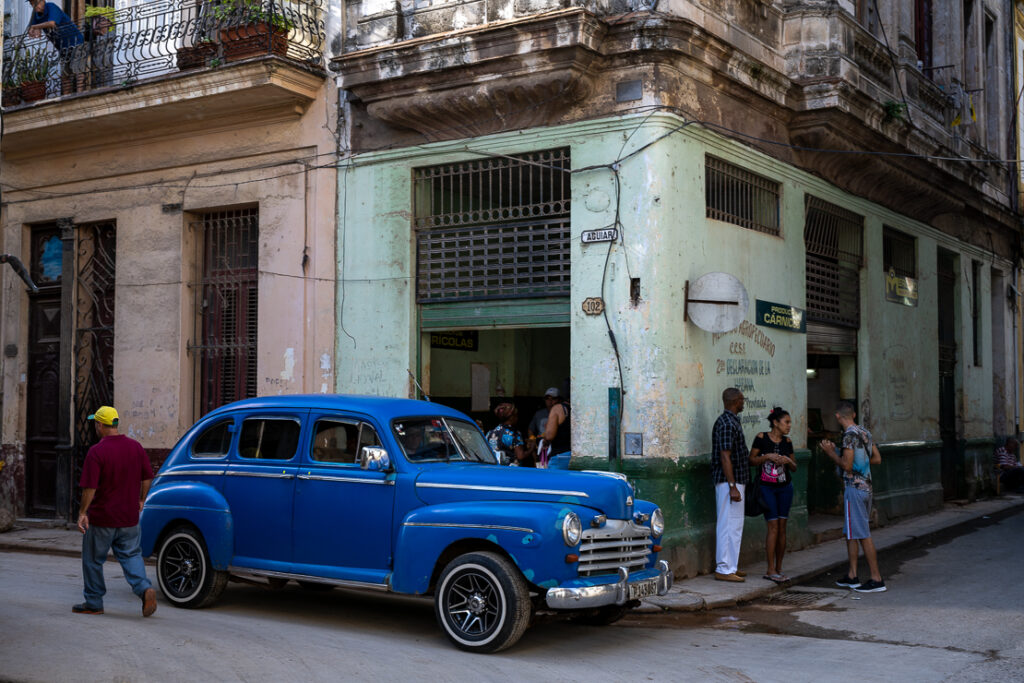
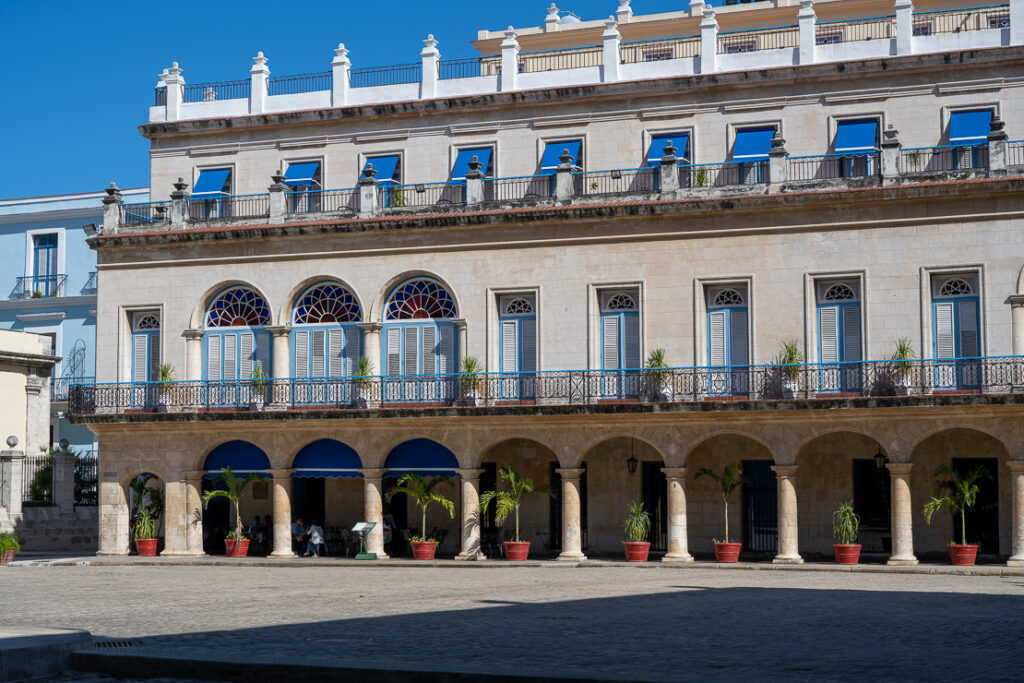
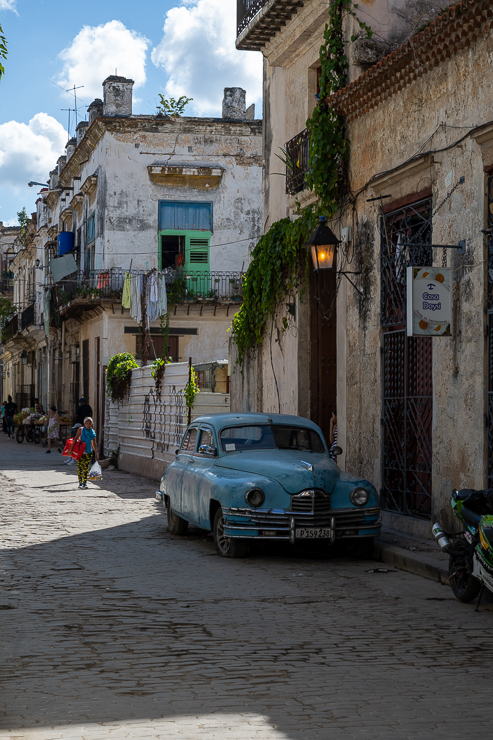
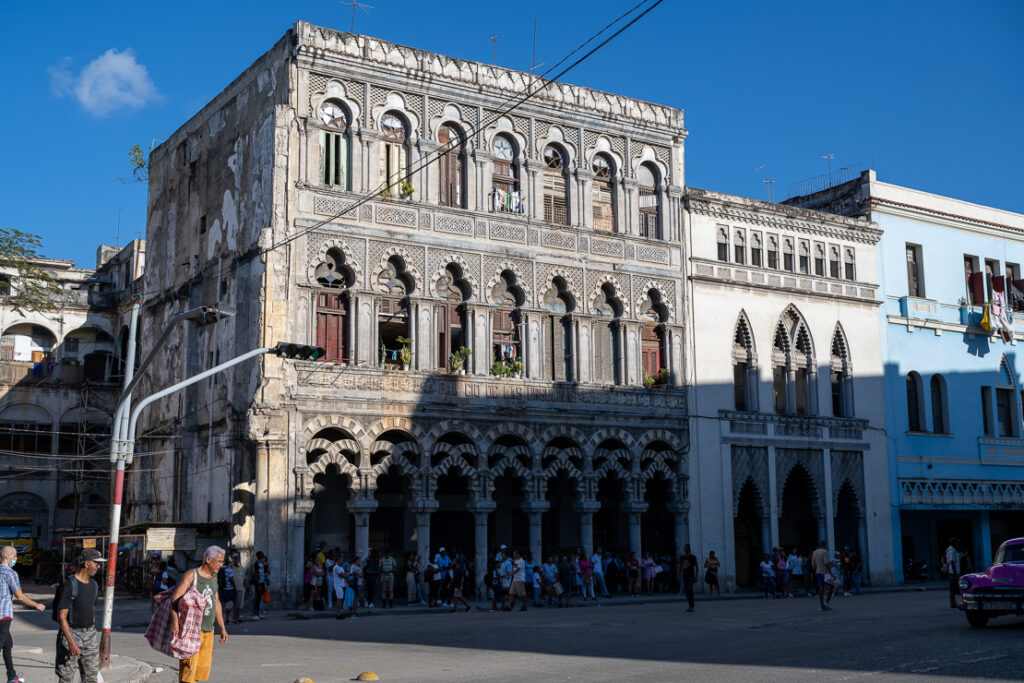
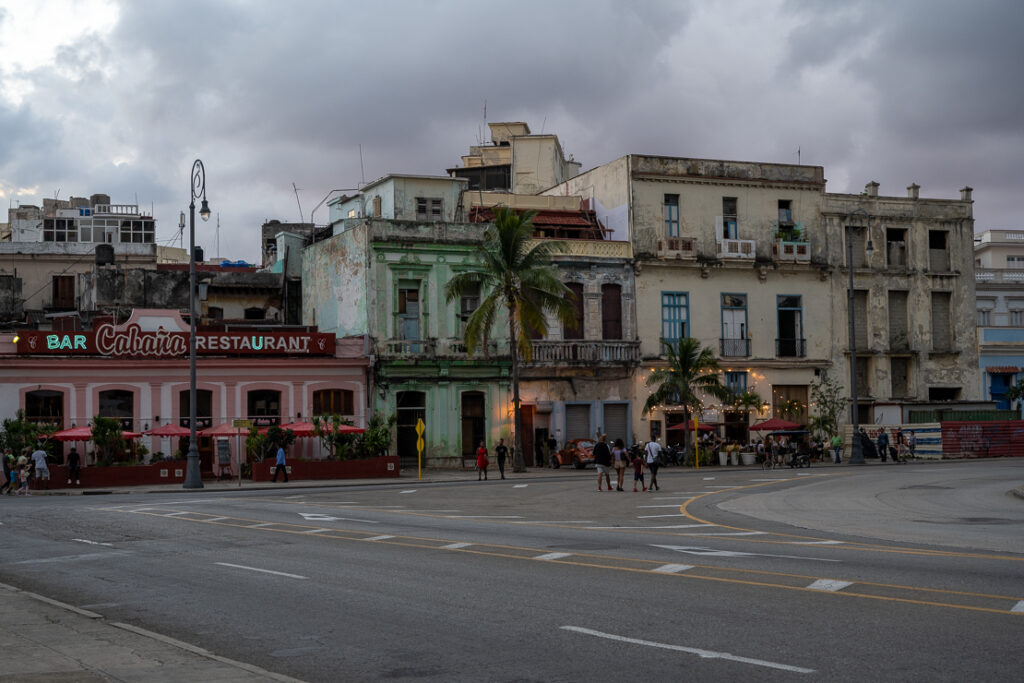
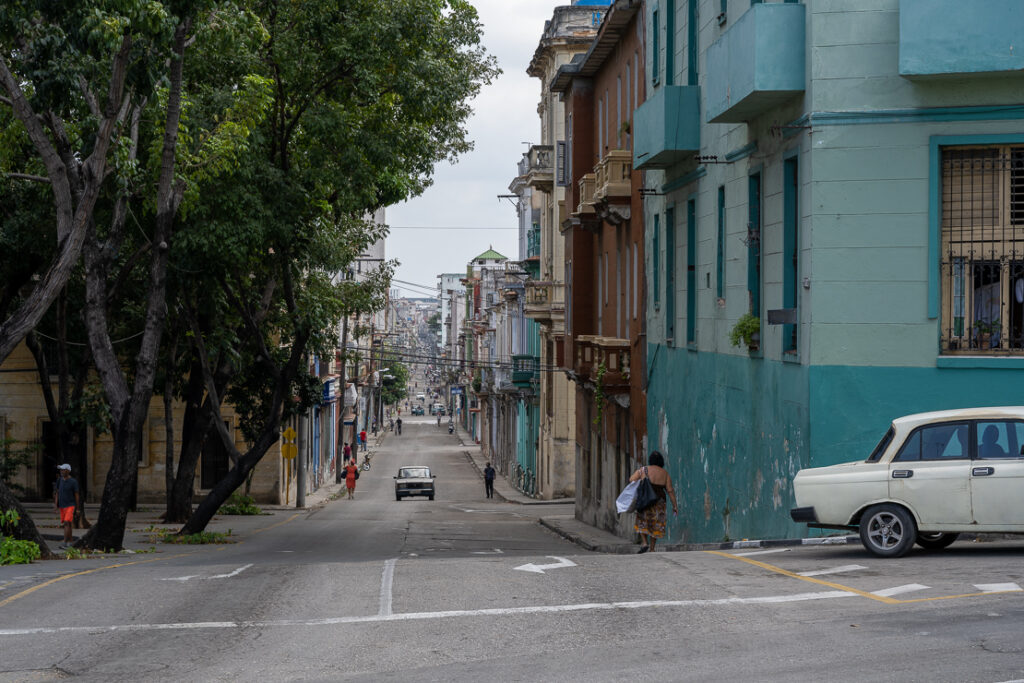
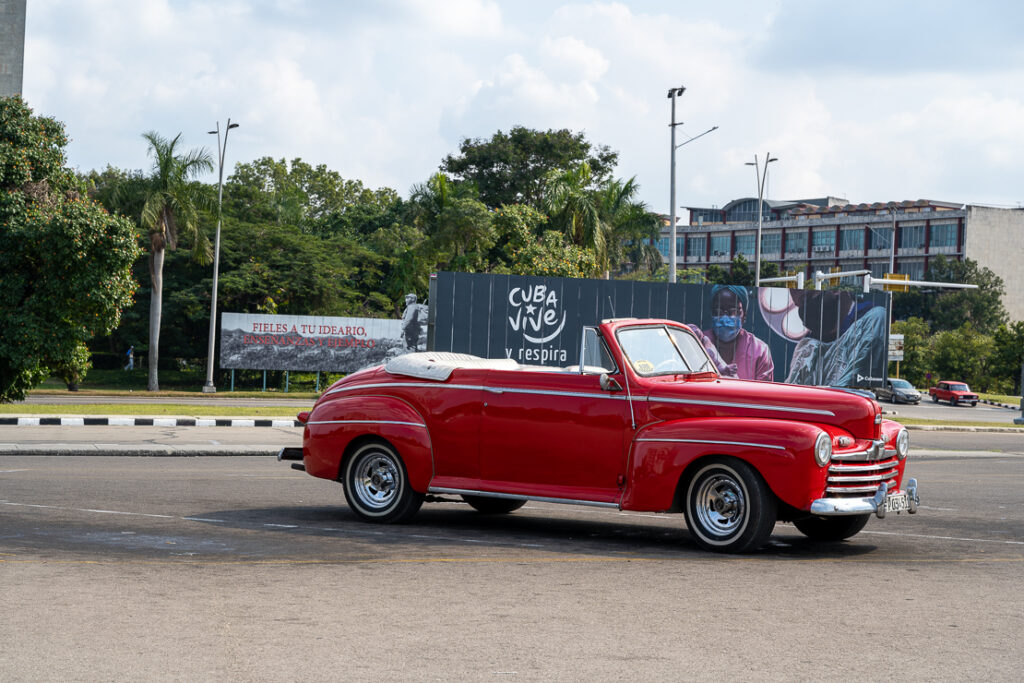
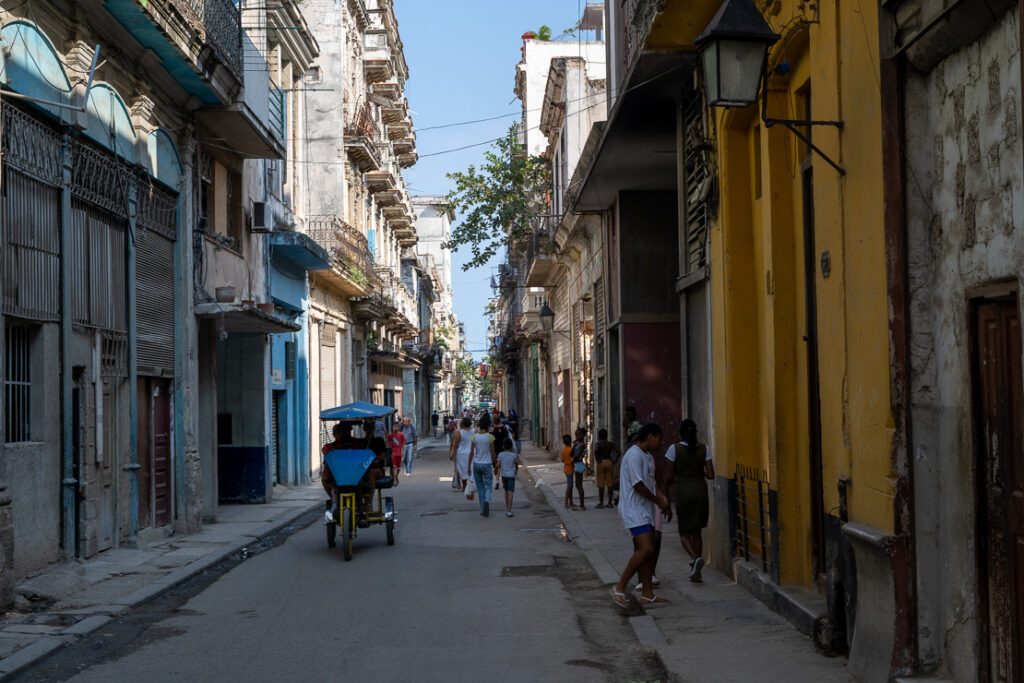
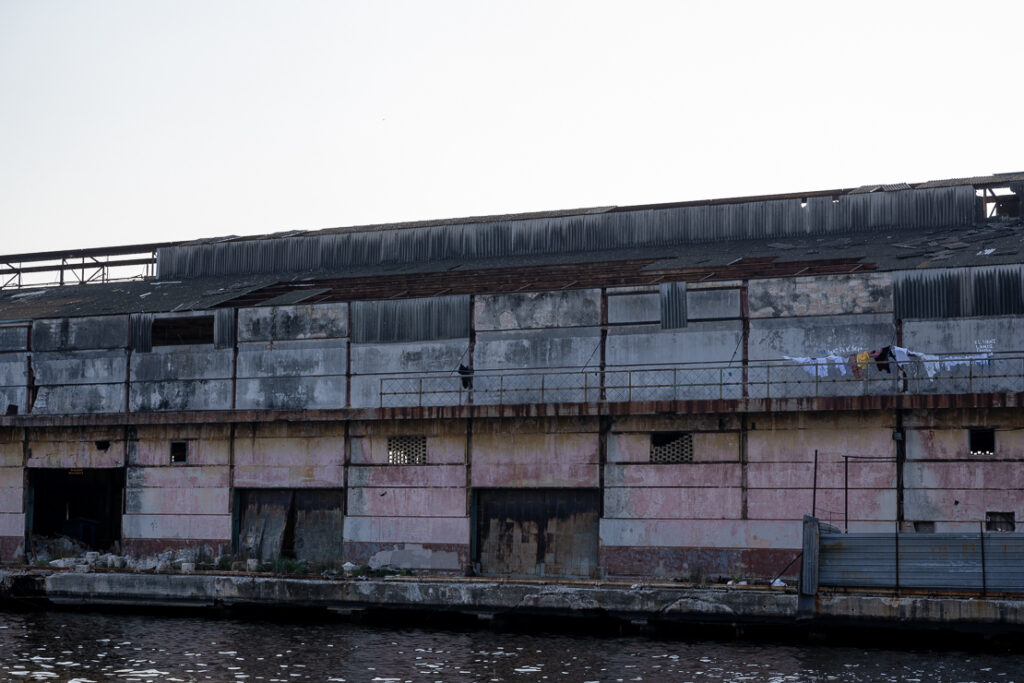
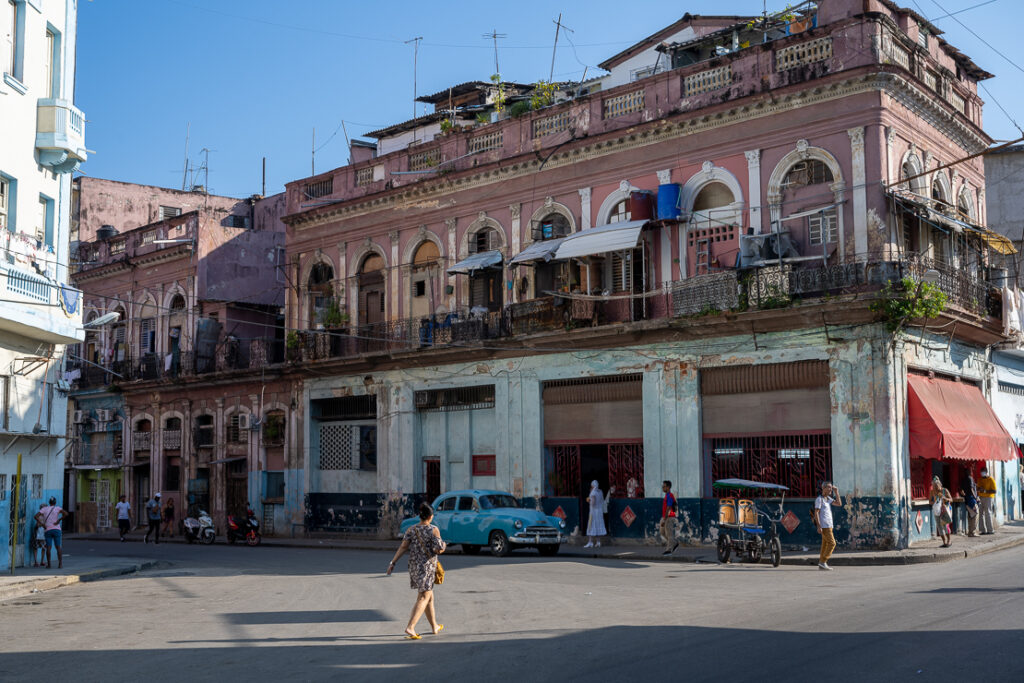
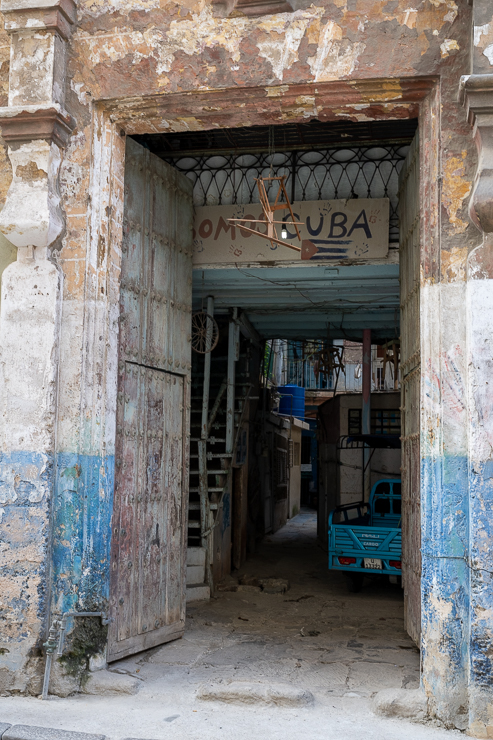
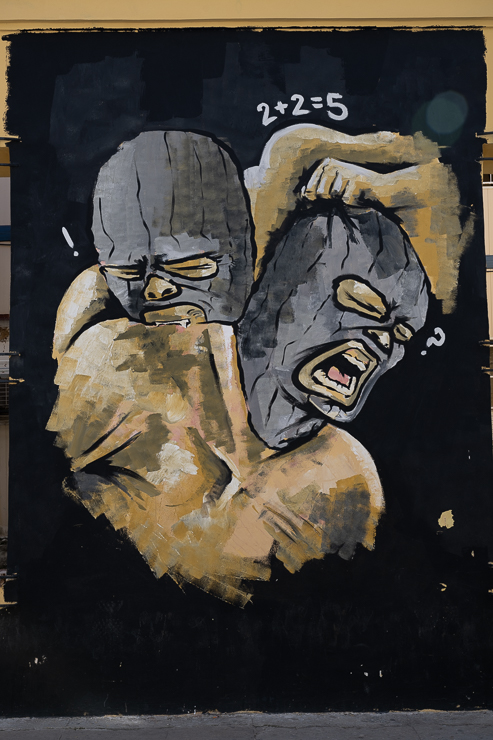
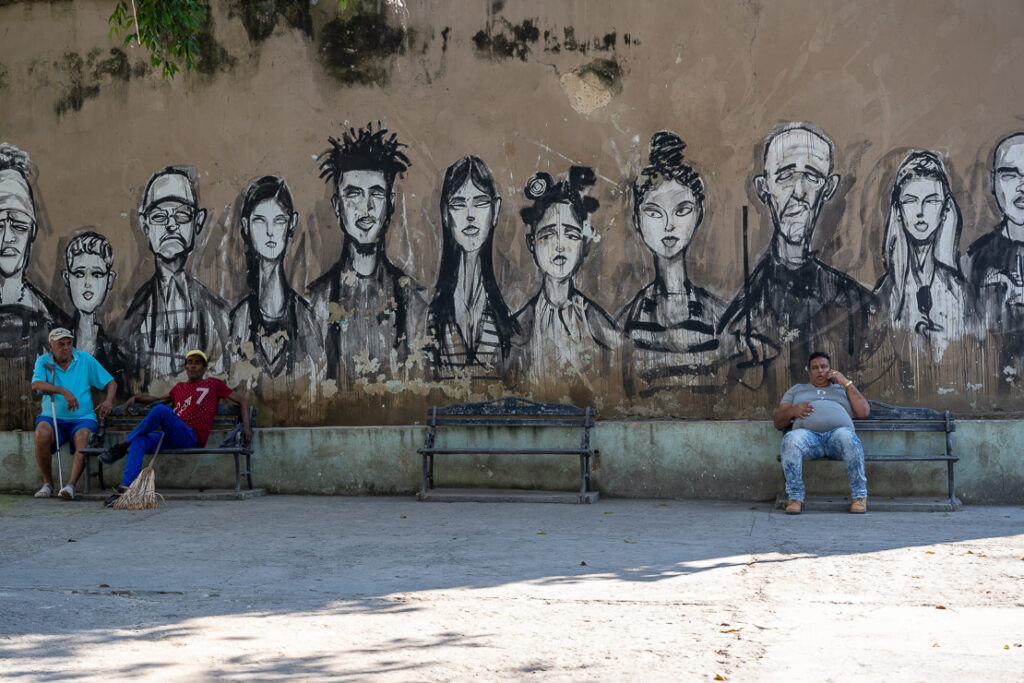
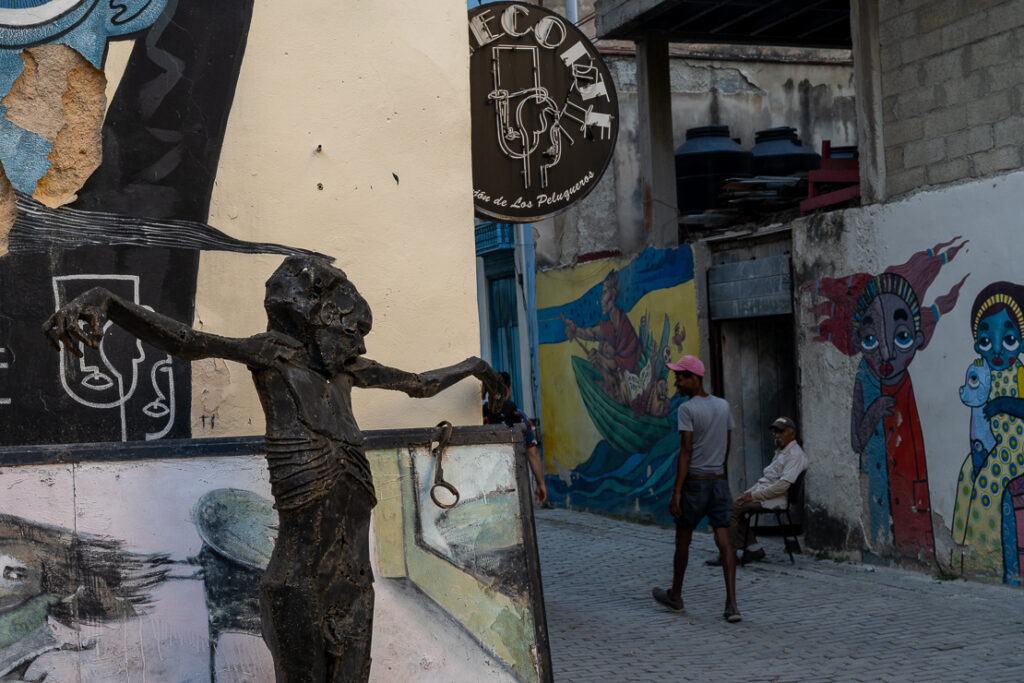
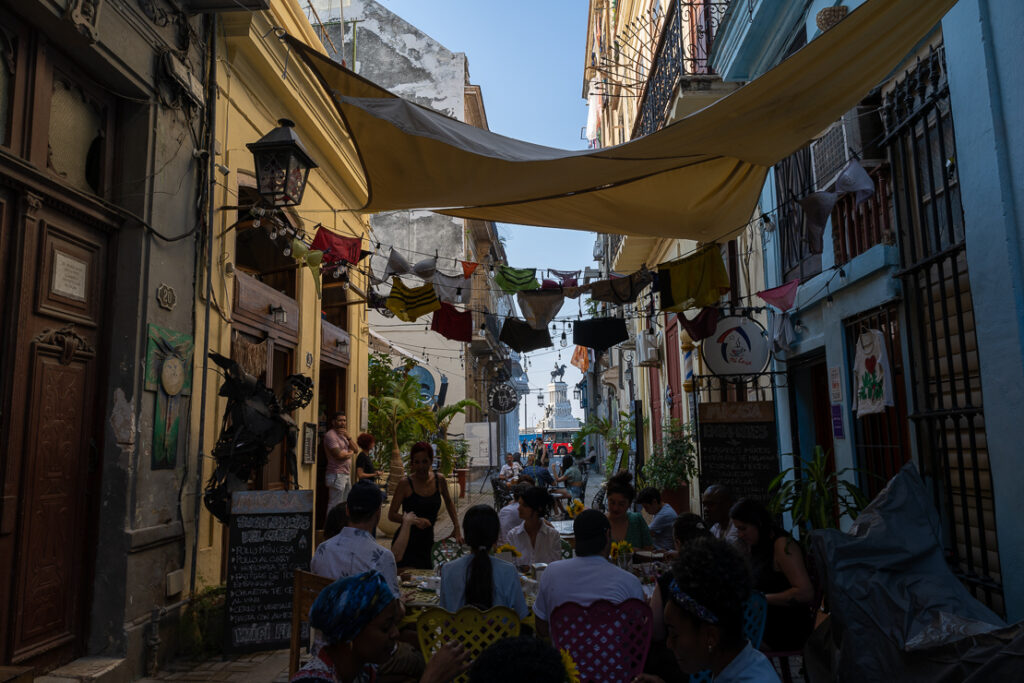
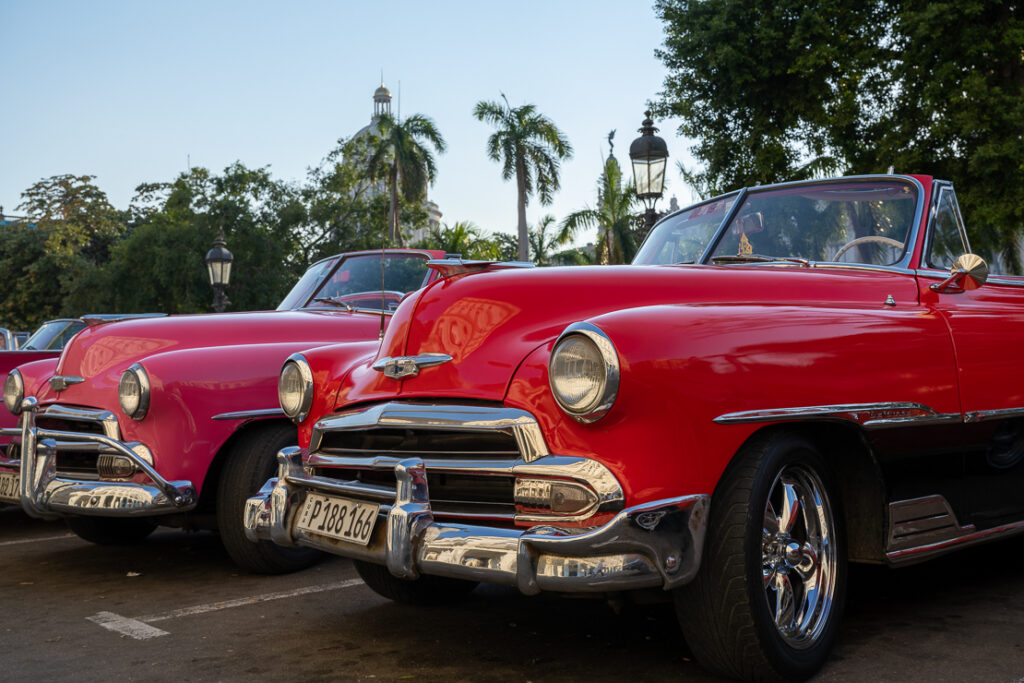
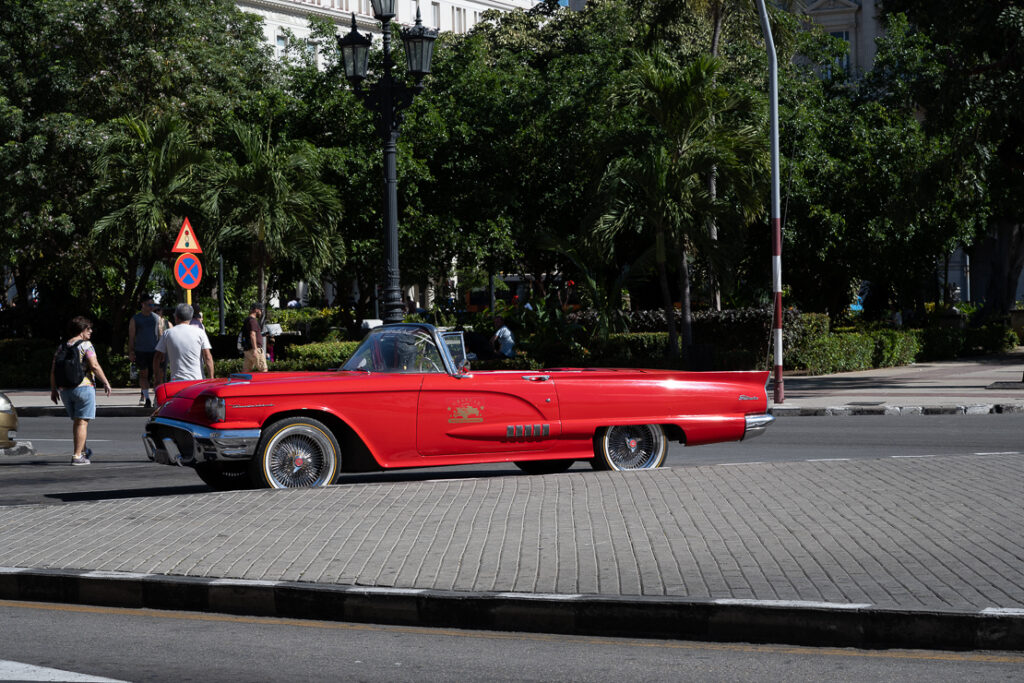
La Havana has often been described as “frozen in time”. This is absolutely true. You can see a wide variety of colourful old American 1950’s cars. The whole city, buildings, and infrastructure, require complete restoration. Walking along the streets you see the remains of a glorious period of elegant colonial buildings, some of which are still standing proud and others now falling apart and crumbling before your eyes. La Havana is a beautiful city to explore. What shocks you most is the knowledge that the city could be restored and made whole again if governmental restrictions were removed and foreign investments were allowed.
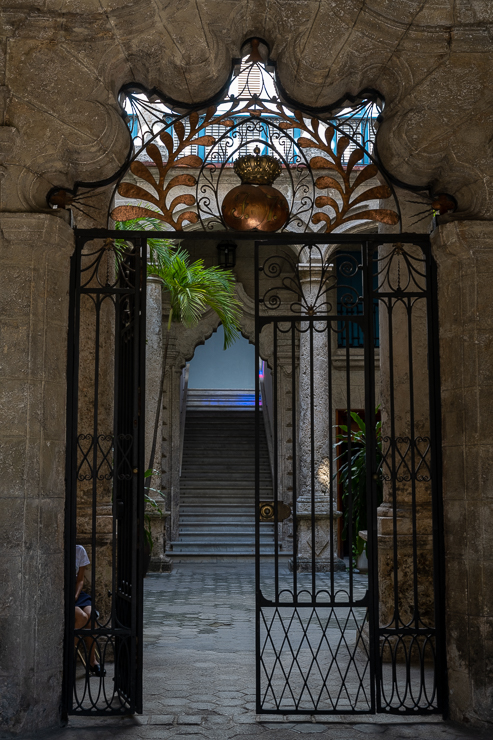
A few years ago, a restoration project by the Office of the City Historian started. It allows for parts of the old city to be beautifully restored. Walking around the old part of the city, you can already see how amazing the whole city could look. This project is supported by many European countries, Italy being one of their most active supporters.
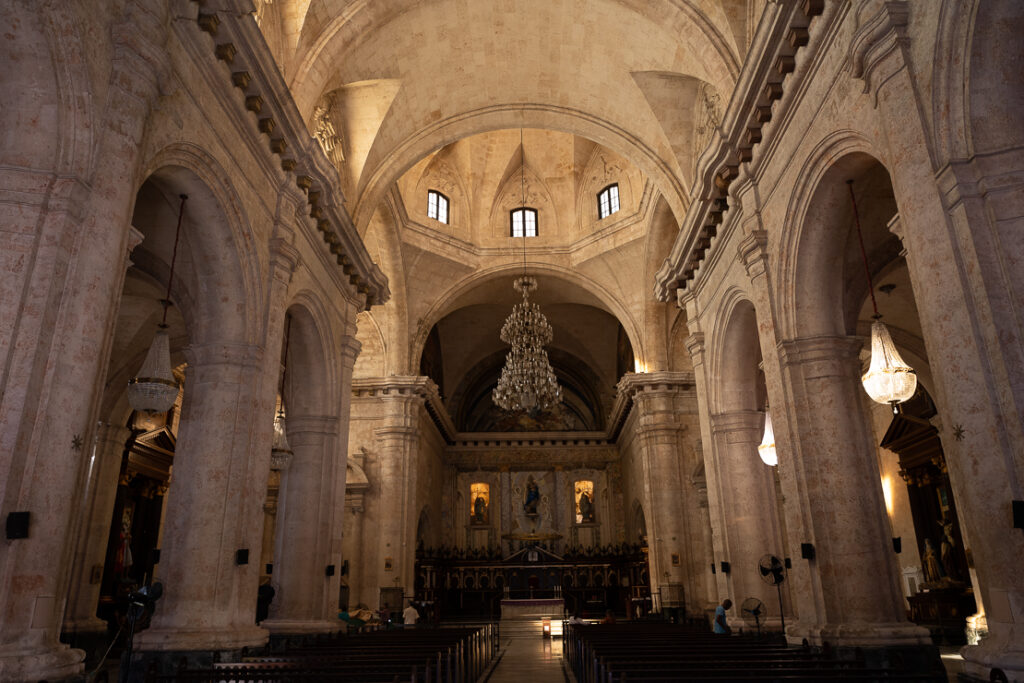
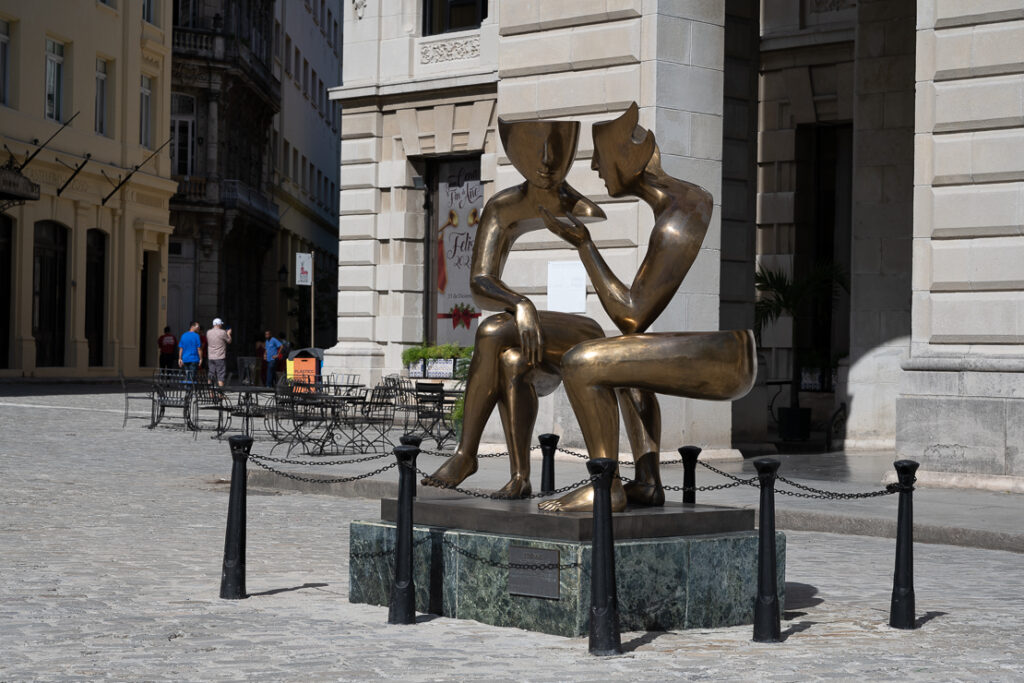
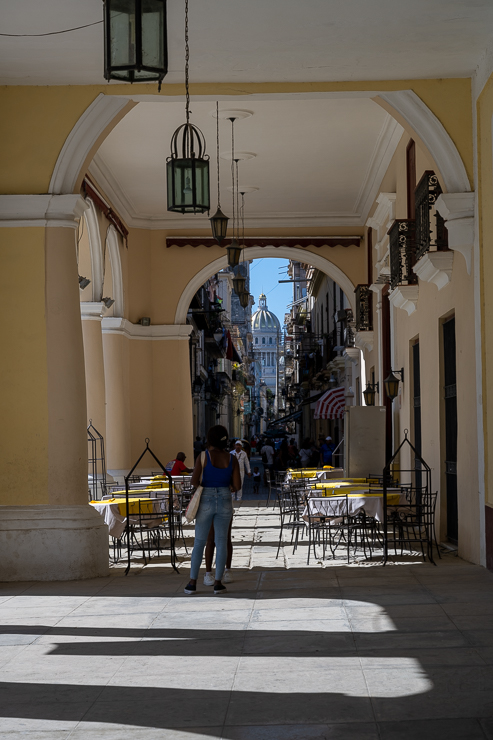
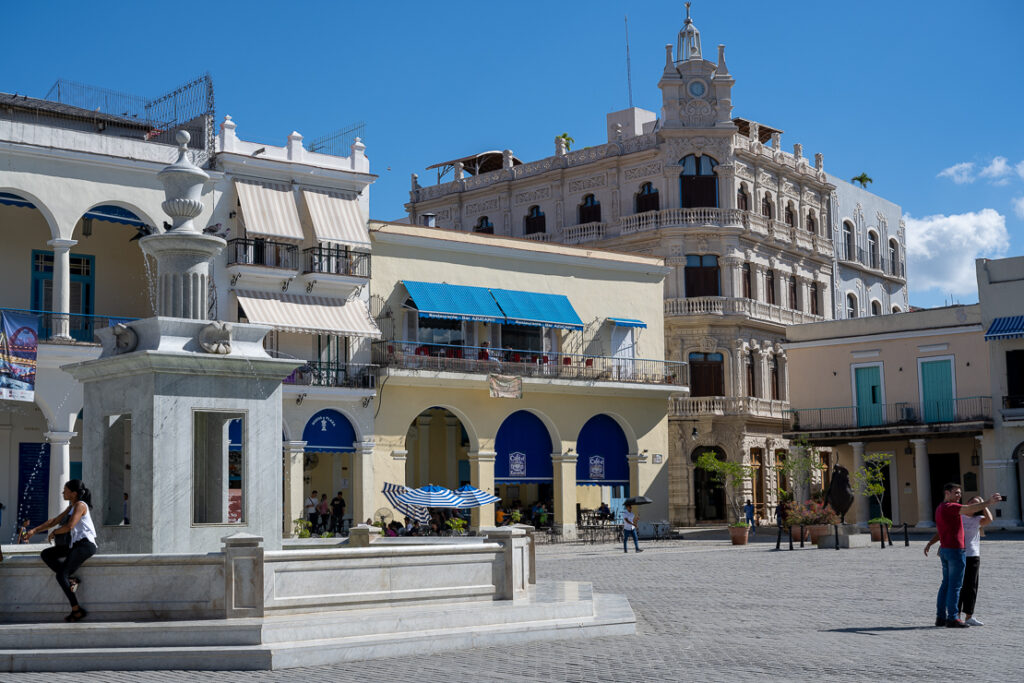
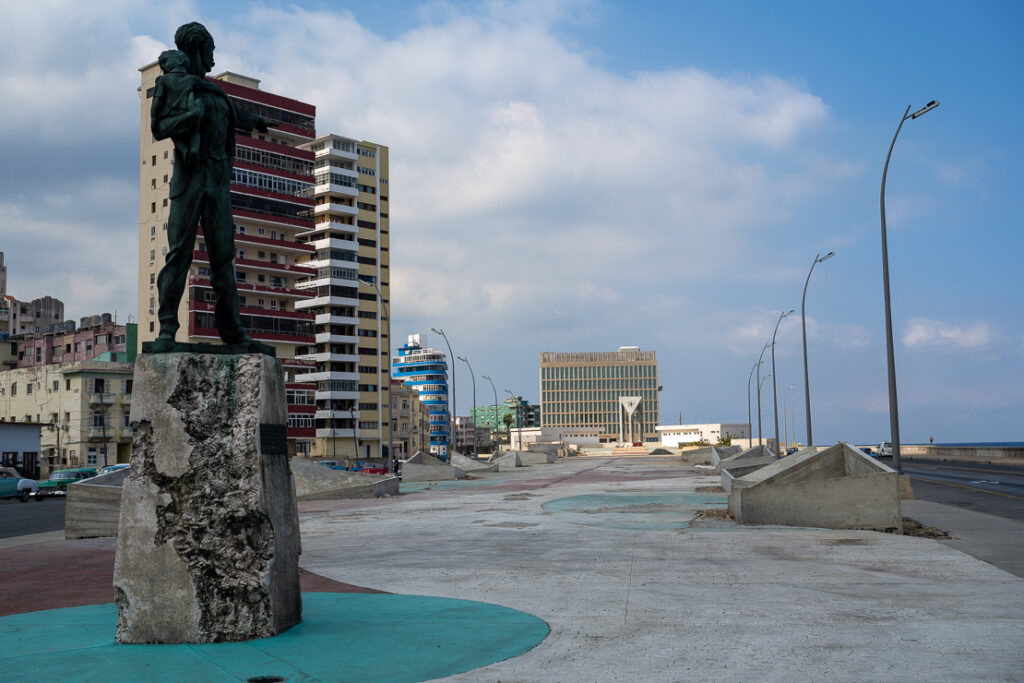
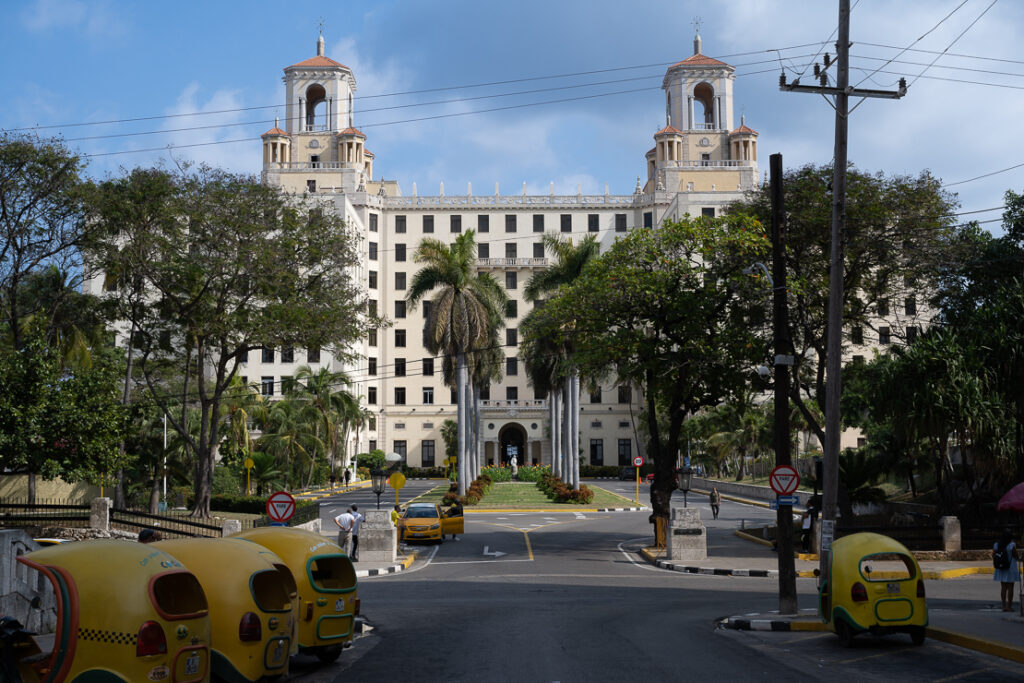
We spent the first three days exploring the old city, which has four famous squares, the Plaza de la Cathedral, the Plaza de Armas, the Plaza San Francisco, and the Plaza Vieja. Although most of the points of interest are concentrated in the old city, there are a few interesting places to visit further out. We spent some time exploring Vedado, where you can visit the famous Hotel Nacional de Cuba, see the Monument to the Victims of the USS Maine and the U.S. Embassy. If you are staying nearer to the old city, you will have to catch a taxi to reach Vedado.
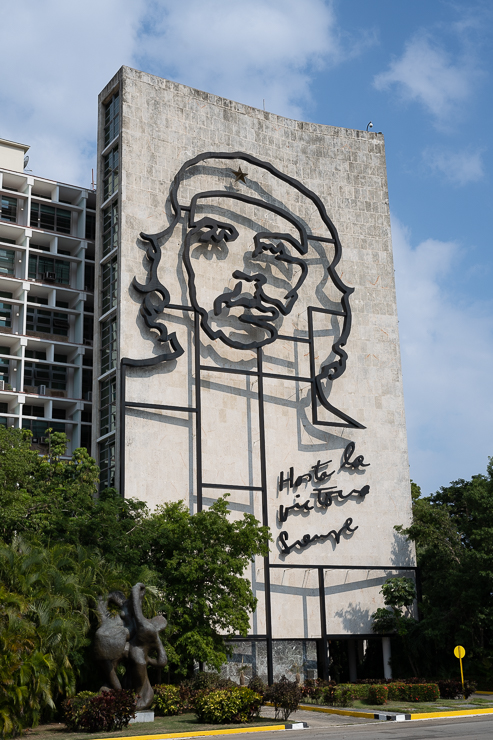
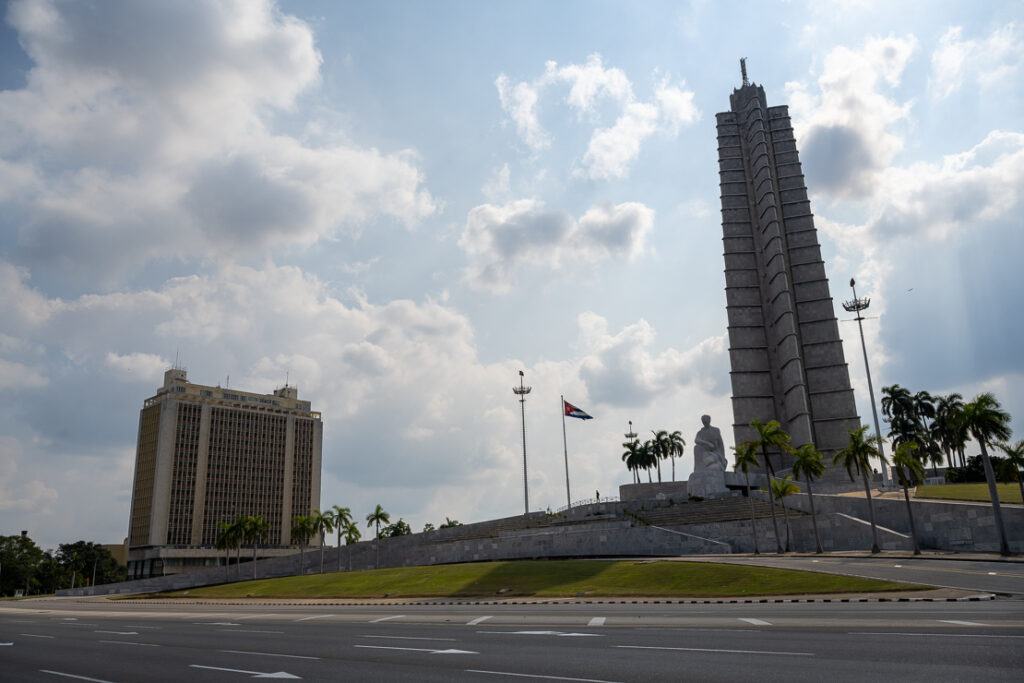
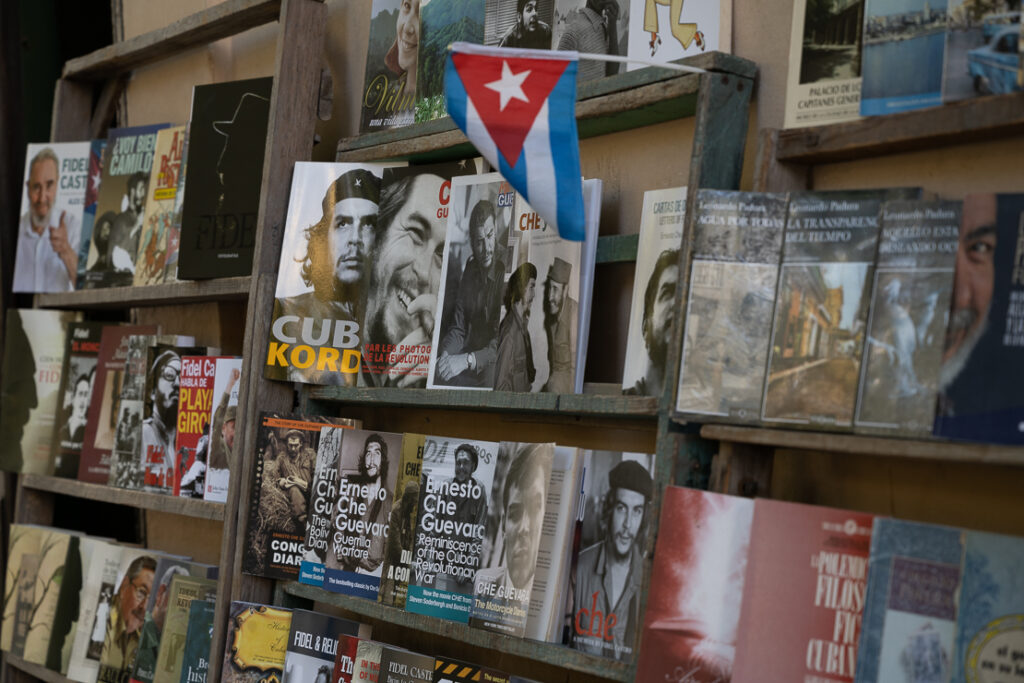
You may also want to go all the way to the University of La Havana and the Plaza de la Revolucion, where the Monument José Martí and the Che Guevara wall Monument have been erected.
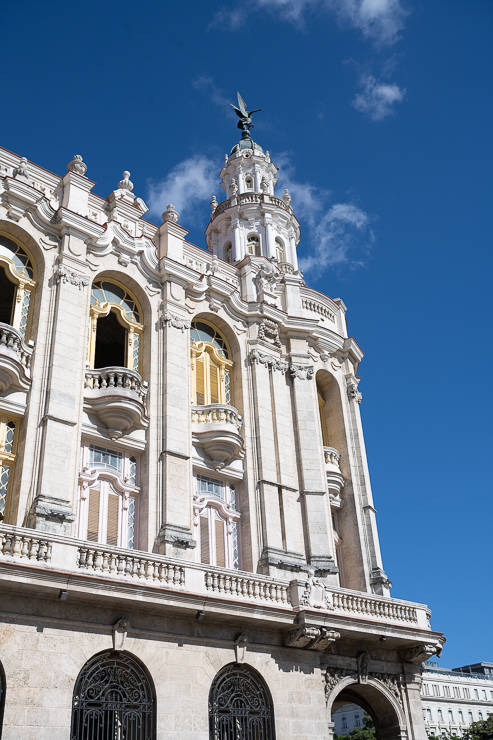
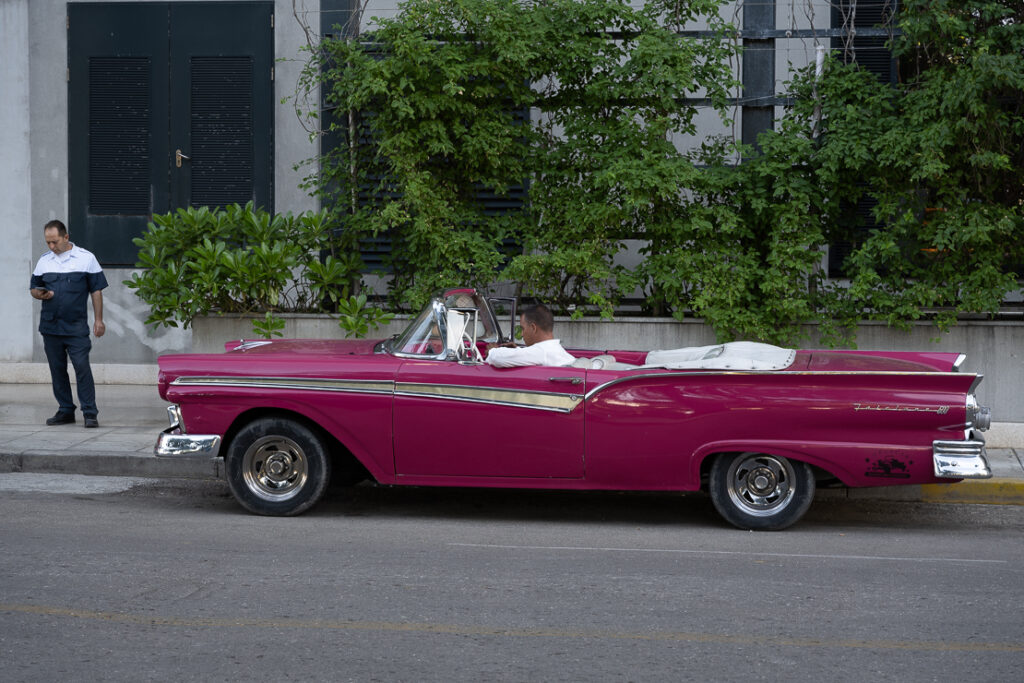
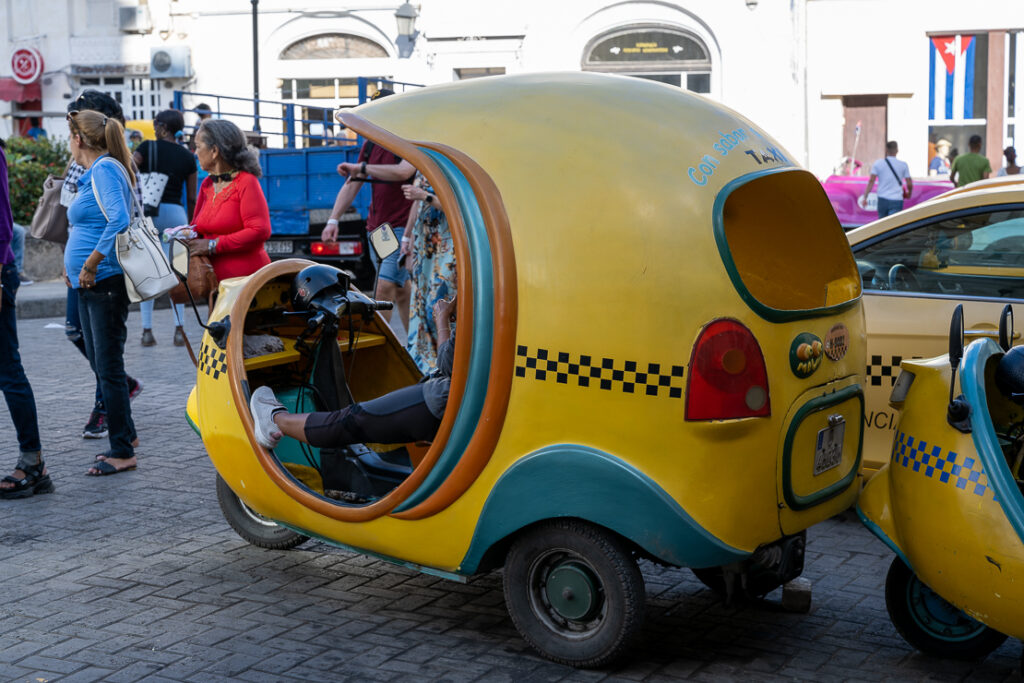
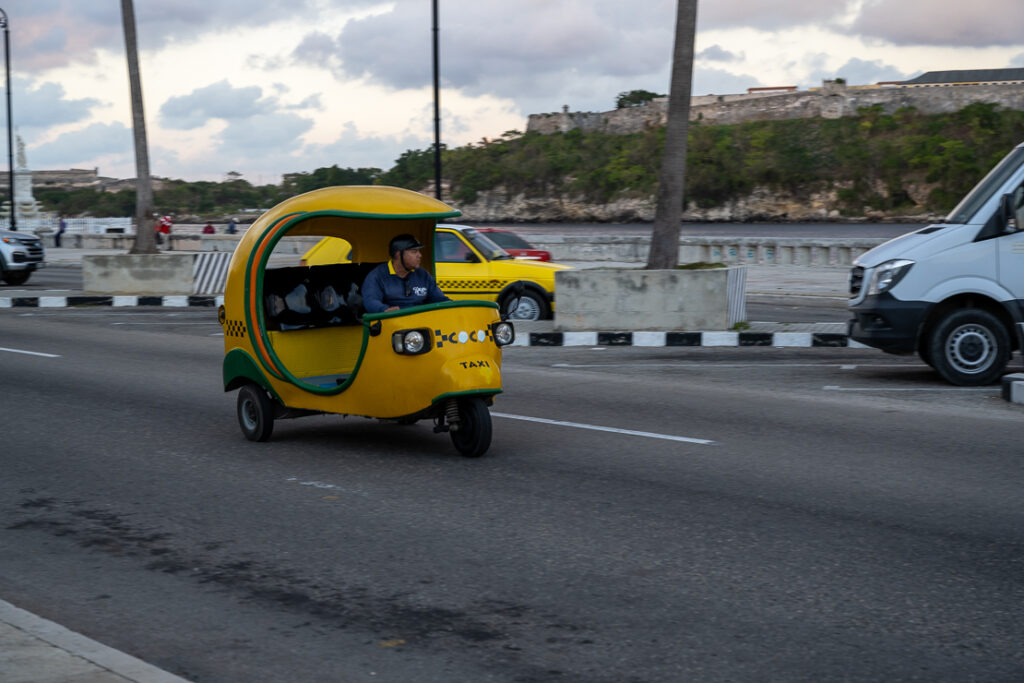
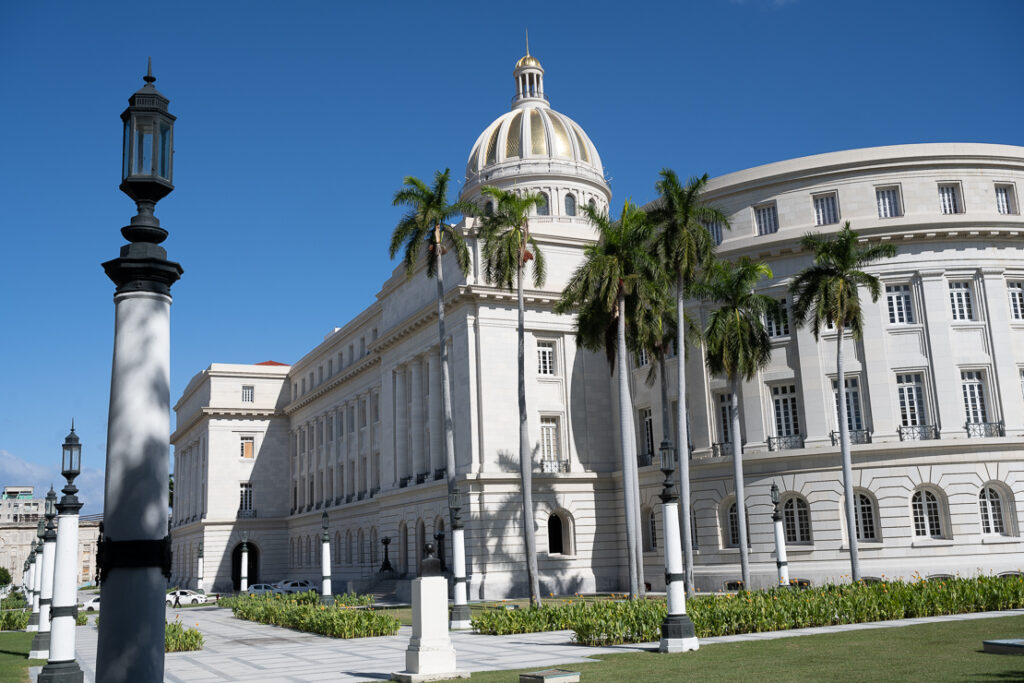
If you fancy a ride in one of the 1950’s American cars, the best place to go is near the Gran Teatro de La Habana or the Capitolio Nacional de Cuba. Some of the drivers offer a whole day tour stopping at most of the points of interest. You will have to negotiate a deal with the owner as the initial price quoted can be quite steep.
We can highly recommend booking a tour of two and half hours with a local guide to understand more about Cuba. Such a tour will also help you understand the people and the current economic and political situation (please refer to my previous blog post). We booked “Understand Cuba today with a sociologist” on Airbnb and it was an eye-opening experience – one we wished we had booked at the very start of our journey through Cuba. The information we received would have helped us understand the daily challenges affecting the people living in La Havana.
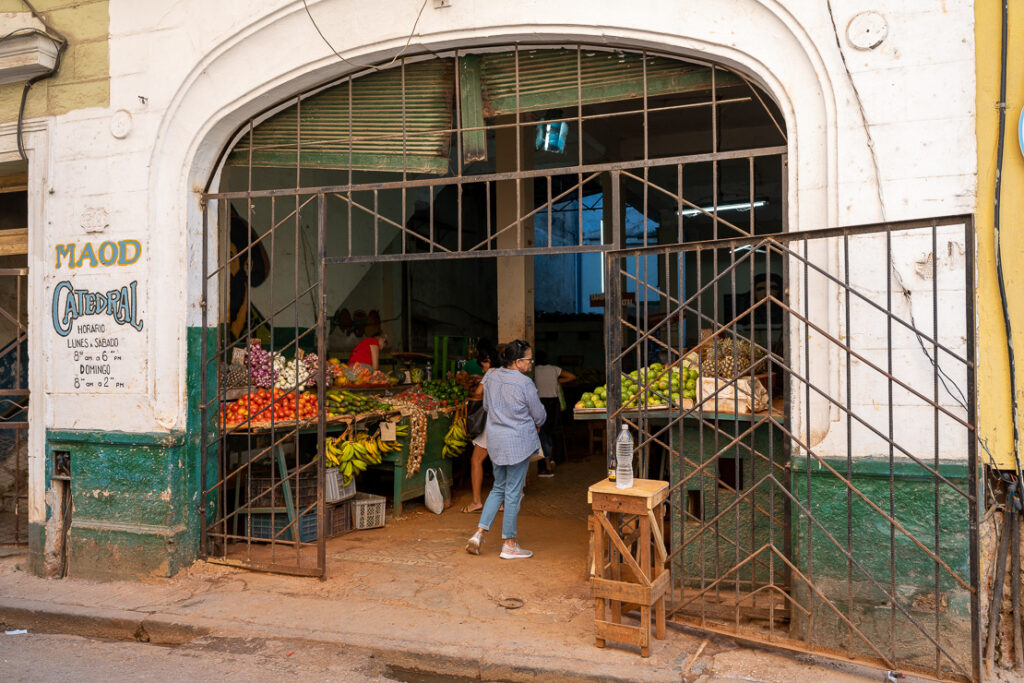
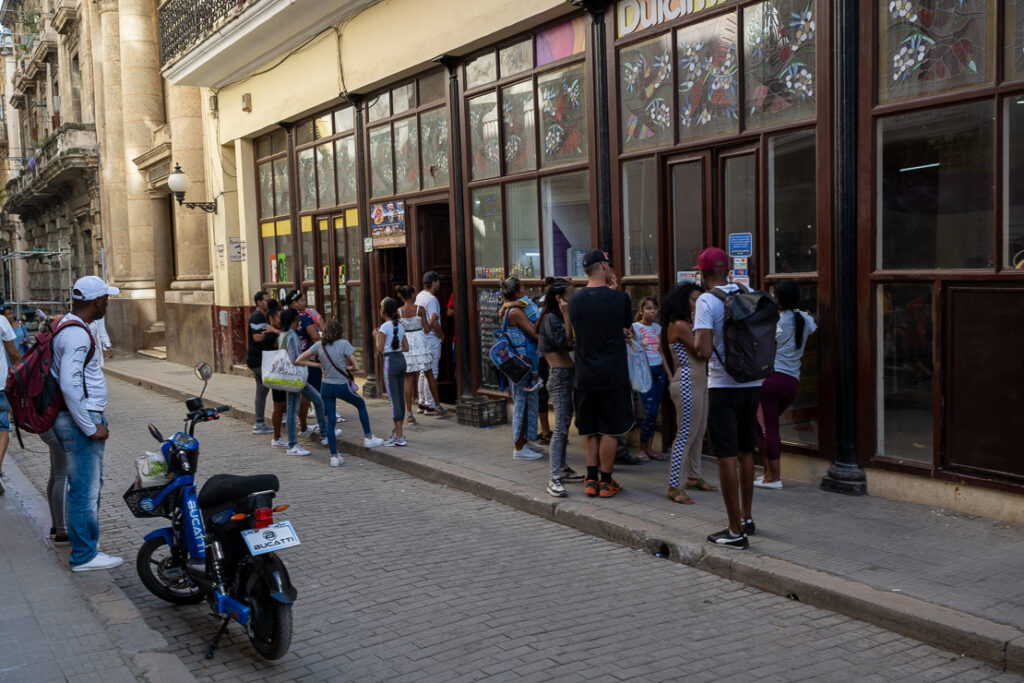
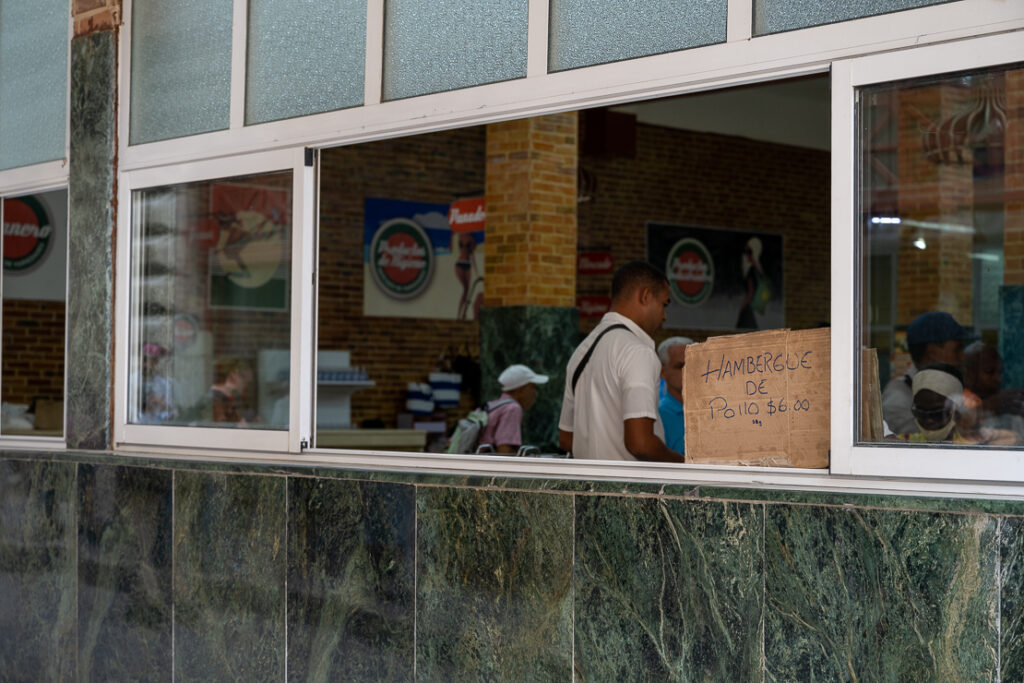
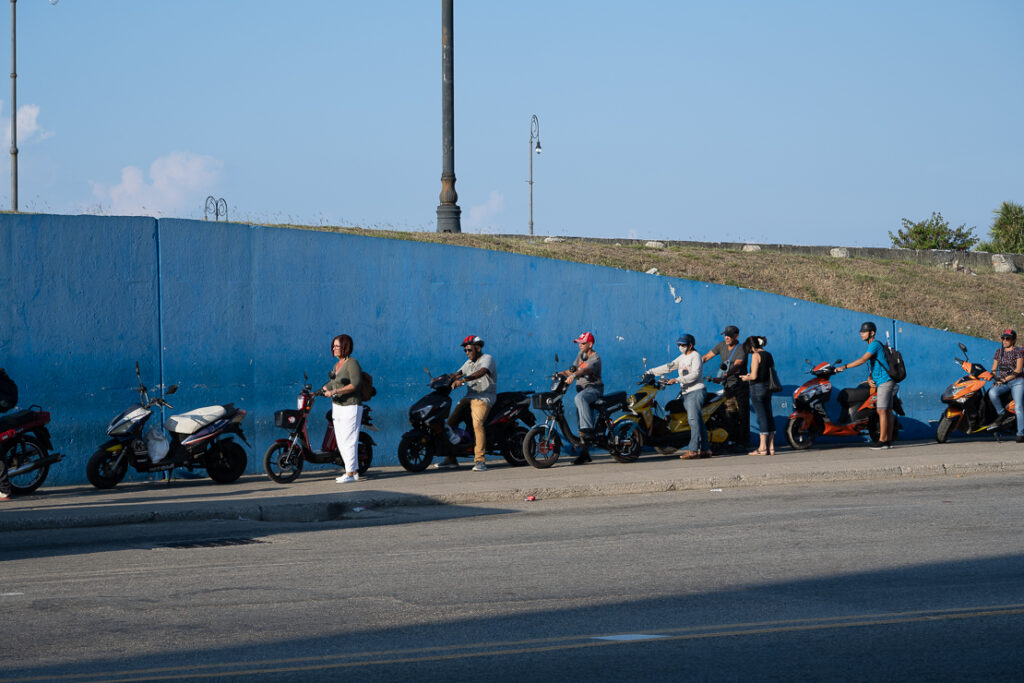
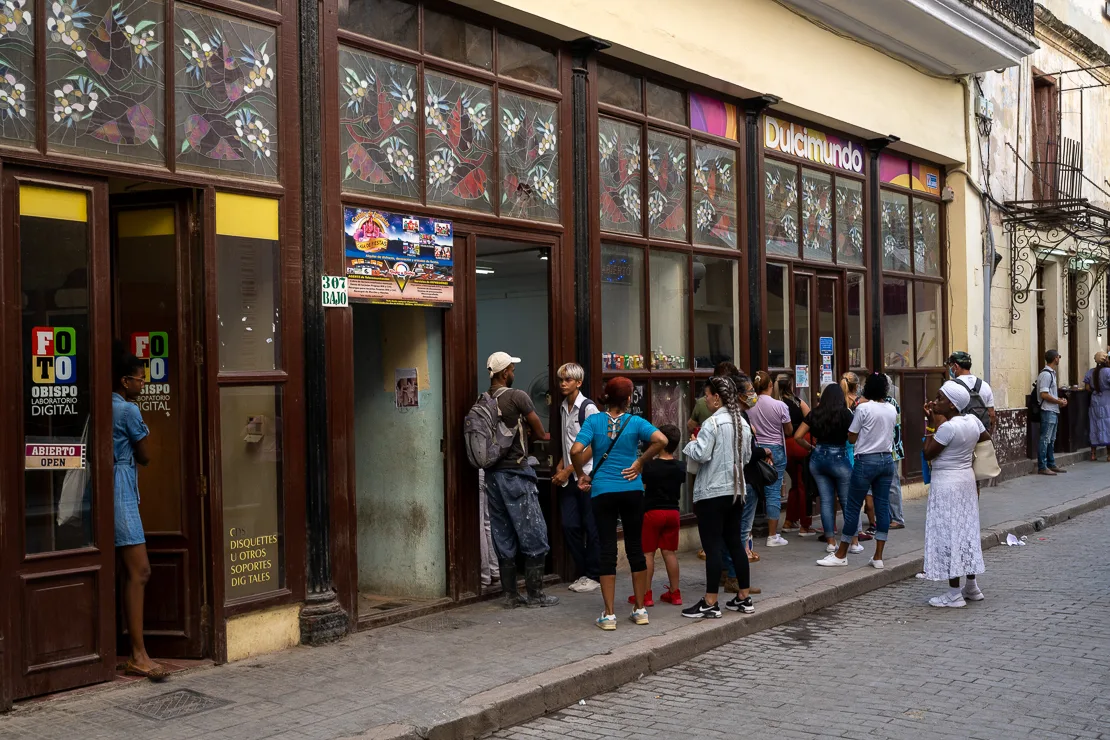
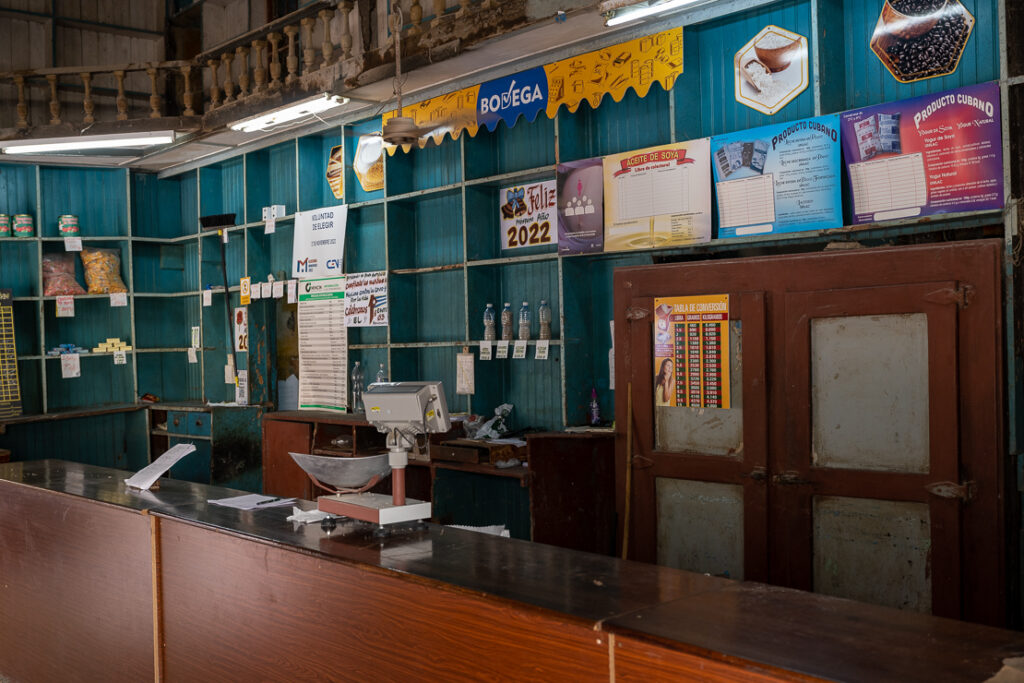
On the tour, we learned that there are two types of shops in Cuba, the Peso shops, and the Dollar shops. The Peso shops are basically empty and only receive infrequent deliveries of one or two types of products. The Dollar shops are well stocked, but they are imported products that are too expensive for most locals. Cubans are queuing at Peso shops for basic products like soap, toothpaste or even bread, milk, butter, vegetables, and meat. Rationing introduced in the early sixties is still in place.
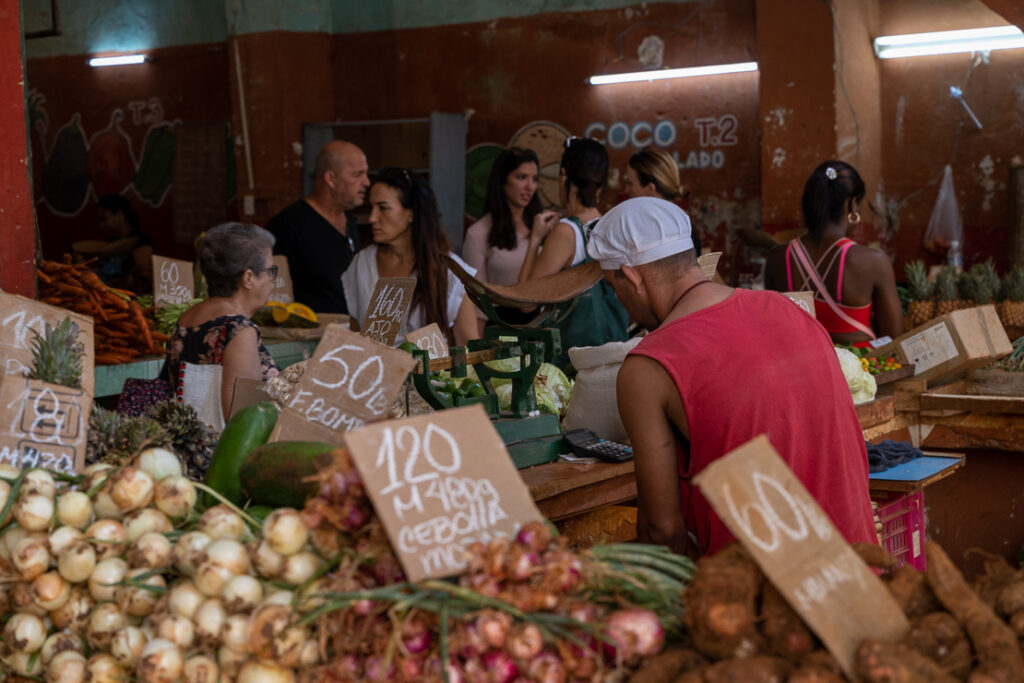
Our guide explained that the farmers are forced to sell ninety percent of their harvest to the government. The best produce are exported to foreign countries and most of the proceeds go to the government to fund the army and the police and to enrich government officials instead of being reinvested in the country and its people. The remainder of the harvest is sold locally, but the quantity of produce is insufficient to feed the Cuban population.
In addition, when the government retired the tourist currency (CUC) in January 2021, they set the currency exchange of the Peso to the Dollar at the black-market rate of 125 Pesos per Dollar making the Cuban population five times poorer overnight. However, the government is still purchasing the farmers produce at the initial rate of the CUC at 25 Pesos to the Dollar. Such practices are causing major poverty, have an impact on the productivity of the workforce and lead to a flourishing black market. In fact, the black market has become the real economy of Cuba and locals would not be able to survive without it. Despite all the problems faced by the Cuban population, as hosts to many tourists, they go out of their way to ensure visitors get the best experience they can give.
After five days in La Havana, we asked our Casa owner to organise a colectivo taxi to travel to Viñales. On our last evening in La Havana, we had a lovely dinner at “Los Mercaderes” (207 Mercaderes, La Habana, Cuba). It was recommended by our guide. If you are in La Havana at some point in the future book a table. The food is excellent!