No products in the basket.
Mexico City
June 3, 2022
We arrived in Mexico City in the late hours of Friday 3 June. I had arranged for a private pick-up, but it is easy to just book an Uber when you have passed customs and have reclaimed your luggage. There are also official cab companies, but I found out later that they are still quite expensive (ca. 500 Mexican Pesos vs. 130 Mexican Pesos for an Uber).
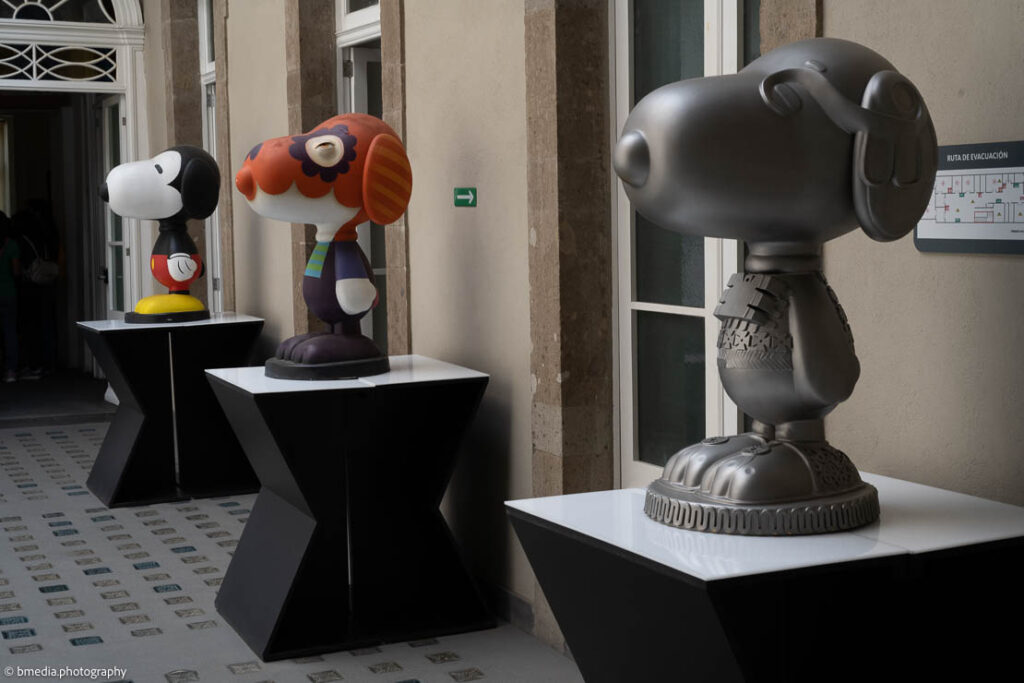
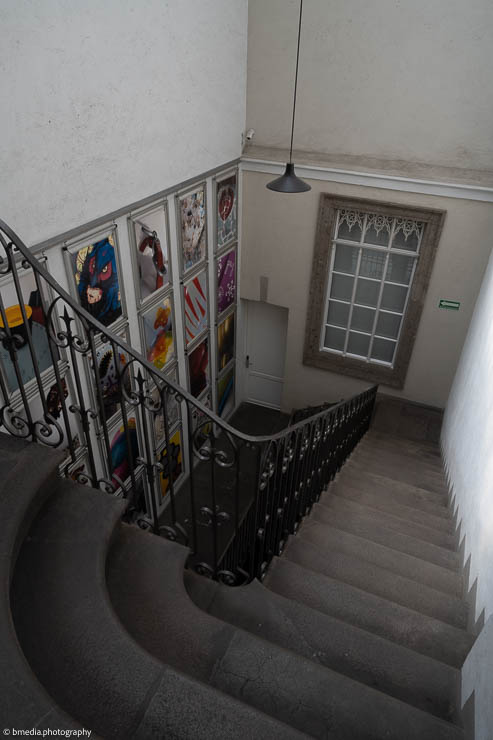
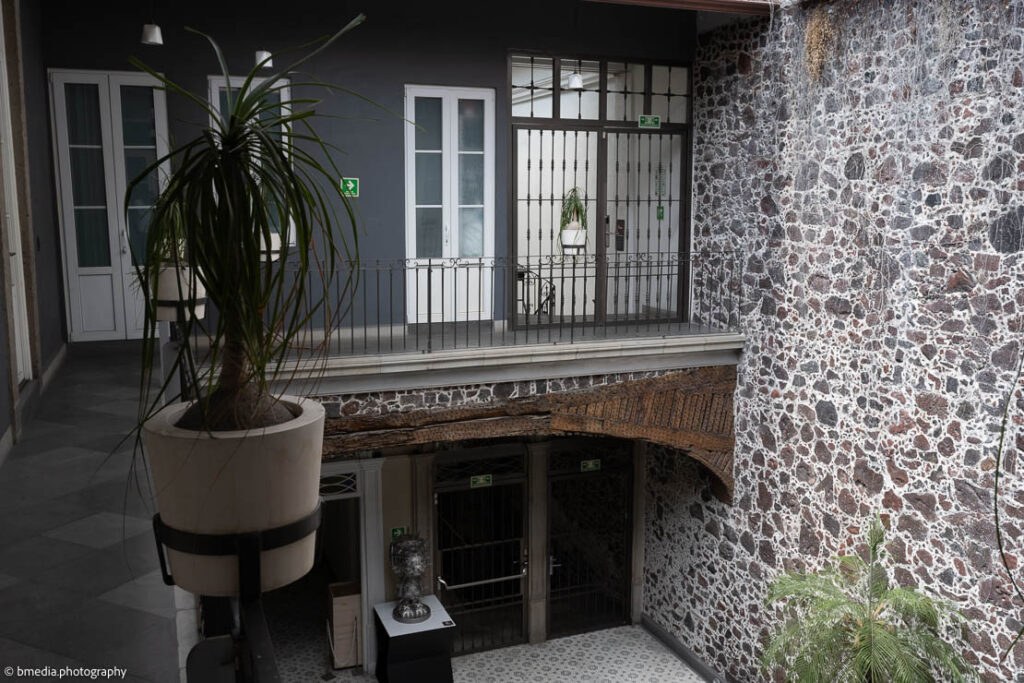
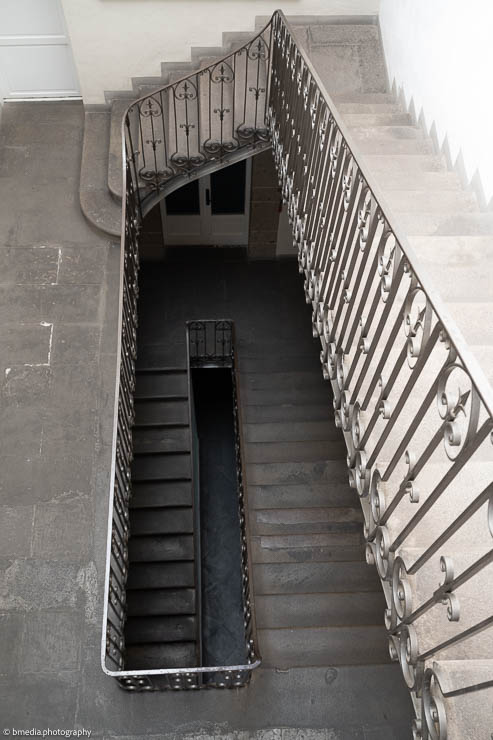
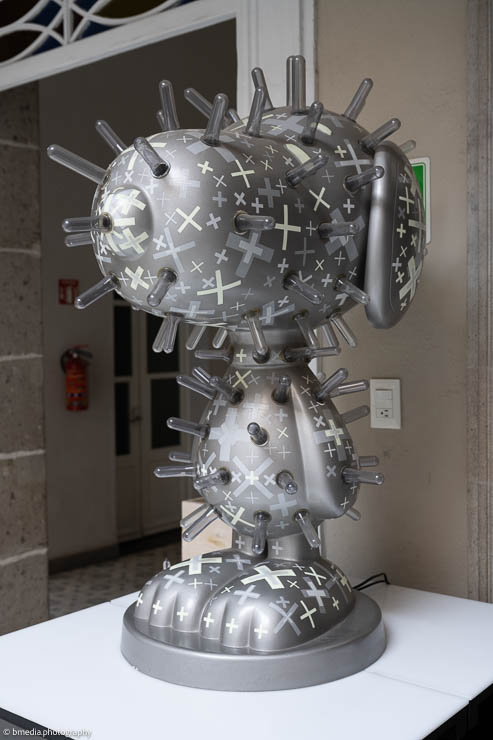
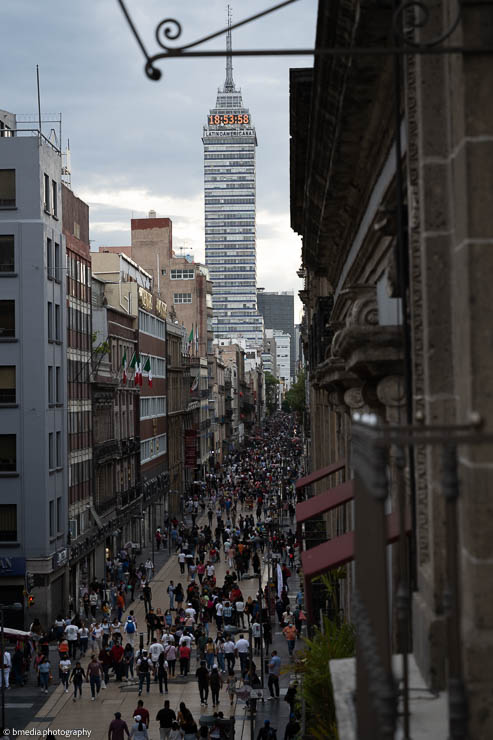
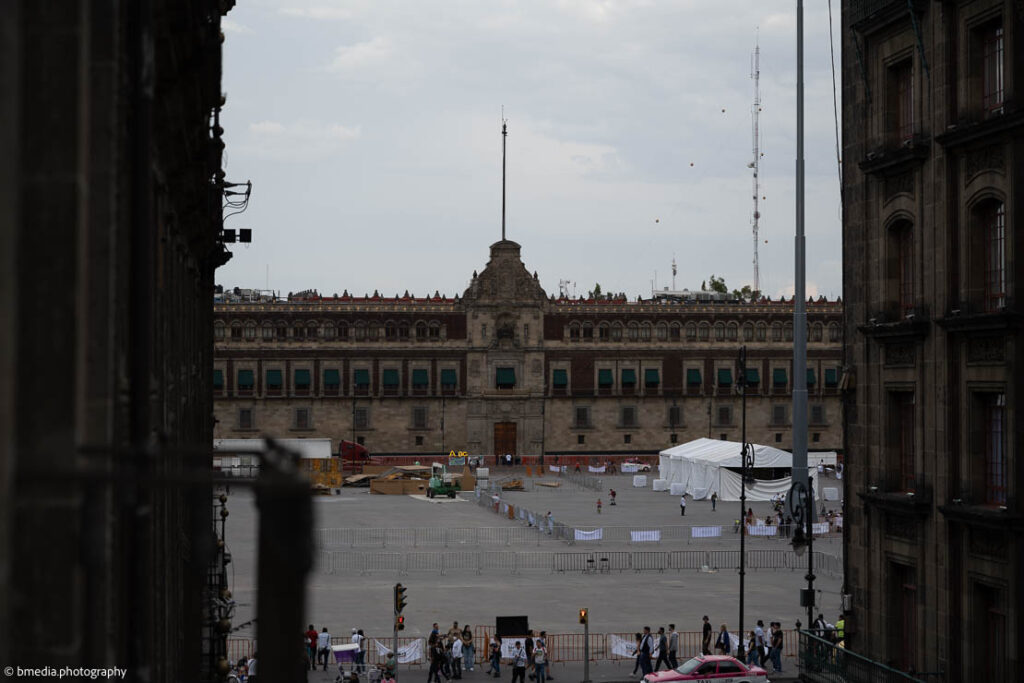
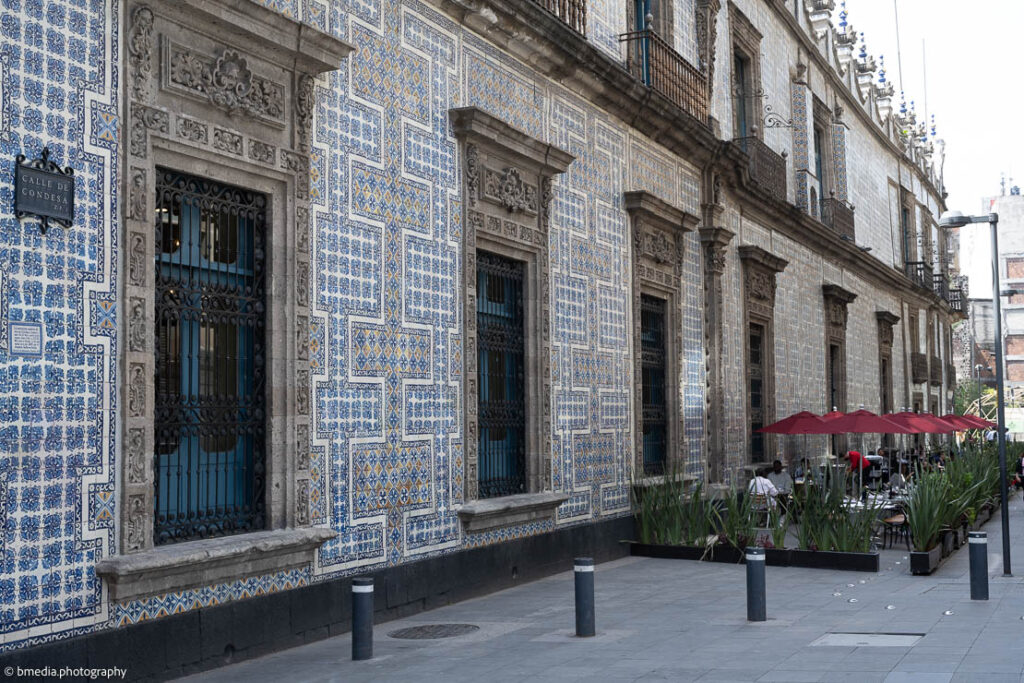
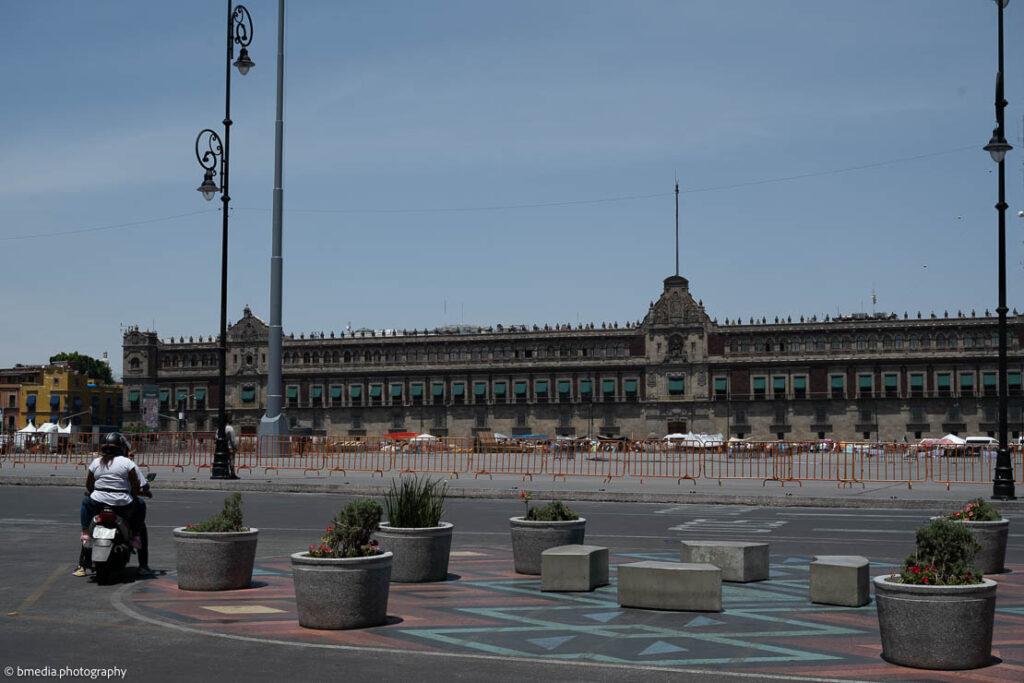
We spent the first night at a lovely hotel downtown but moved on the next day due to the extreme noise coming from a club just around the corner. Many people will tell you that all hotels in the historical centre of Mexico City are noisy, but I found something a little different and fabulous! The hotel is called “Mumedi”. It is very quiet, modern, clean and, wait for it… it is inside the Museum of design. We dropped our luggage at our new den and went out for a walk. The hotel is just around the corner from the Zócalo (central place) in a pedestrianised zone.
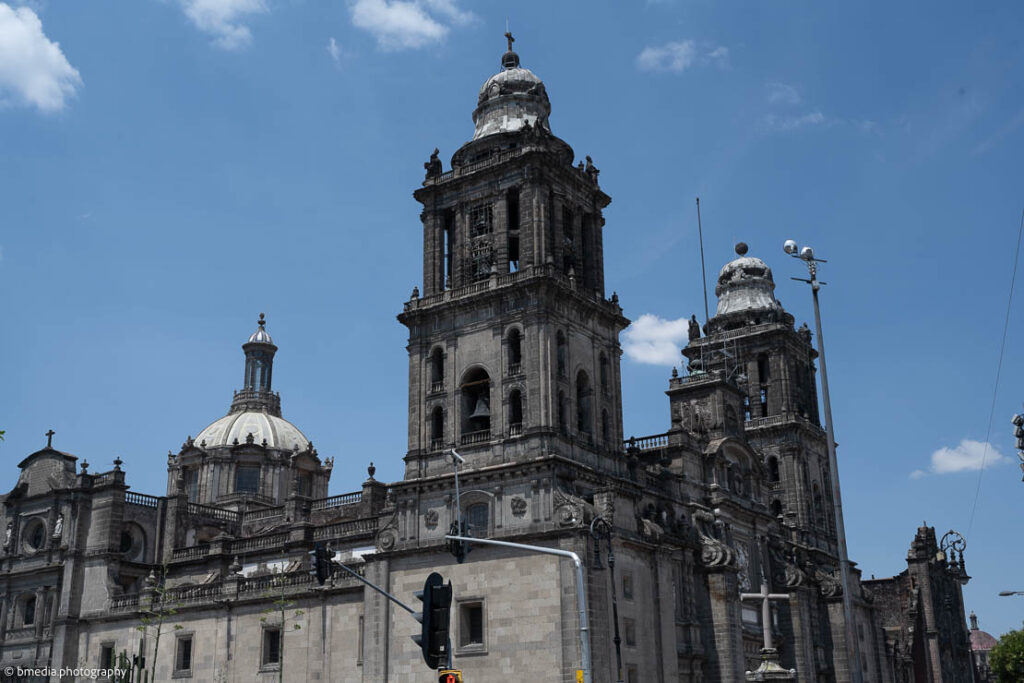
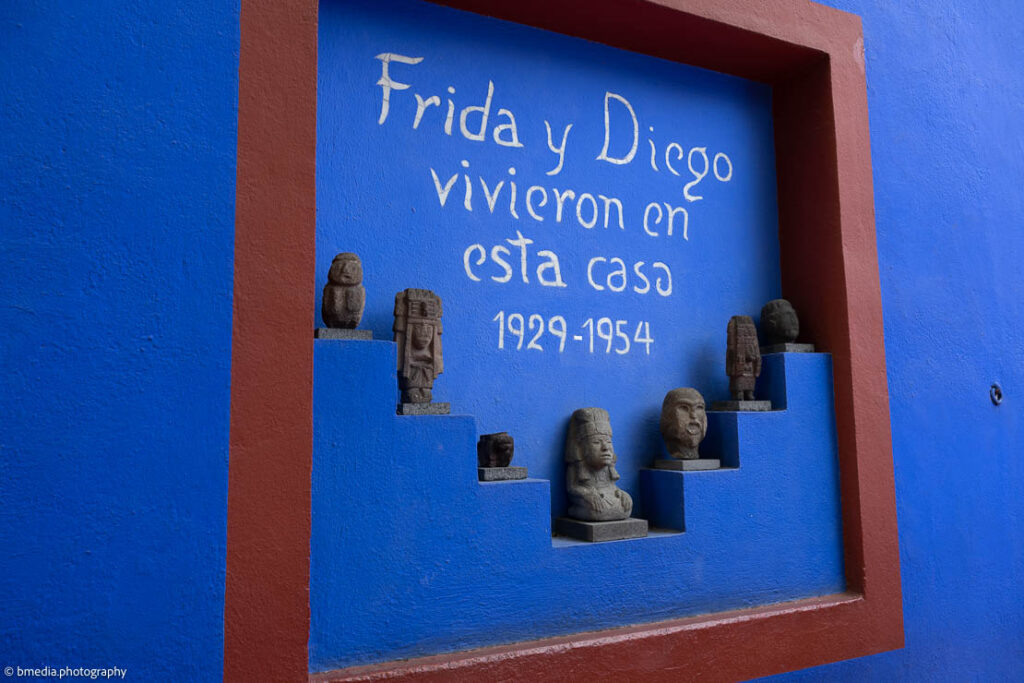
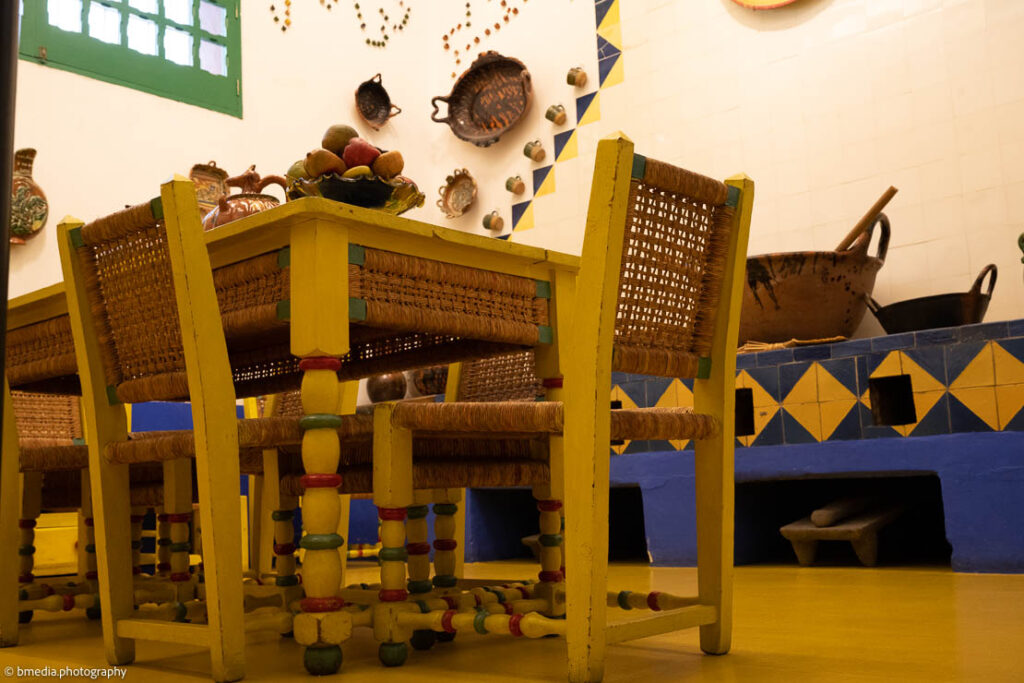
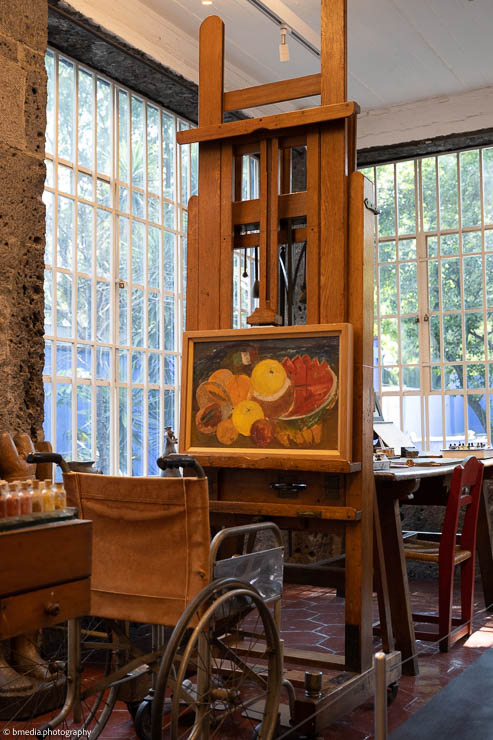
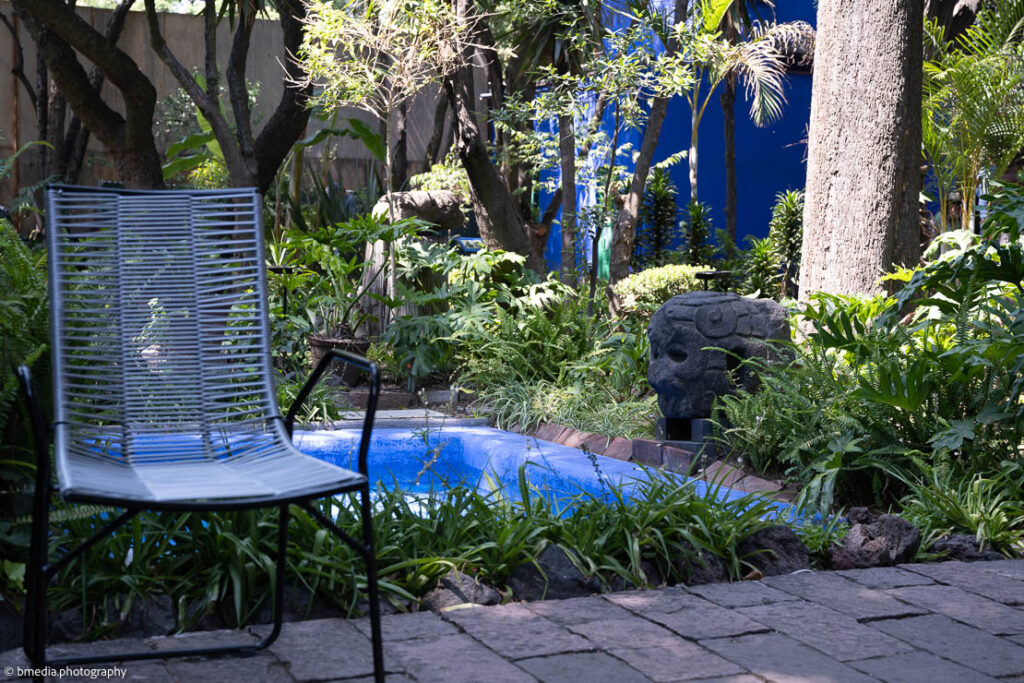
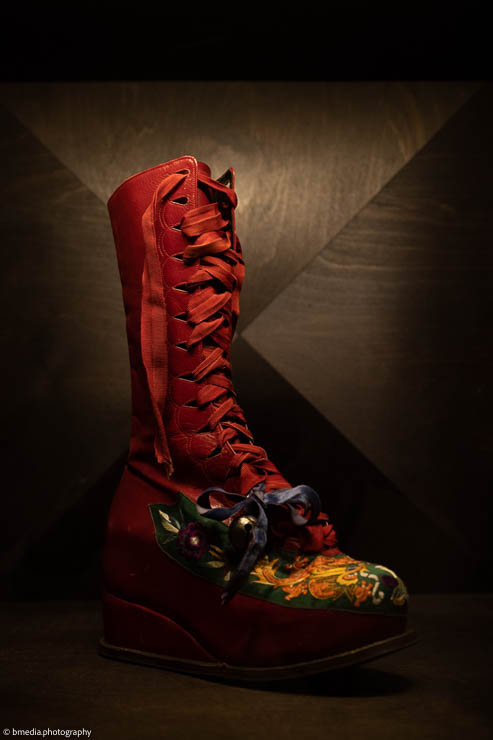
We had purchased tickets to visit the Frida Kahlo museum. If you are into art, this is one of the museums you should not miss. It is the house where Frida and Diego lived from 1929 till 1954. When you buy your ticket, it also includes the visit to the Diego Riviera-Anahuacalli Museum. So you will not need to buy a separate ticket for that one. We did not enjoy the latter as much as we enjoyed the Frida Kahlo museum as it was very dark and had very little to do with Diego Rivera’s art.
We ordered an Uber to ensure we were on time for our booked entry slot at the museum. However, if you are on a budget and want to see the city, spare the costs of a cab and buy a hop-on hop-off bus ticket, the Circuito Sur will take you right passed the museum amongst plenty of other place of interest. You will have to purchase your ticket online when the bus is nearer to the museum as the entry is timed, but those buses are a great way to see the city.
Note: check the opening days/times of the museums in advance. Most museums are closed on Mondays in Mexico City.
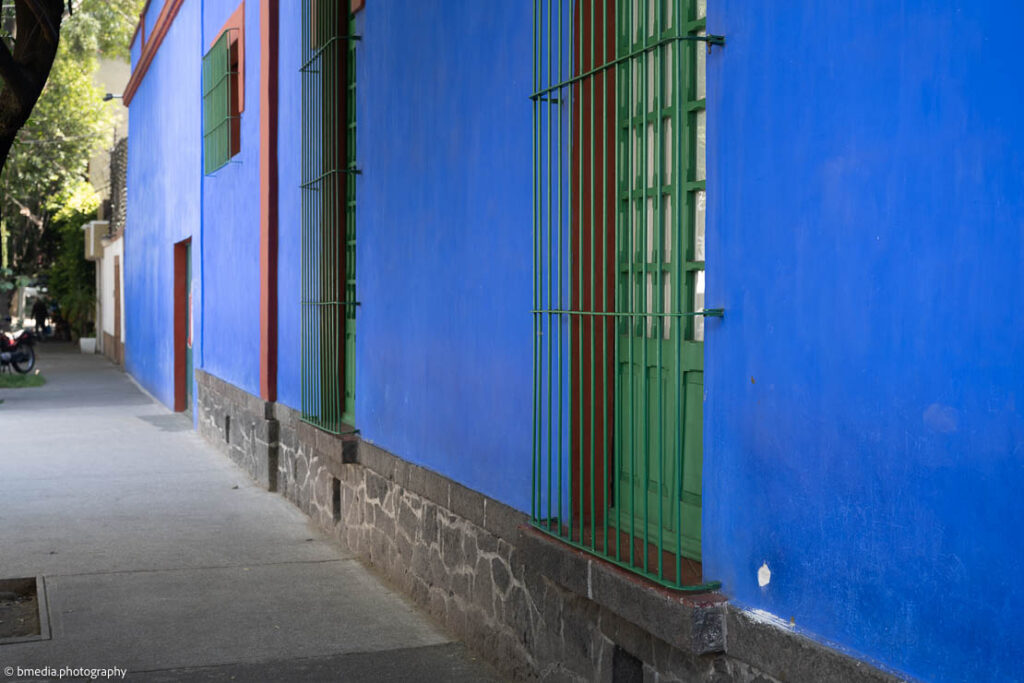
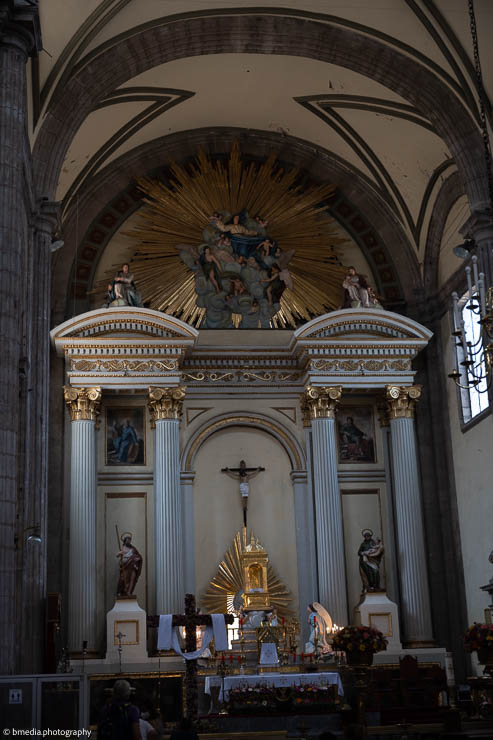
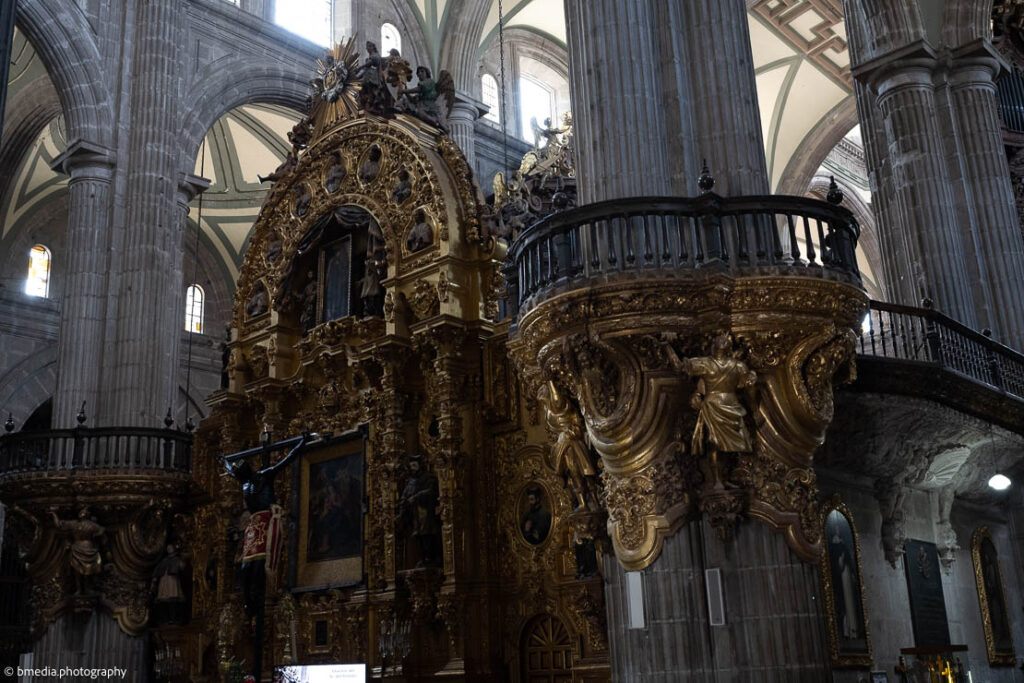
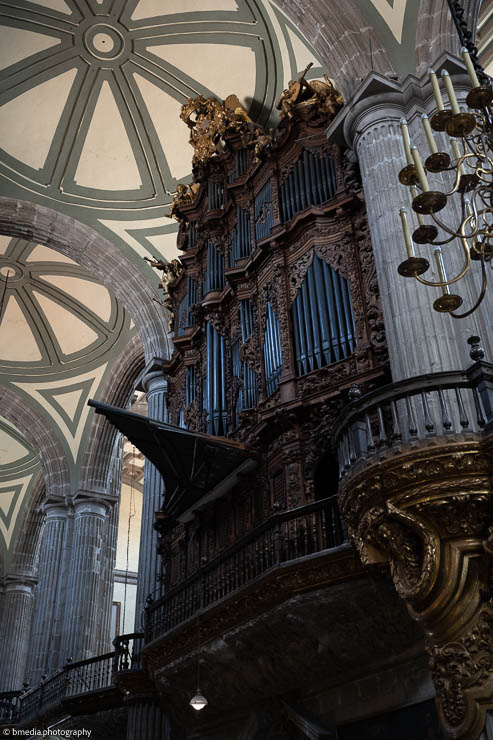
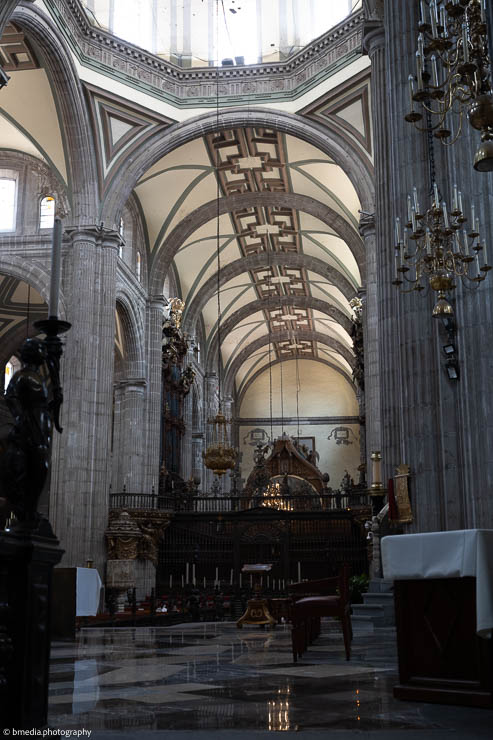
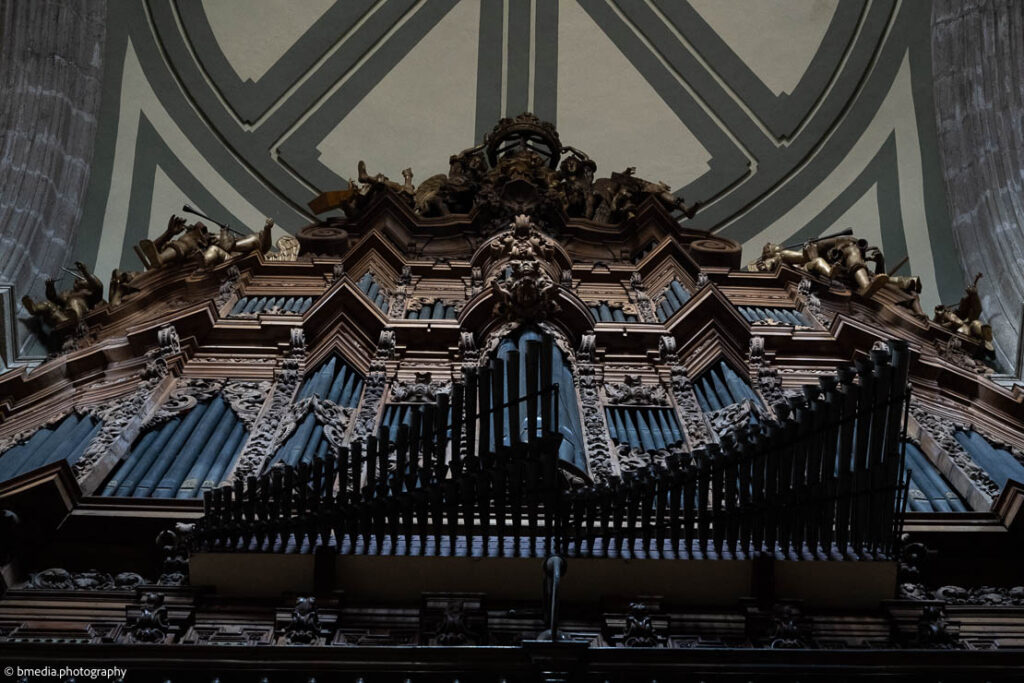
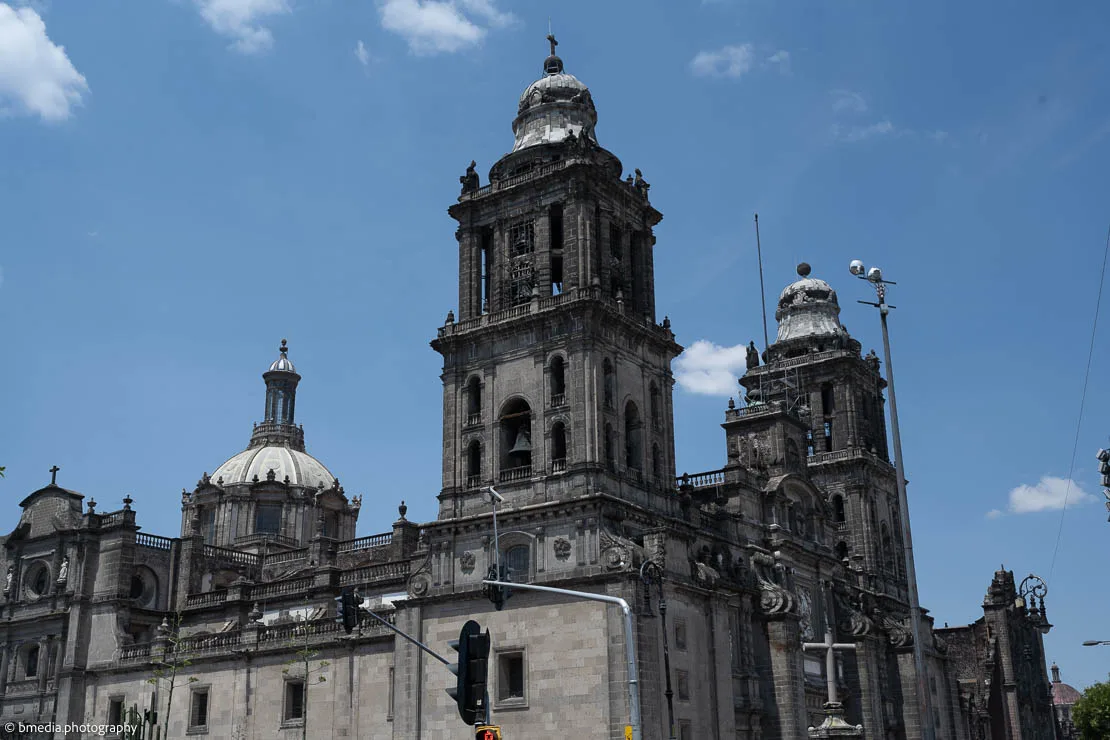
After visiting the Frida Khalo museum, we spent some time in the historical centre, visiting the Metropolitan Cathedral and adjacent streets. Just a word of caution, if you have a DSLR camera, you will not be allowed to take pictures inside the cathedral. I did manage to negotiate with the guard at the entrance who very kindly sent a message to his colleague allowing me to take a few pictures.
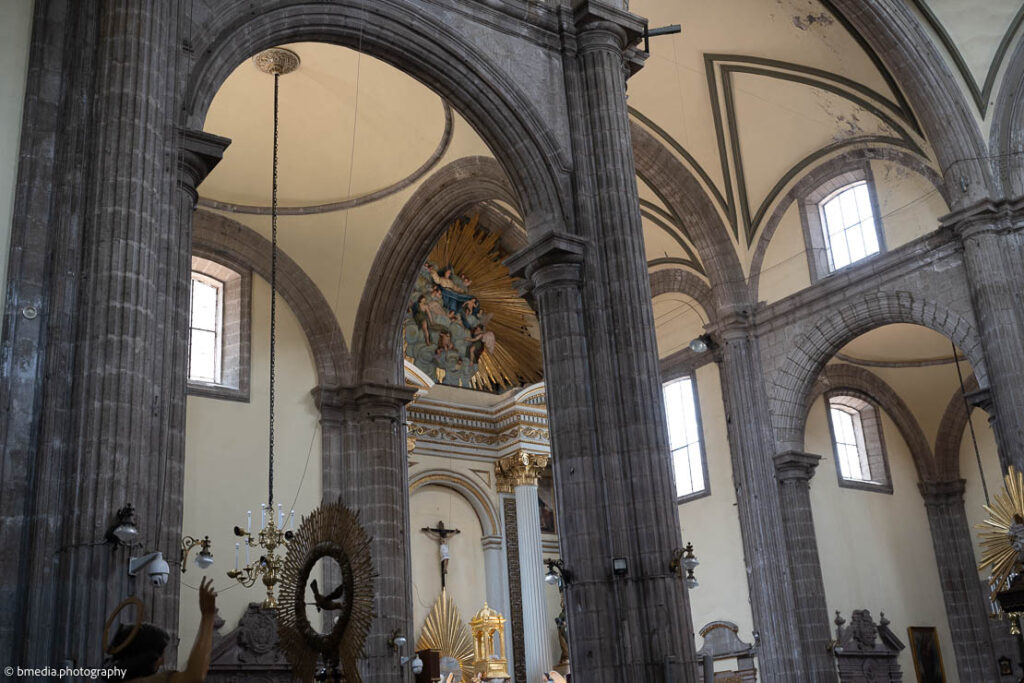
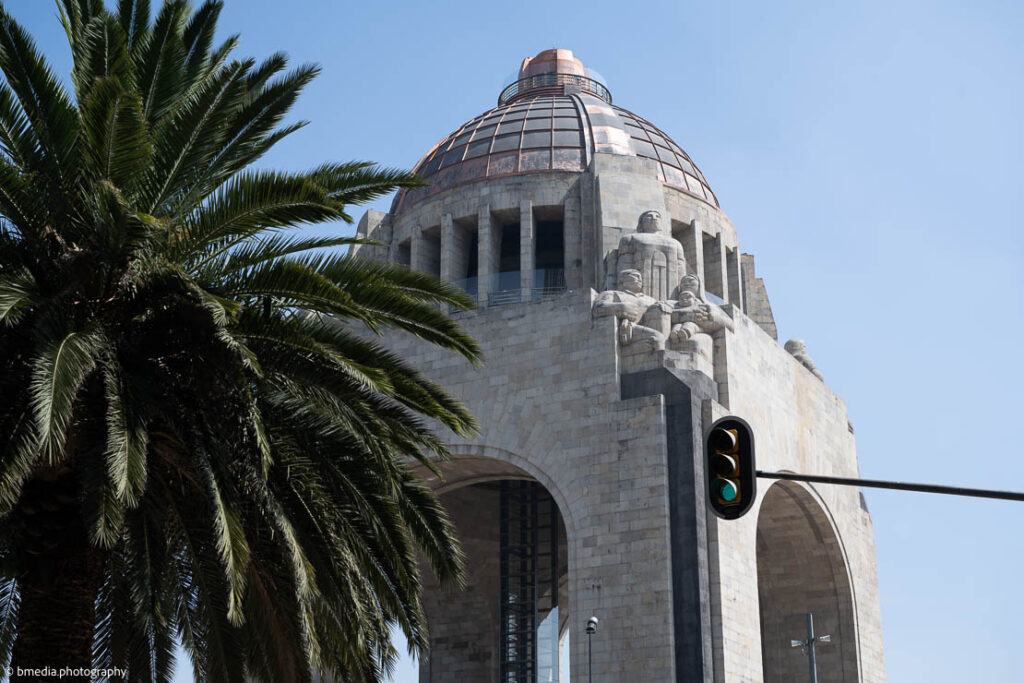
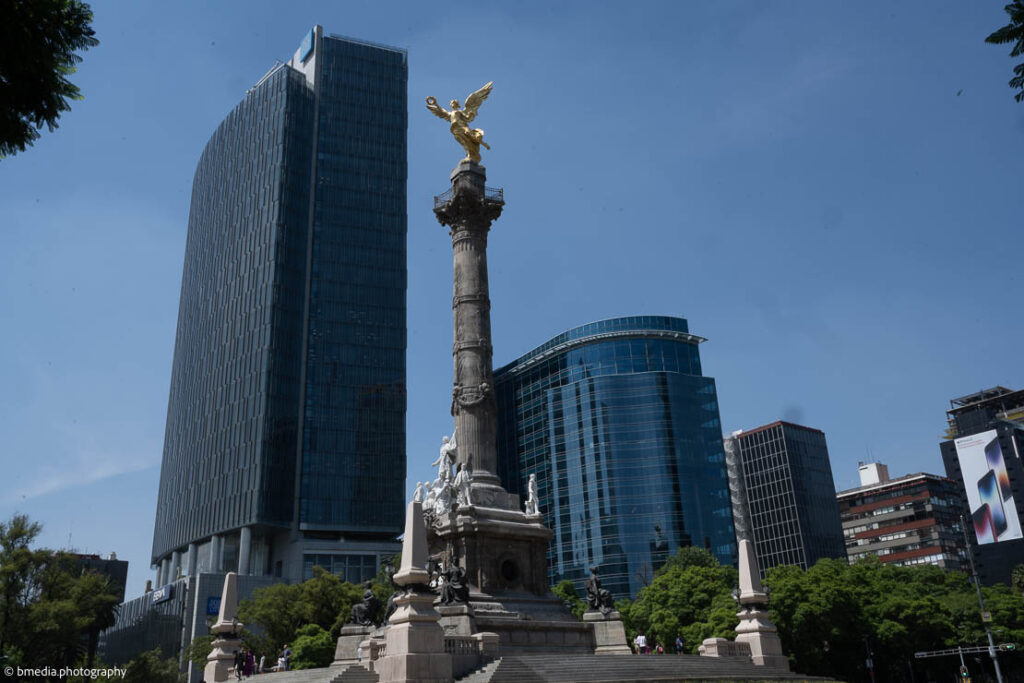
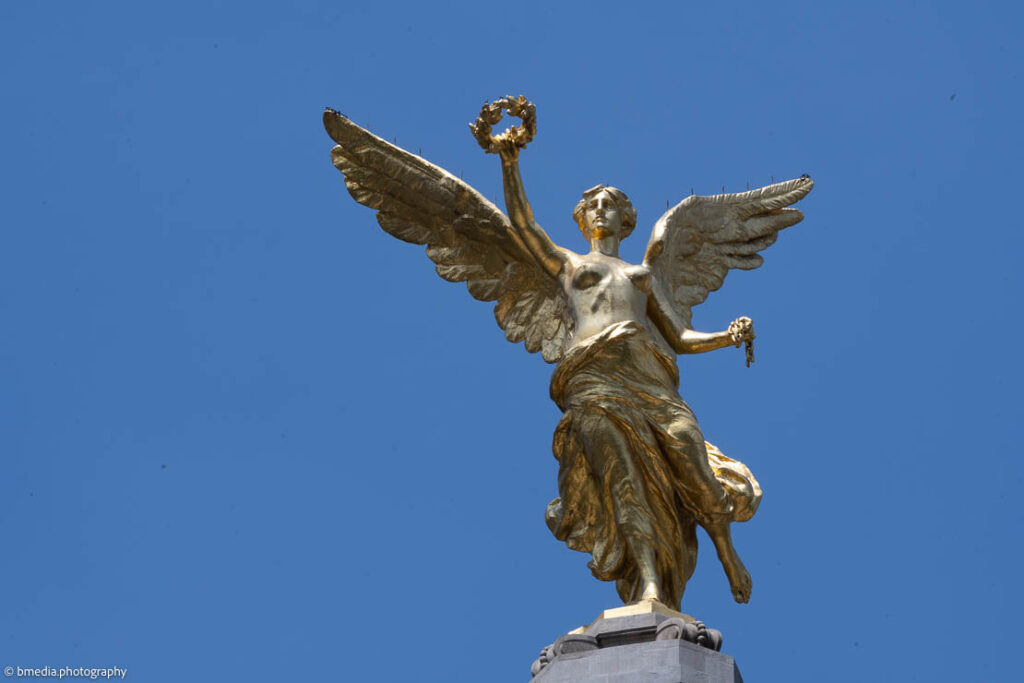
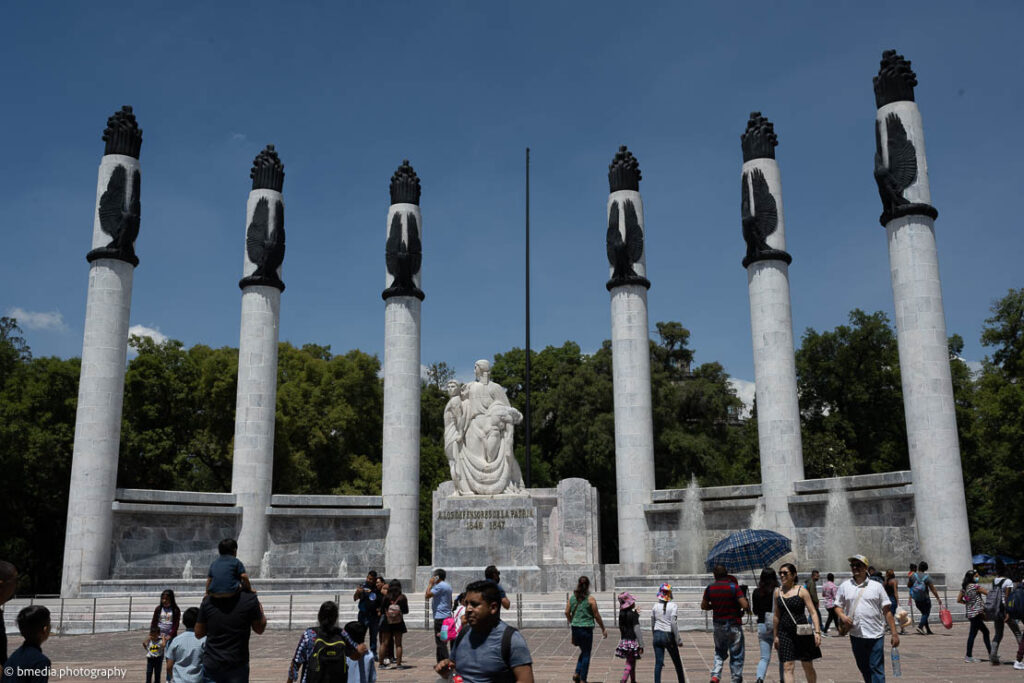
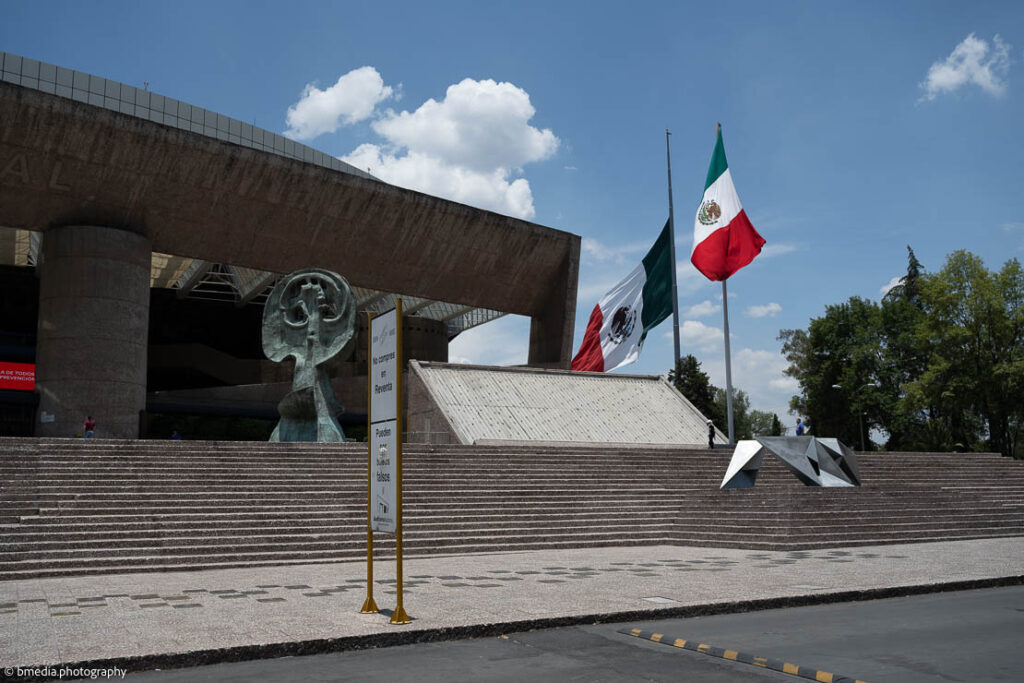
On Sunday, we decided to catch the hop-on hop-off bus near the Central Place (Zócalo) for another day and passed the Monument of the Revolution, the Angel (Monument of the Indpendence), walked through the park Chapultepec and to the Auditorium National where we rejoined the bus tour to drive through Polanco. Polanco is an upscale area noted for its luxury shopping. The Presidente Masaryk Avenue is the most expensive street in Mexico. It can be compared with Rodeo Drive in L.A. or Fifth Avenue in New York.
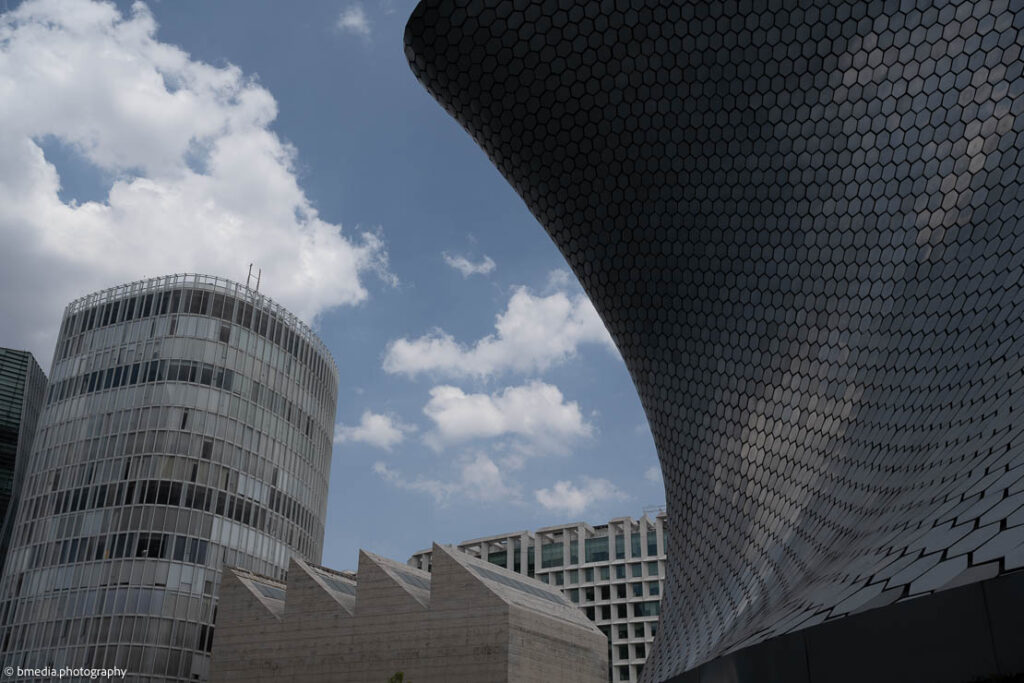
We then visited the Soumaya Museum (free entry). The museum was designed by the Mexican architect Fernando Romero. It opened in 2011 and it has over 66,000 works of art from across the world. The building is held by vertical curved steel columns covered by aluminium tiles, giving each floor a very distinctive shape. The inside resembles a little bit the Guggenheim museum with its circular ramp leading to each floor around the building.
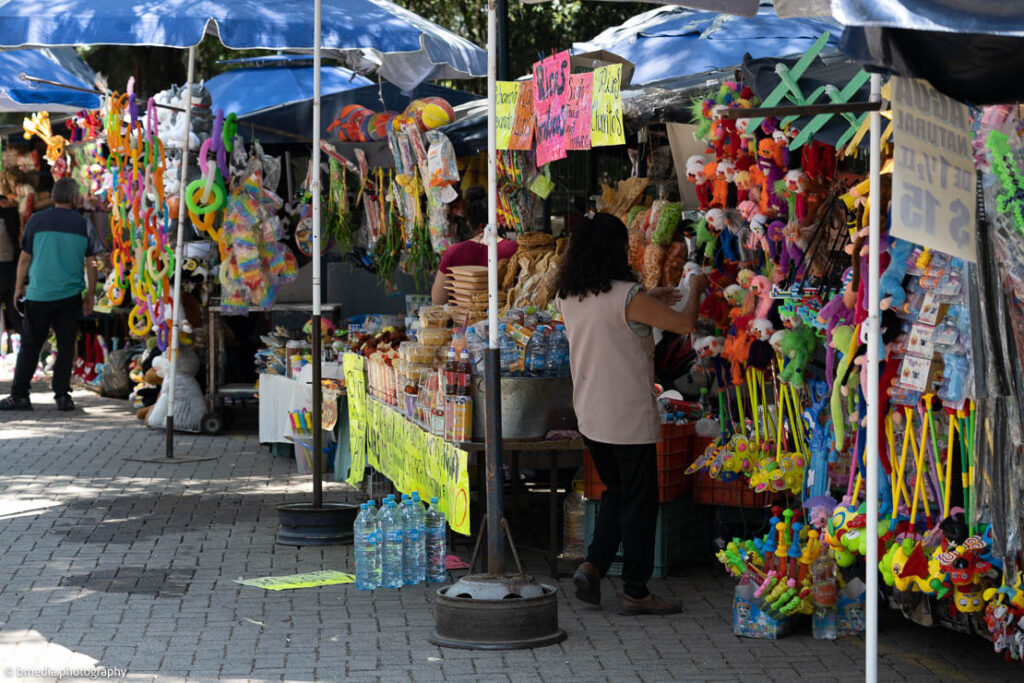
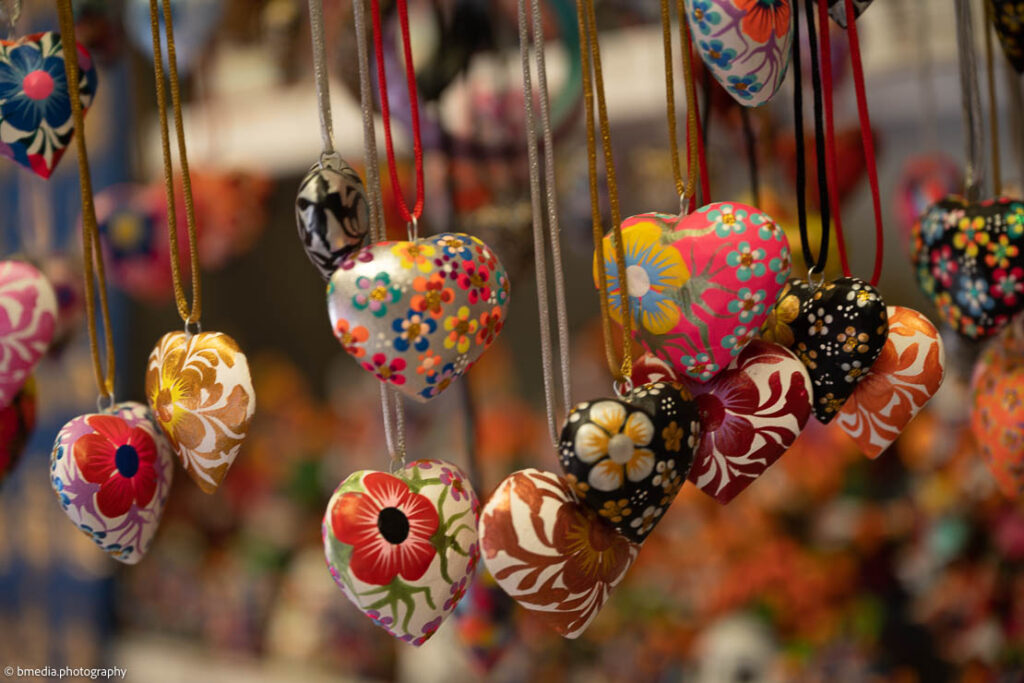
On Monday, since all museum are closed, we planned to visit various markets around the centre. If you like artisan markets, I can highly recommend that you visit the Mercado de Artesanías La Ciudadela, which is a short walk from the historic centre of Mexico City. It is a popular market hosting vendors of traditional handicraft and folk art.
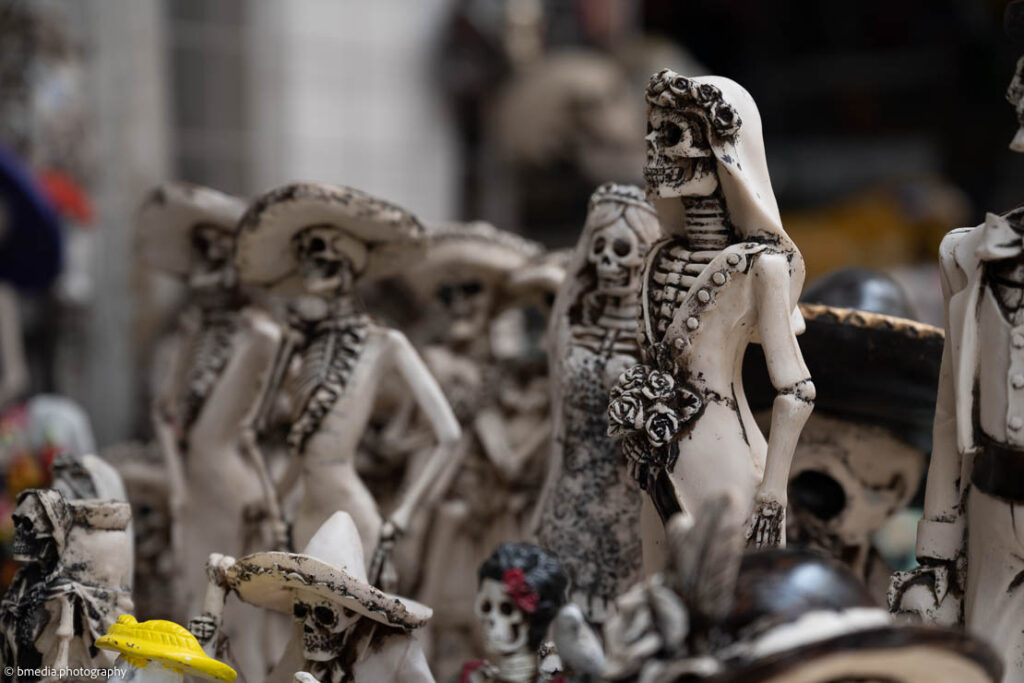
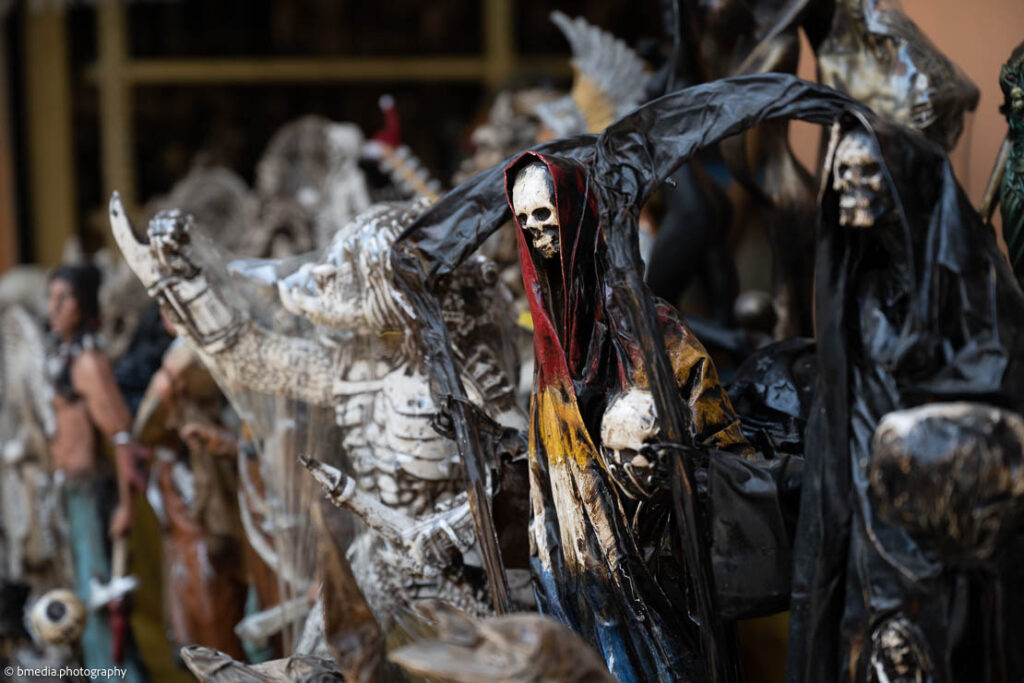
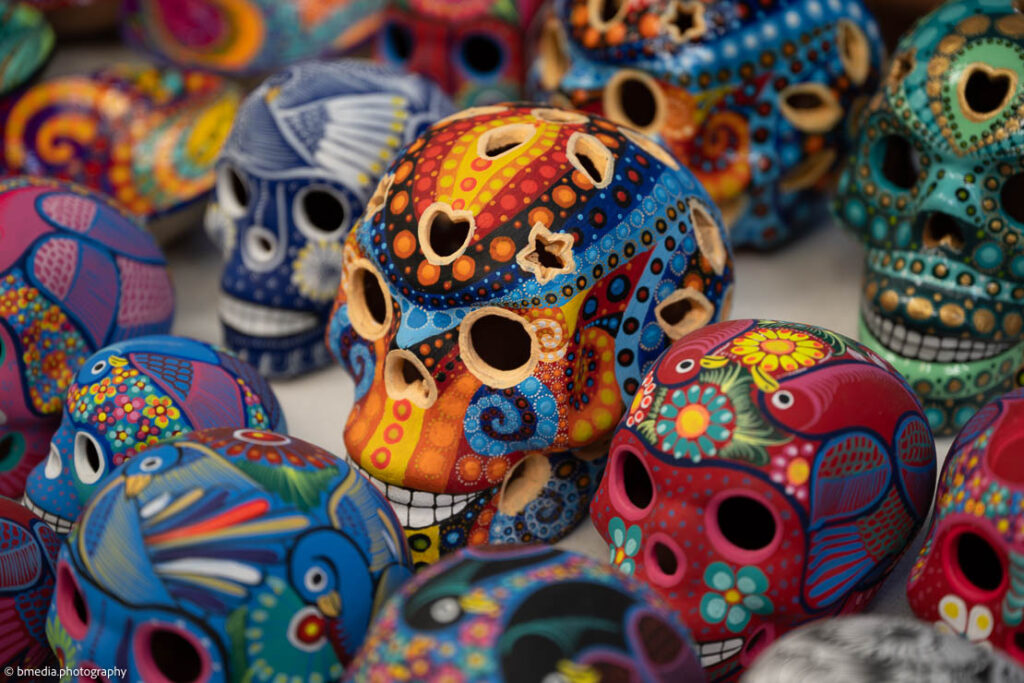
You will find very colourful handicraft and will probably be surprised at the number of stalls selling decorative skulls and skeletons figurines for the celebration of the Day of the Dead holiday on 2 November.
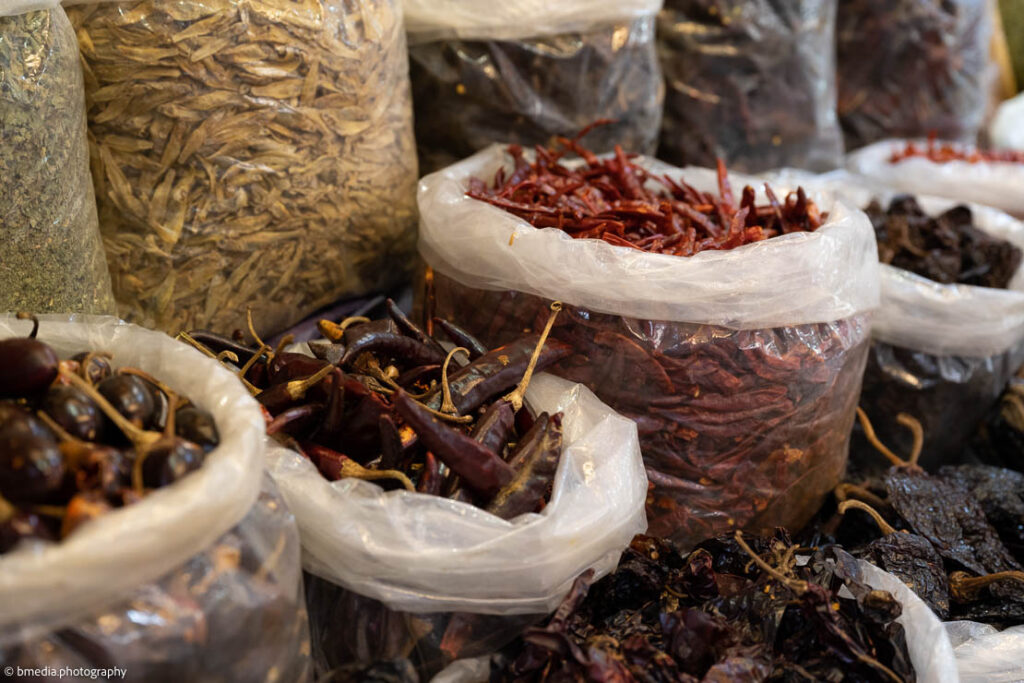
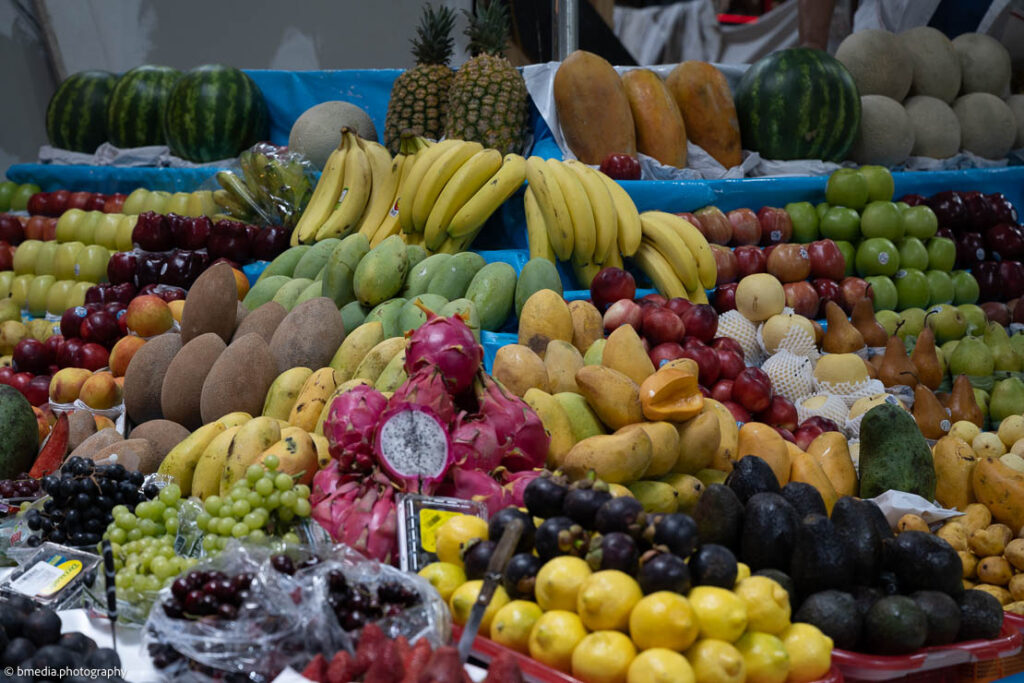
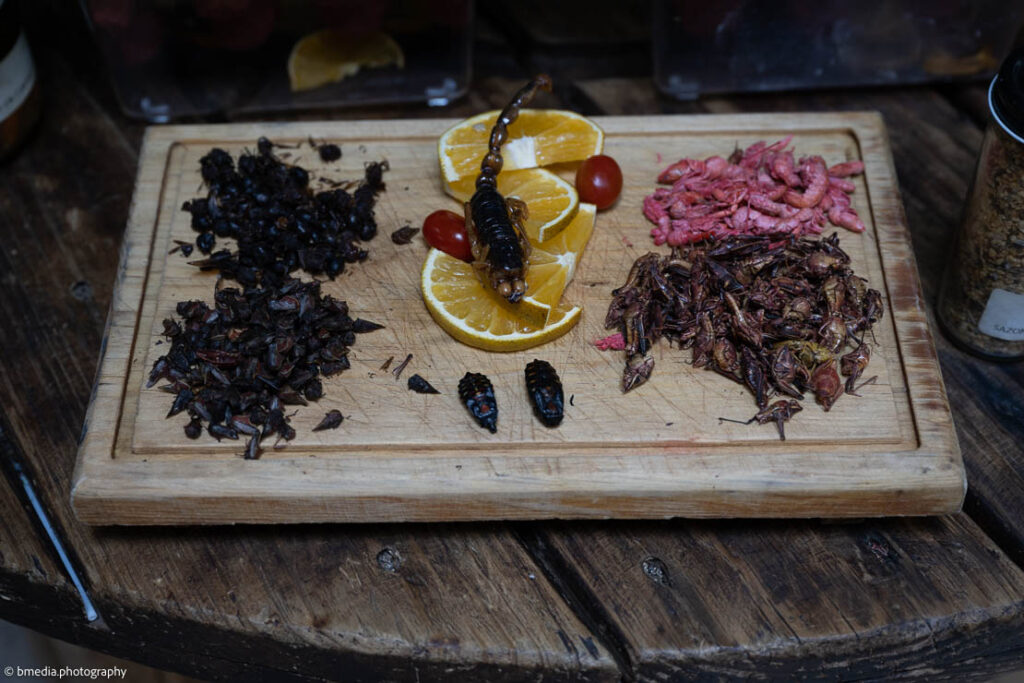
After visiting the artisan market, we made our way to a traditional food market. Mercado de San Juan is not too far away from La Ciudadela, but you can also catch a cab to go the larger Mercado de la Merced. There you can find all kinds of exotic fruits and vegetables as well as fish and meat. You will also find less common snacks like chapulines (grasshoppers) and scorpions.
On the Tuesday we headed to Playa del Carmen on the Yucatan peninsula for a week of sun, beach and sea as well as to visit other archeological sites like Tulum and Chichén Itzá. You can find more information about that part of the trip on my next post.
When we returned from Playa del Carmen, we had planned to visit the Basilica de Guadaloupe and the archeological site of Teotihuacán. There are several tour providers who will take you to Teotihuacán as well as stop at the Basilica. Although you can travel on your own hiring a car or caching a local bus, we chose to join a small group to visit both sites on the same day. We booked our tour on Get Your Guide
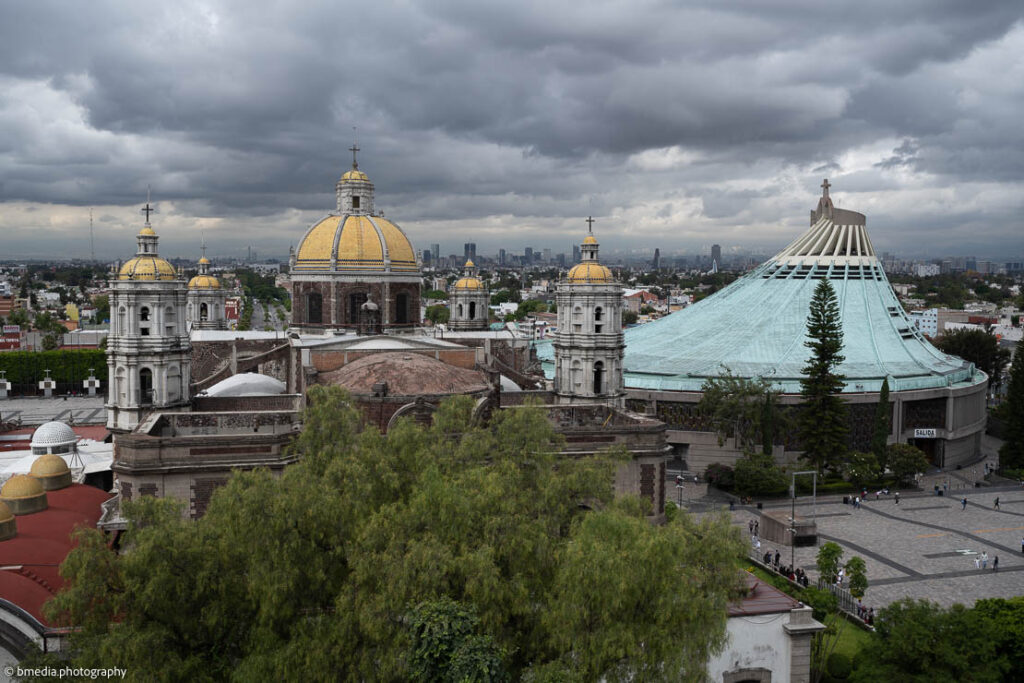
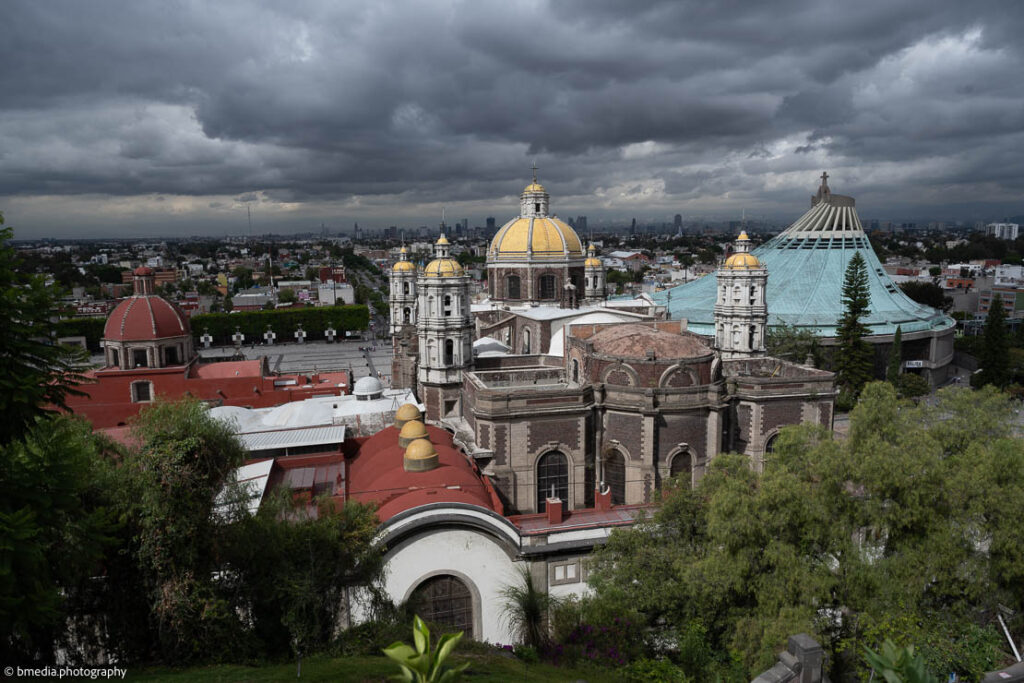
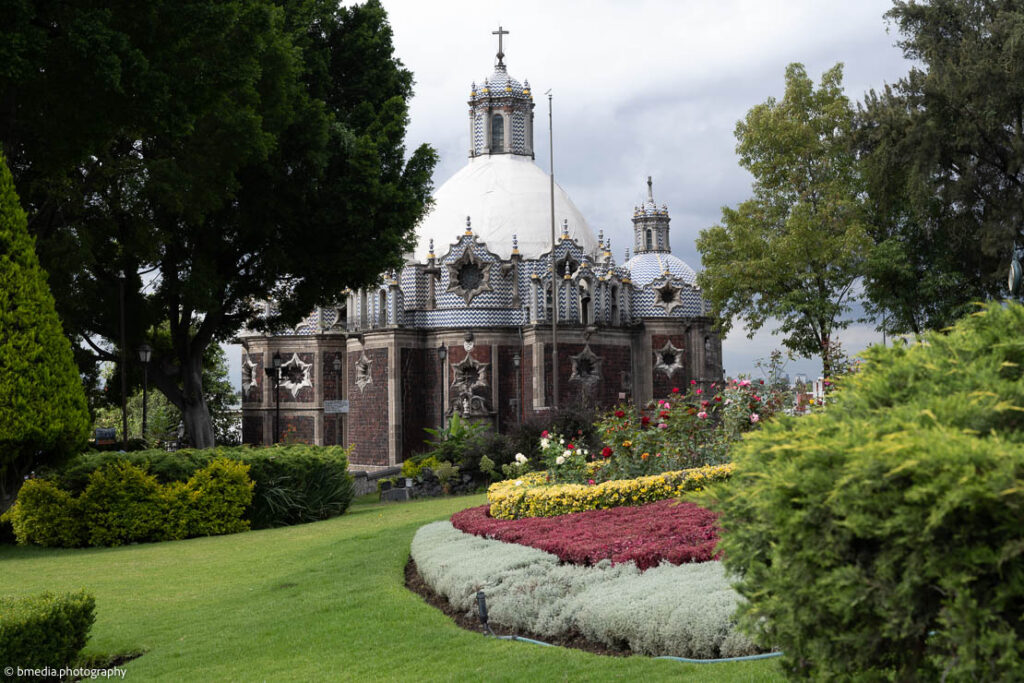
The Basilica of Our Lady of Guadalupe or La Villa de Guadalupe is a complex of churches in the North of Mexico City. The old basilica was finished in 1709. It was built near the hill where the Virgin Mary is believed to have appeared to Saint Juan Diego Cuauhtlatoatzin.
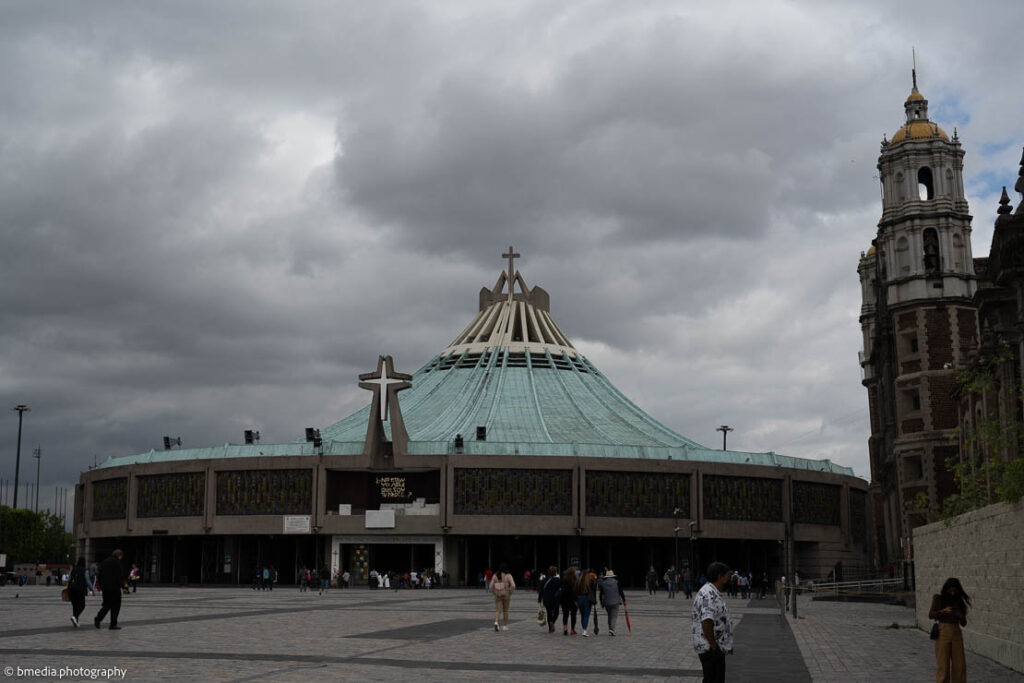
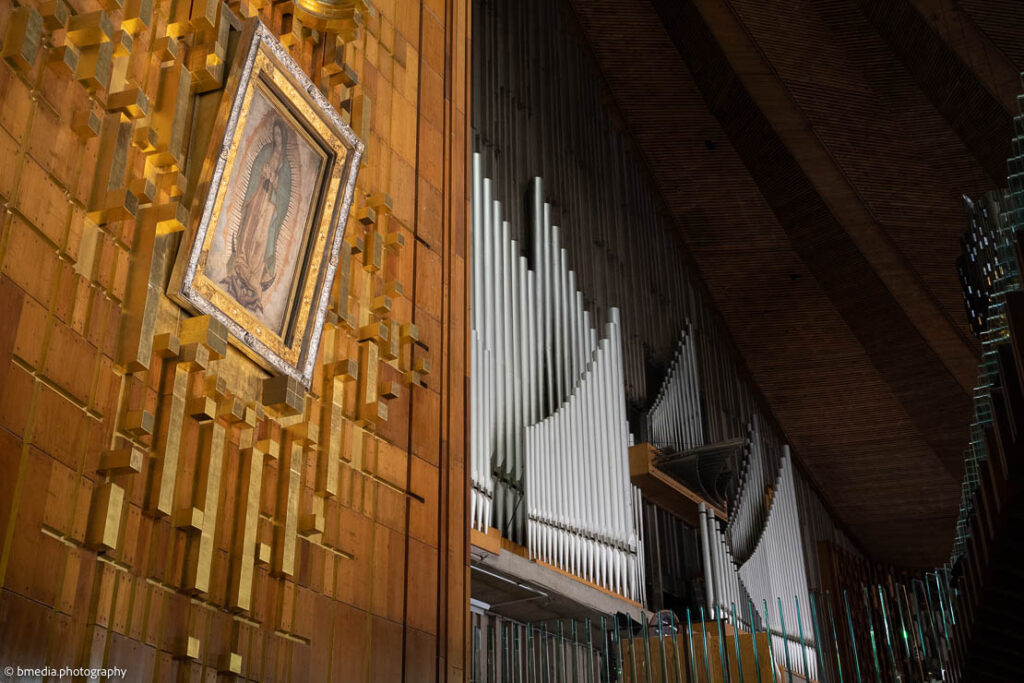
The modern basilica was constructed in the mid-seventies next to the old basilica when it became dangerous due to the sinking of its foundations. It hosts the icon of Juan Diego’s cloak. Visitors pass on a conveyor belt in front of the exhibited cloak.
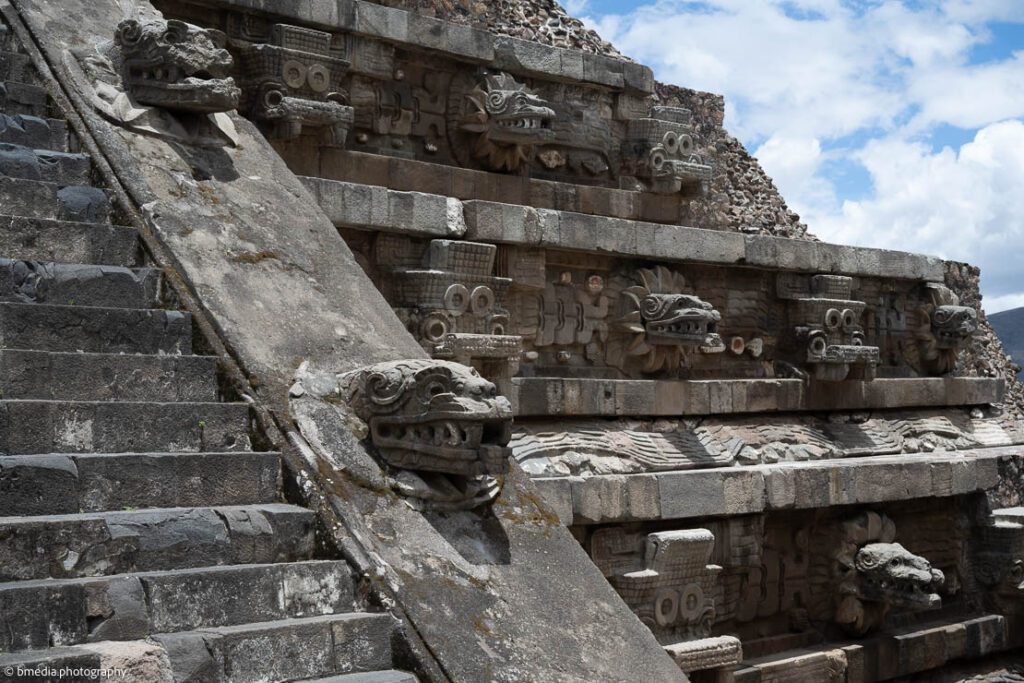
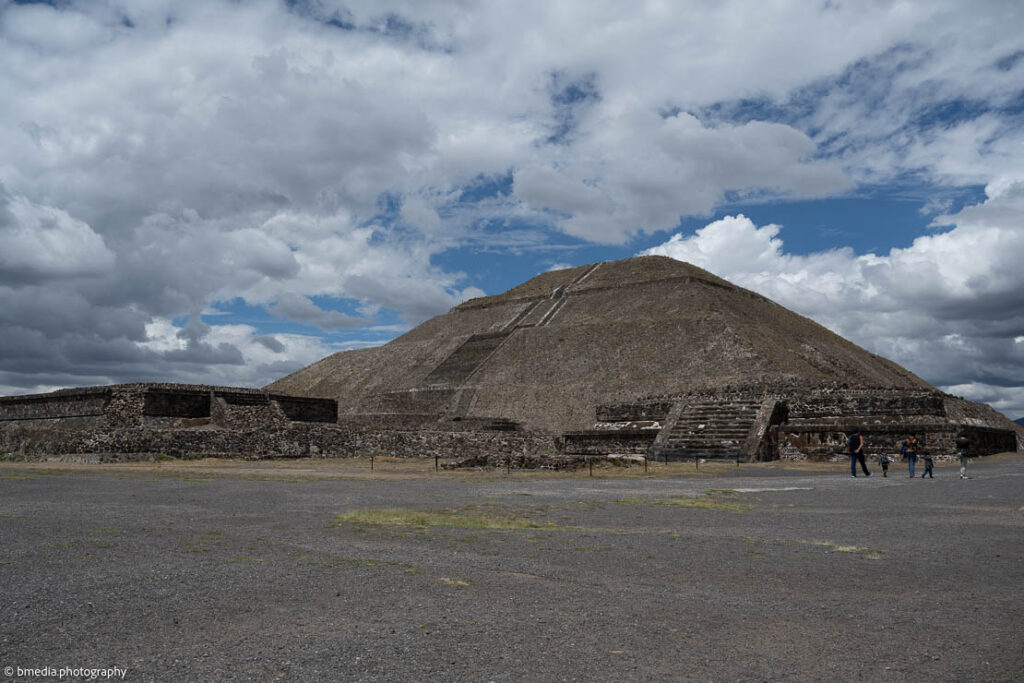
After visiting the Basilica de Guadalupe, we had for the archeological site of Teotihuacán. This pre-hispanic city is a UNESCO site situated around 50km north-east from Mexico City. On the way to Teotihuacán, you pass through very colourful suburbs from which wealthier families have settled.
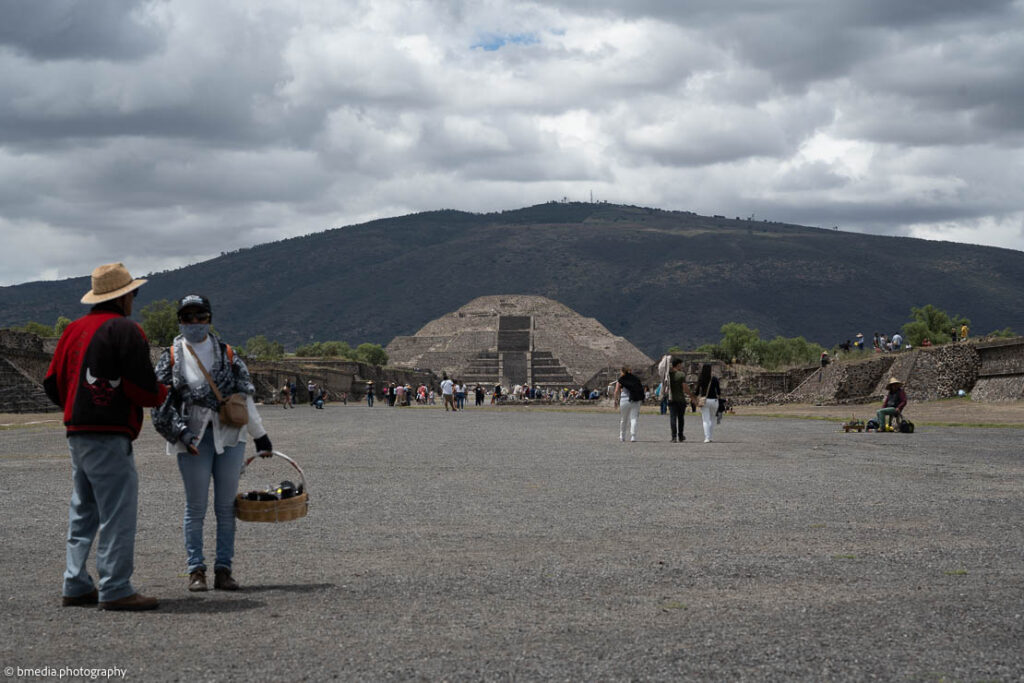
The site of Teotihuacán was inhabited before the Christian ear, but between the first and seventh centuries A.D. it became one of the largest cities in Latin America with around 25,000 inhabitants. Many of the building and temples have been reconstructed.
The main attraction of the site are the temples of the Sun and the Moon.
After visiting the archeological site of Teotihuacán, we return to Mexico City and stop by Tlatelolco, an ancient site with an Aztec ruin and a Church. We learn that the Spaniards used stones from the Aztec temples to build part of the church.