No products in the basket.
Sri Lanka’s wildlife, history and beaches define this stage of the journey in a way that feels raw, varied and deeply memorable. As you move south, the landscapes shift once again. Dry forests replace green hills, and the coastline begins to call. Each stop reveals a different side of the island, where nature, culture and coastal life come together.
Yala: Wildlife Encounters
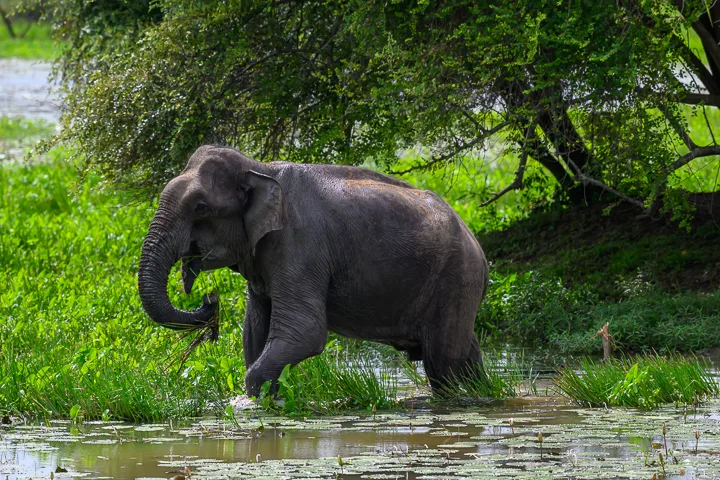
After a few days in Ella, continue towards the south coast for a safari in Yala National Park. The journey marks a clear change in landscape. Dry forests replace green hills, and the air feels warmer.
Yala is famous for its wildlife, especially leopards. In fact, it is said to have one of the highest leopard densities in Sri Lanka. Therefore, expectations often run high. To improve our chances, we booked a full-day safari with Yala Tiger Safari through the GetYourGuide app.
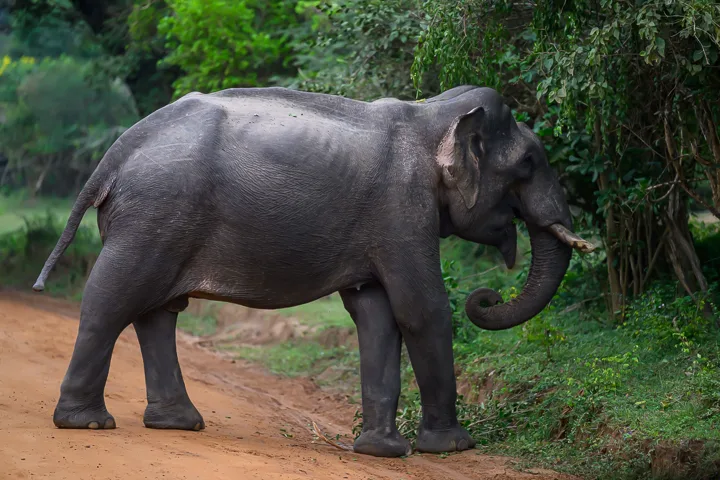
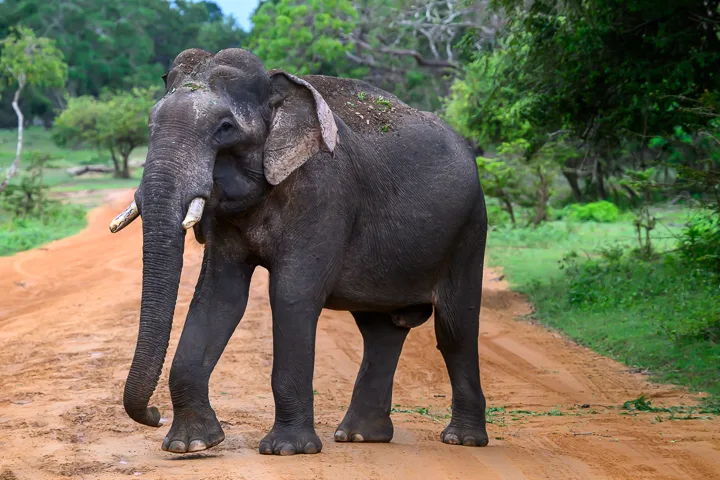
Surprise: Wild Elephant
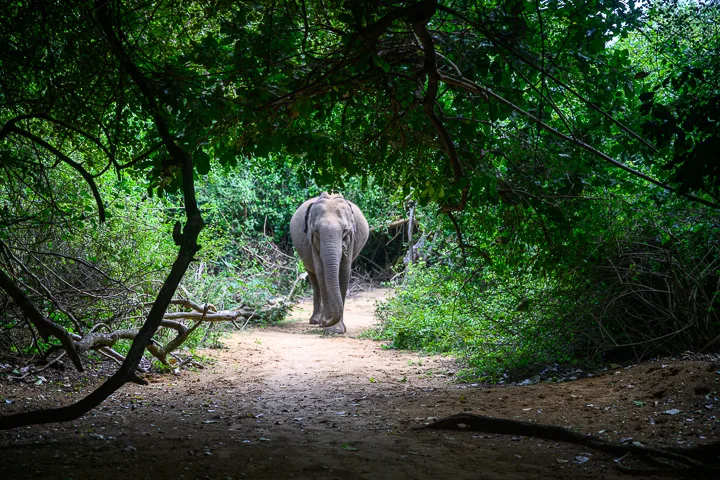
On the night of our arrival, we were surprised by a wild elephant walking along the beach path. Sightings outside the Yala National Park are apparently very common.
Our day started early, with a 5:20am pickup from Jetwing Yala. Staying close to the park makes a real difference. Safari jeeps usually carry up to six people, and most whole day tours include breakfast and lunch. However, the number of vehicles may surprise you. At the park entrance, long lines of jeeps form before sunrise. Tourism drives the local economy, and many families rely on safari income.
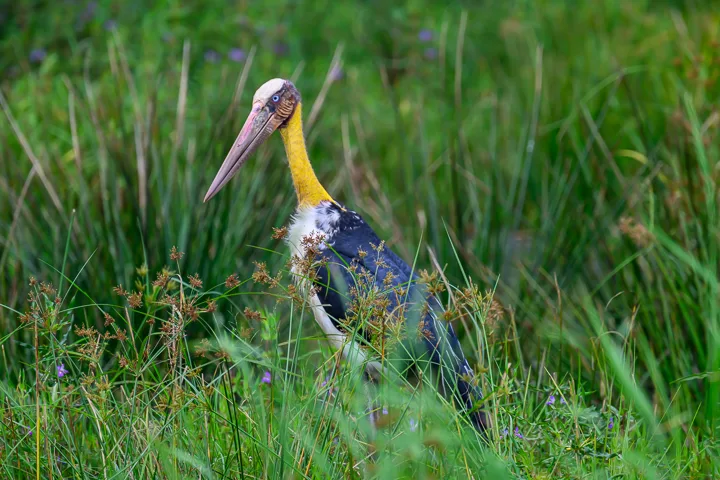
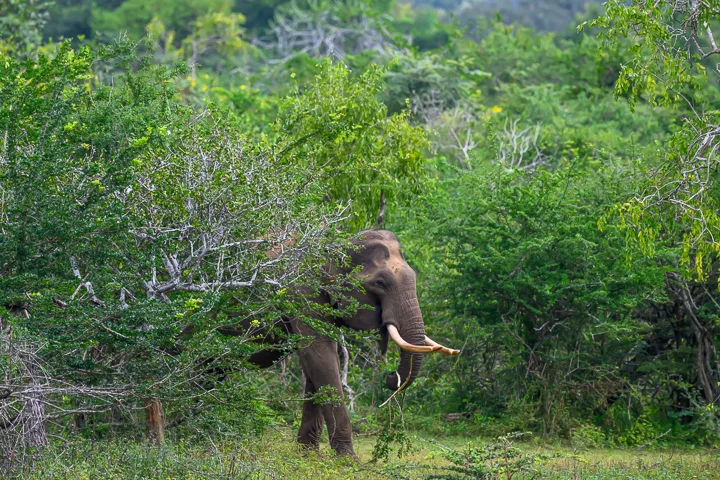
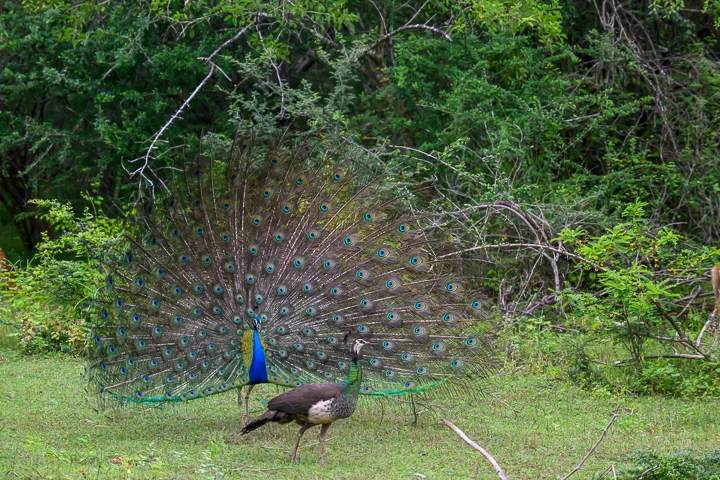
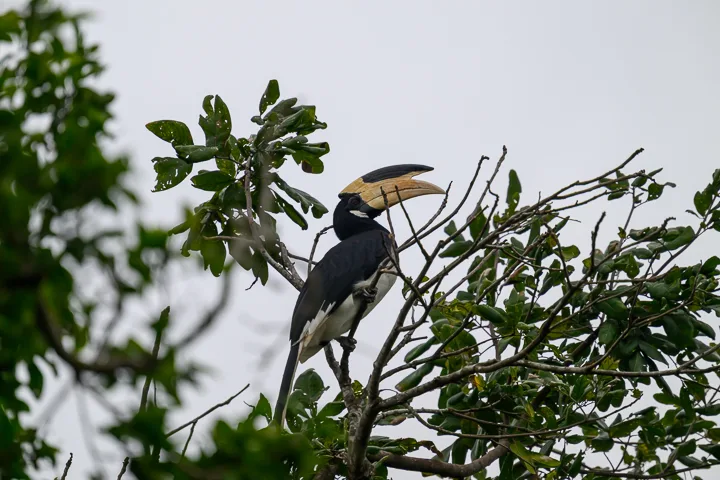
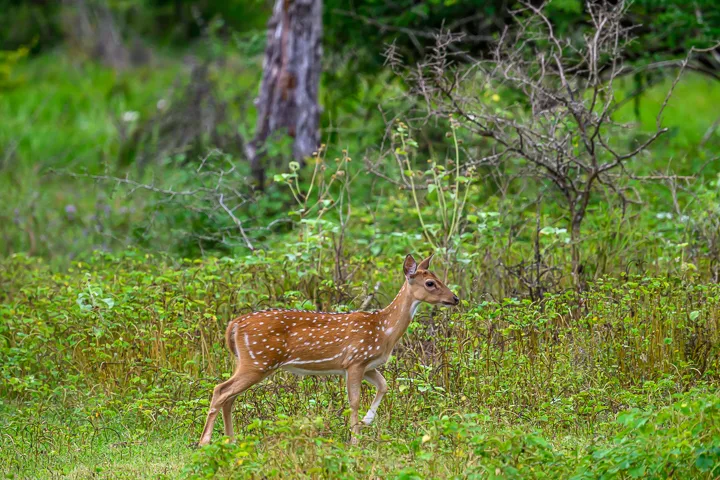
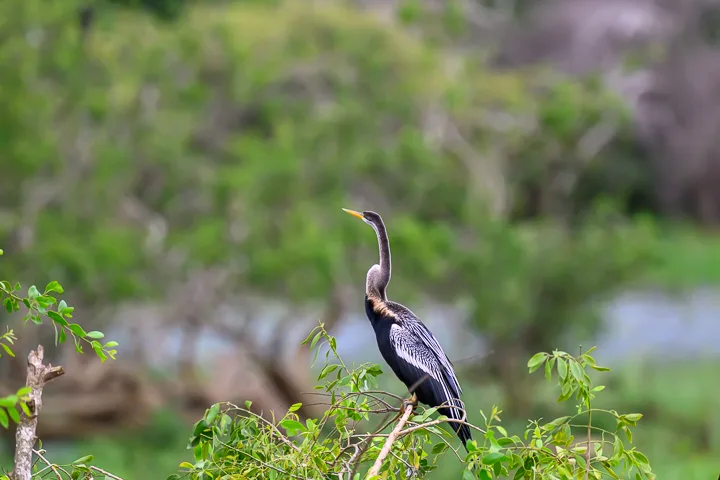
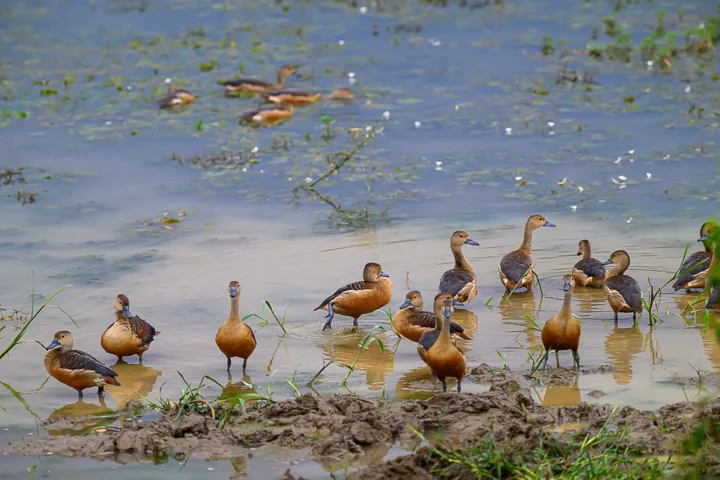
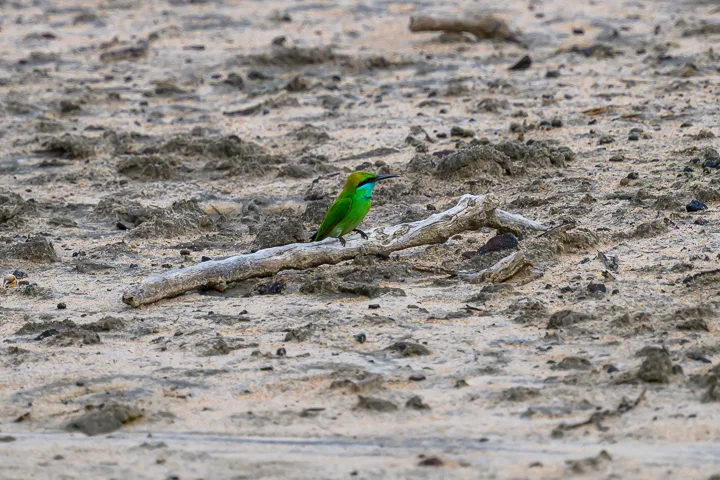
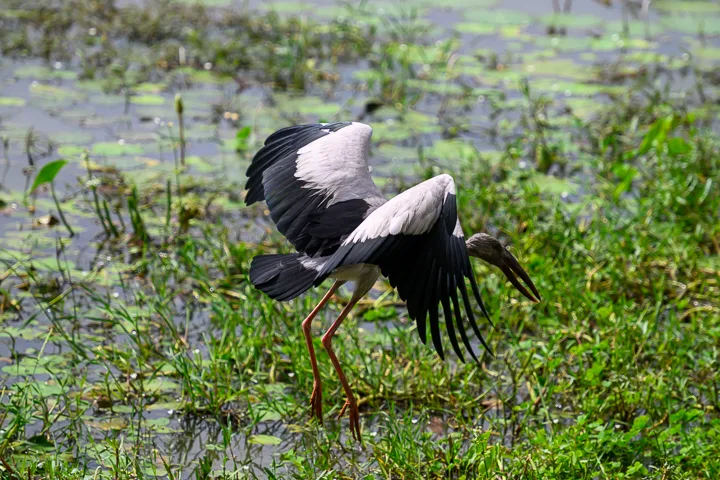
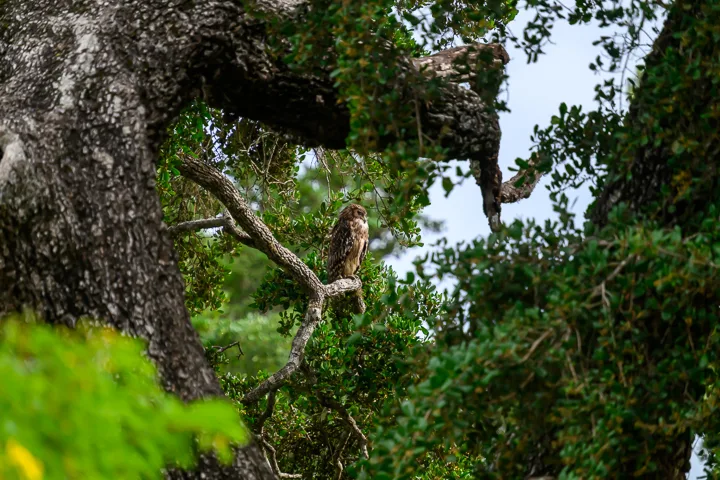
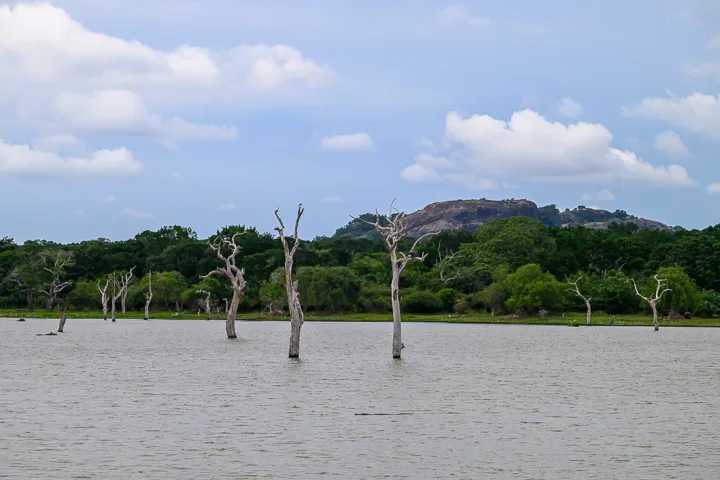
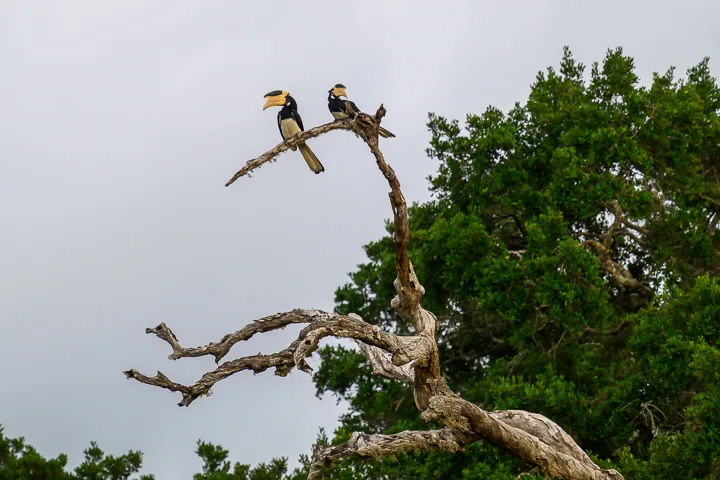
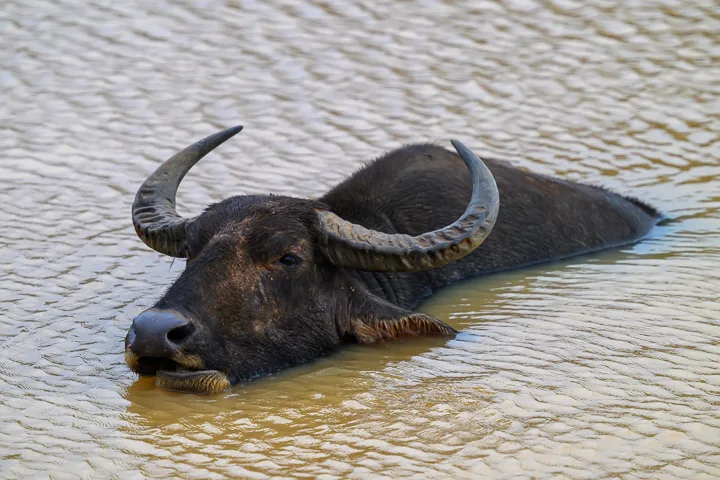
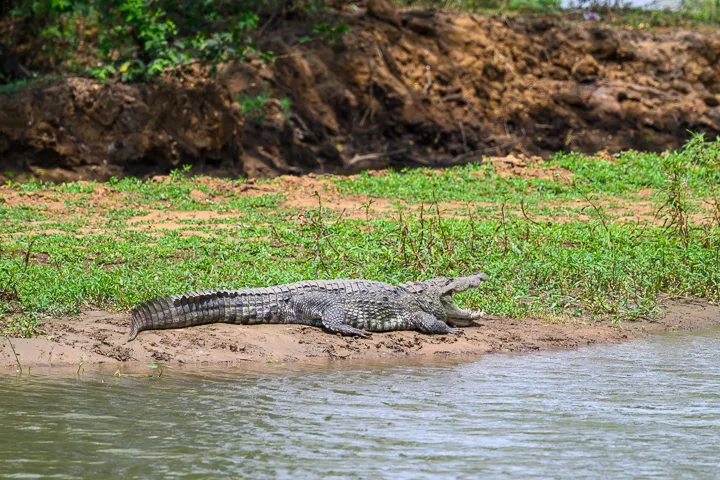
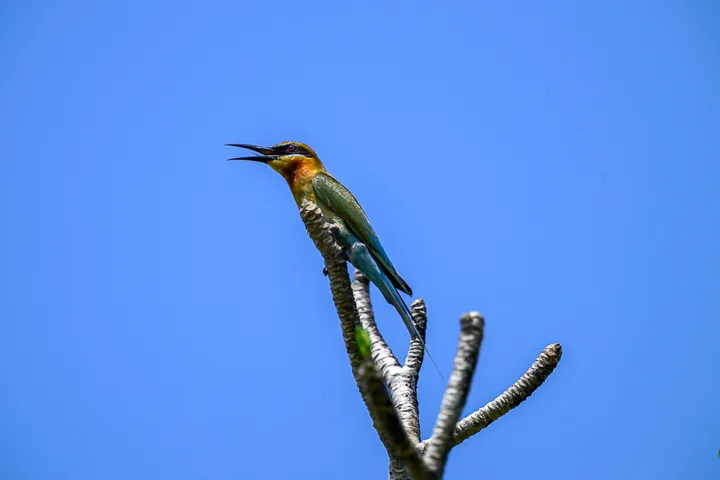
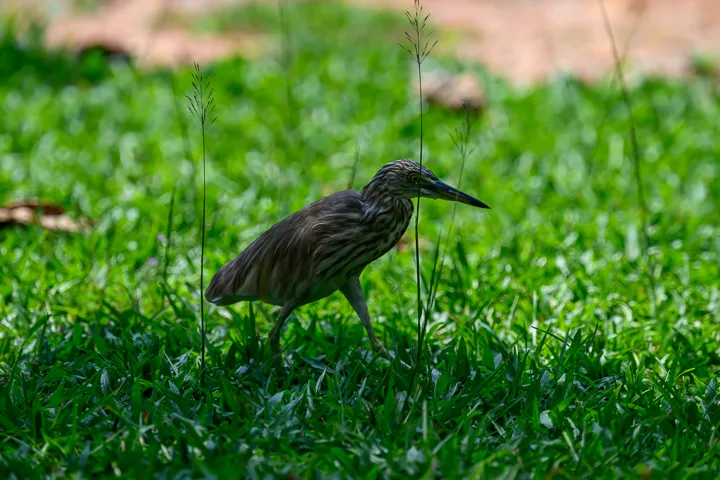
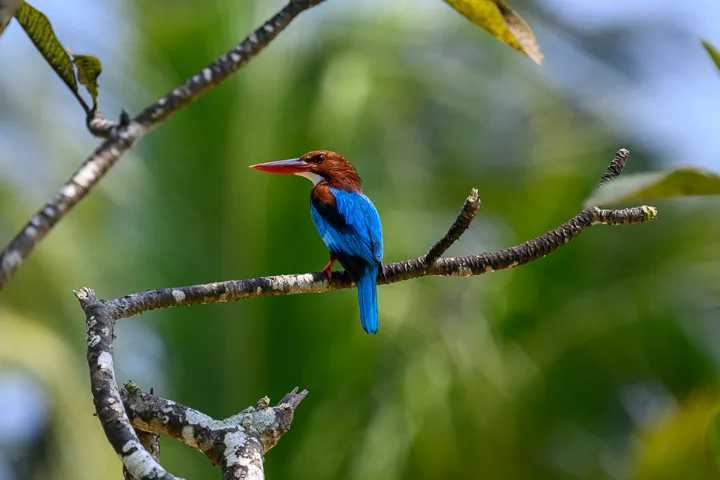
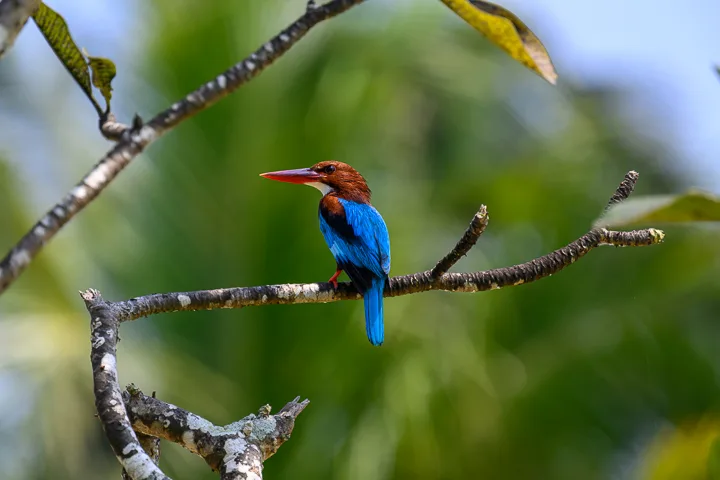
Although the wait can feel long, the reward comes quickly. As the gates open, the landscape reveals itself in soft morning light. The scenery feels vast and untamed. Early sightings often include buffalo and, if you are lucky, elephants crossing the road. Birdlife is rich and varied. You will likely see peacocks, storks, kingfishers and parrots. In addition, crocodiles rest near water sources.
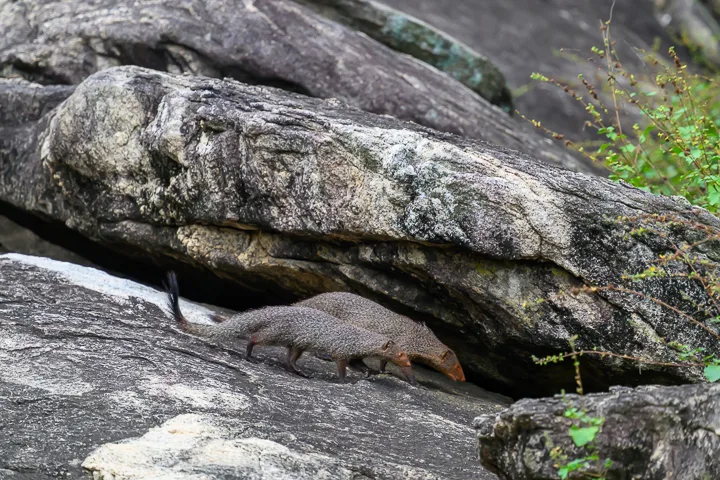
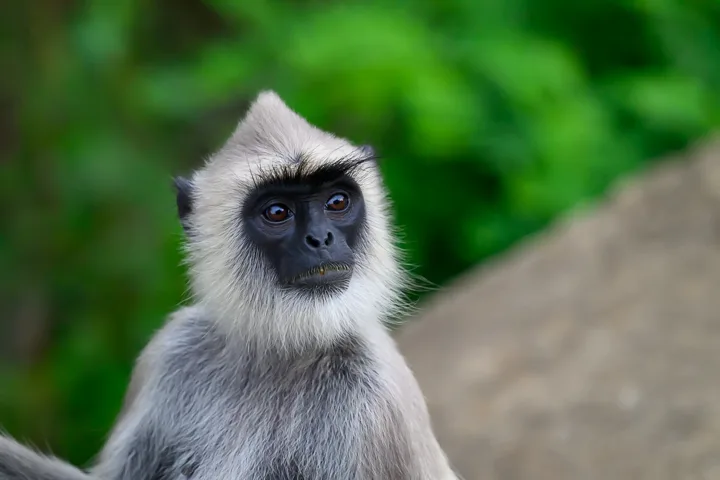
Sri Lanka's wildlife in one day
Spending a full day in a jeep can feel tiring. Therefore, consider splitting your visit into two shorter safaris. A morning and an afternoon trip often provide a better balance. Some tours include both a driver and a guide, while others offer only a driver. We had both, which added depth to the experience. They shared insights, pointed out wildlife and explained the park’s ecosystem.
Drivers stay in contact with each other throughout the day. As a result, news of major sightings spreads quickly. However, this can lead to crowds. When a leopard or elephant appears, many jeeps gather in one place. At times, the behaviour of some drivers feels rushed or noisy, even unsafe.
I believe that Yala offers a very different experience from African safaris. You will not see wide open plains filled with animals. Instead, the park feels denser, and wildlife sightings require patience. You are bound to see more jeeps than large animals. Nevertheless, the experience remains worthwhile. Here, Sri Lanka’s wildlife, history and beaches feel closely linked, as the safari blends nature with the island’s wider story.
Sri Lanka's wildlife: One lucky day
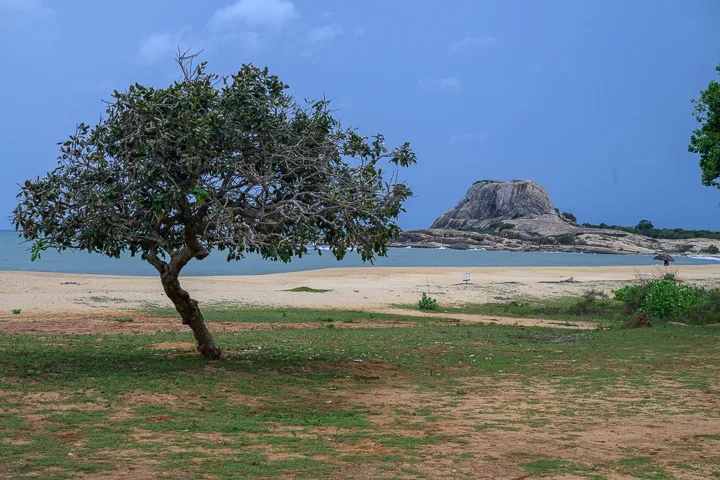
If you book a full-day safari, you will stop for lunch by the beach. Between midday and 2pm, all vehicles must leave the park roads and gather in a lunch spot on the coast. This break provides time to rest and enjoy the coastal setting.
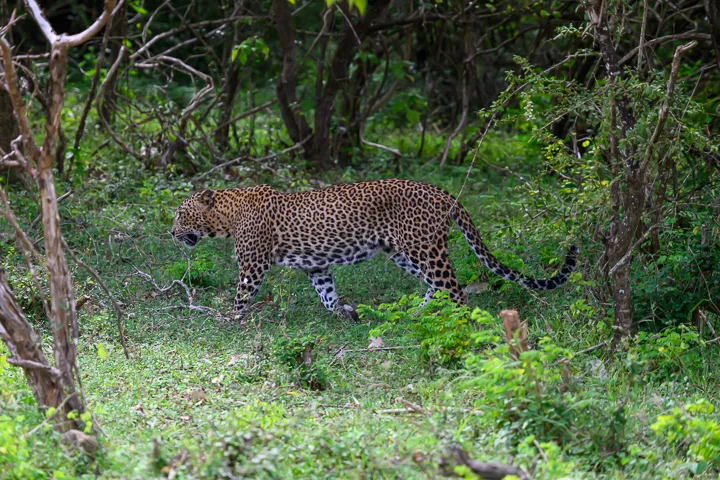
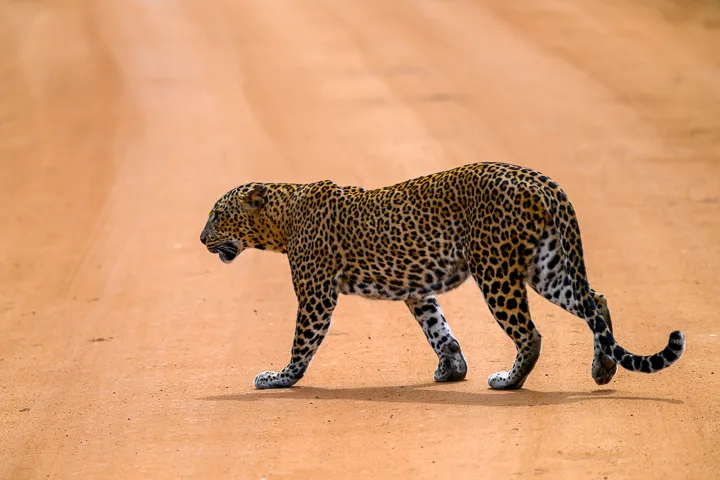
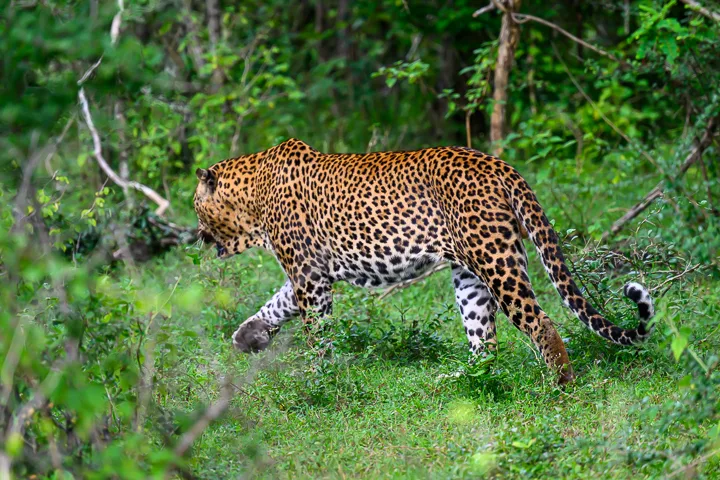
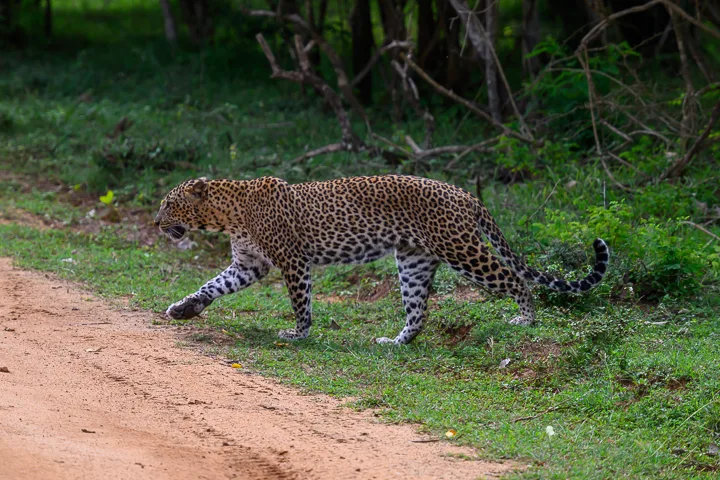
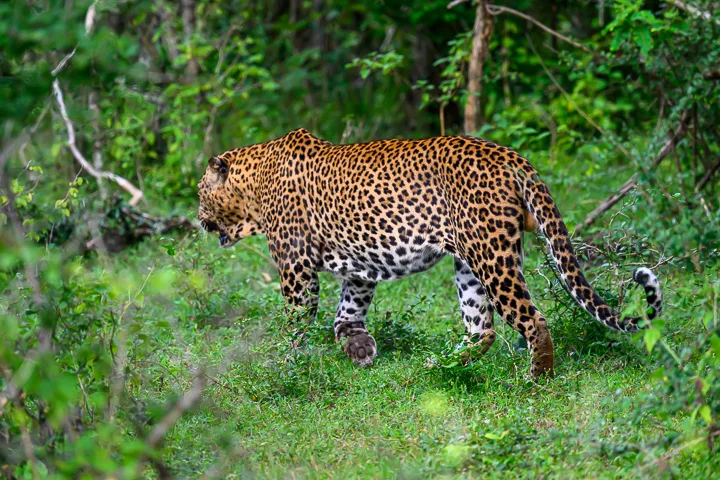
If luck is on your side, you will see a leopard. We were fortunate to spot two shortly after lunch. The moment felt rare and unforgettable. It truly made our day.
Yala centres entirely around the national park. Therefore, two days in the area usually feel sufficient.
Tangalle: Time to Slow Down
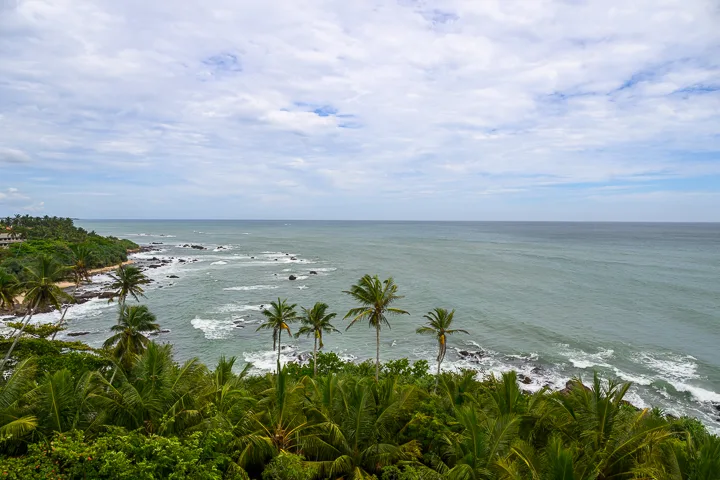
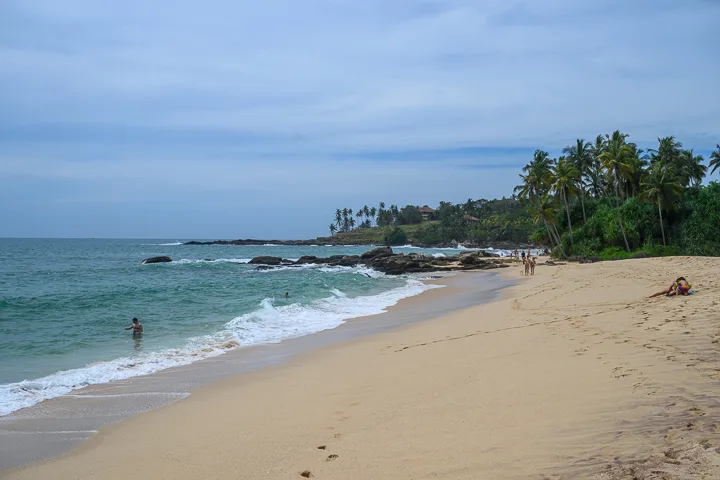
After your visit to Yala, continue west along the coast to Tangalle. The drive feels relaxed and scenic. Soon, the Indian Ocean comes into view. In contrast to the north, Tangalle feels more developed for tourism. However, it still keeps a laid-back coastal charm.
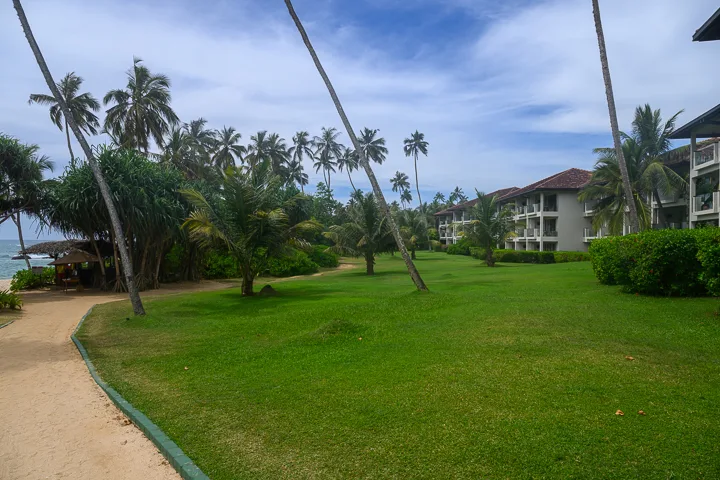
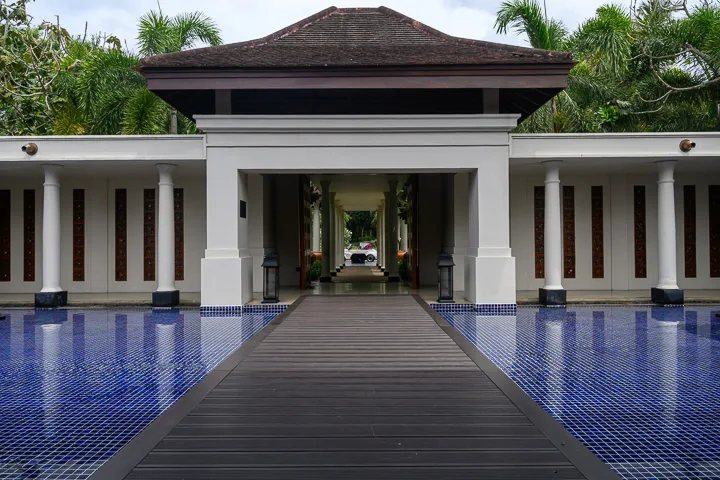
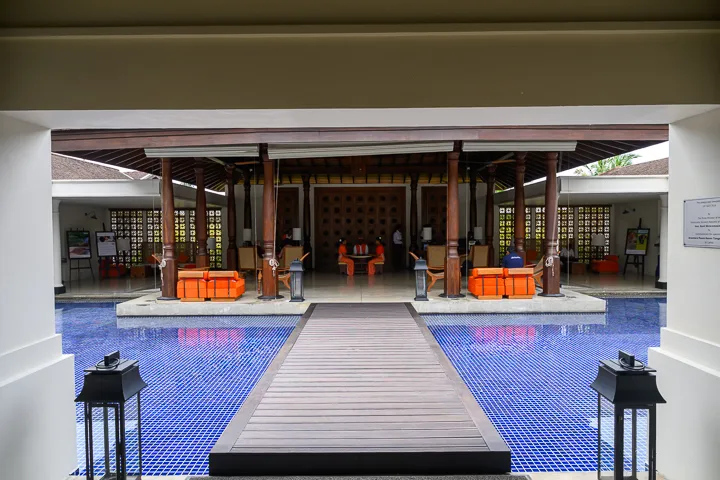
We stayed at Anantara Peace Haven Resort, which sits directly on the beach. The setting feels calm and refined. Therefore, it makes an ideal place to unwind after busy travel days. Waking up to the sound of waves feels like a true escape.
Interesting sites around Tangalle
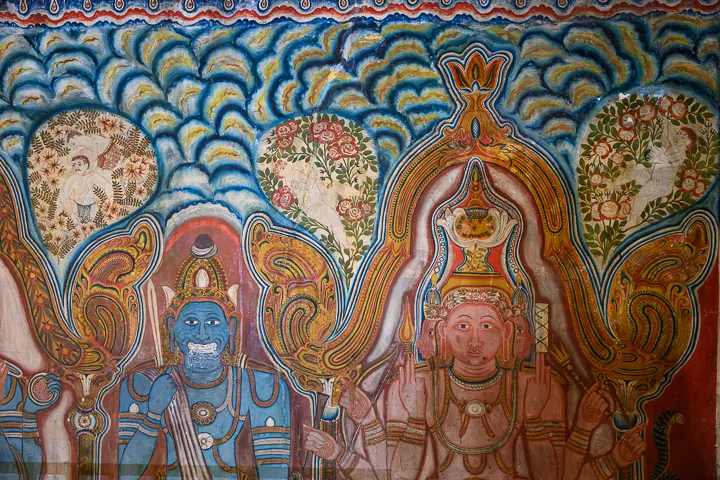
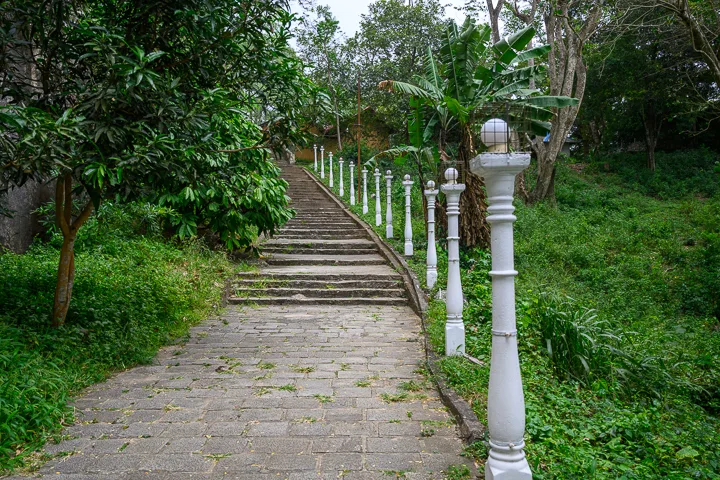
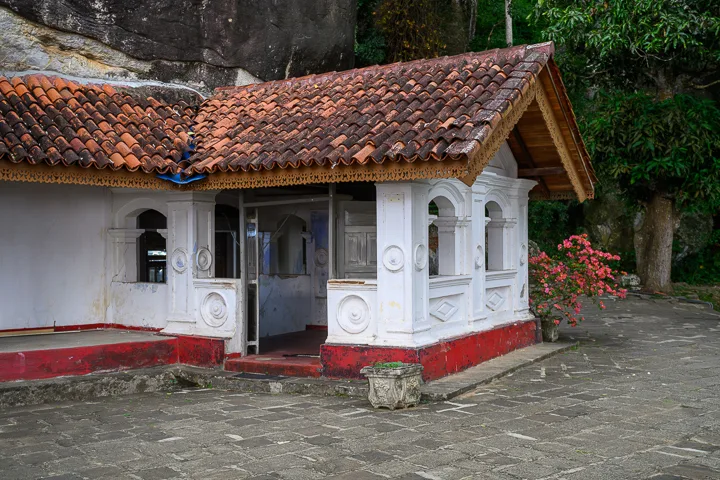
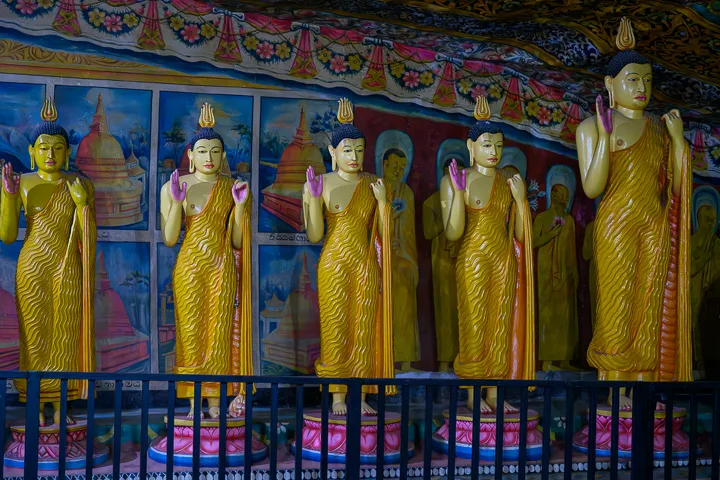
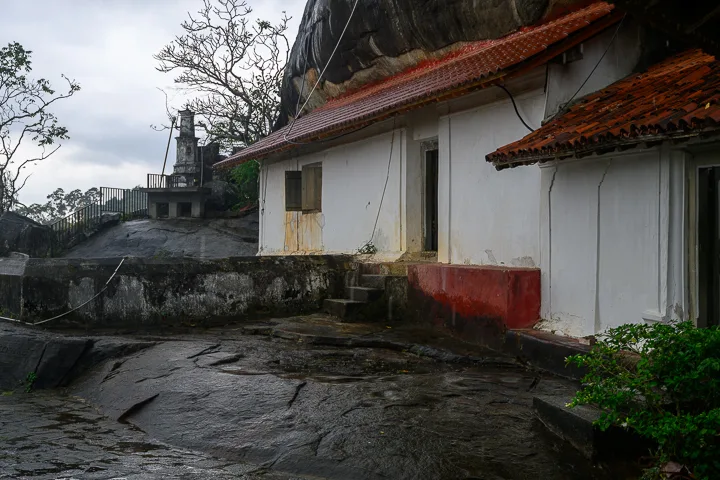
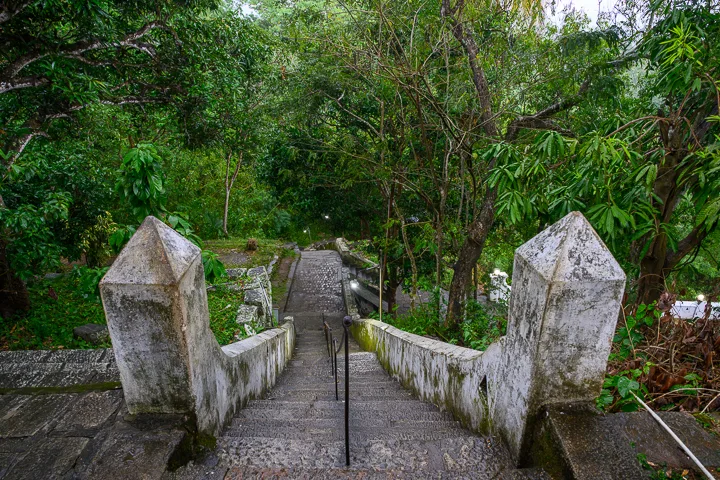
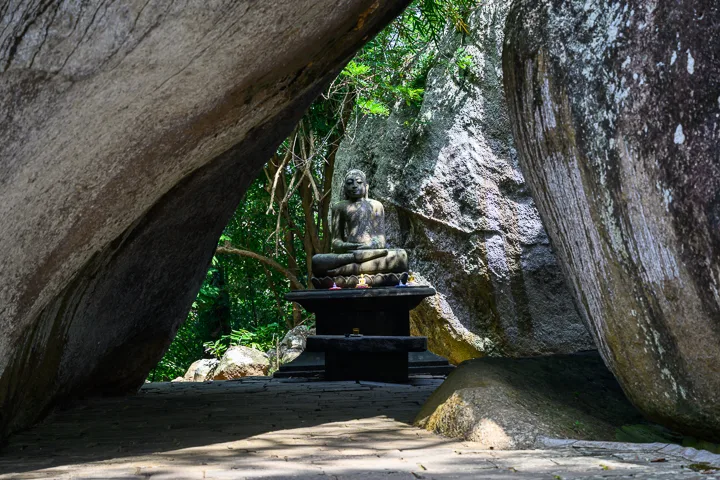
Although relaxation comes easily here, a few nearby sights deserve your time. First, visit the Mulgirigala Rock Temple. The climb involves many steps, yet the reward feels worthwhile. At the top, you will find wall frescoes and Buddha statues, like those in Dambulla. However, timing matters. Go early in the morning or later in the afternoon to avoid the heat. In addition, an afternoon visit offers the chance to enjoy sunset views. We were unlucky and got to the top just as it started pouring.
Next, head to the Blow Hole, a natural rock formation shaped by the sea. Waves crash through a narrow opening and shoot water high into the air. The sight feels dramatic and powerful. Therefore, it is well worth a stop.
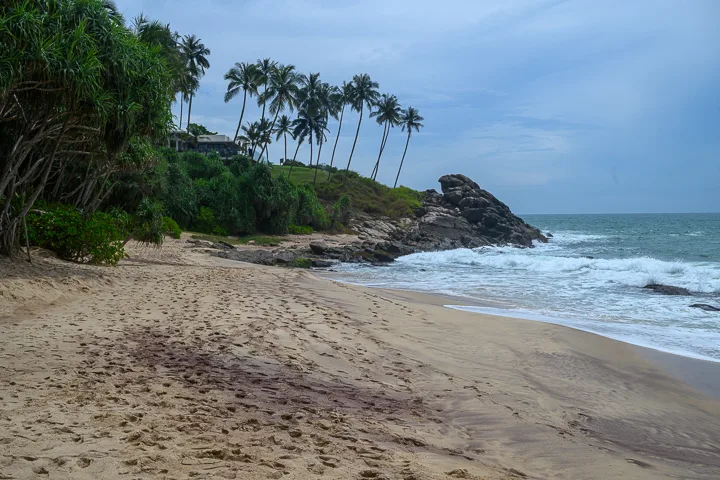
After sightseeing, spend time relaxing on the beach. The long stretches of sand invite slow walks and quiet moments. Moreover, this is the perfect place to recover after early safari starts.
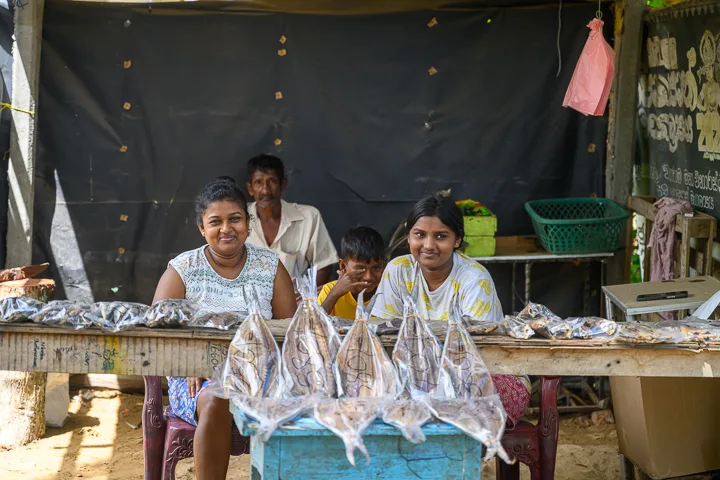
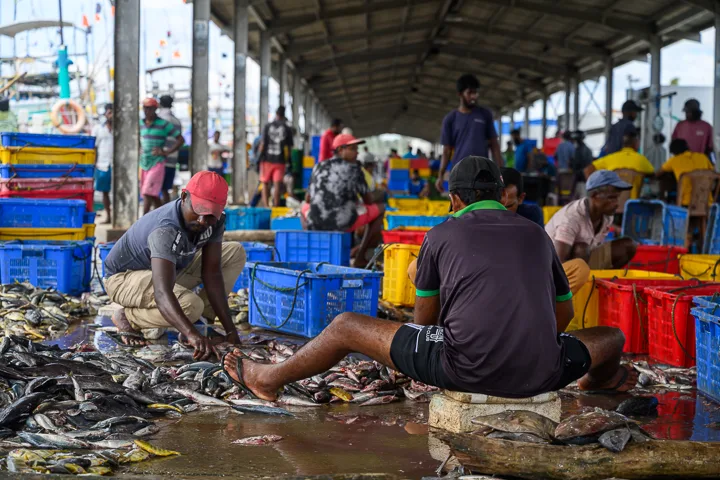
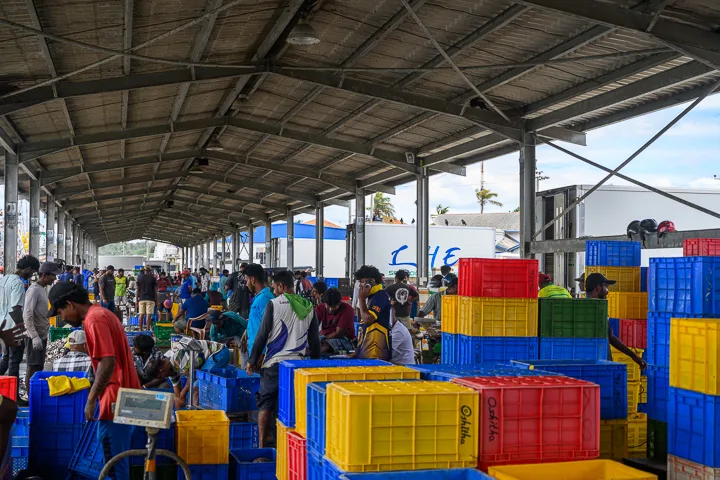
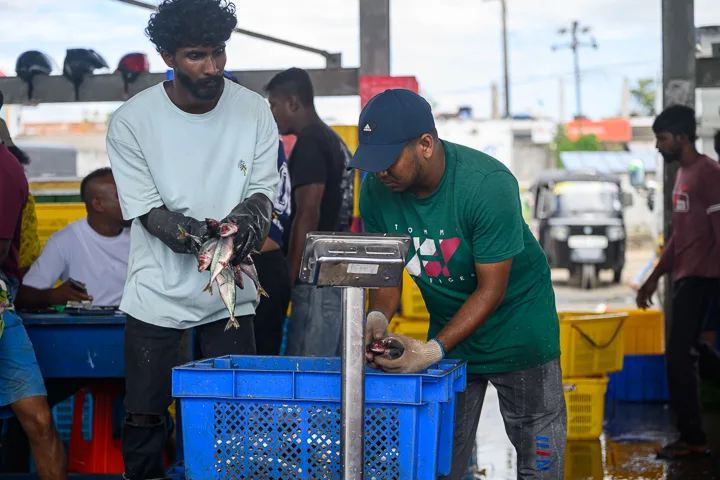
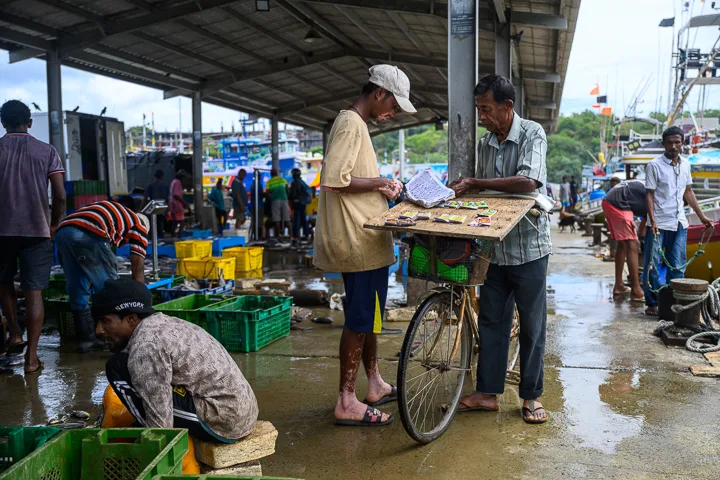
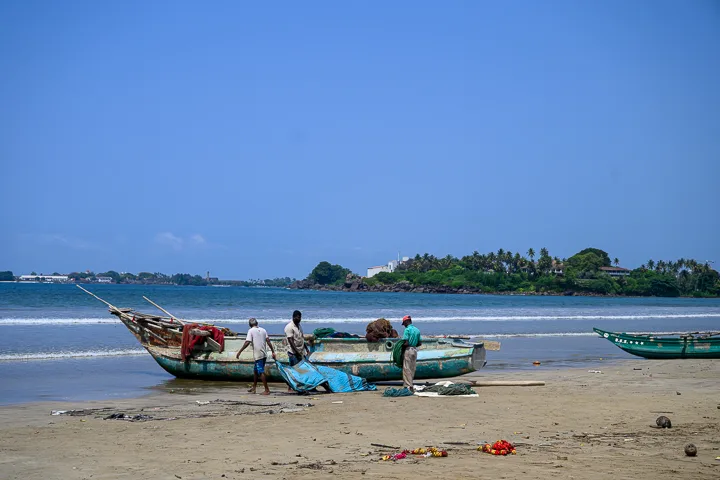
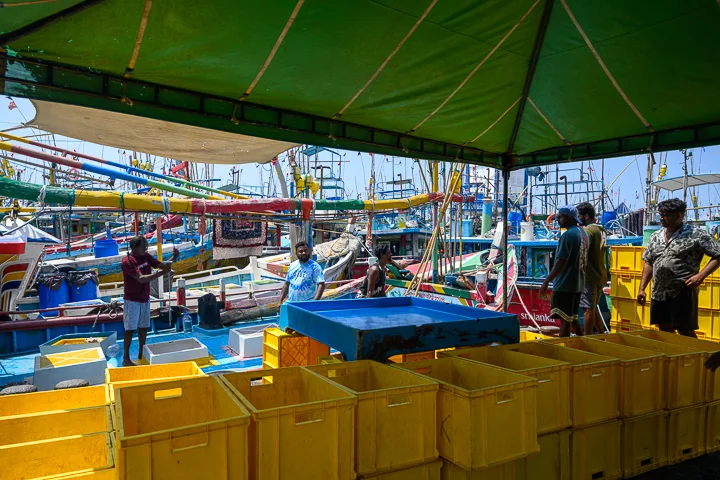
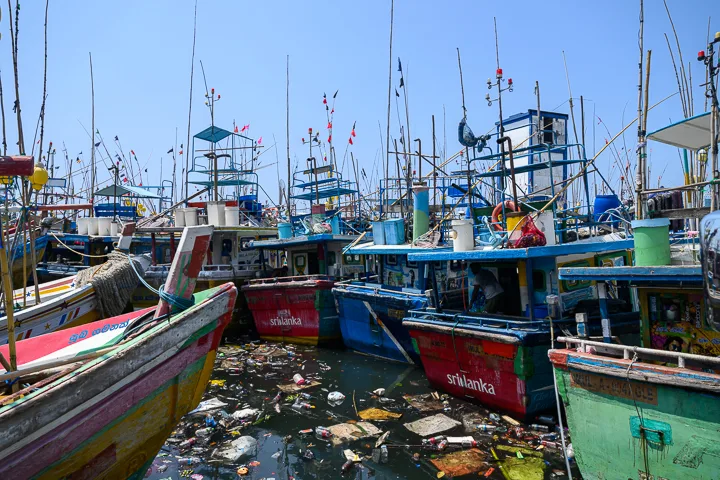
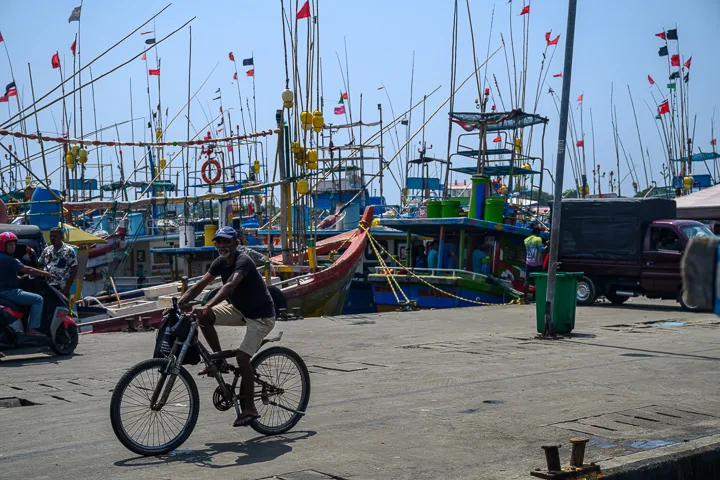
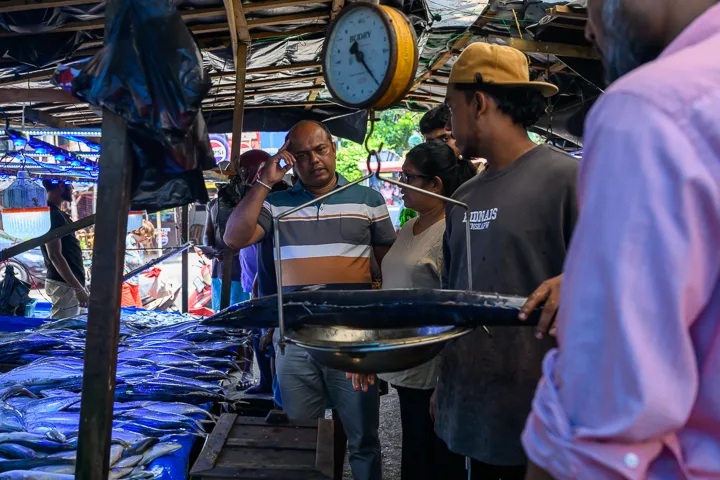
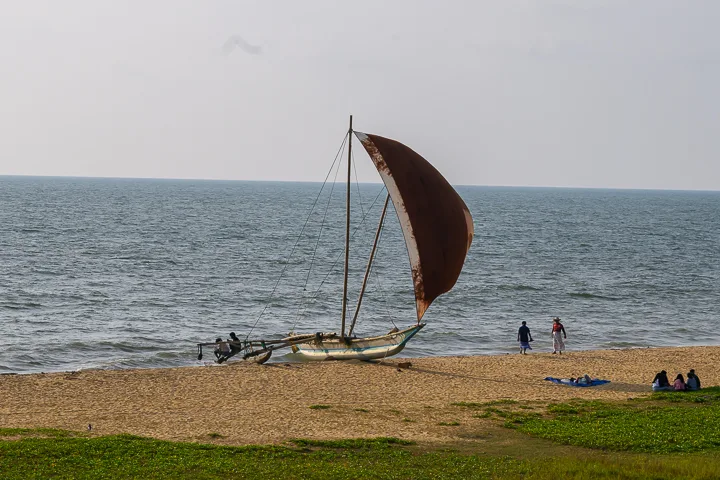
If you enjoy local life, visit the fishing port. On the way back from the Blow Hole, stop to watch fishermen bring in their catch. The scene feels lively and authentic.
Finally, try small family-run restaurants such as Restaurant Lokka or Salvin’s. They serve fresh seafood and flavourful Sri Lankan dishes in a warm setting.
Galle: Colonial Charm
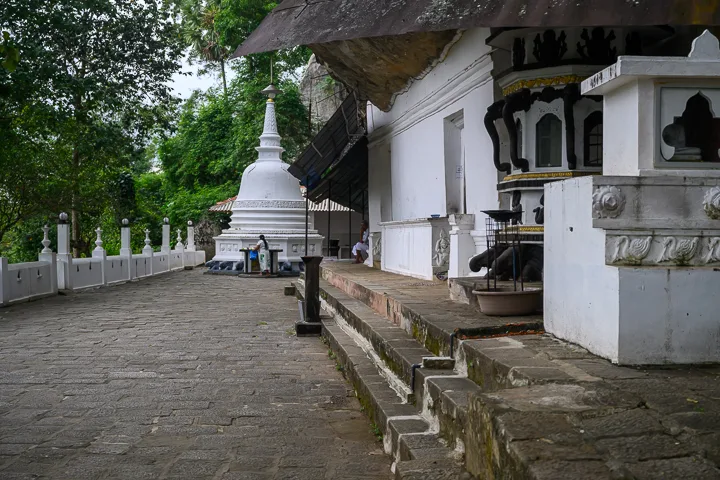
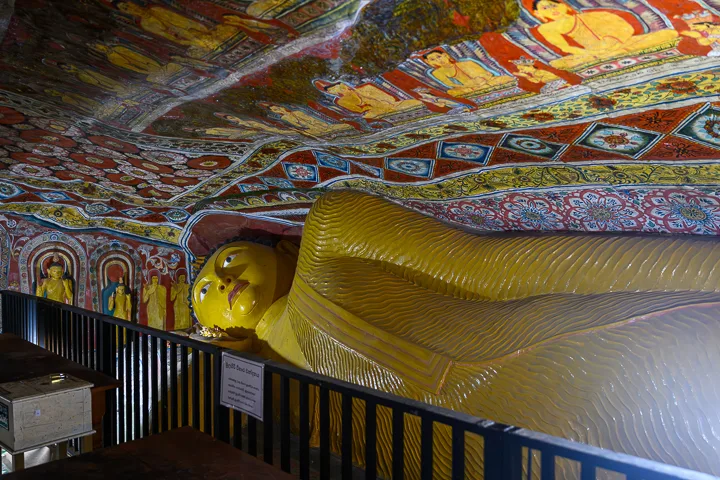
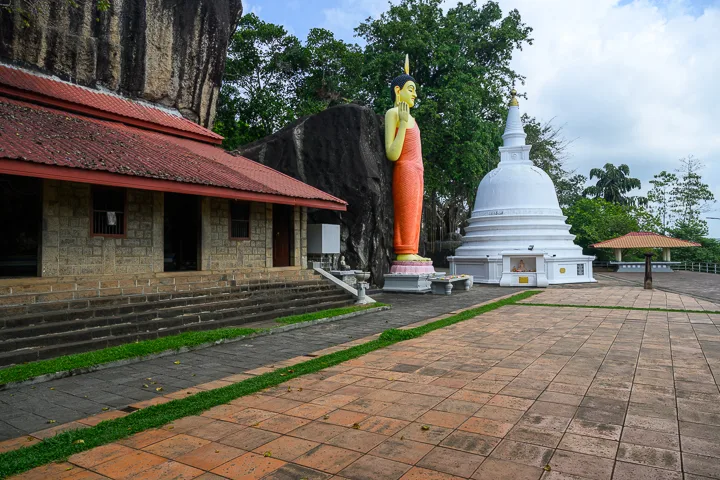
After a few relaxing days in Tangalle, continue your journey towards Galle. The coastal drive feels easy and scenic. However, make a worthwhile stop at Yatagala Raja Maha Viharaya. The temple sits quietly among rocks and greenery. Its towering Buddha statue creates a striking first impression. In addition, the cave temple feels calm and well preserved. Therefore, it offers a peaceful contrast to busier sites.
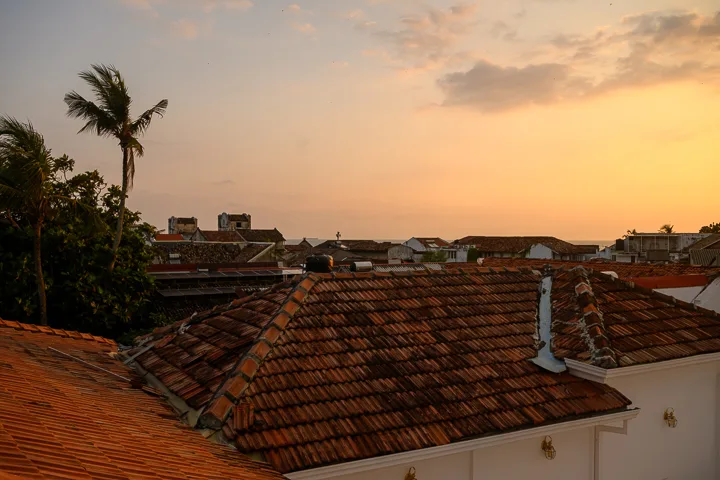
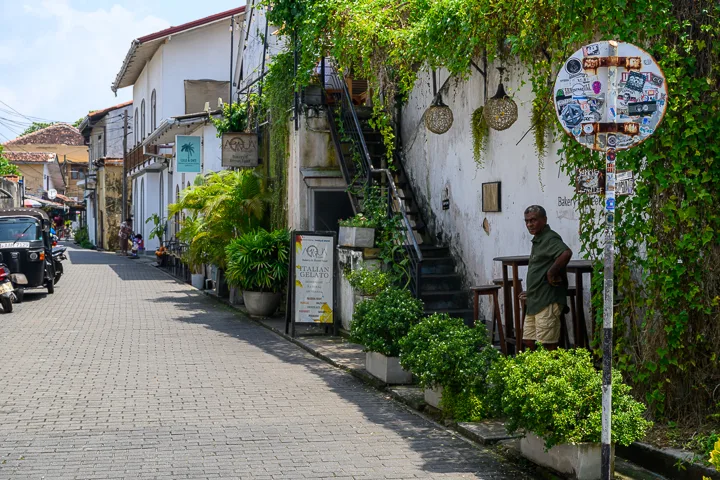
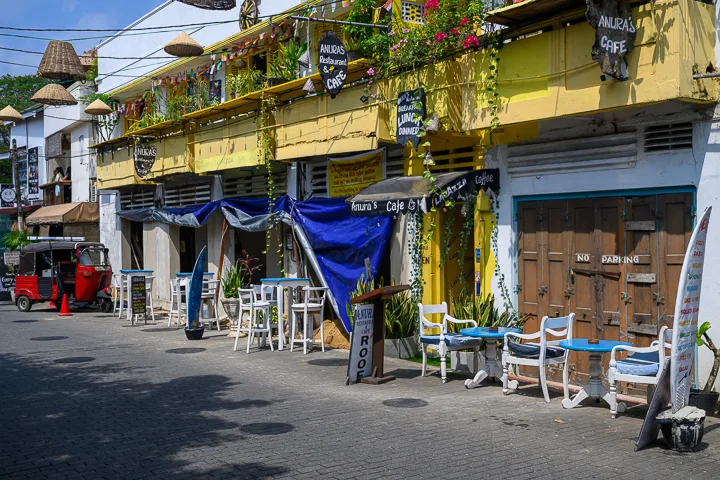
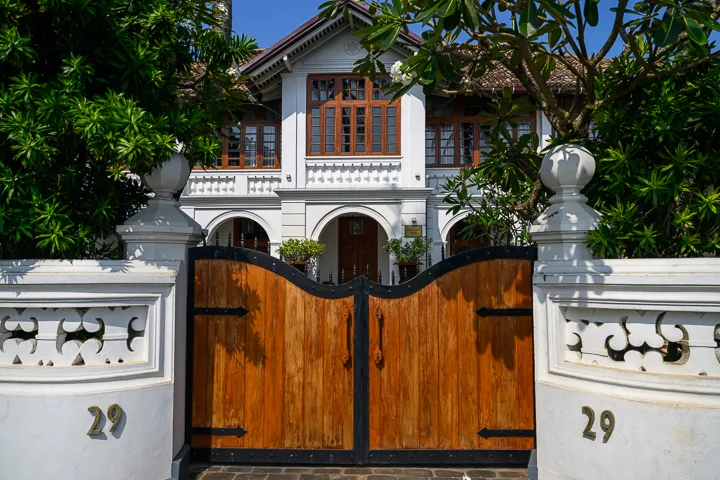
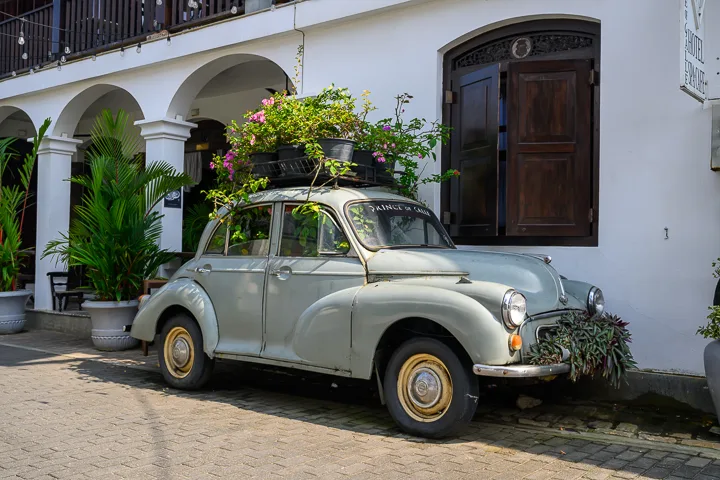
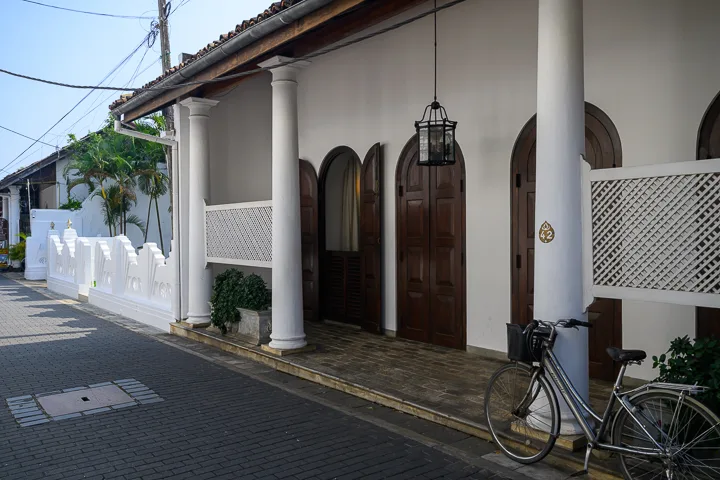
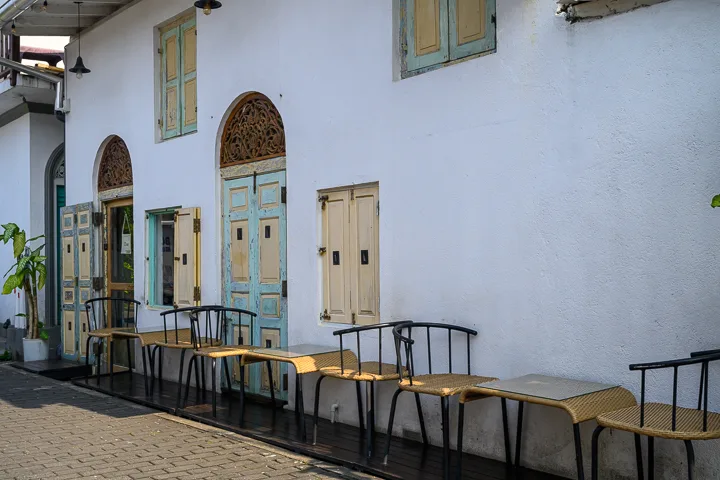
Once in Galle, you will notice a shift in atmosphere. The town feels lively and polished. We stayed at 42 Lighthouse Street, a restored spice merchant villa with just four rooms. The setting feels intimate and full of character. Moreover, Galle offers many boutique hotels, restaurants and small shops.
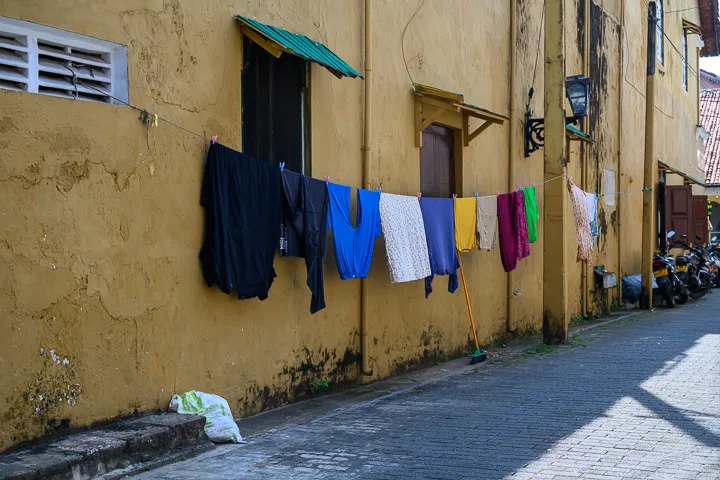
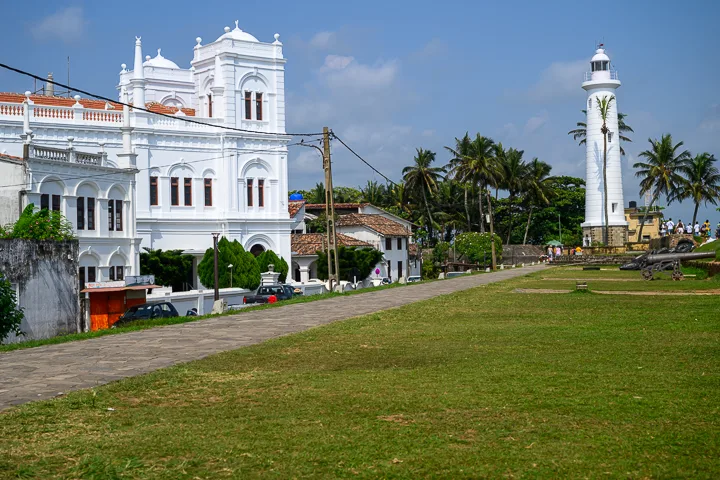
As a UNESCO-listed town, Galle attracts many visitors. However, it still holds the charm of a European seaside town. Therefore, exploring on foot feels both easy and enjoyable. Start your walk early in the morning to avoid the heat and humidity.
A self-guided tour of Galle
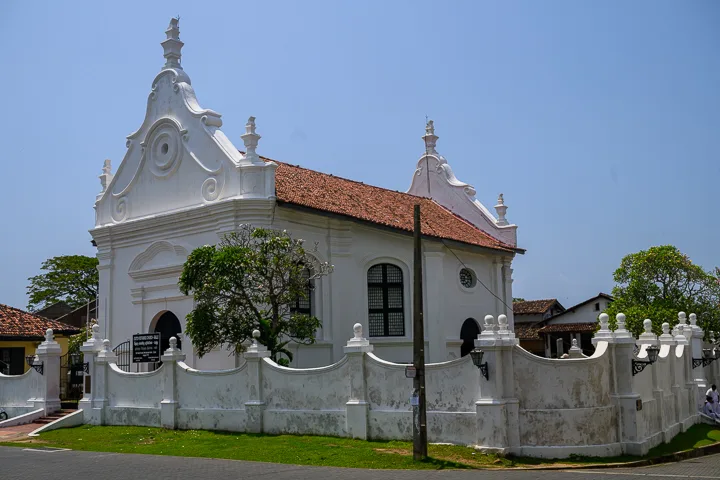
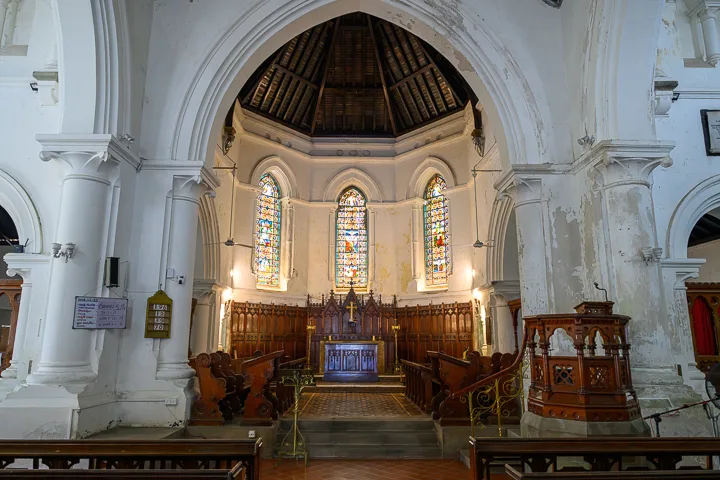
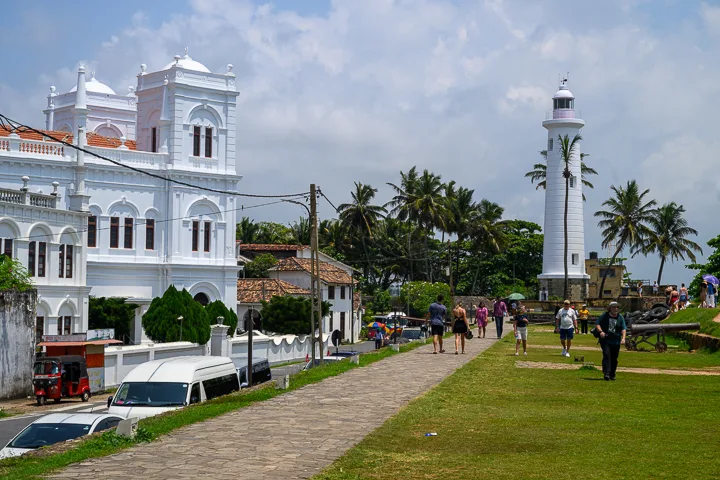
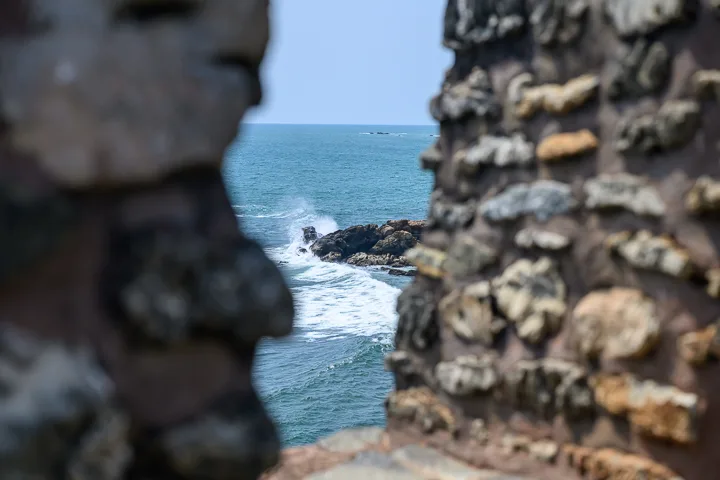
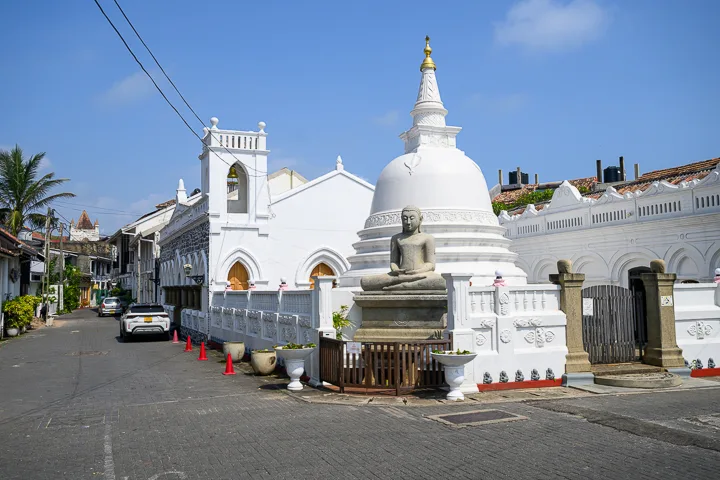
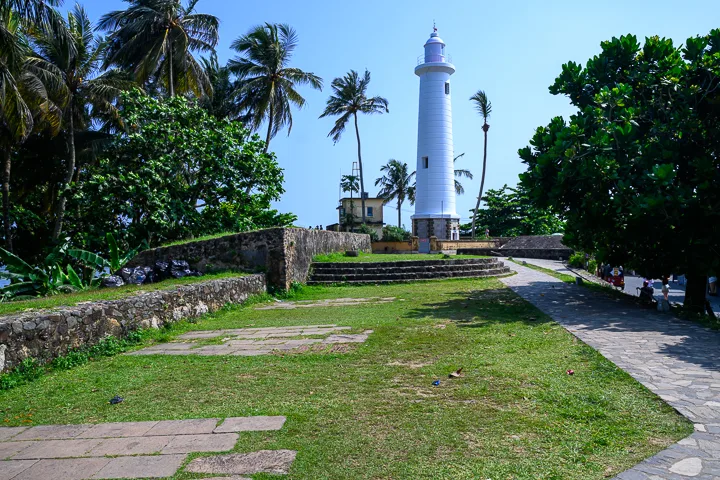
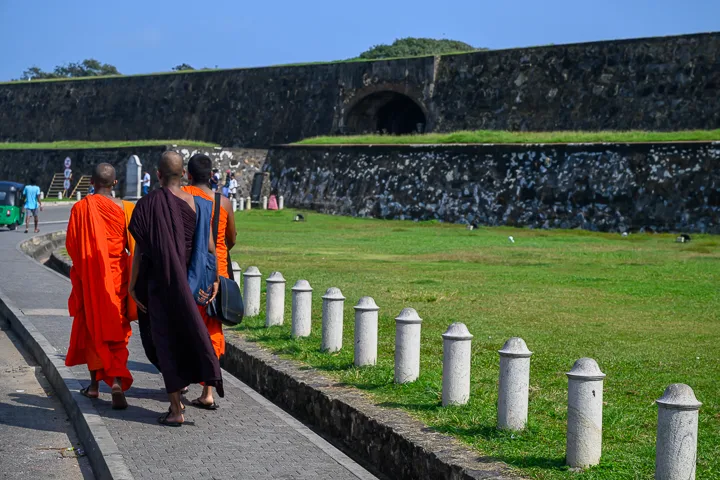
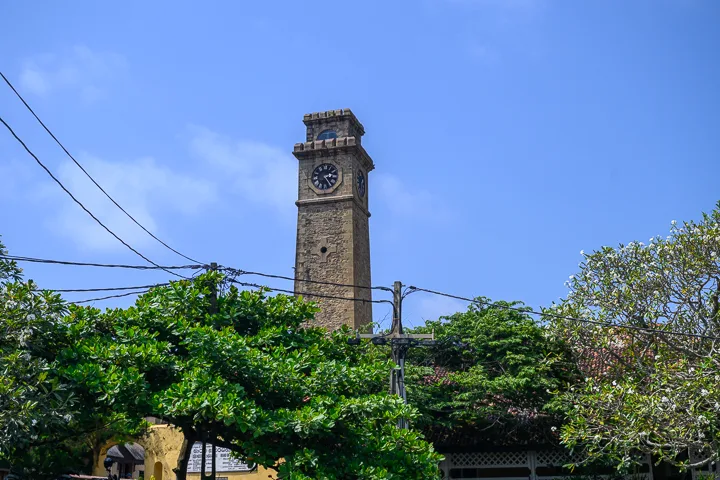
Begin at the clock tower, then follow the ramparts along the sea. The views feel open and refreshing. Continue towards the lighthouse before wandering through the narrow streets. Along the way, visit All Saints Church and the Dutch Reformed Church. Both sites reflect the town’s colonial past.
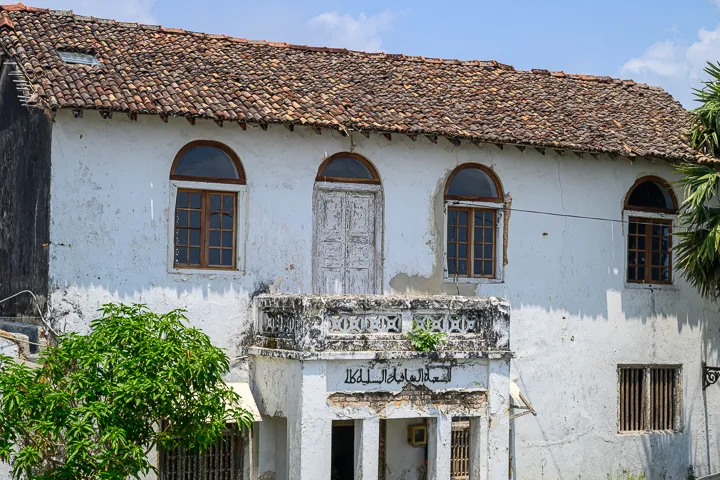
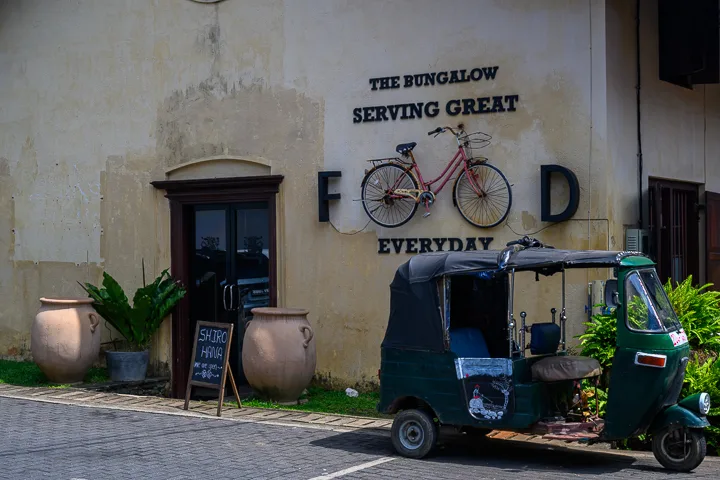
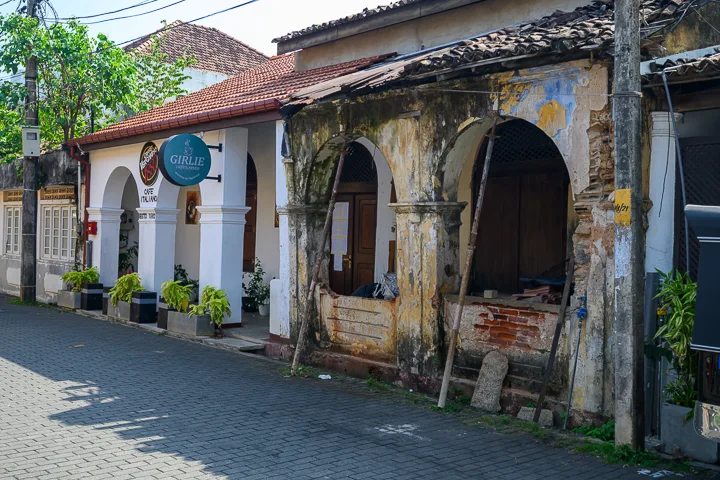
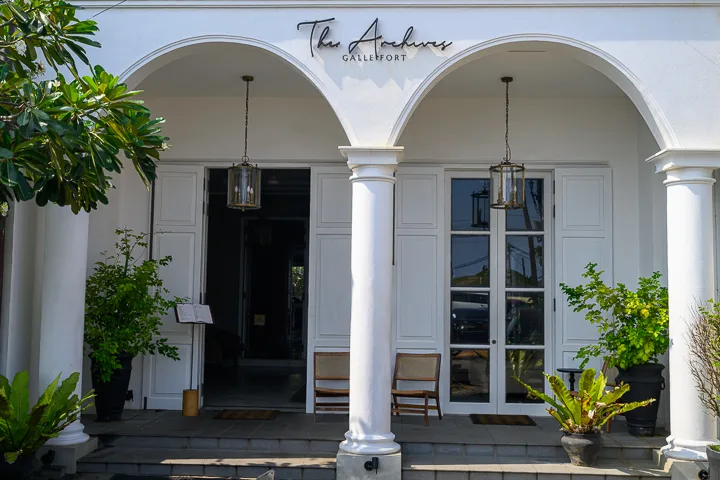
As you explore, you will notice beautiful old buildings at every turn. Some stand carefully restored, while others now house cafés and shops. This mix gives Galle its unique character.
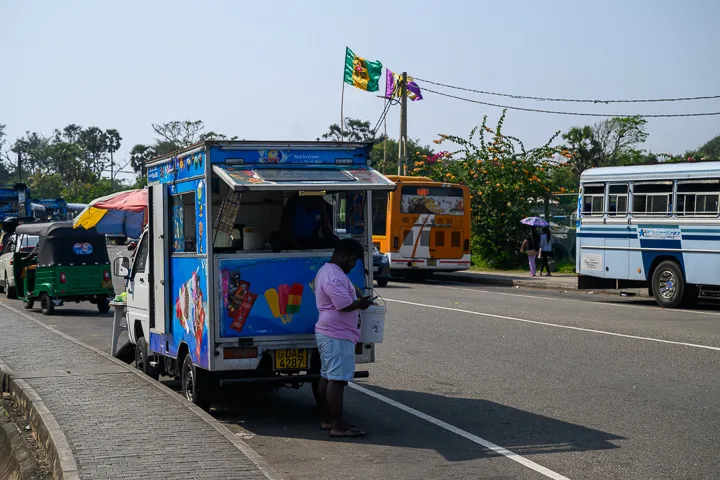
Food options feel varied but often expensive. For a change, we tried Neapolitan pizza, which tasted surprisingly authentic. In addition, ice cream shops line the streets. Try a scoop at Isle of Gelato on Pedlar Street. The quality feels genuinely impressive. In this part of the journey, Sri Lanka’s wildlife, history and beaches shift once again, as colonial heritage meets coastal life.
If time allows, consider a trip to nearby Mirissa. It is known for whale and dolphin watching, which many travellers highly recommend. We were running out of time and did not manage to do any whale watching this time.
Bentota: A Gentle Farewell
When you feel ready to leave Galle, continue north towards Bentota. The coastal road offers a pleasant and scenic drive. Therefore, take your time and plan a few stops along the way.
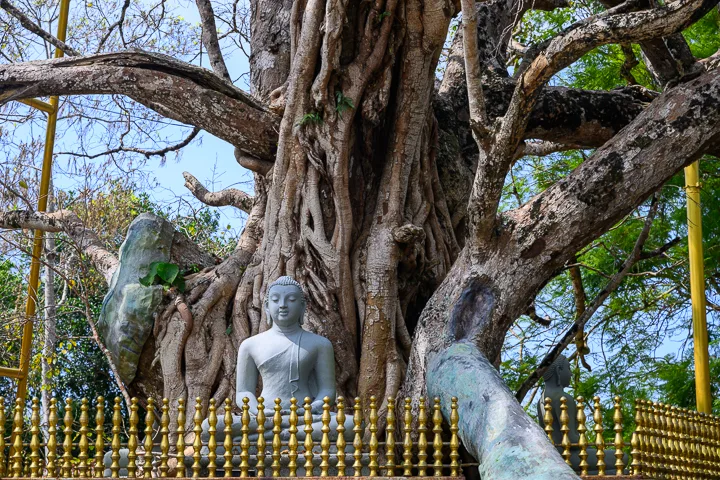
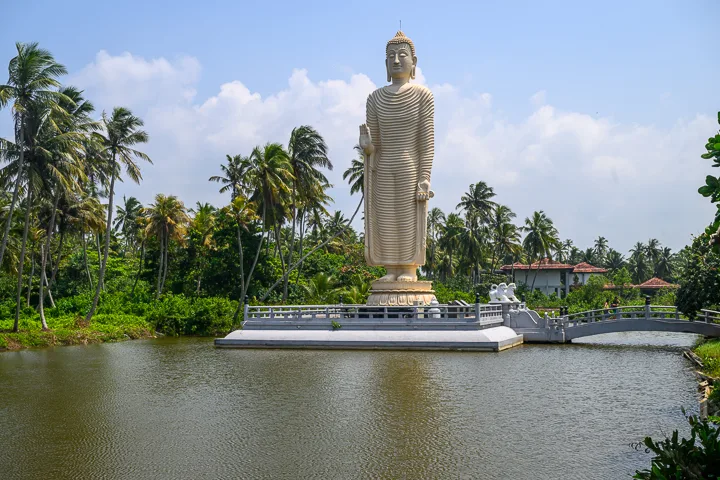
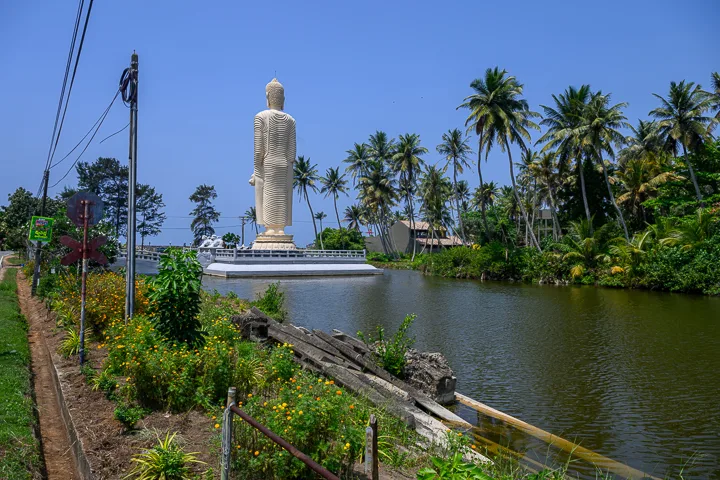
First, visit the Tsunami Honganji Viharaya. This Buddhist temple honours those who lost their lives in the 2004 tsunami. The site feels calm and reflective. Moreover, the large Buddha statue creates a powerful and moving presence.
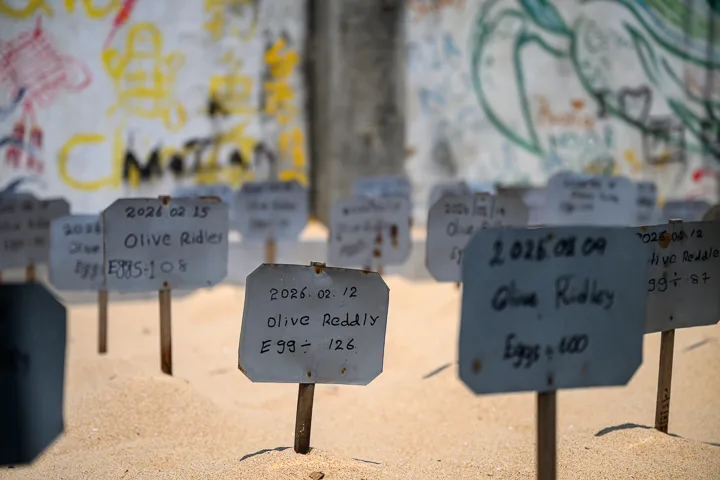
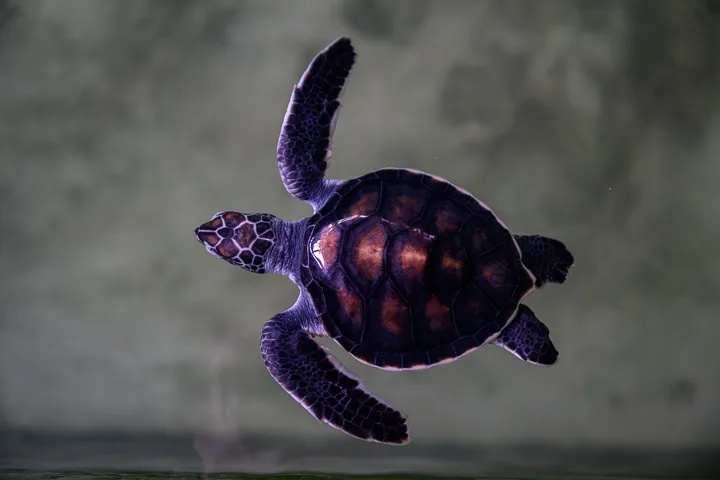
Along the same route, you can also stop at a turtle hatchery. These centres focus on protecting sea turtles and supporting conservation work. Guides explain how they collect eggs and place them safely in the sand. Once the turtles hatch, they release them into the ocean. As a result, the experience feels both educational and meaningful. They also rescue injured turtles. Unfortunately, some cannot be released back into the ocean as they would not survive more than a day.
Bentota's beaches
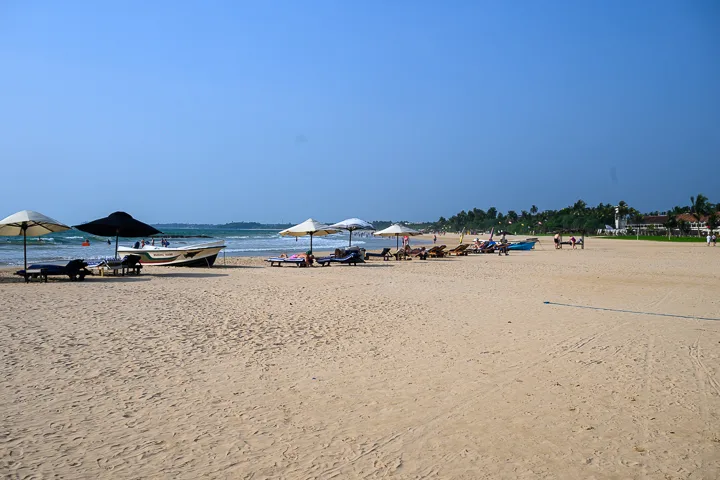
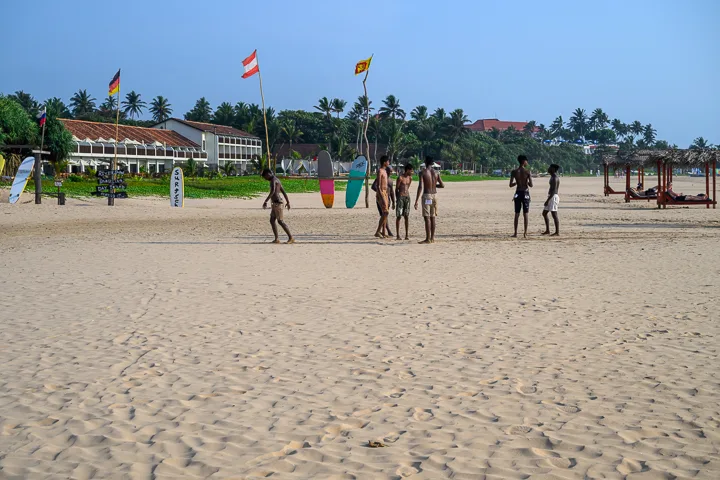
When you arrive in Bentota, slow your pace and enjoy the coastline. The long sandy beaches invite relaxation. In addition, the waves attract those interested in surfing.
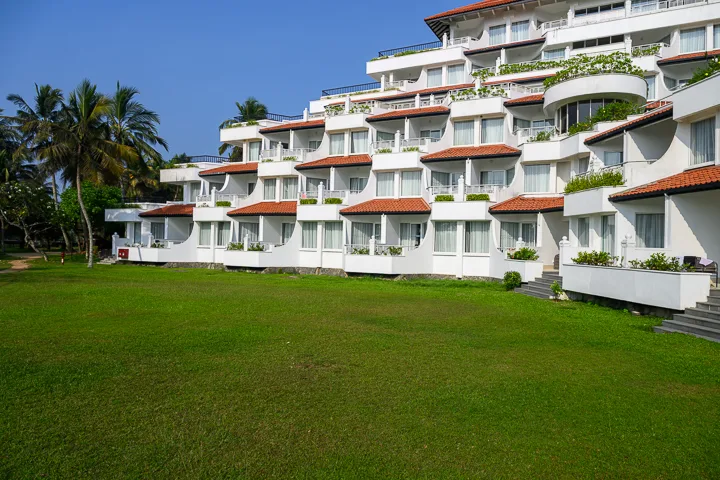
We stayed at Taj Bentota, which offers a great location by the sea. The staff feel welcoming, and the breakfast stands out. However, parts of the hotel would benefit from refurbishment.
For meals, explore a few independent restaurants nearby. Try Srilancaña, which opened in January 2026 and serves fresh, flavourful local dishes.
This final stage brought together Sri Lanka’s wildlife, history and beaches once more. The journey felt complete and balanced. We finally headed to a hotel on the coast in Negombo for our last night in Sri Lanka.
A Journey of Balance and Lasting Memories
Sri Lanka offers a rare mix of experiences within a compact space. You can move quickly between landscapes and cultures. As a result, each region feels fresh and distinct.
Moreover, the journey feels well balanced. You explore wildlife, discover history and relax by the sea. This variety keeps the experience engaging from start to finish. Sri Lanka’s wildlife, history and beaches create a story that unfolds step by step, linking each destination with purpose.
Importantly, the country rewards curiosity. Often, small moments leave the strongest impression. A quiet temple, a shared smile or a sudden wildlife sighting can define your trip. Therefore, stay present and take your time.
Plan your route carefully, yet remain flexible. Unexpected changes often lead to the most memorable experiences. In addition, allow space to slow down and reflect.
In the end, Sri Lanka offers more than a list of sights. It delivers a complete journey, rich in variety and lasting memories.