No products in the basket.
A Journey Through Culture, Colour and Coastal Charm
One week in South Korea feels like stepping into a vibrant blend of past and present. From the buzzing streets of Seoul to the peaceful tombs of Gyeongju and the colourful coastal sights of Busan, each moment captivated me. The country welcomes travellers with open arms, offering history, hospitality and bold flavours in every corner.
I planned this journey with a mix of adventure and comfort in mind. My goal was to do as much as possible without feeling rushed before heading to Japan. If you only have one week in South Korea, visiting those places will provide a perfect taste of what makes the country unforgettable.
Practical tips: Do not forget to complete your arrival card online on the official Korea e-Arrival card website. This will speed-up your passage through immigration. I would also advise you to get a Tmoney transportation card if you intend to get public transports. It will make your journey around South Korea much easier. We got ours at a 7/11 and loaded 10,000 KRW on them.
Exploring the Heart of Seoul
Most international flights from Europe land at Incheon International Airport. It is easy to reach central Seoul from here. You can either book a taxi through the K-ride app or take the Airport Railroad Express (AREX) to Seoul Station. You can then catch a subway line to your final destination.
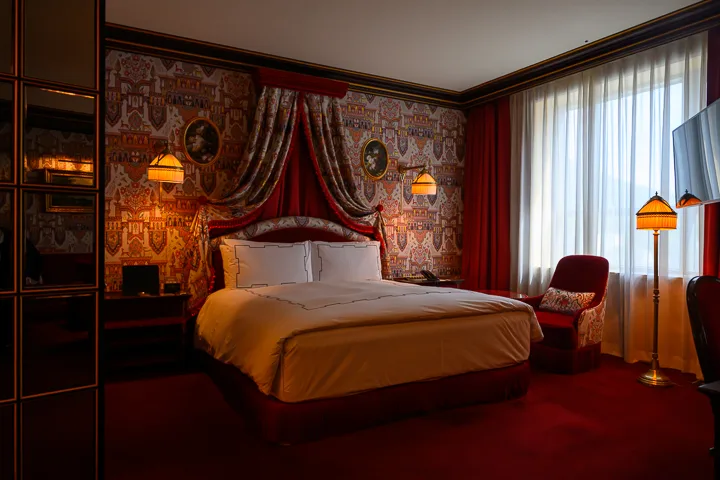
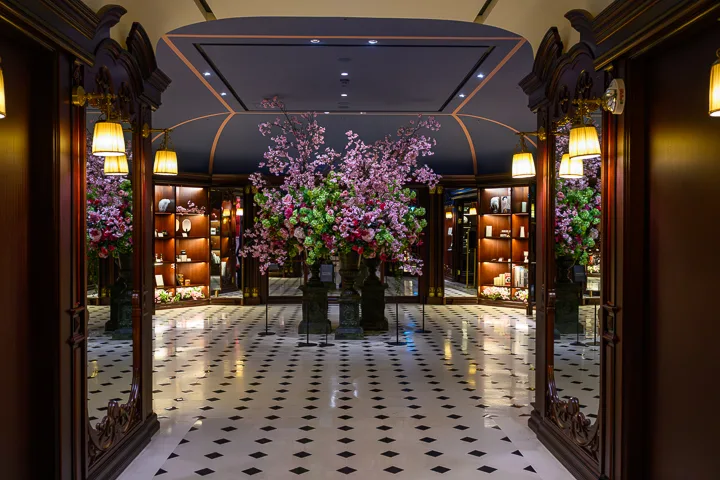
We stayed at L’Escape Hotel in the heart of the city. Its French design gave a lovely twist to our stay. The beds were incredibly comfortable, and the service felt warm and welcoming.
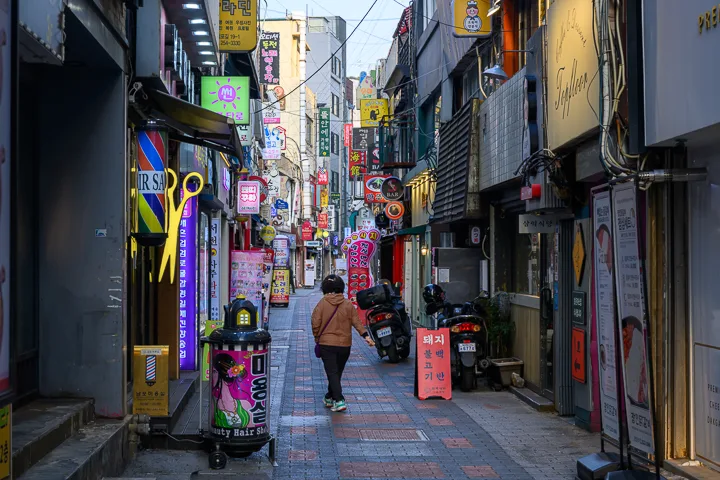
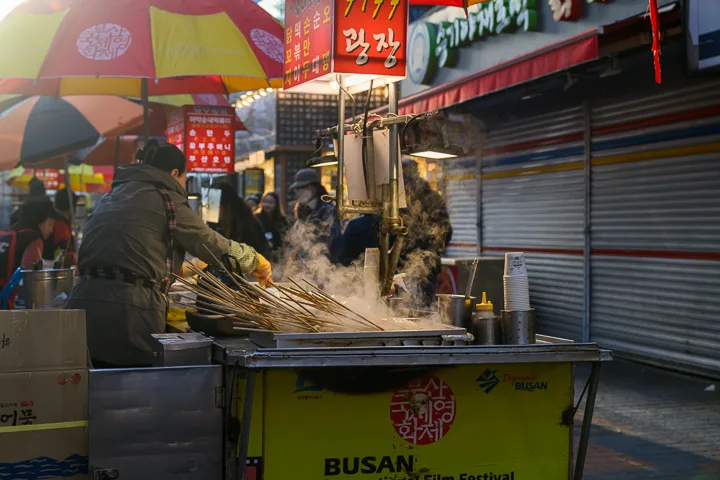
Located near Myeongdong Shopping Street, the hotel provided easy access to food stalls, street fashion, and lively nightlife. I enjoyed browsing skincare shops and eating spicy chicken from a small restaurant just around the corner.
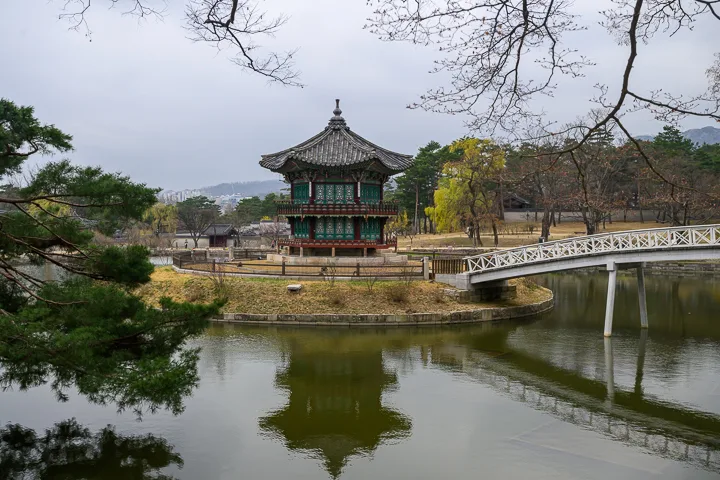
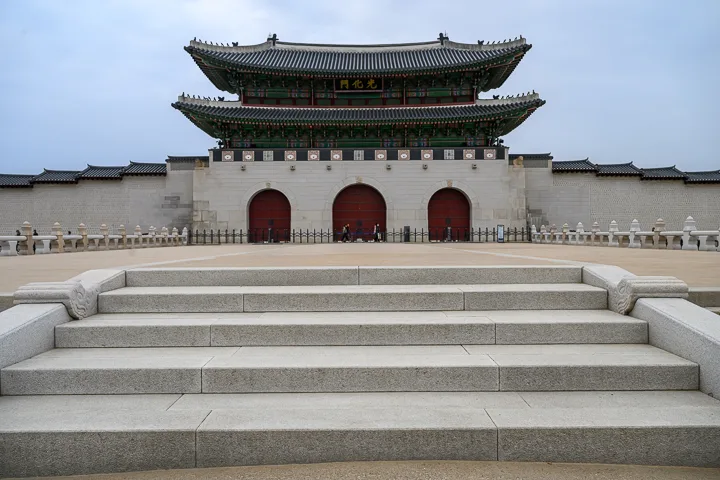
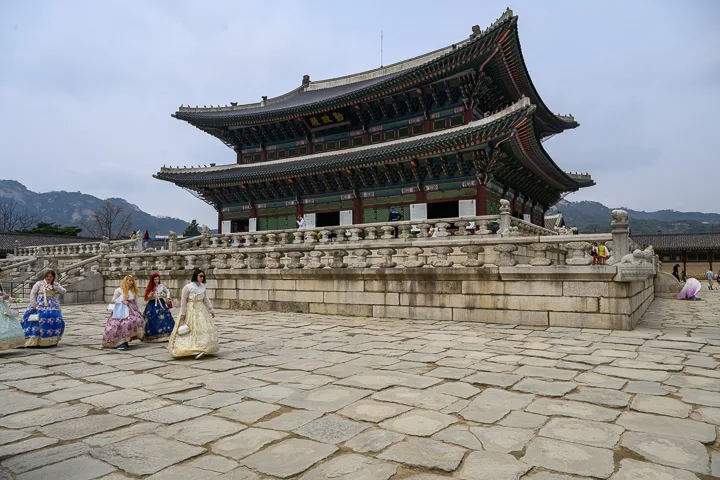
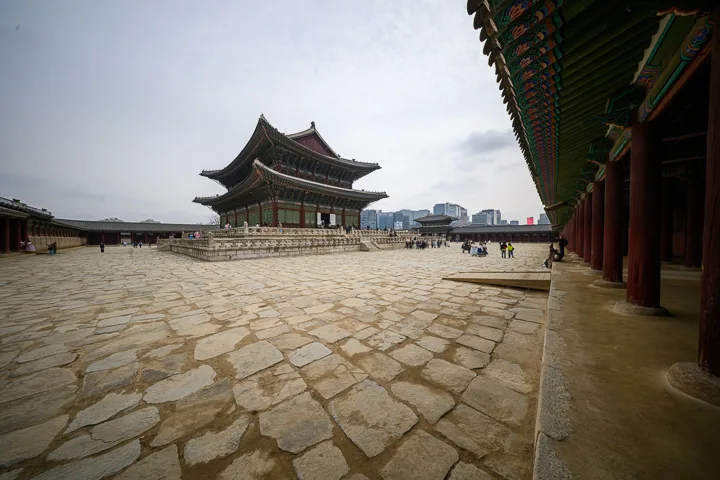
To start the trip gently, I recommend visiting one of the Five Grand Palaces. We chose Gyeongbokgung Palace, a stunning complex built in 1395. It once served as the main palace of the Joseon dynasty. Though damaged during the 1592 Japanese invasion, it was beautifully restored in the late 1800s.
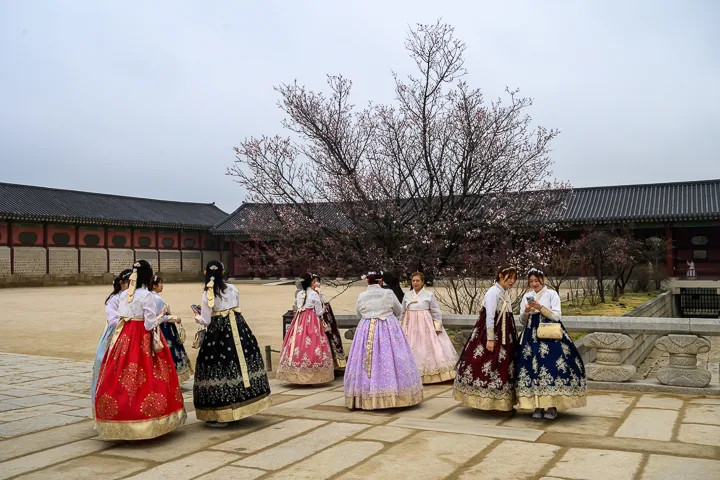
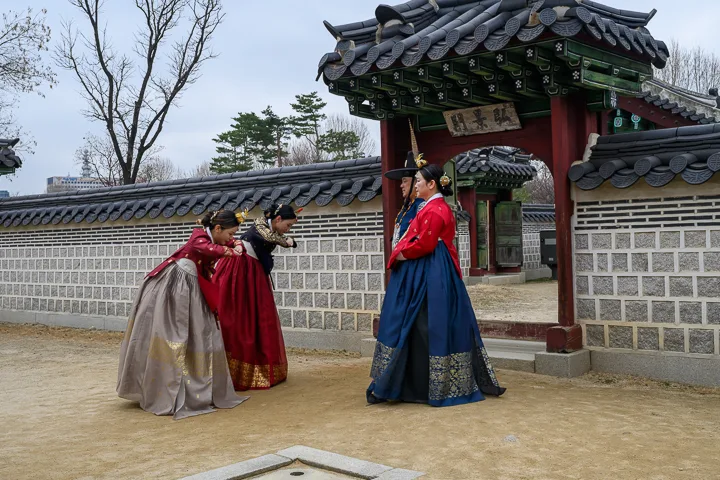
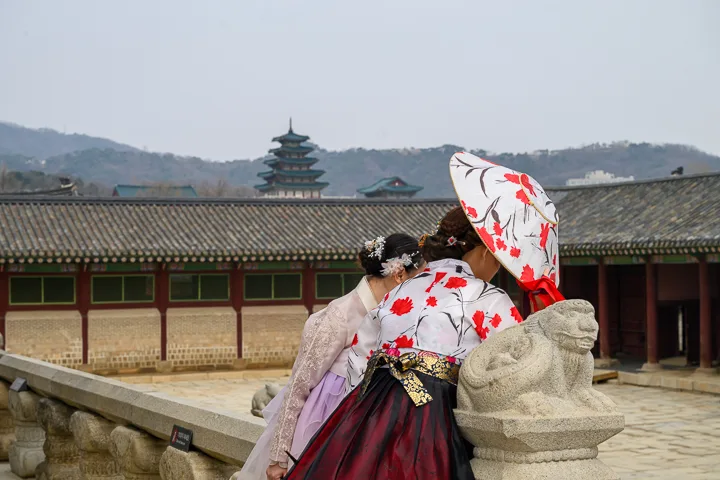
Wearing a traditional hanbok allows free entry. Many visitors rent them for photos. Some even hire photographers for professional pictures. However, we felt that we would not look the part and preferred spending our hard-earned money on excellent pastries at one of the cafes around the corner. It is worth getting the audio guide to learn about the various pavilions in the palace grounds. To do so, be sure to carry some form of identification otherwise you will be asked for a deposit of 100,000 KRW. It is really worth the visit. We explored the palace for over three hours.
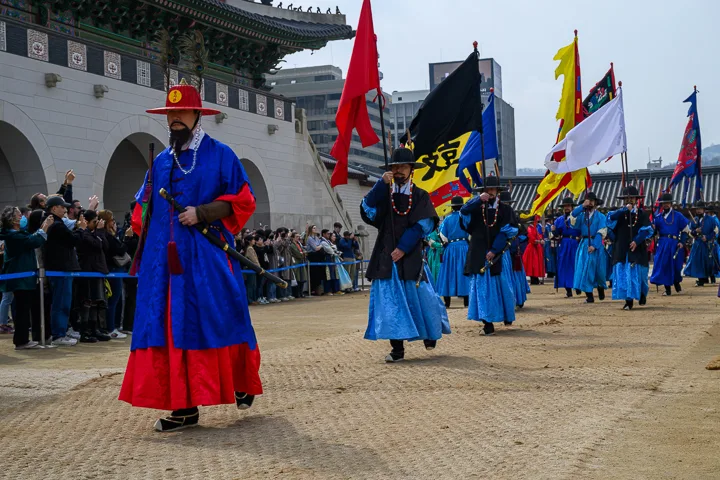
Whilst visiting, do not miss the changing of the guard ceremony. It takes place four times a day in the main court. The colourful event made Buckingham Palace’s version in London seem almost dull in comparison.
A walk down Sejong-daero
After visiting the palace, we walked down Sejong-daero to Gwanghwamun Square. The route passes statues of King Sejong and Admiral Yi Sun-sin. Both figures are national heroes.
Further along, the City Hall appears on the left. On the right, Deoksugung Palace hides behind its stone walls. There is also a changing of the guard at this palace. These sites offer a glimpse into the city’s deep connection to its royal past.
A Modern Twist: Libraries, Landmarks and More
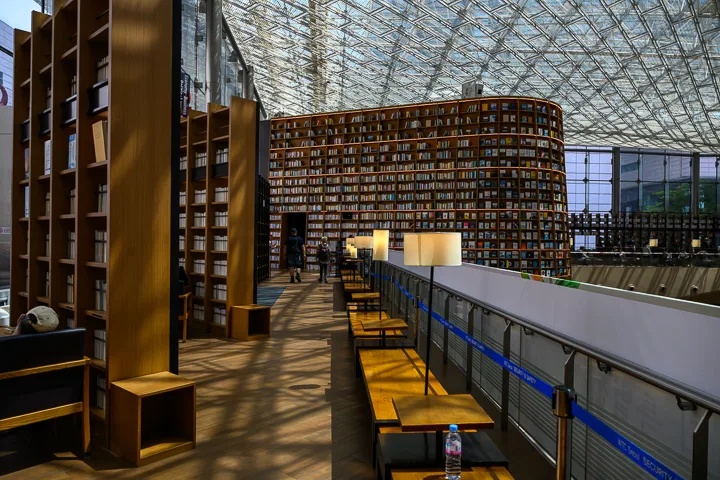
If time allows, head to the Starfield COEX Mall. The Starfield Library stands at its heart. Unlike European libraries, this one buzzes with visitors. People take photos from every angle. The shelves stretch high above, filled with colourful covers.
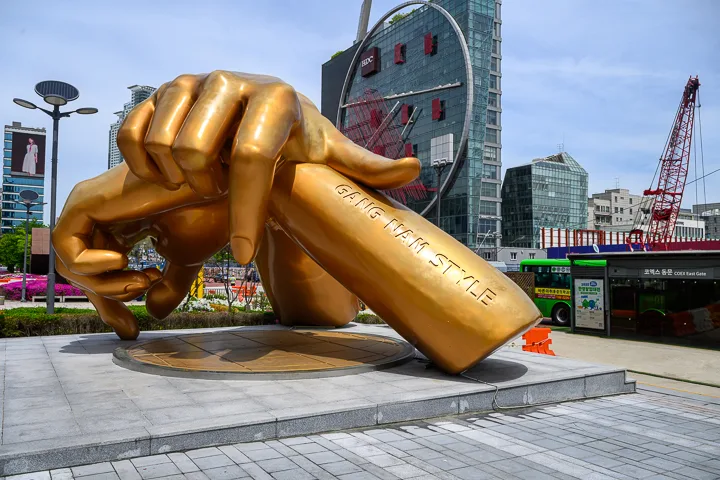
Despite the crowd, the place is worth visiting. At the entrance, look for the sculpture celebrating the “Gangnam Style” music video. It is a cheerful reminder of South Korea’s global pop influence.
We considered visiting the Demilitarised Zone (DMZ). However, Seoul had so much to offer that we could not fit it in. If you have extra time, you may want to add it to your list.
Travelling Back in Time in Gyeongju
After enjoying Seoul, we boarded the train to Gyeongju. This ancient city once served as the capital of the Silla dynasty. Unlike Seoul’s bright energy, Gyeongju felt peaceful and deeply rooted in tradition. It was registered as a UNESCO World Heritage Site in 2000.
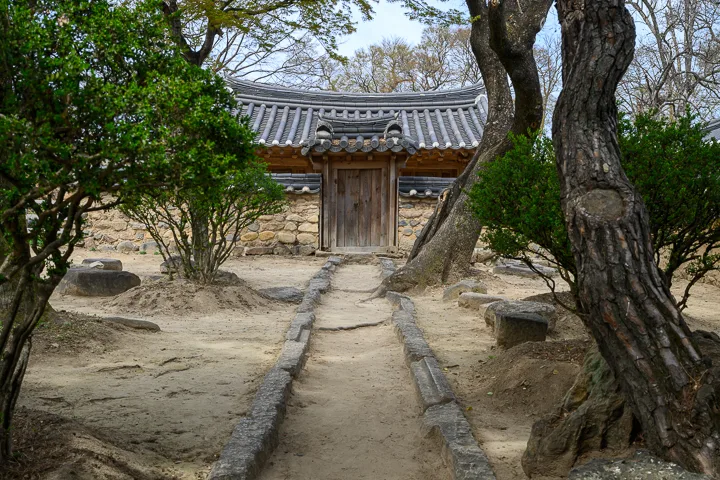
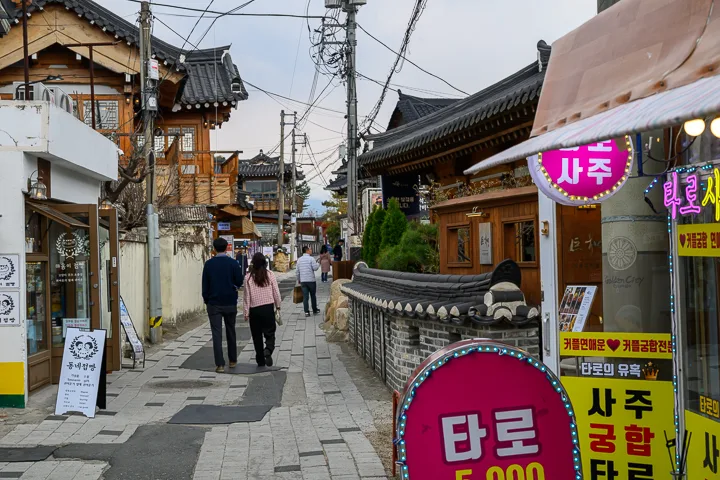
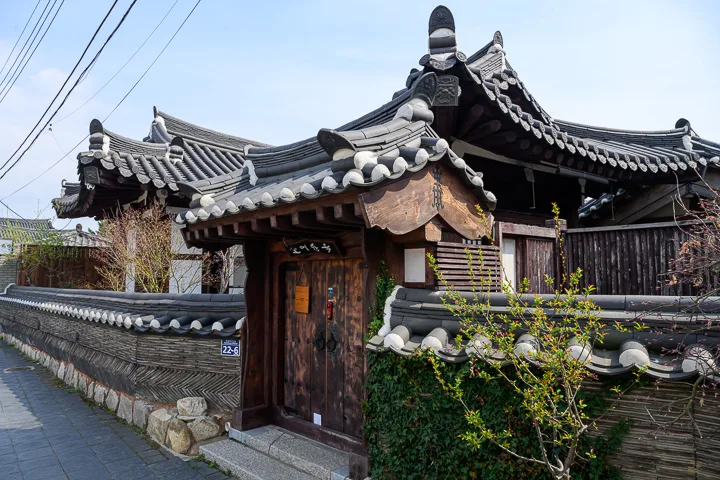
Although very popular with tourists, the town retains an authentic feel. We stayed at the traditional Hanok Stay Da-ga-gam guesthouse. Wooden beams and sliding paper doors created a cosy, timeless space.
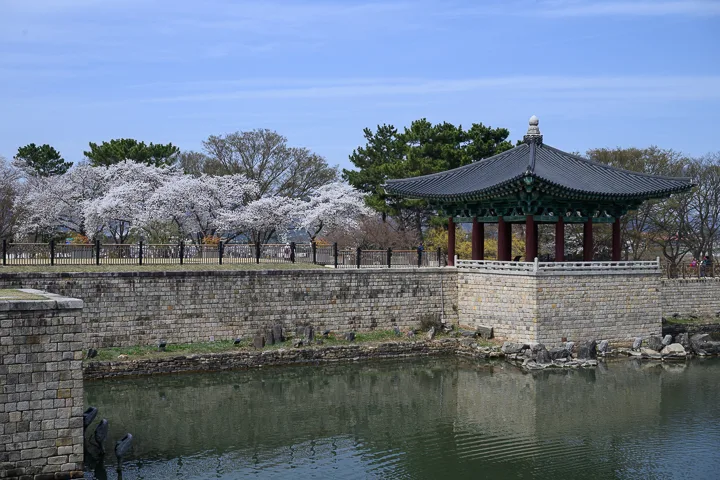
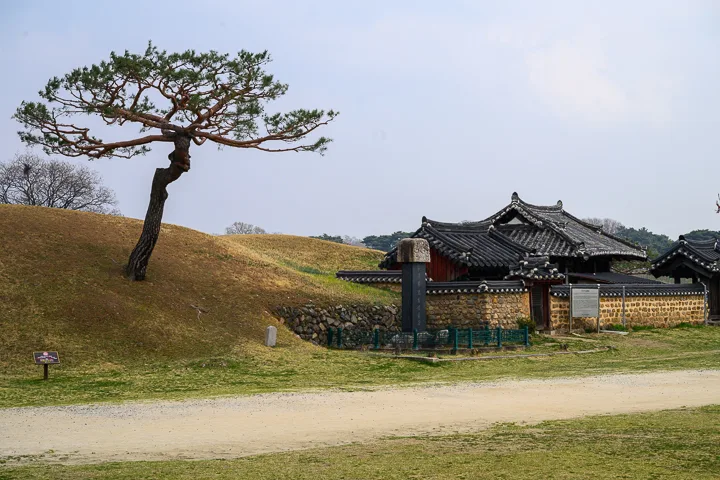
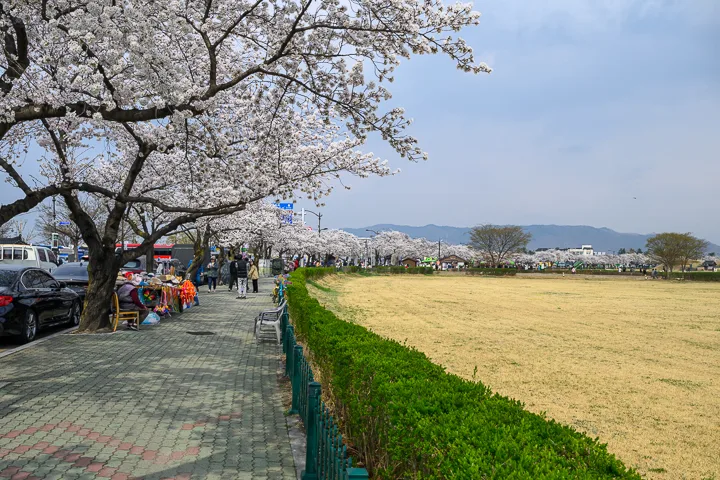
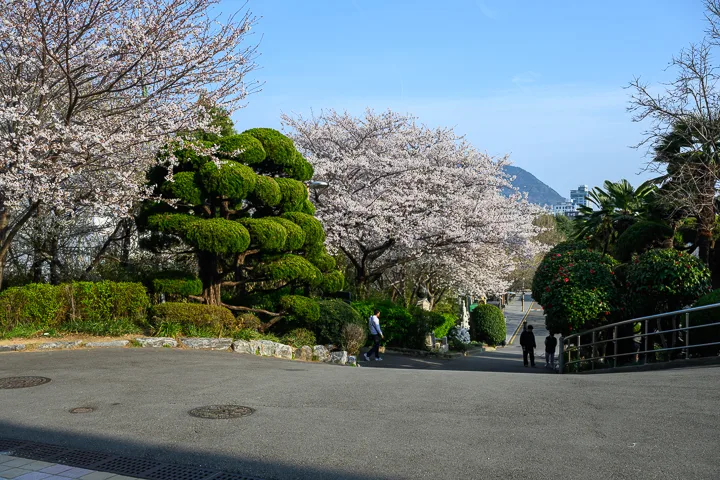
Cherry blossoms lined the paths beside grassy tomb mounds. These rounded hills hold the remains of kings and nobles. They sit quietly in wide parks, inviting calm walks and reflection. If you continue along the path, you will first see the Cheomseongdae Observatory and then the Donggung Palace and Wolji Pond.
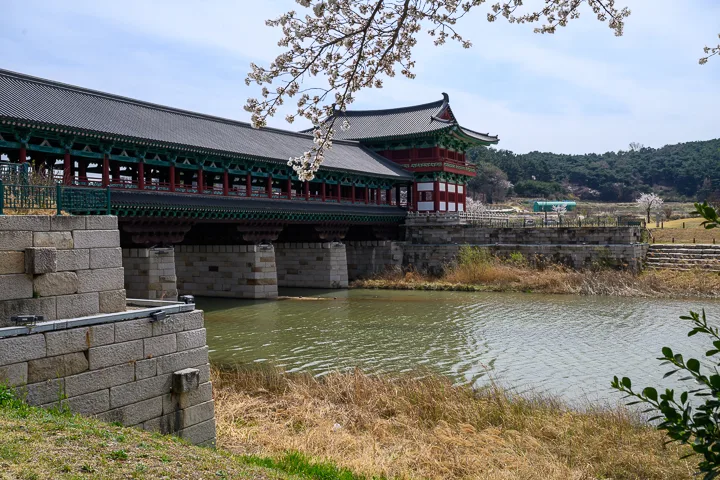
The Woljeonggyo Bridge was another highlight. The colourful wooden structure stretches over a narrow stream. Nearby, Gyochon Traditional Village offered even more charm. The village houses remain beautifully preserved.
The slower pace of Gyeongju gave us space to appreciate each detail. One week in South Korea truly needs moments like this.
A Coastal Escape in Busan
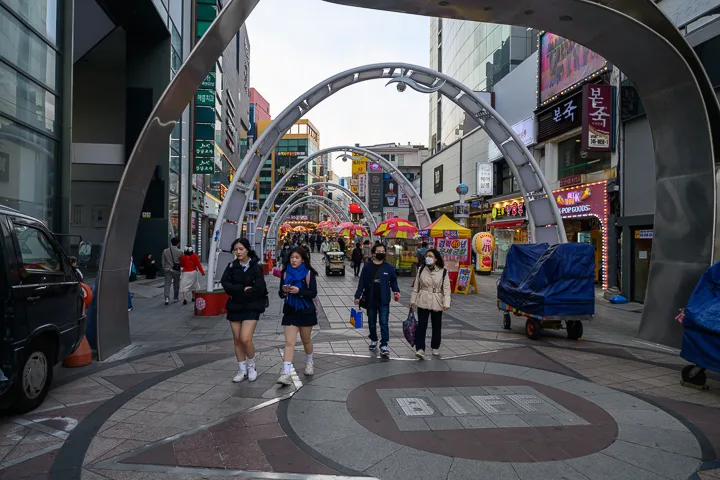
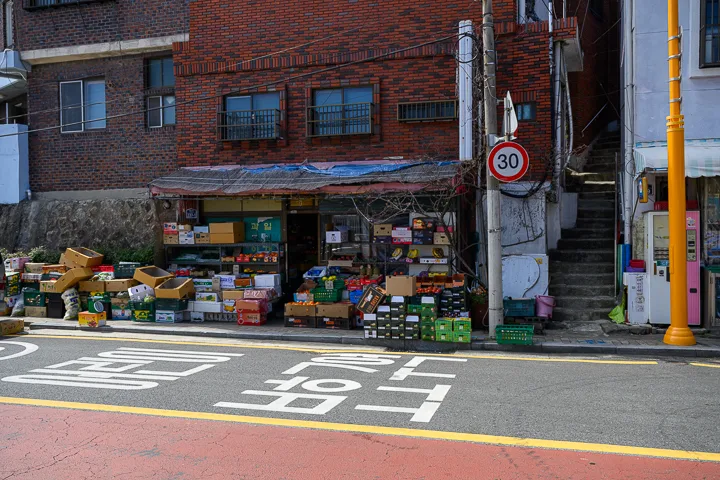
Next, we travelled to Busan by train. The journey through green hills and tunnels offered stunning views. Busan greeted us with a fresh sea breeze and a faster rhythm. After checking in our hotel, we headed out for a simple but excellent set menu with noodles, pork and soup in a small local restaurant around the corner.
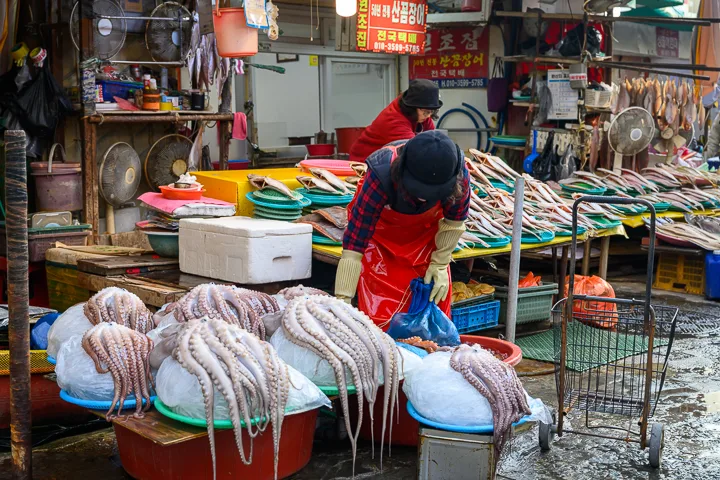
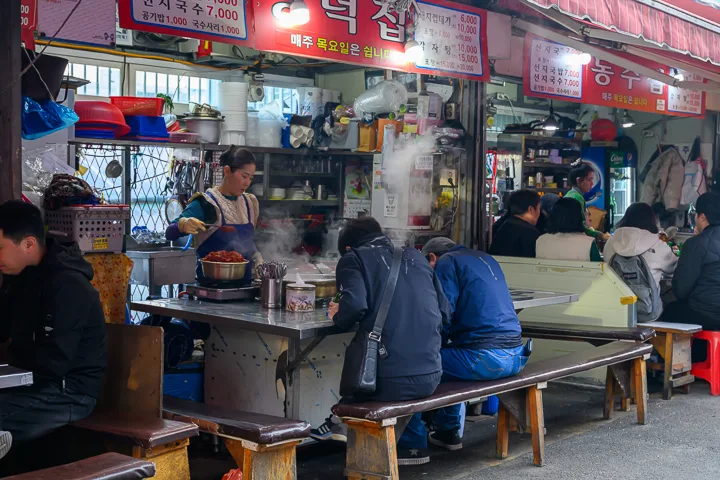
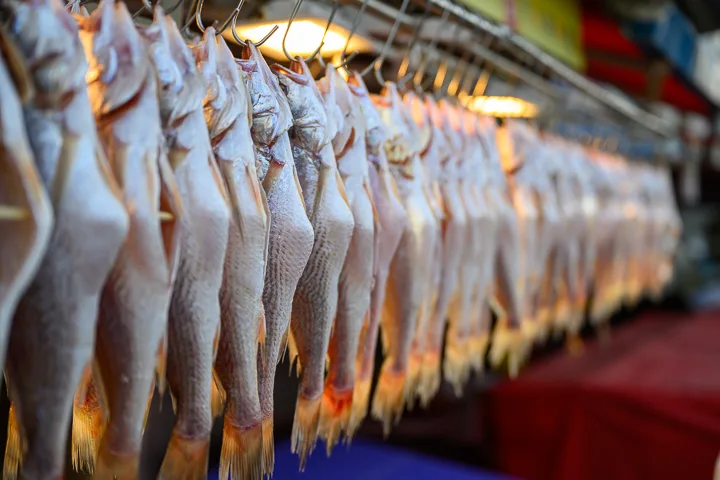
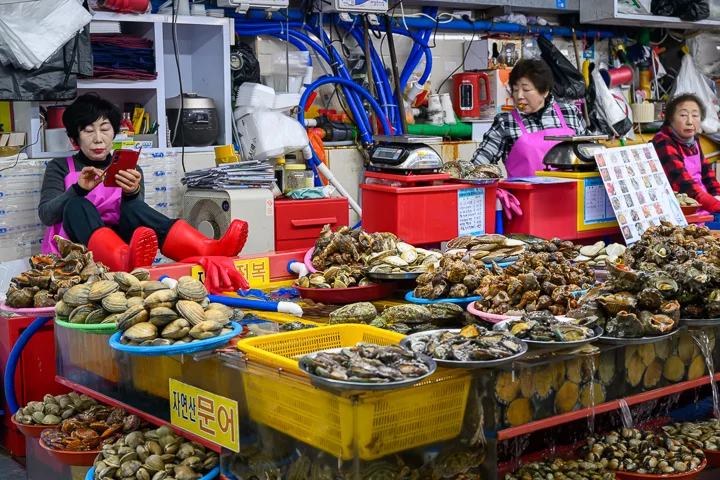
We began at the Jagalchi Fish Market. This busy place is packed with seafood from the nearby waters. Stalls overflow with squid, crab, and fish. Vendors shout greetings and offer samples. You can buy fresh seafood on the ground floor. Upstairs, restaurants prepare your catch in minutes. Since we were visiting just after breakfast, we did not feel like another seafood course.
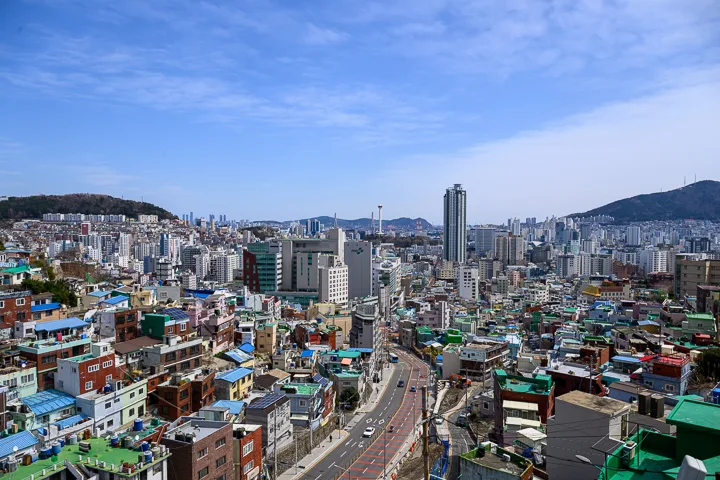
From there, we walked uphill to Gamcheon Culture Village. Pastel houses and murals colour the hillside. This area seemed a bit neglected. The climb was tiring and we did not feel like it was worth it. Perhaps we went on a day where many places were closed. If you decide to head to Gamcheon Culture Village, catch a bus instead of hiking.
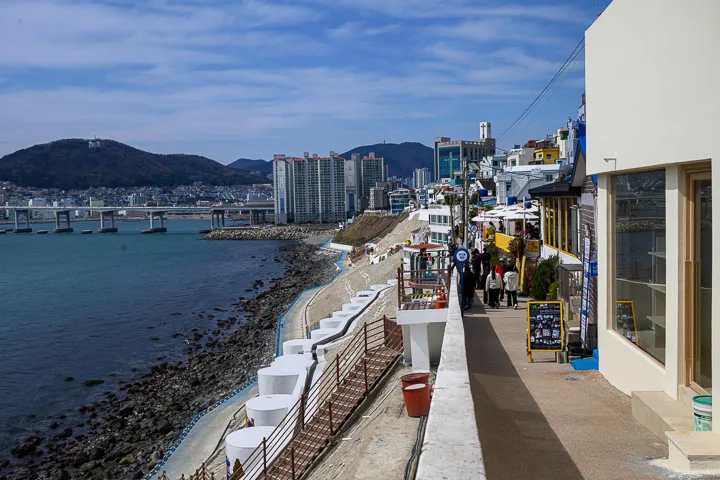
Later that day, we took a bus to Huinnyeoul Culture Village. White houses and narrow steps line the coastal cliff. Each corner reveals new surprises. Art covers walls and staircases. Cafés offer views over the sea. This quiet spot provided a great contrast to the busy fish market and the Gamcheon Culture Village.
If you still have some energy left
Before dinner, I visited Busan Tower in Yongdusan Park. From the viewing platform, the harbour glowed under evening light. I skipped the lift and stayed on the lower deck. The views were already impressive.
Dinner options in Busan are endless. You can eat near the fish market in the open air along the sea front, look for smaller restaurants or try a food court in a department store. On our second night we decided to try the Lotte department store food court. It took us a while to decide what to order. And we needed some help from a local to find out where to pick our order up. However, it was absolutely delicious.
A Temple by the Sea
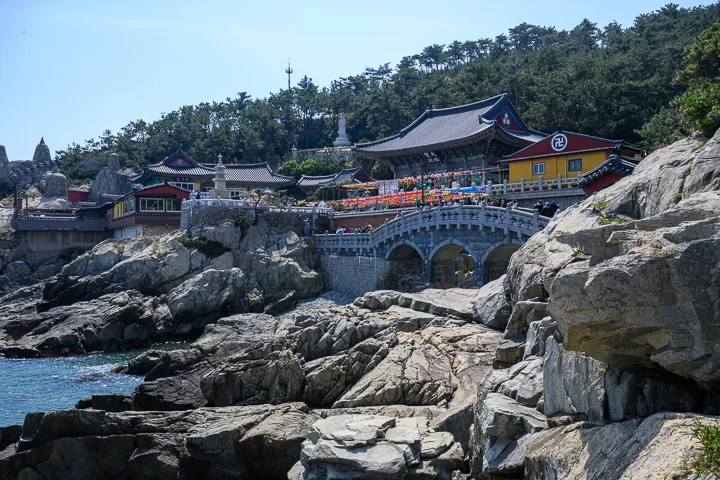
The next morning, we visited Haedong Yonggungsa Temple. Located on a rocky cliff, this Buddhist temple overlooks the East Sea. Waves crashed below as we walked the path lined with stone lanterns.
The setting felt sacred. Although the area is very busy, the temple is peaceful and the location is absolutely stunning. Like many touristy sites, I would recommend you get up early and visit the site early morning.
Although Busan initially felt very industrial, we enjoyed our visit very much. After two days in this city, we had to board a train back to Seoul, where we would catch our flight to Tokyo.
One week in South Korea was everything I had hoped for. The country combines modern energy with deep cultural roots.
Seoul impressed me with its history and modern buzz. Gyeongju offered calm and beauty. Busan delivered colour, flavour, and ocean air.
With efficient trains, helpful locals and unforgettable sights, South Korea left a lasting mark. I hope this post inspires your own journey. One week in South Korea may not be enough, but it is certainly a wonderful beginning.