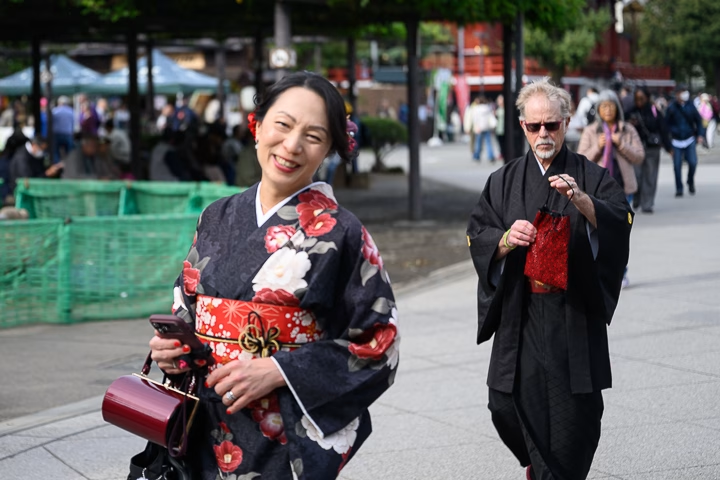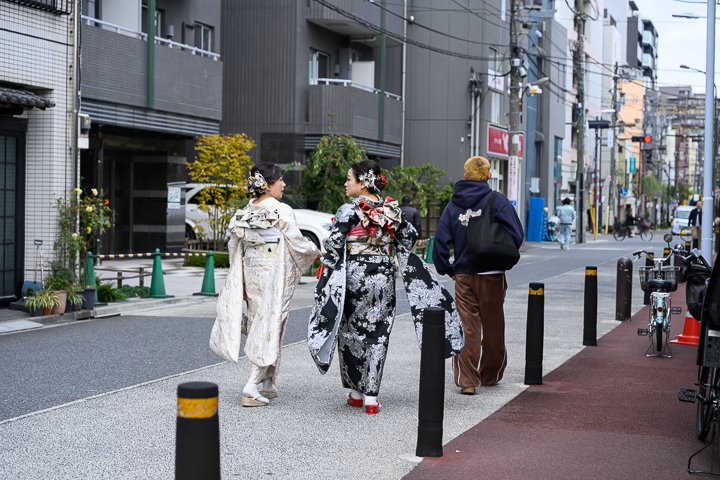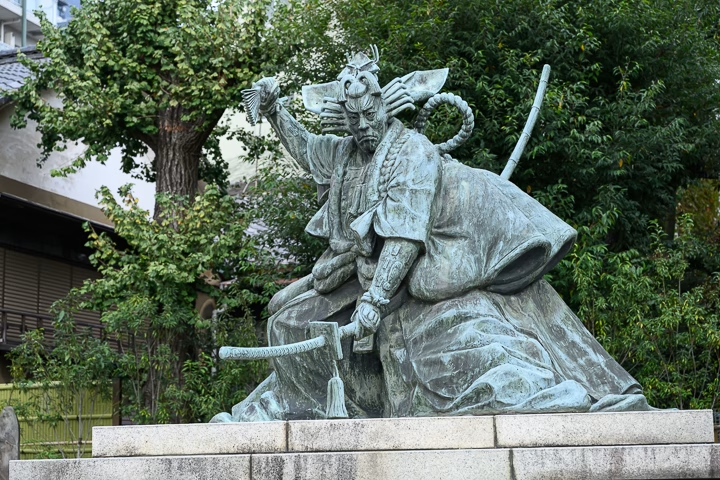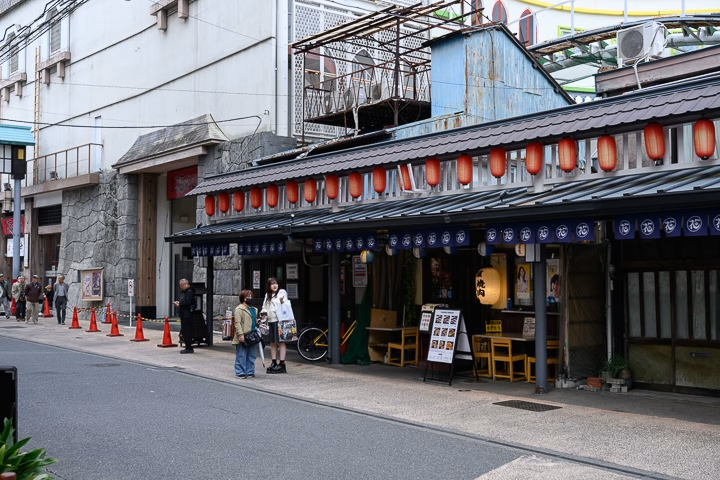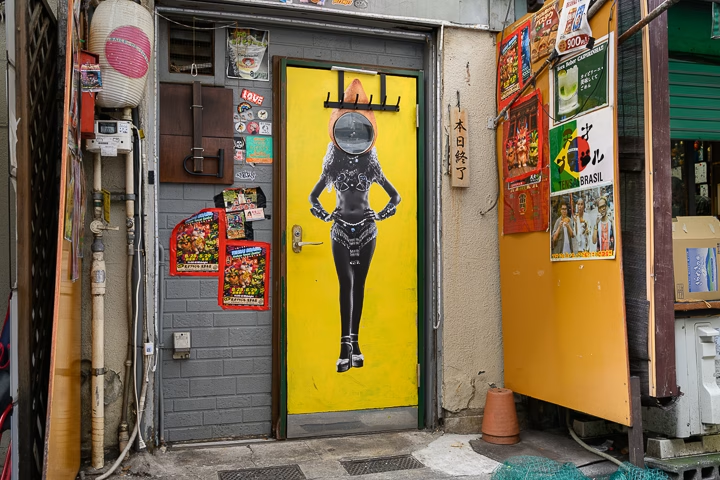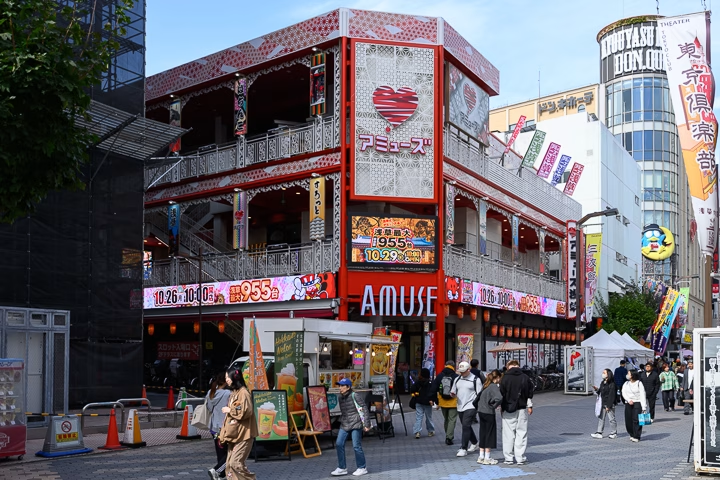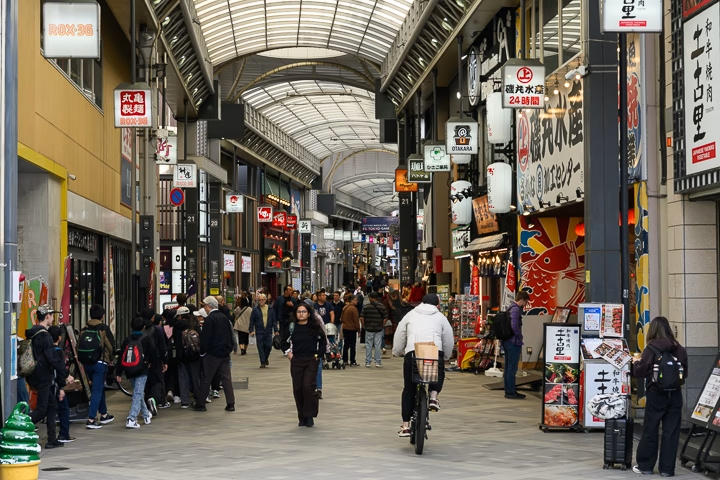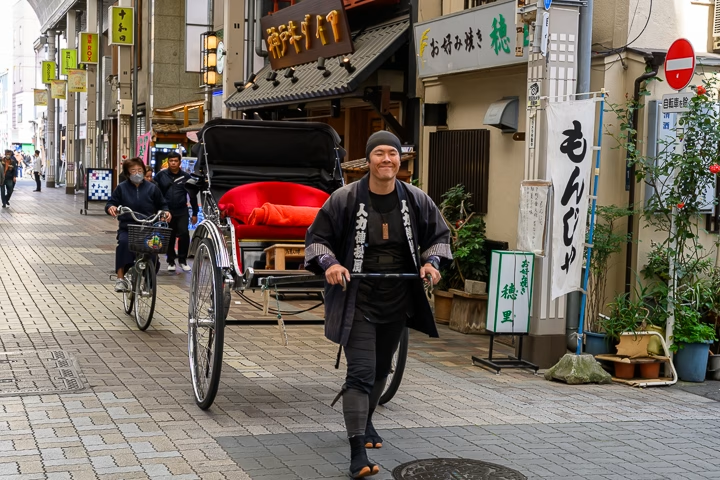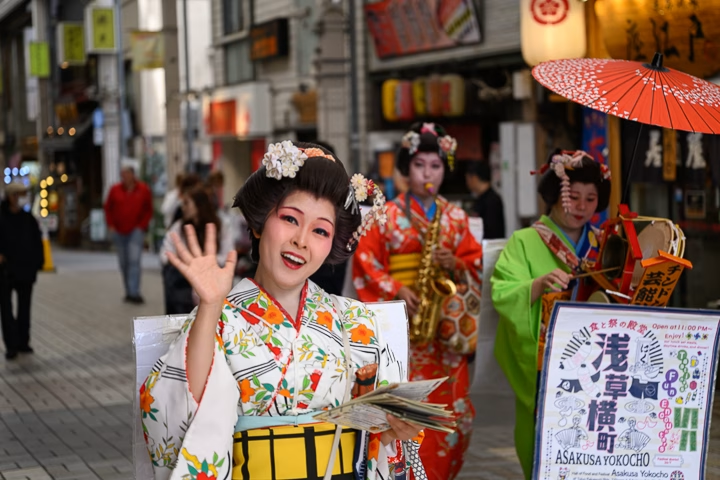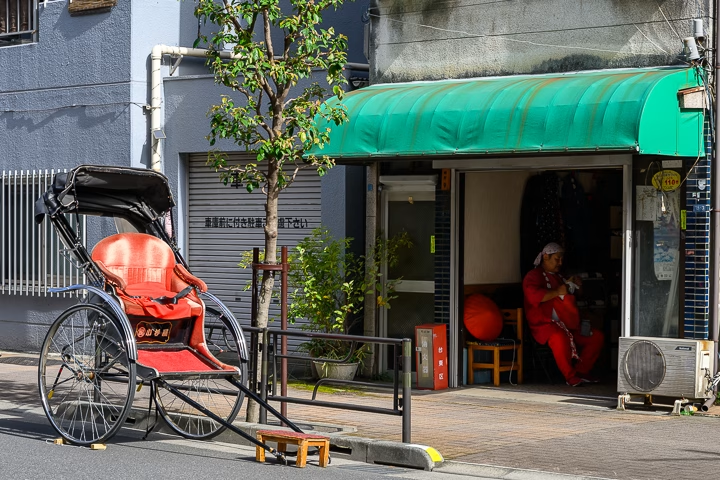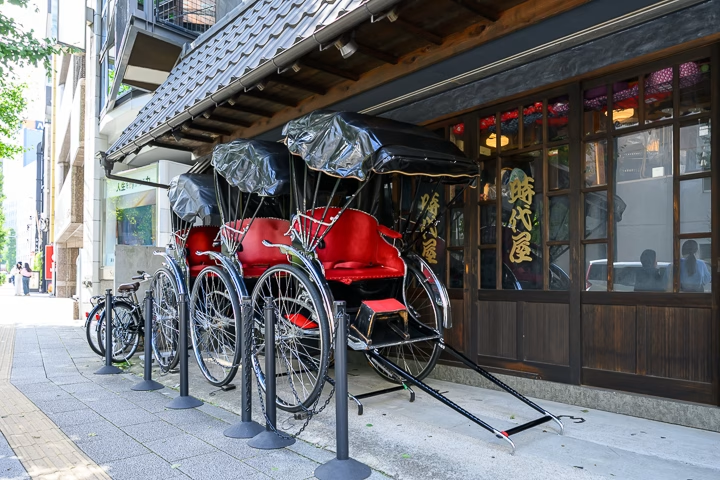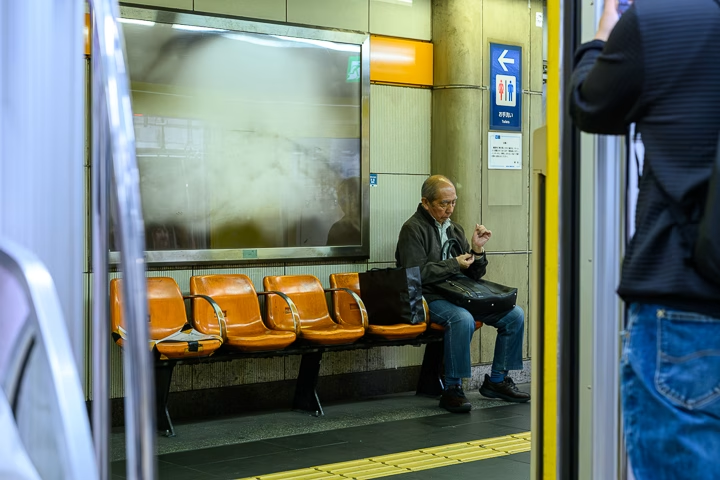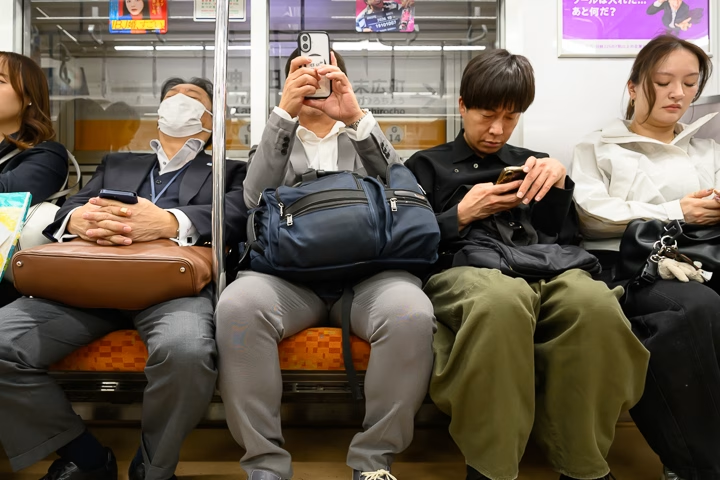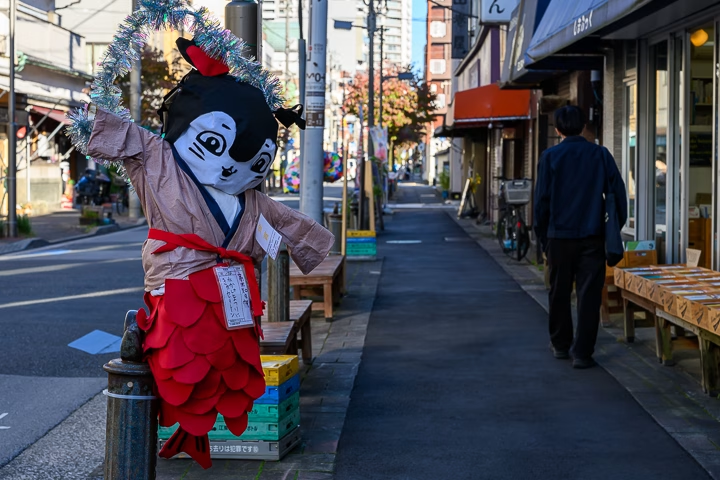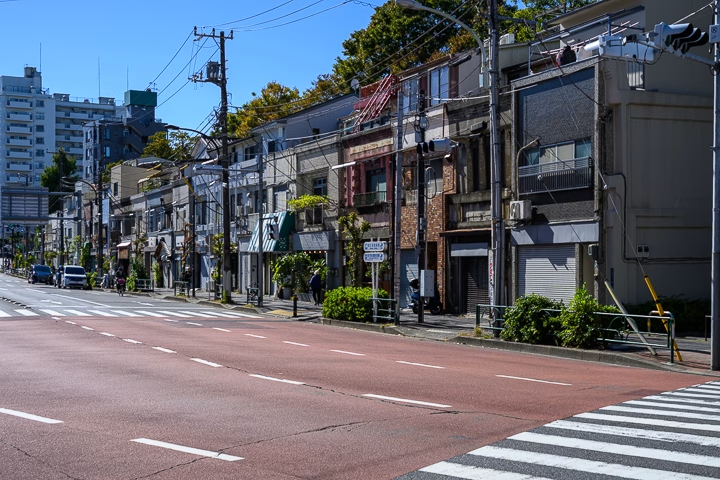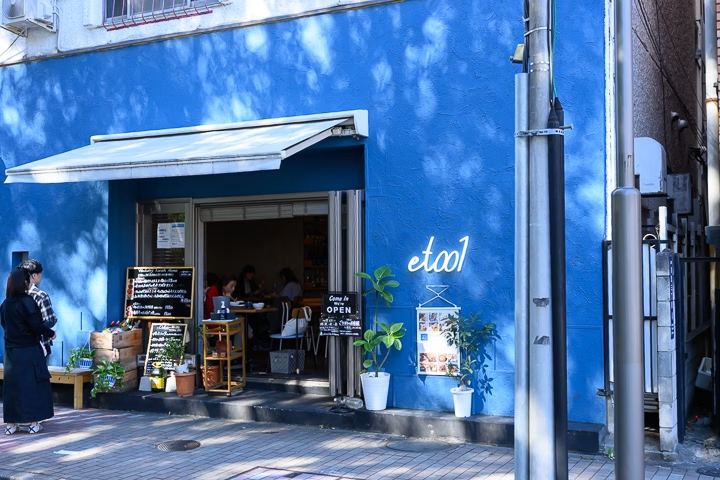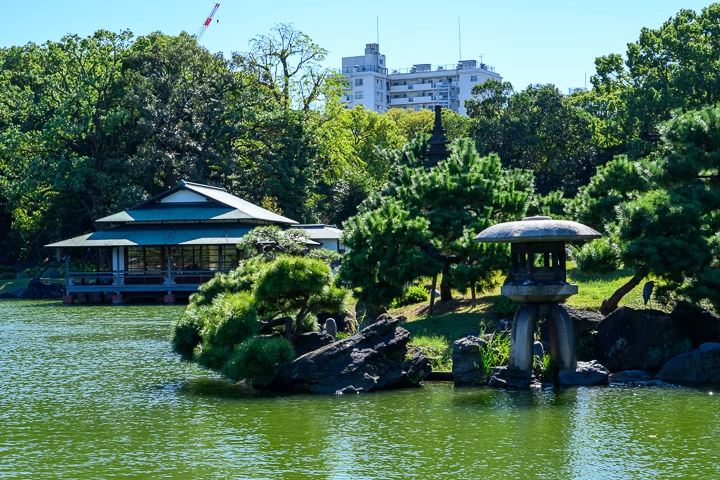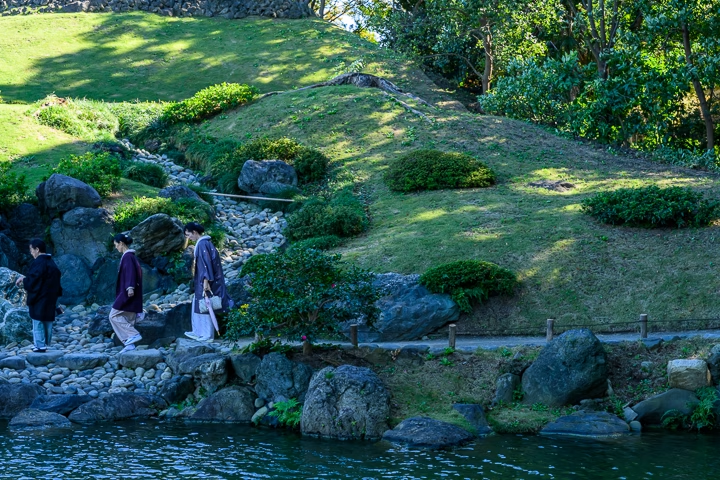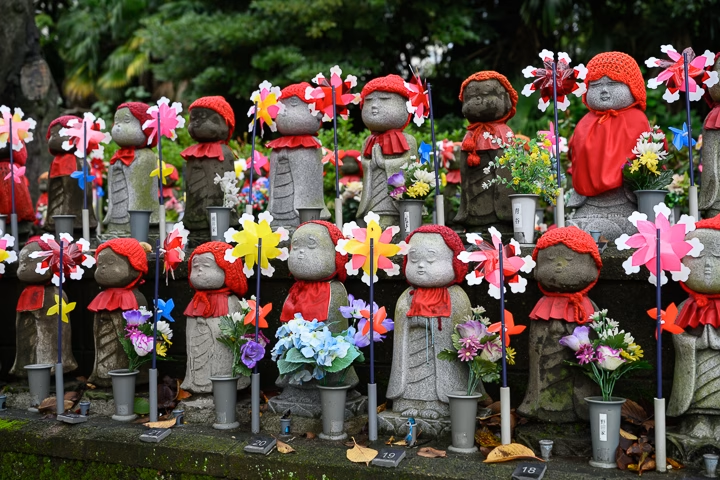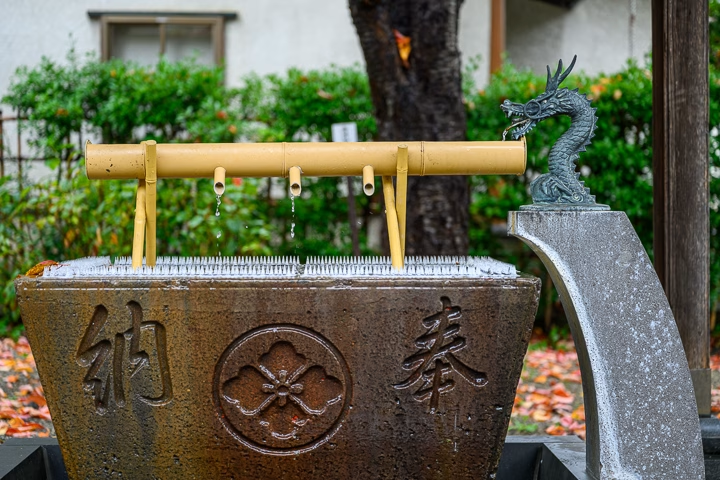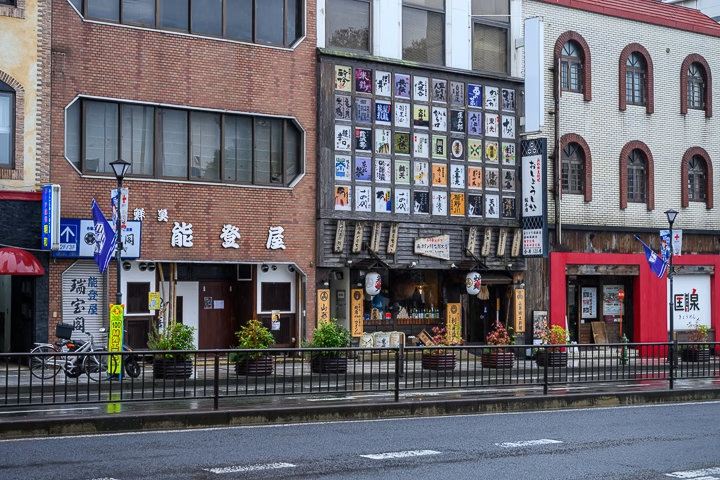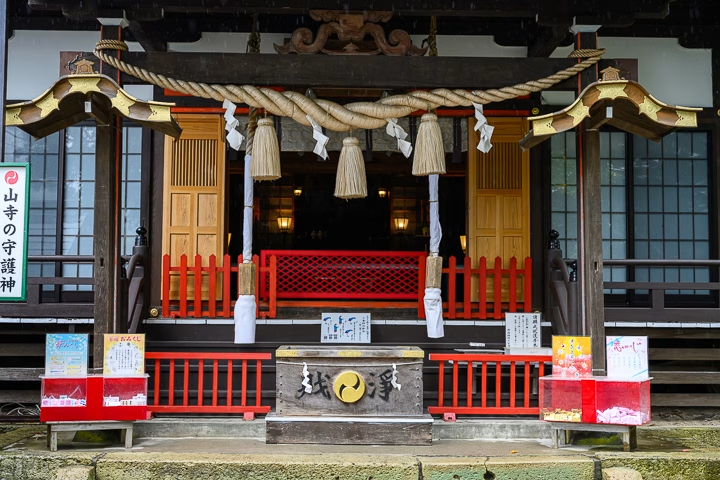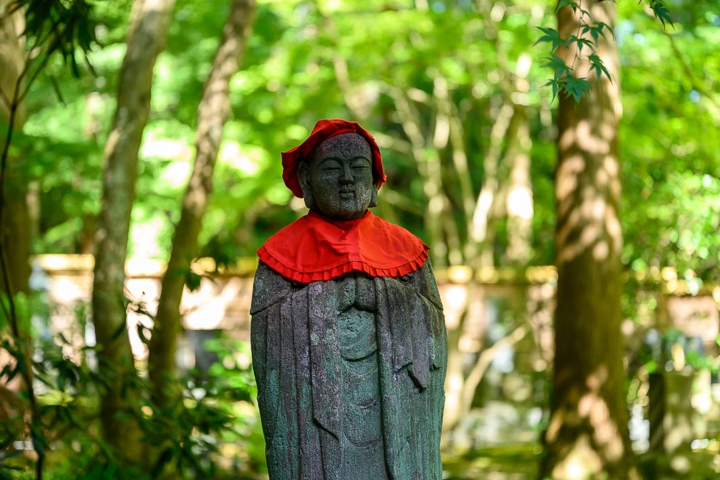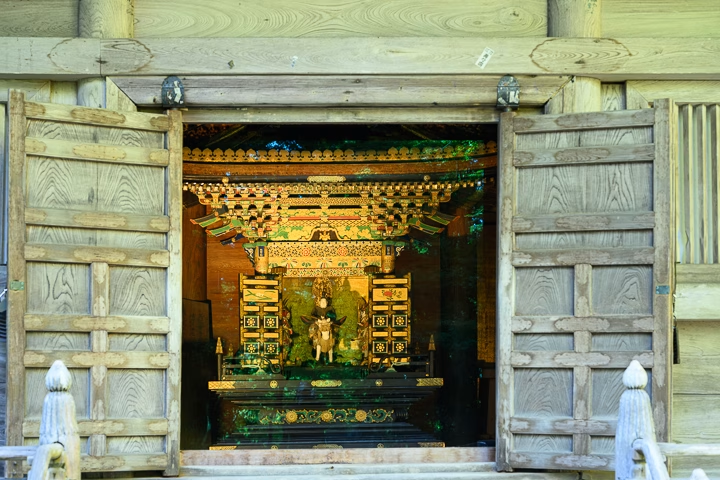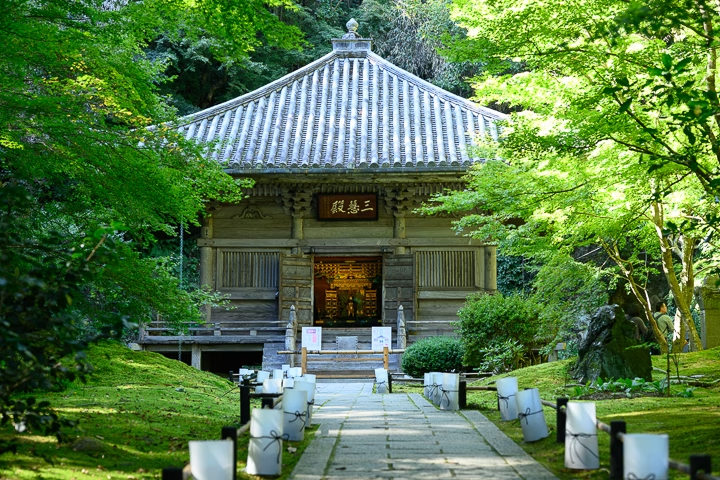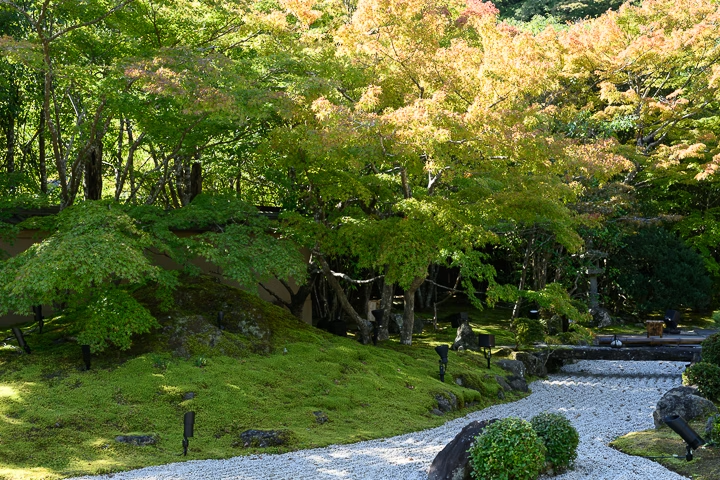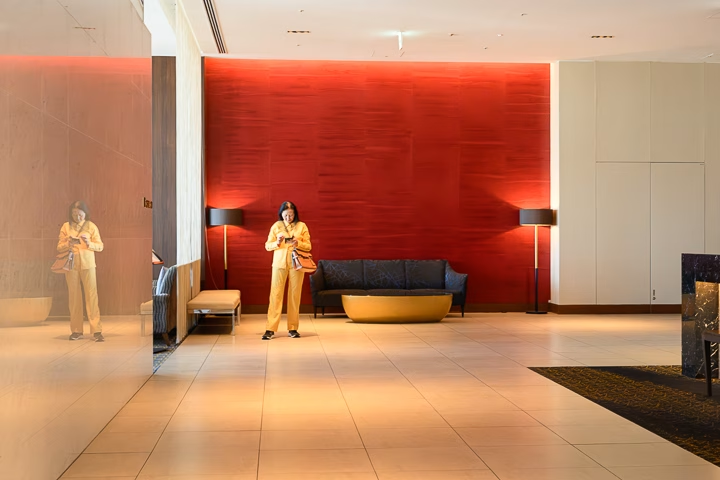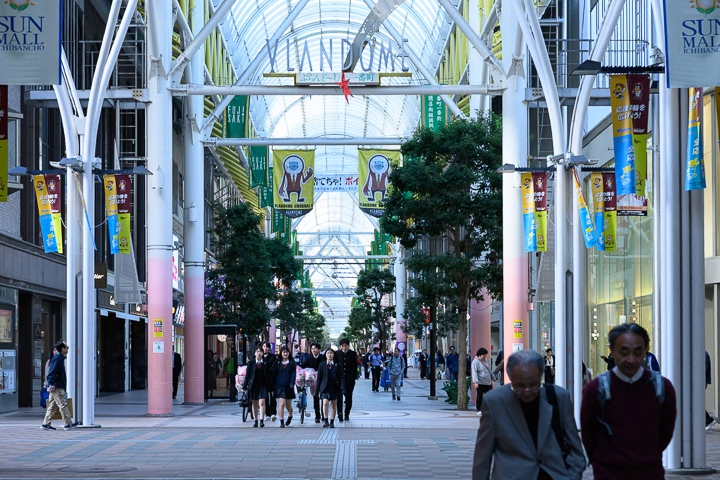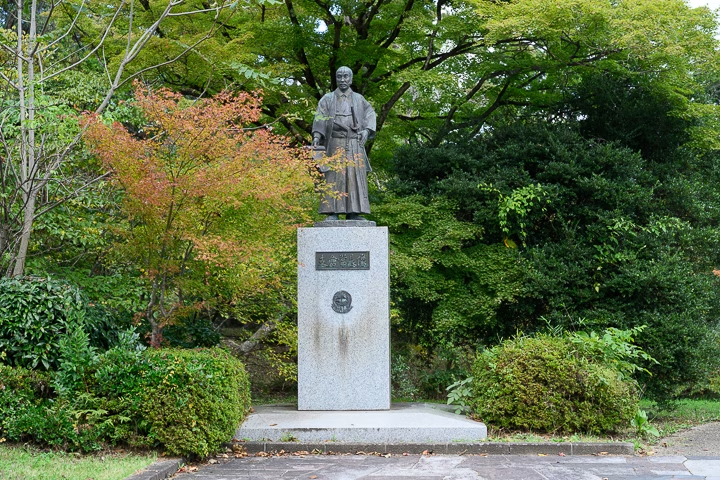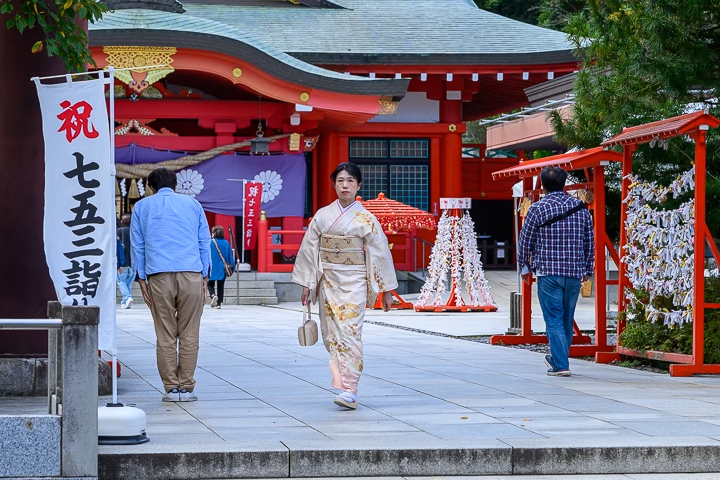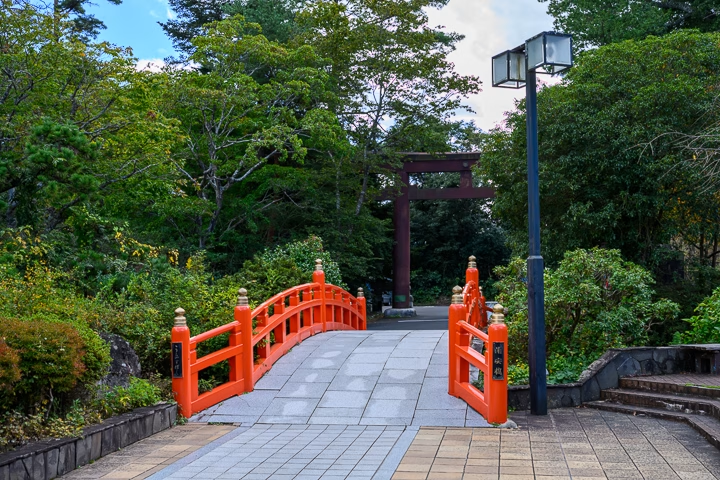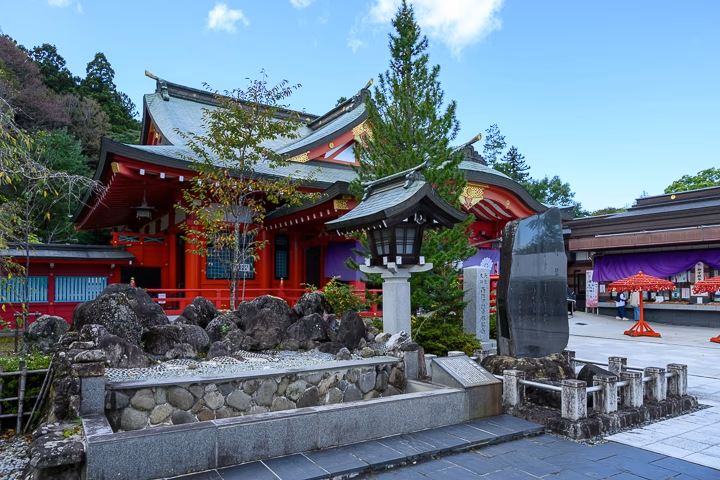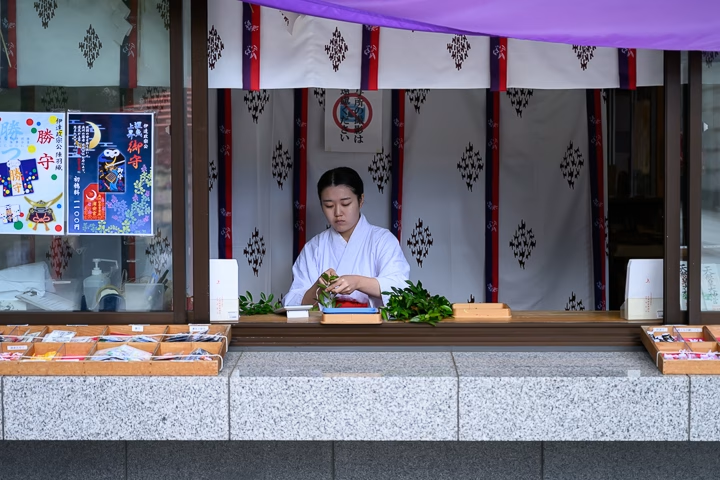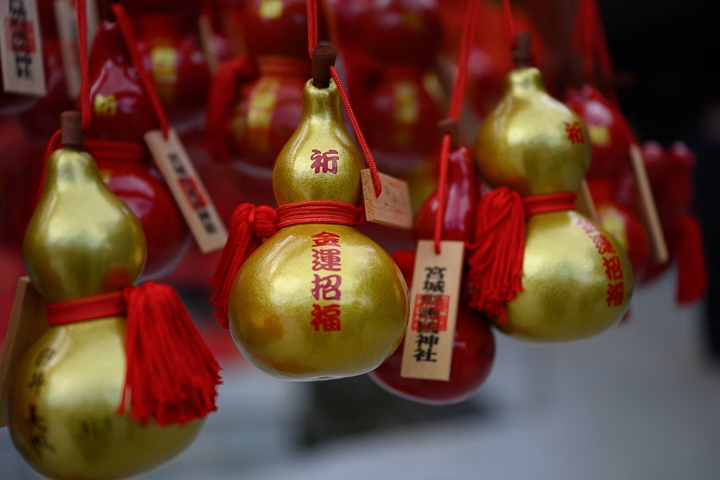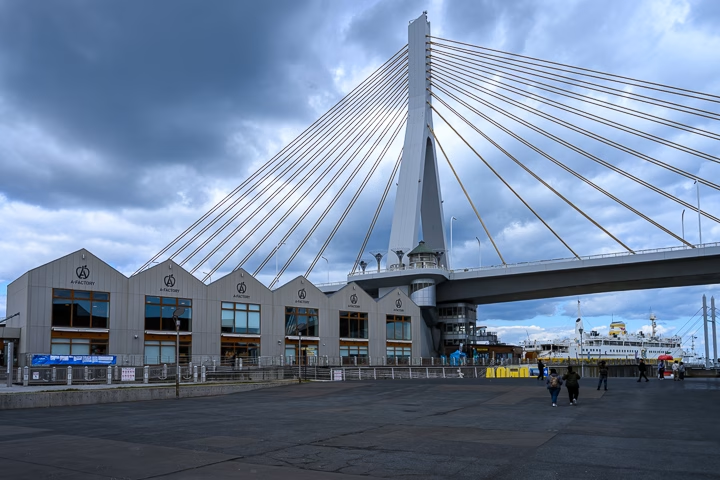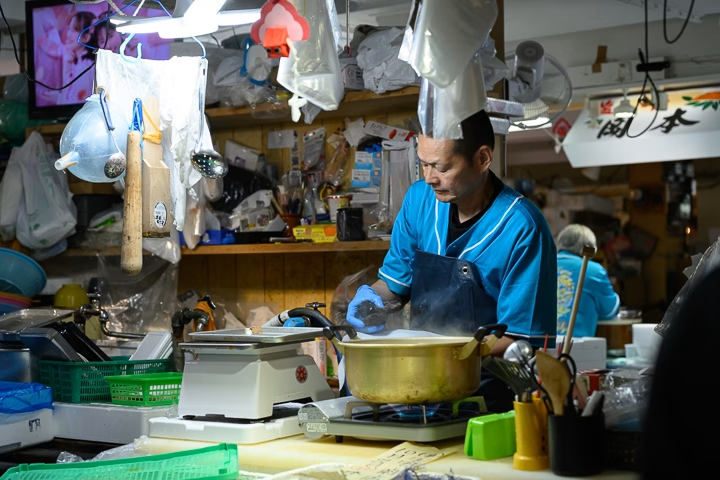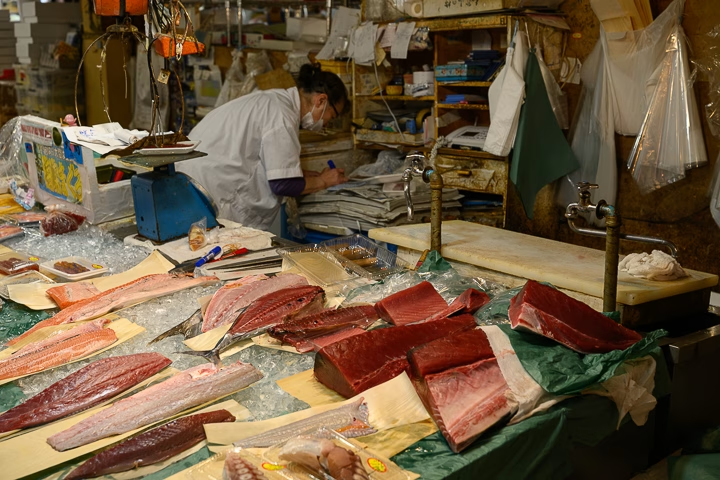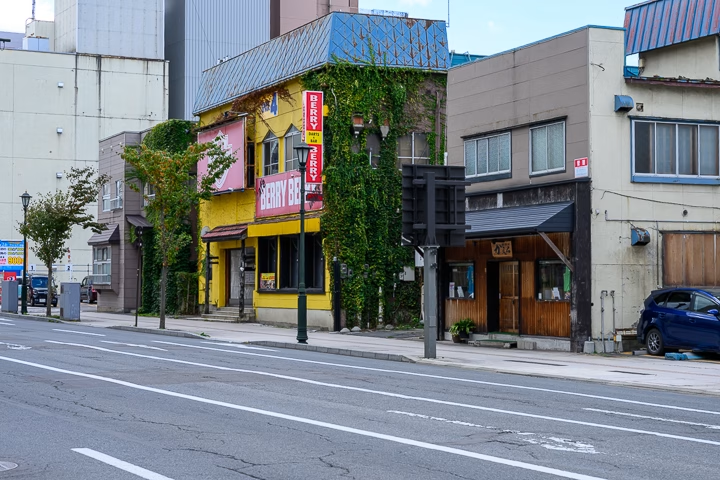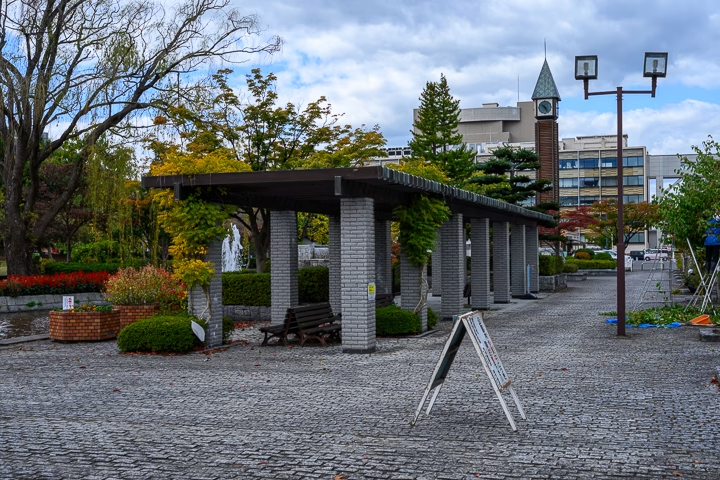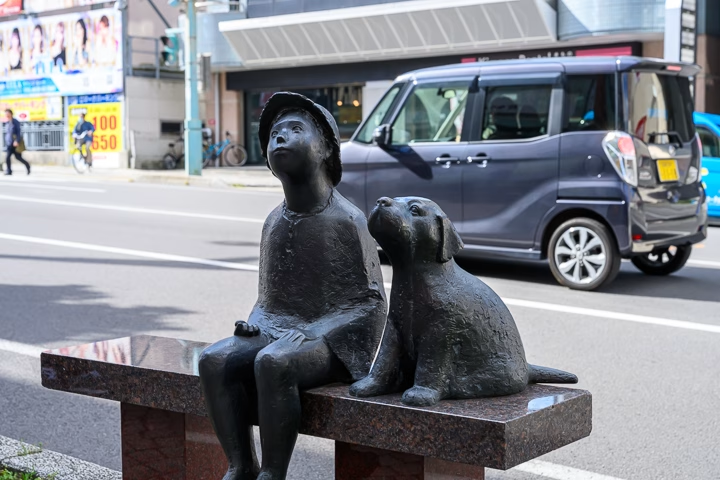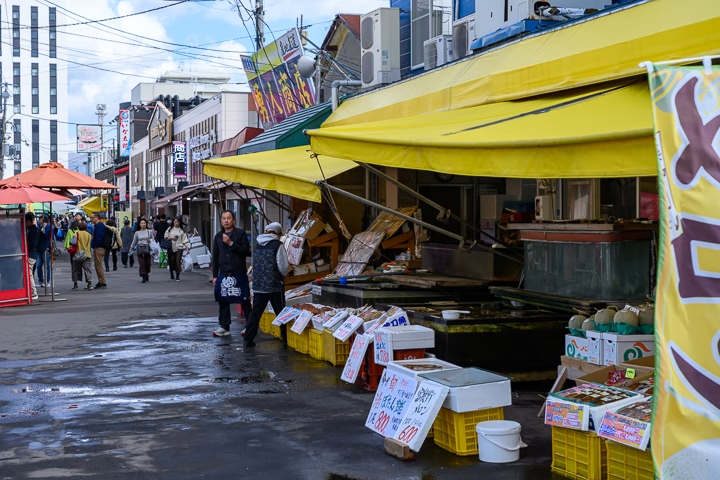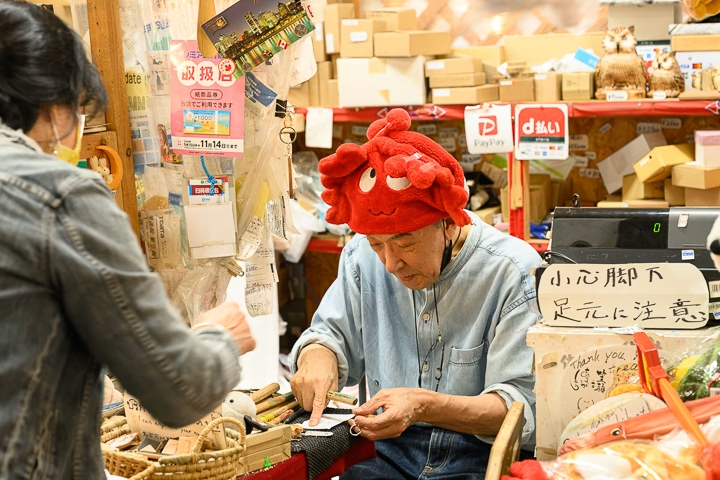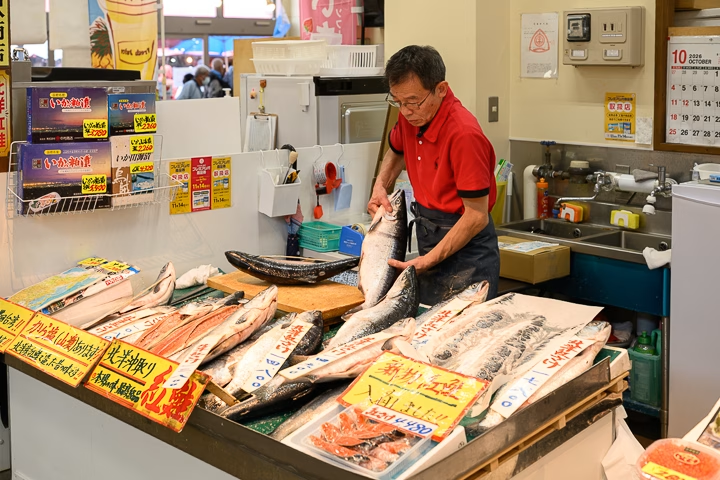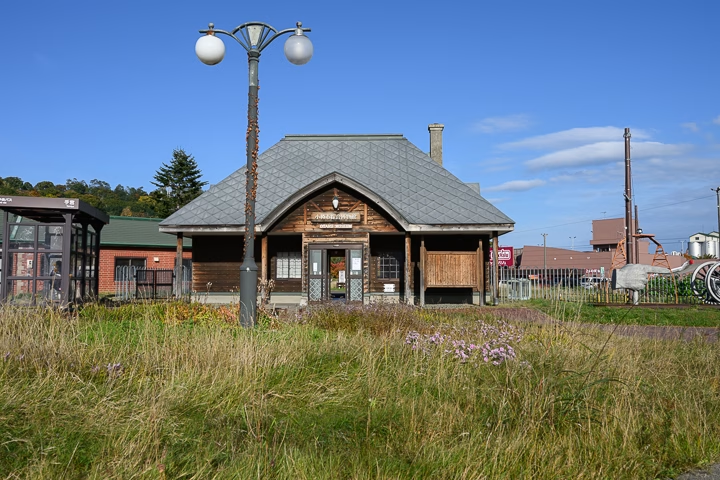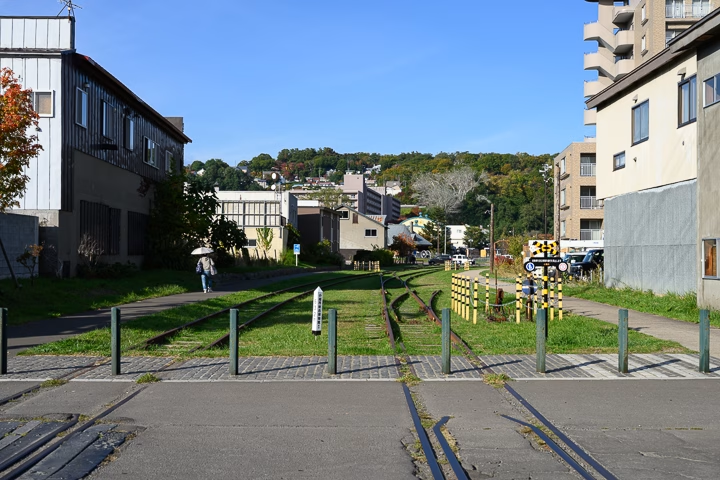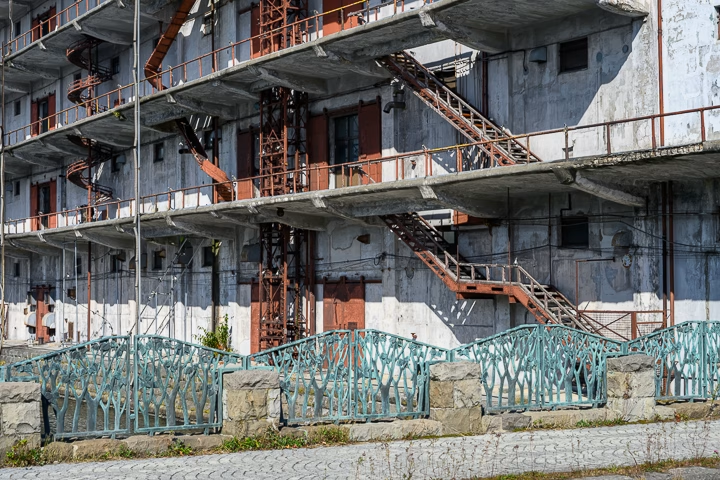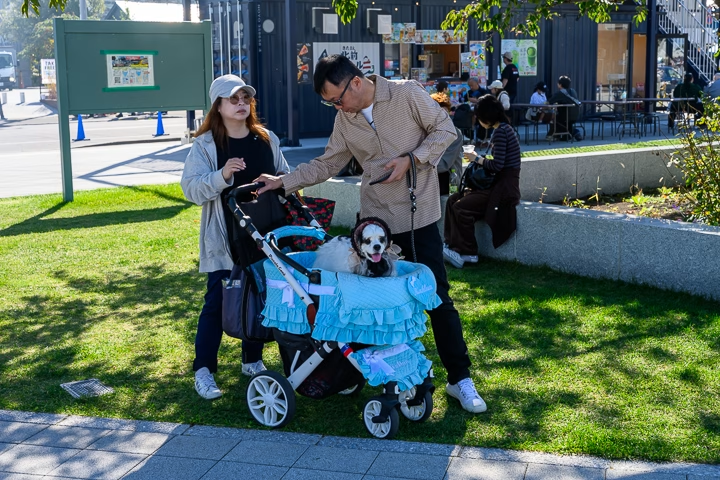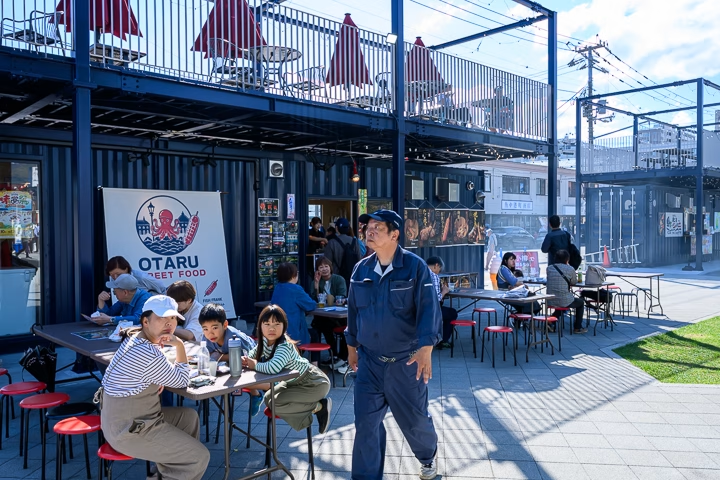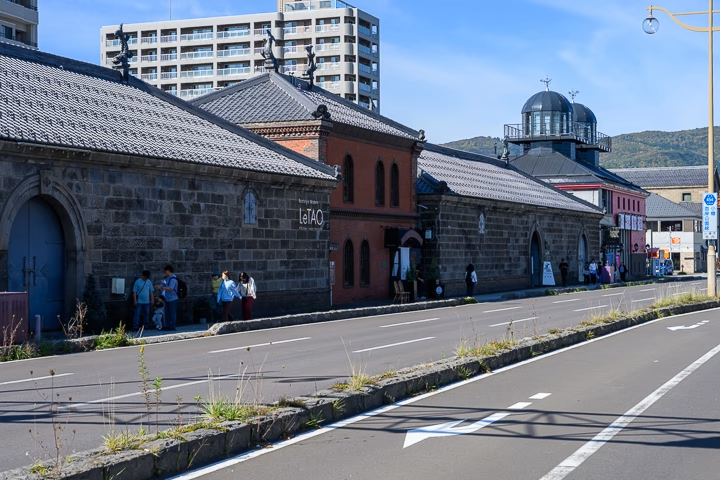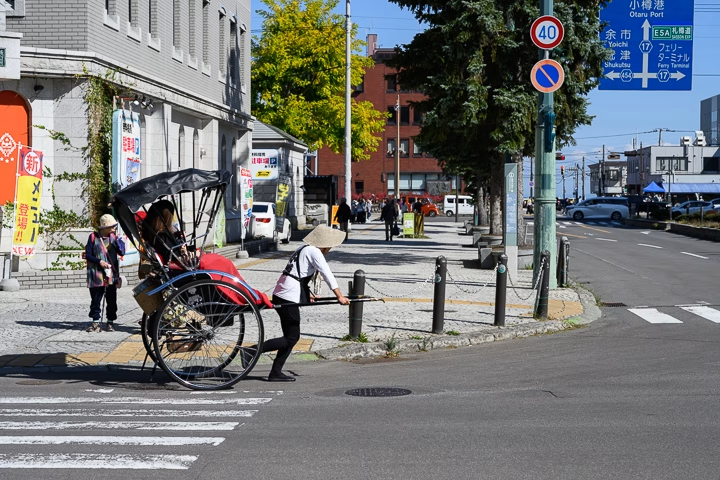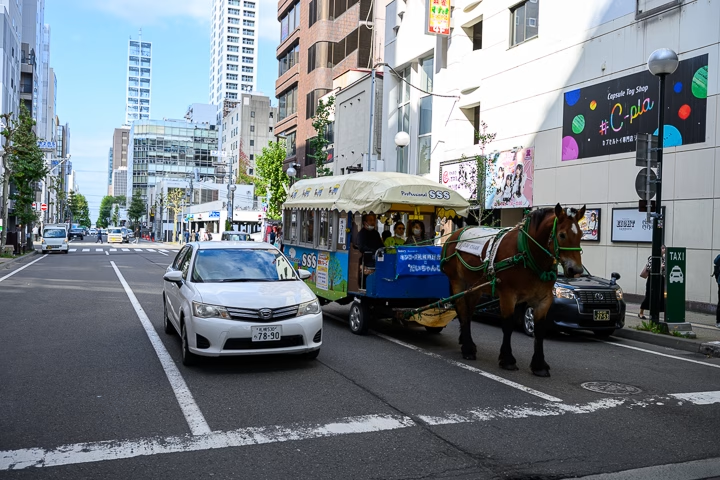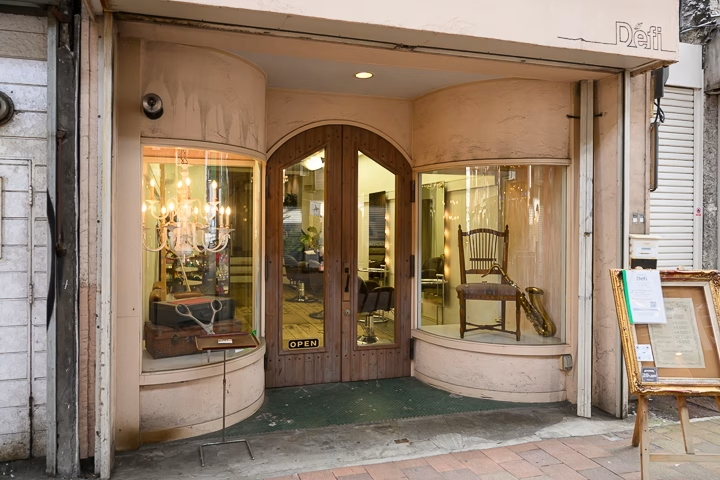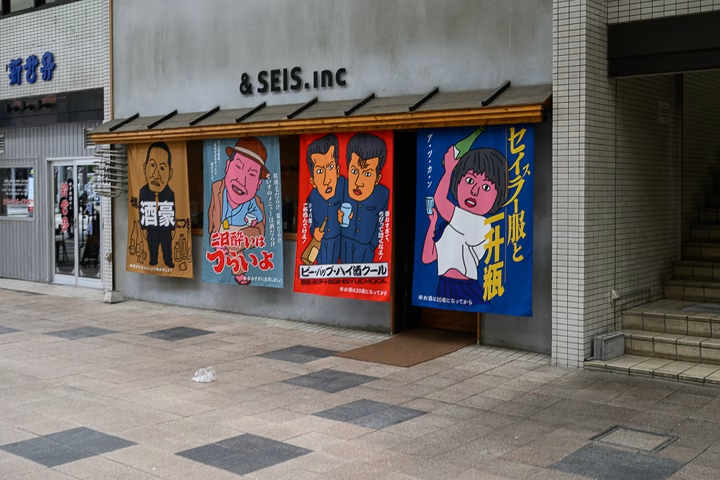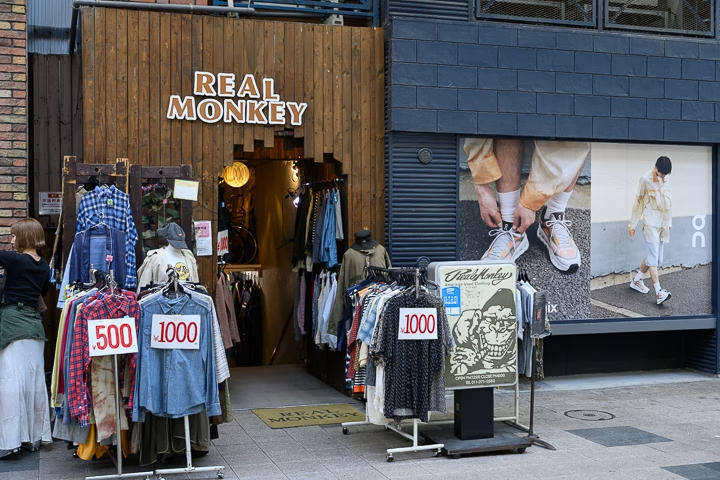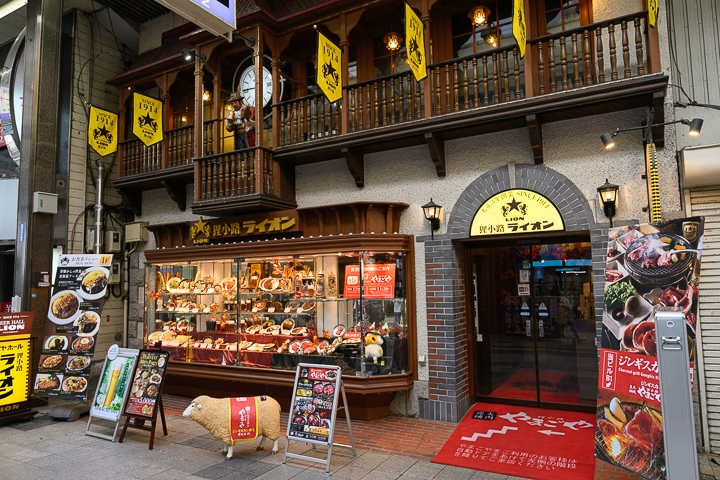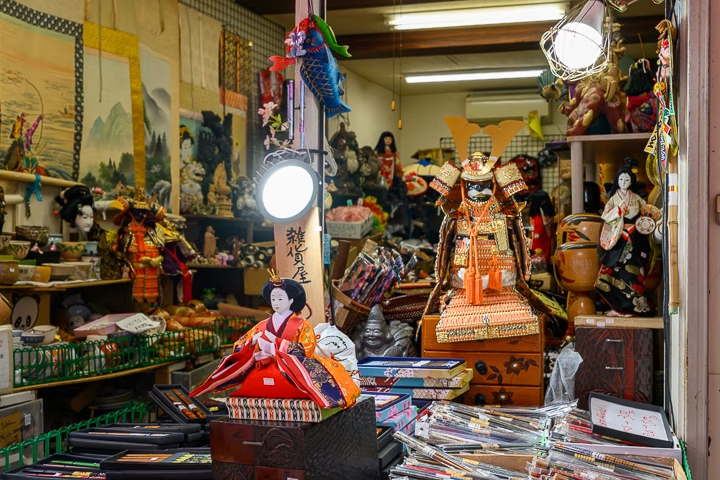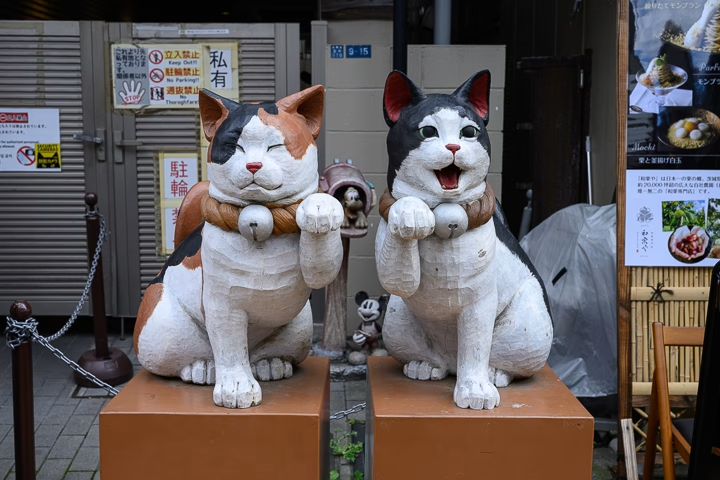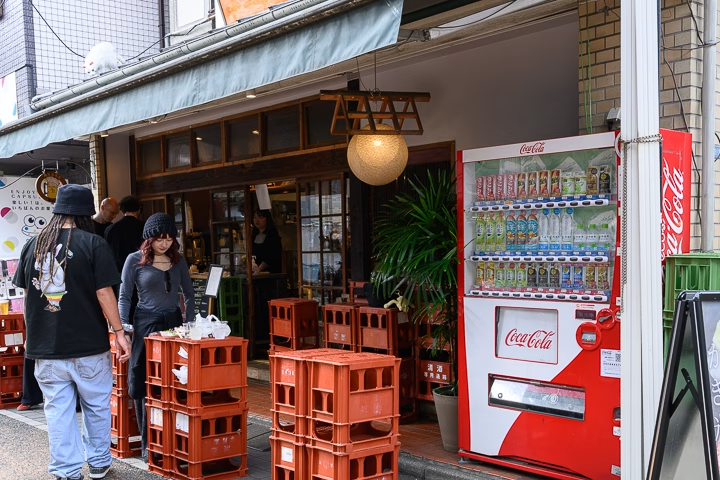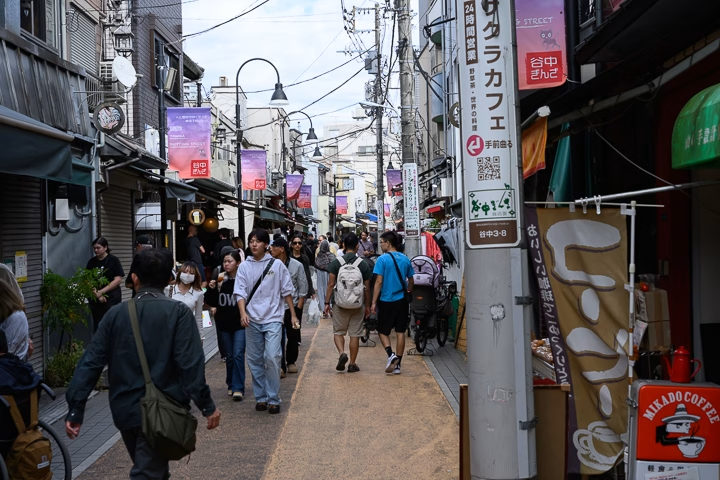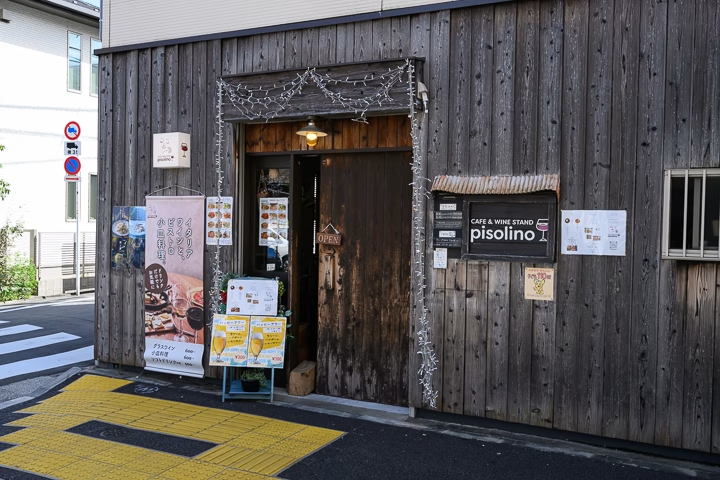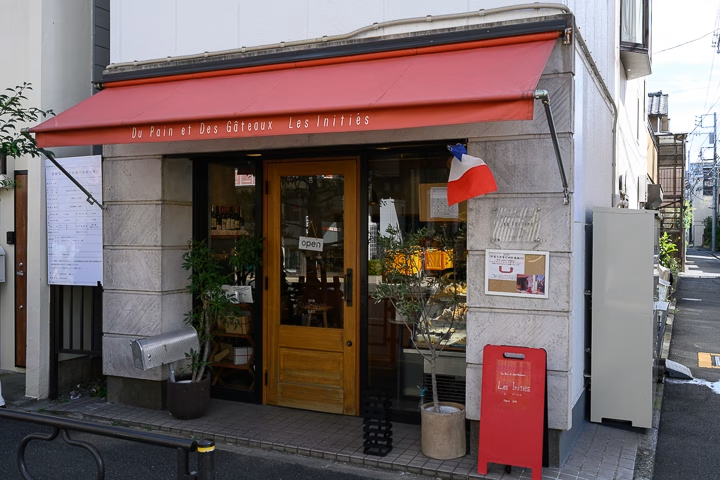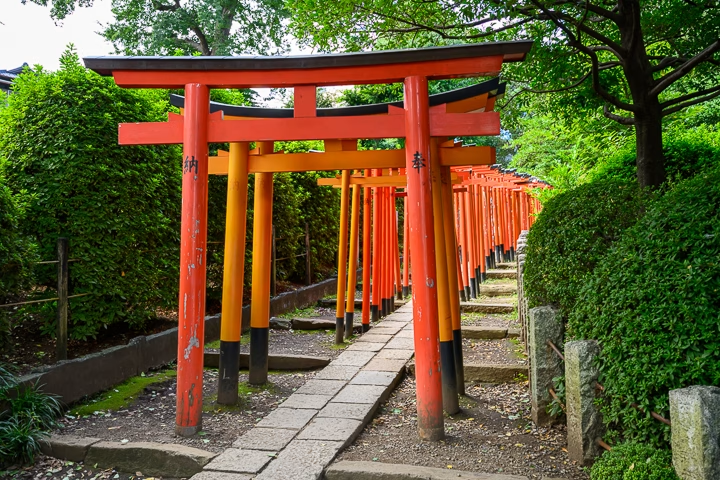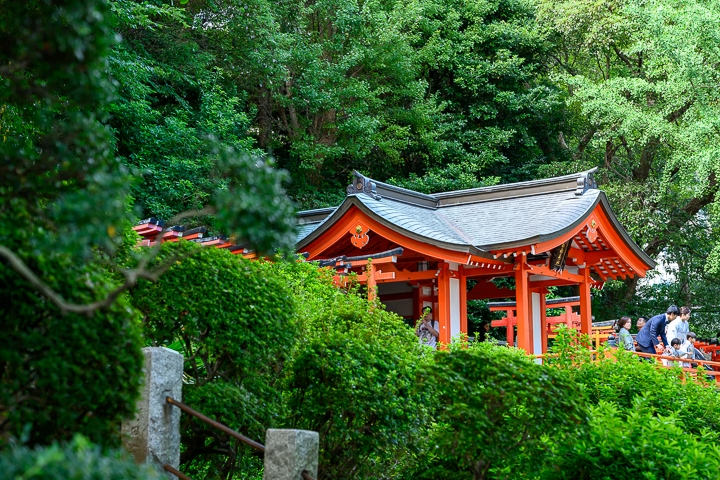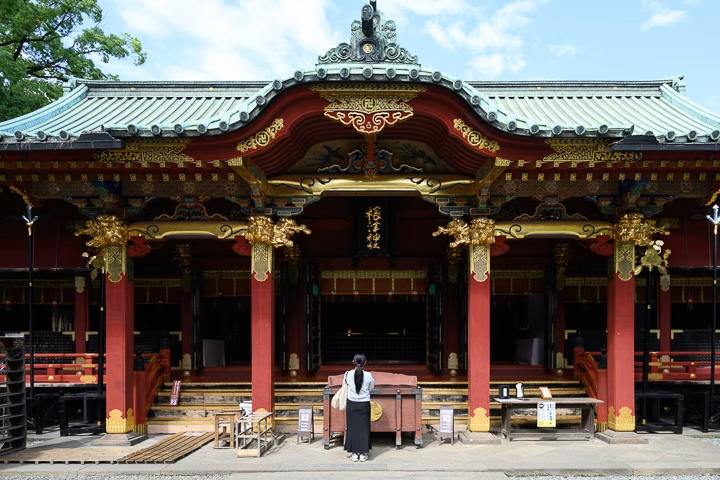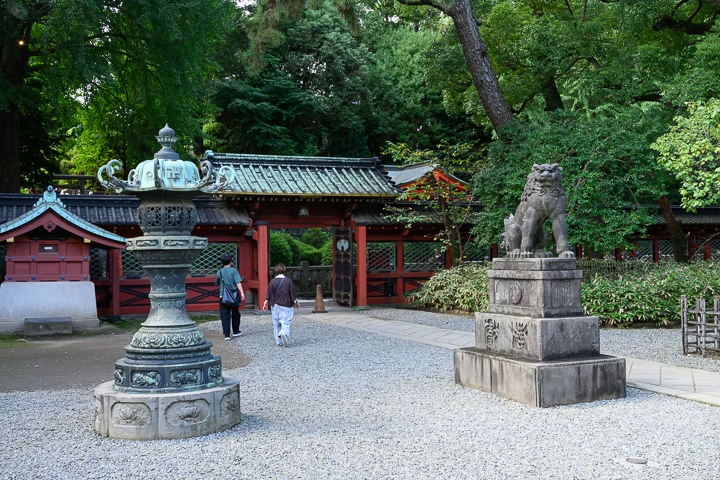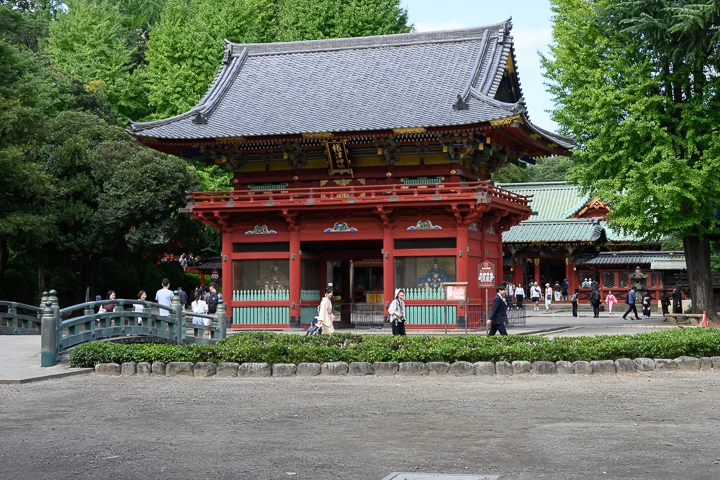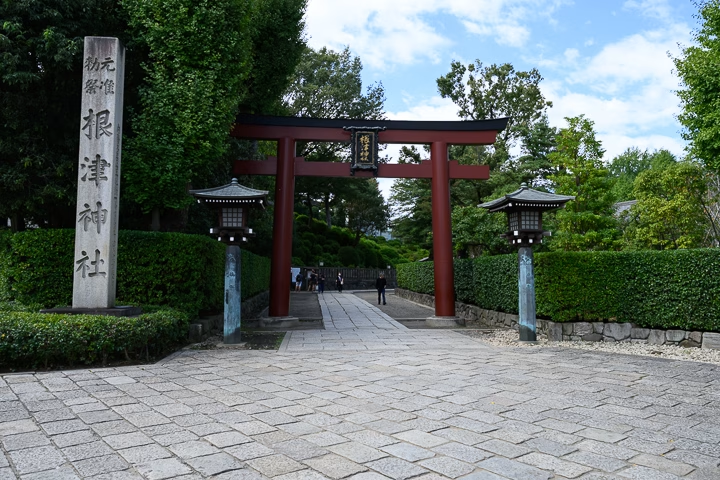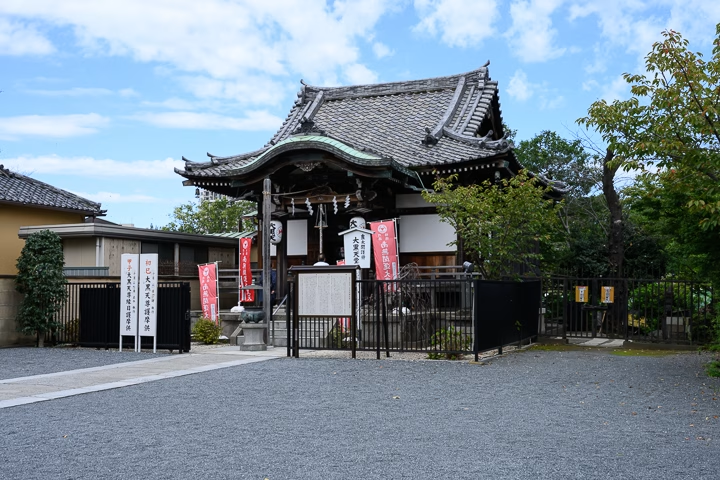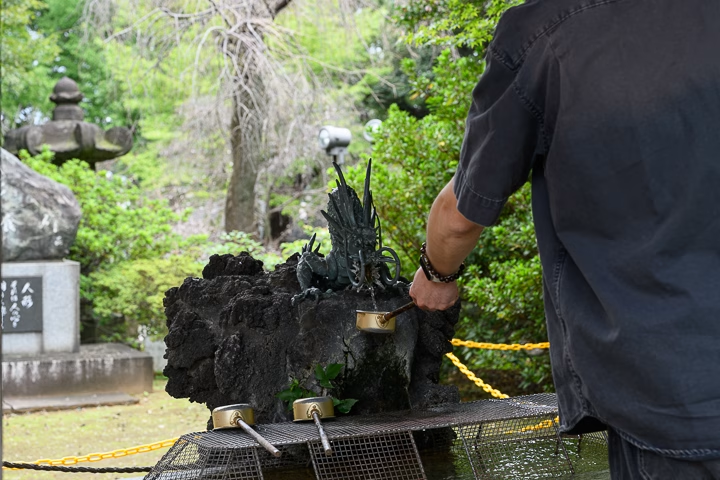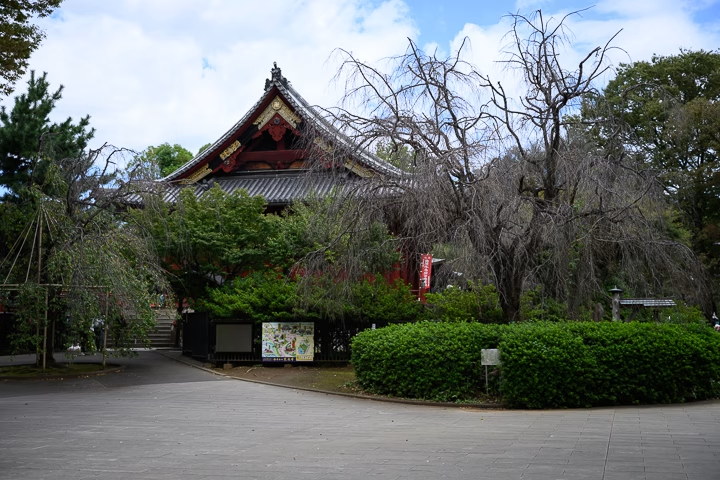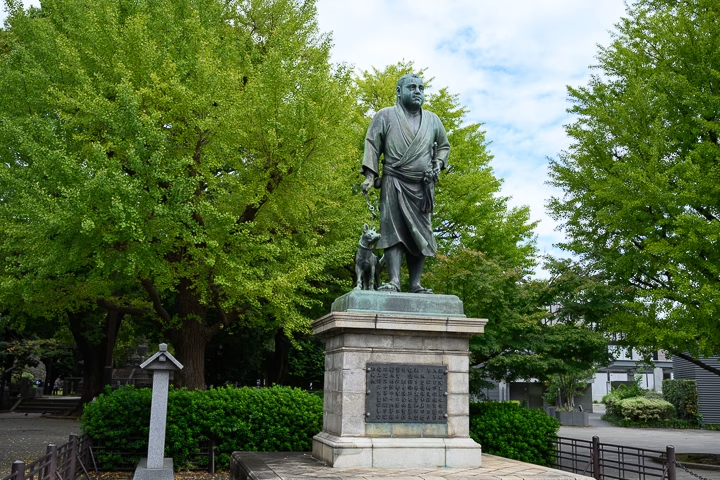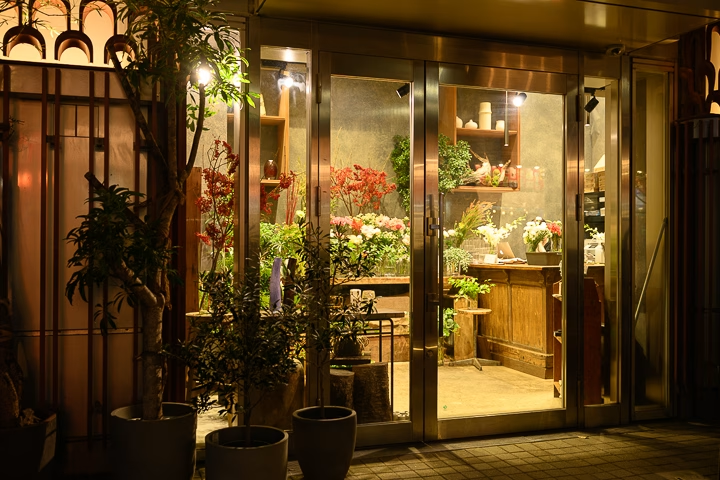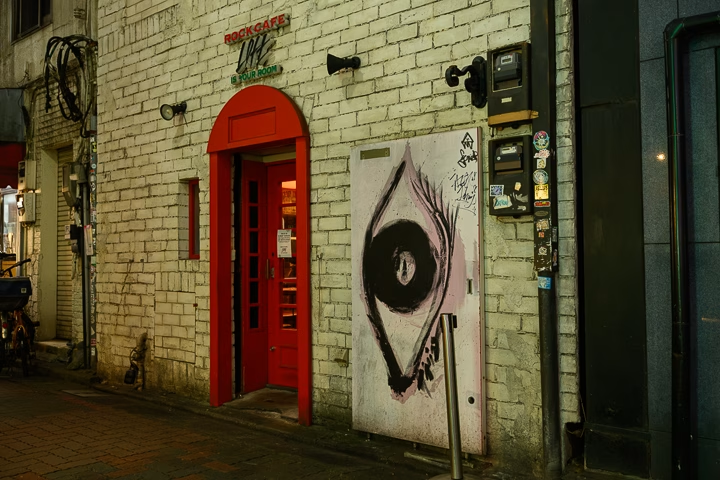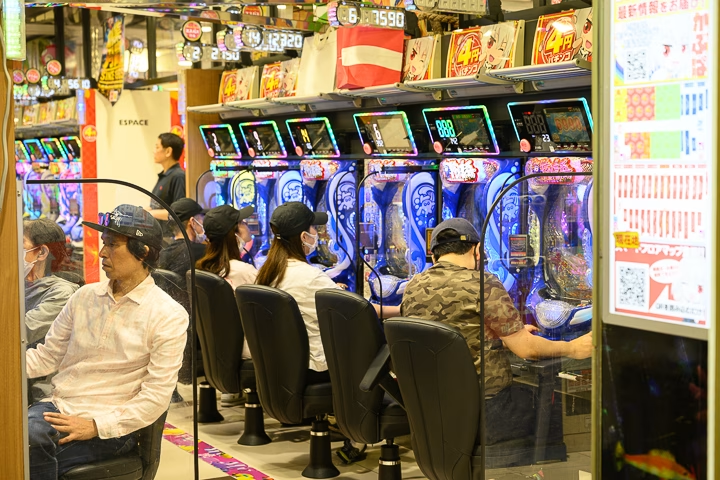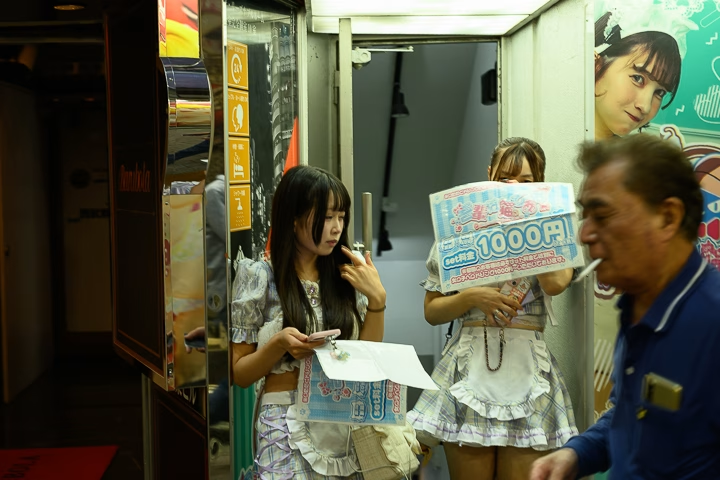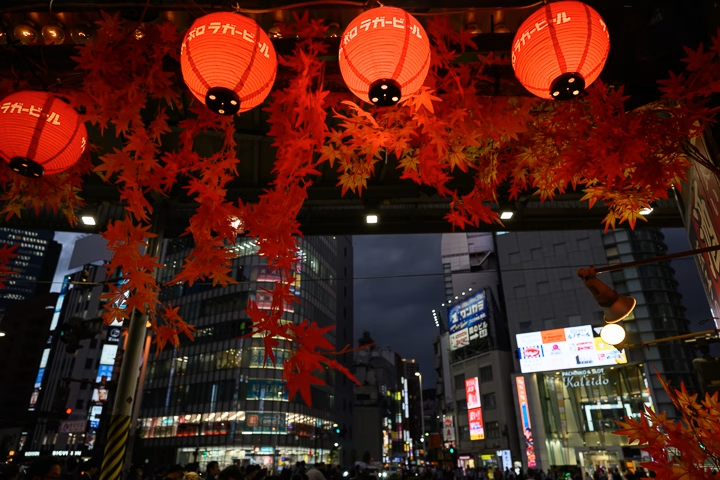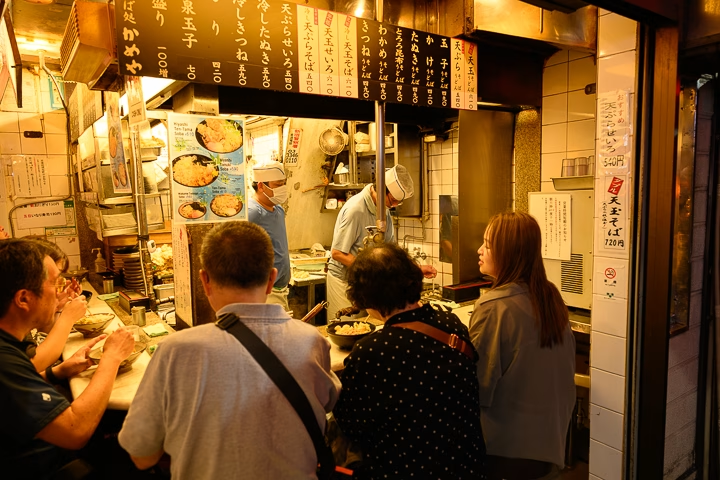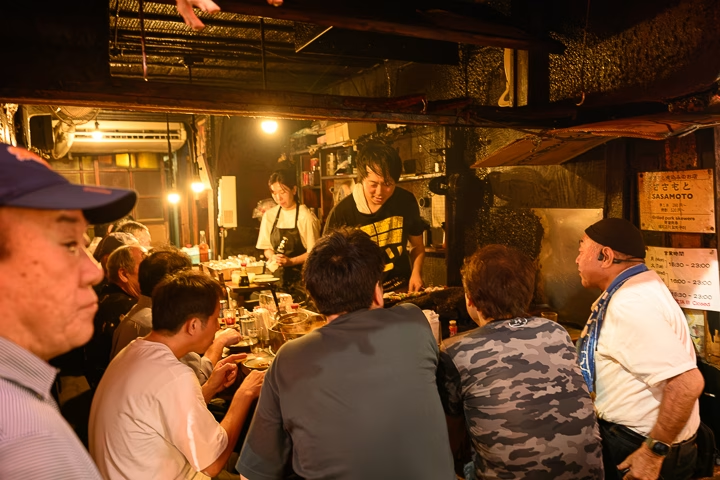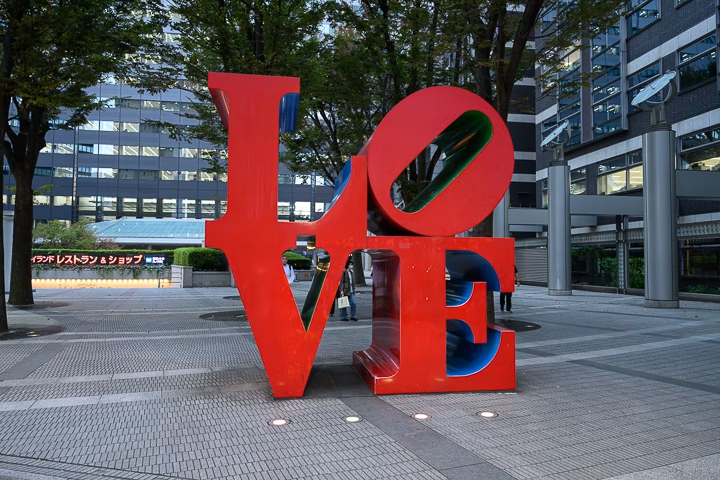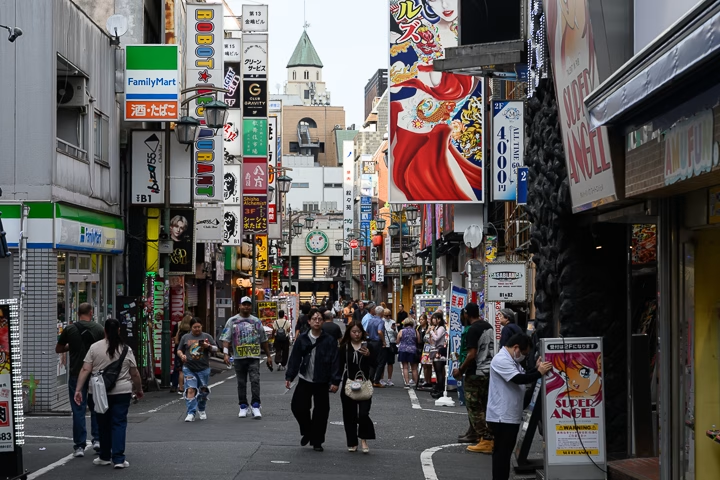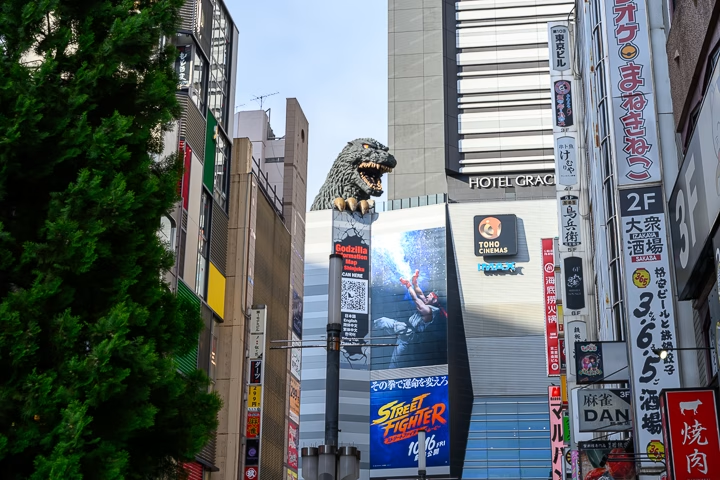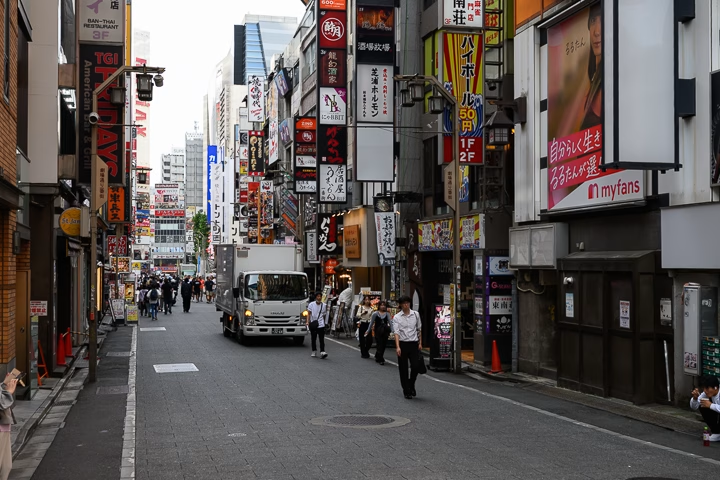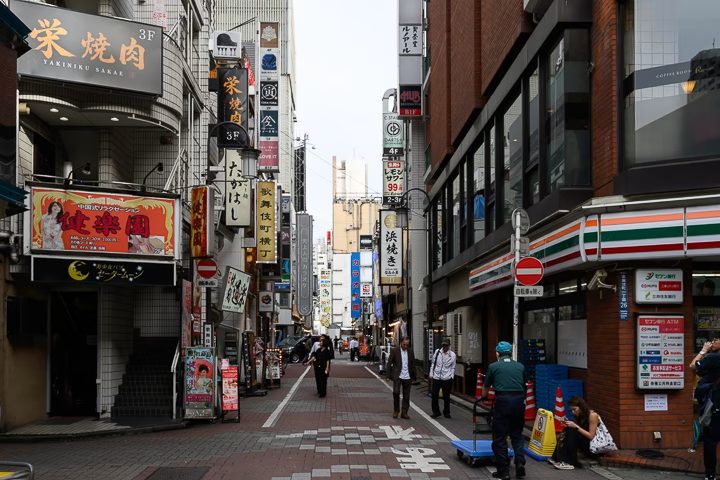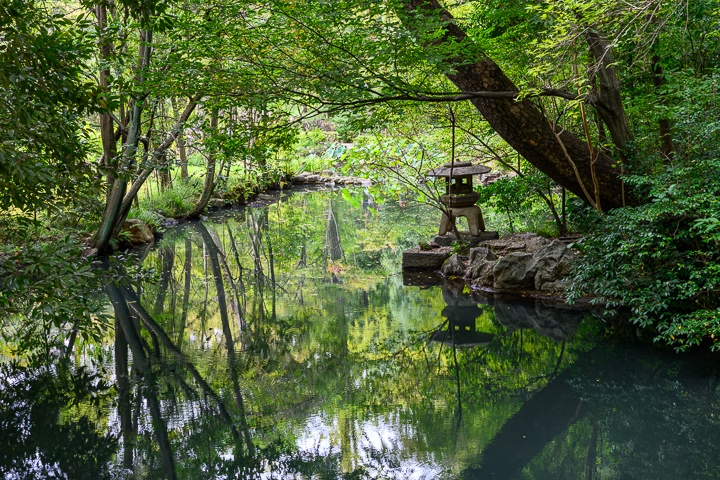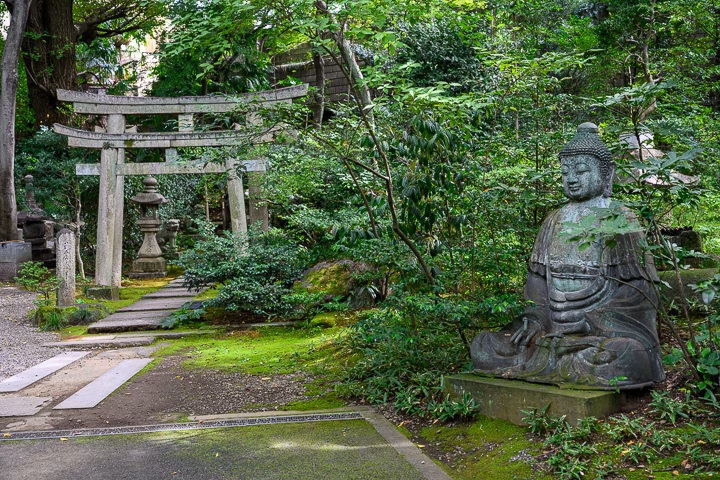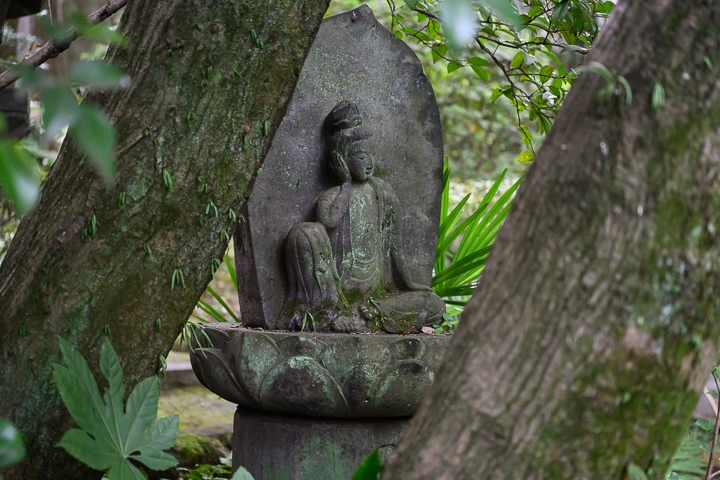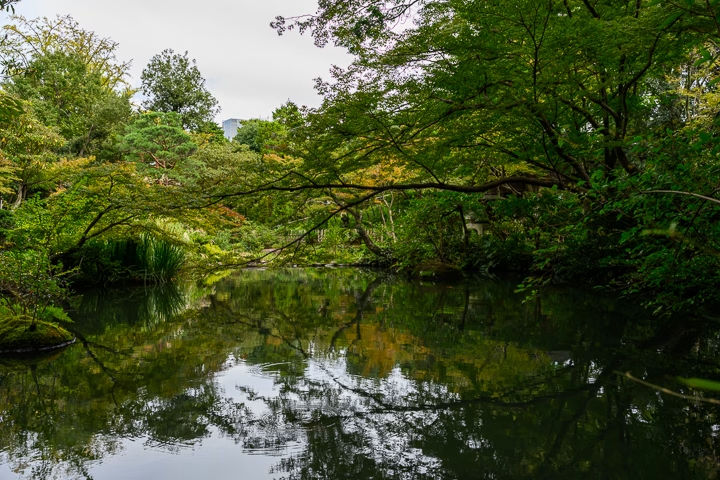
This time our journey took us from Sapporo to Tokyo. After a few days exploring the capital, we headed north to discover Hokkaido and the Tohoku region. We wanted to experience a different side of Japan, away from the usual tourist routes. Along the way, we discovered charming towns, beautiful temples, volcanic landscapes and some wonderful local food. Most importantly, we enjoyed taking our time and discovering places at our own pace.
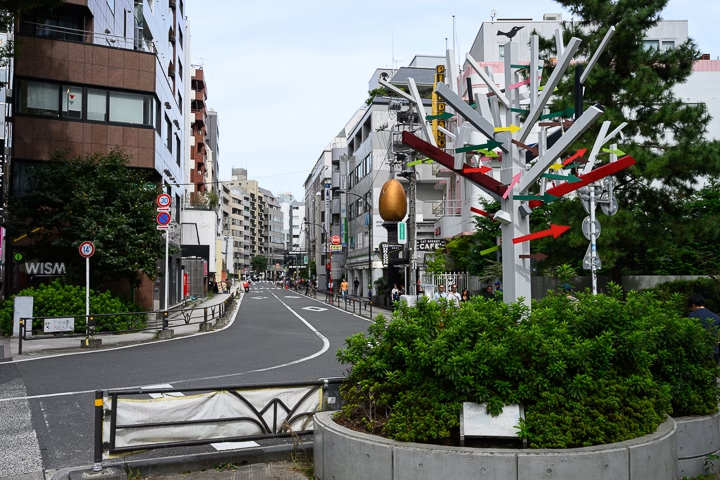
Tokyo: Meeting a Friend
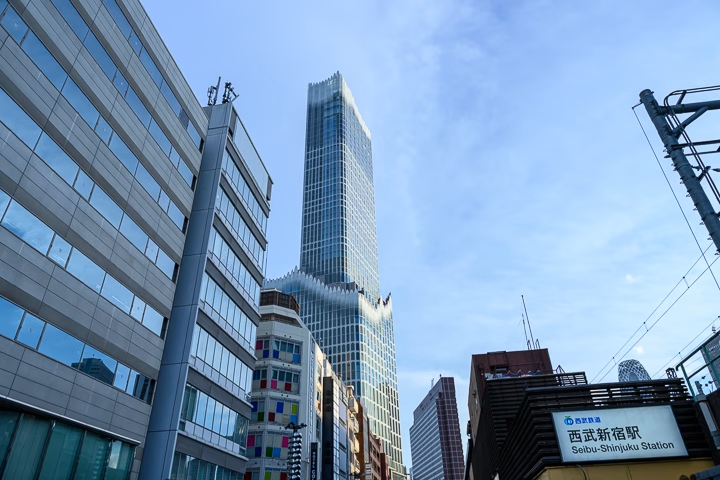
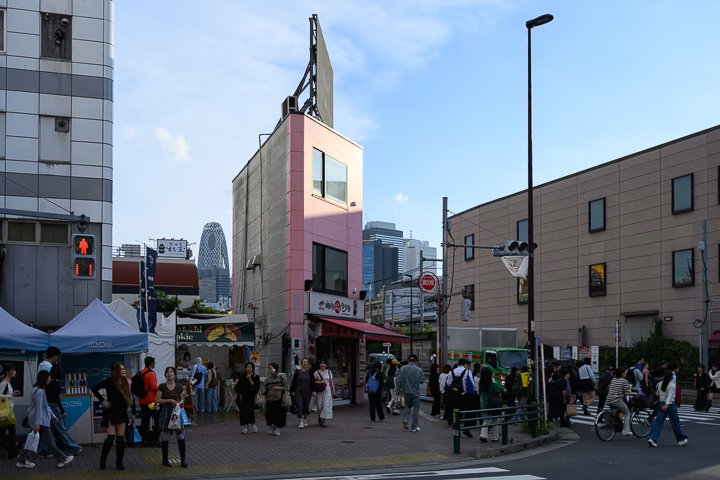
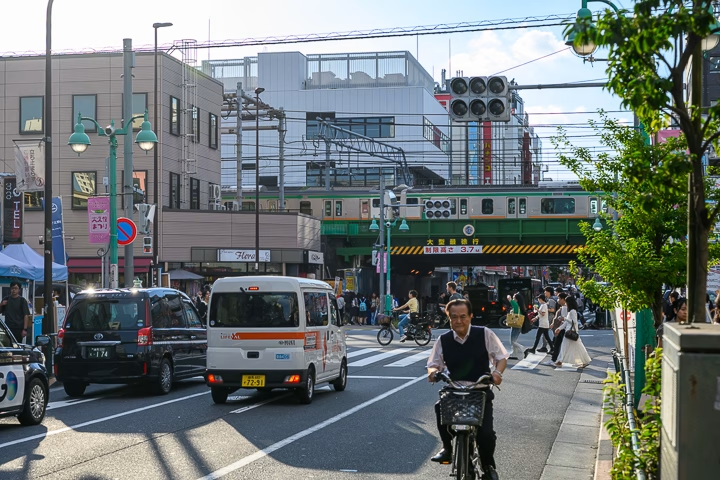
We started our journey in Tokyo, staying in Shinjuku. We had booked our stay at the Groove Hotel Shinjuku. After checking-in, we went out for a short walk around the neighbourhood. The backstreets around Shinjuku are full of small restaurants and independent shops. Since it was already quite late, we looked for a simple, but filling dinner. Google maps is great to find your way around Tokyo and, if you can trust the reviews, to find nice little restaurants. We went to Menshou Taketora. Next to the bar seating, they have a few private rooms with low tables. We were seated in an individual room and were able to order from an iPad. We could not resist a bowl of ramen, which was a great way to start our Japanese adventure.
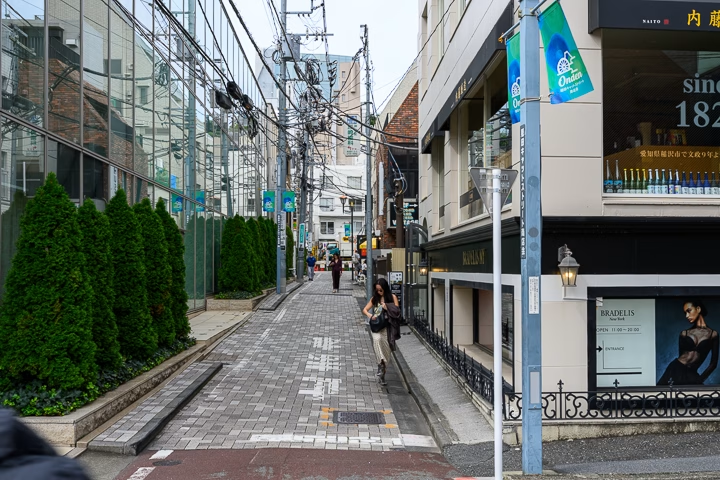
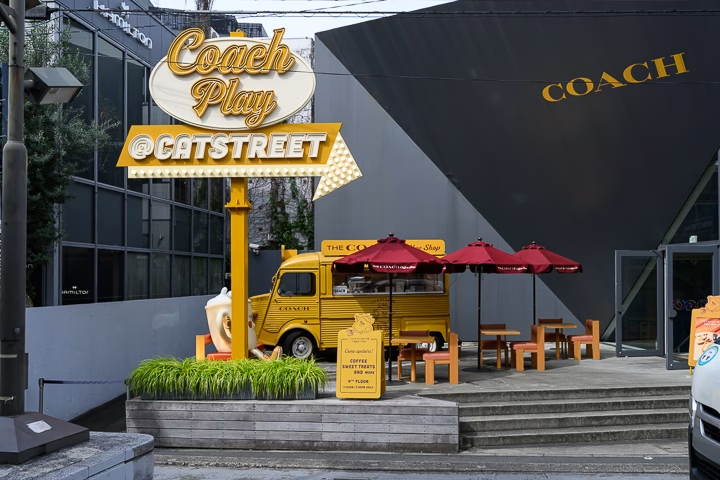
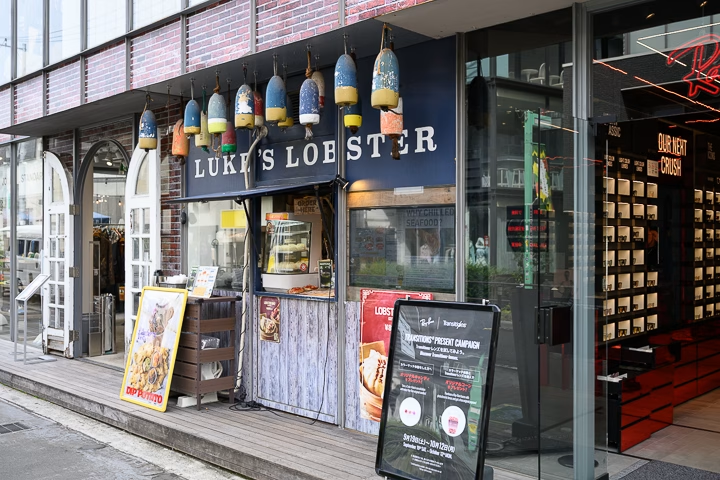
The following day, we headed for Shibuya, but instead of going to the busy crossing, we headed for Cat Street. This pedestrian-friendly back street connects Shibuya to Harajuku. It is known as the home of Tokyo’s street fashion culture with a mix of designer boutiques and vintage shops. You will also find plenty of trendy cafes and restaurants.
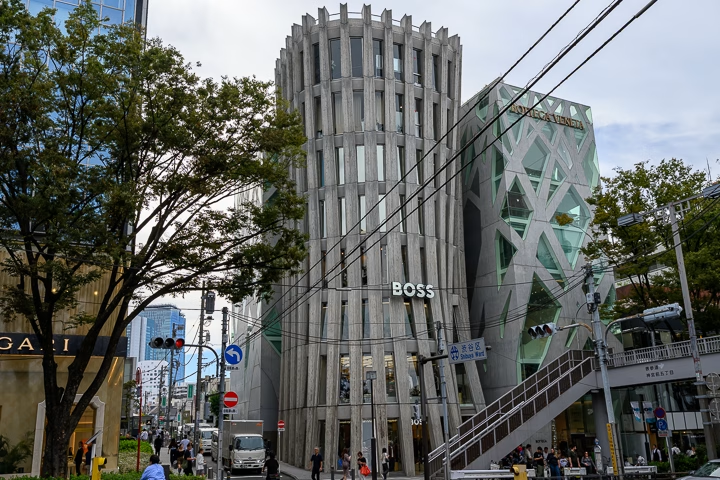
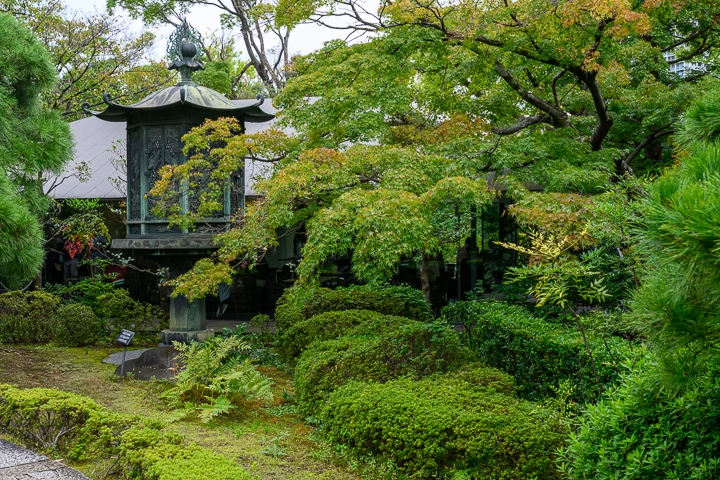
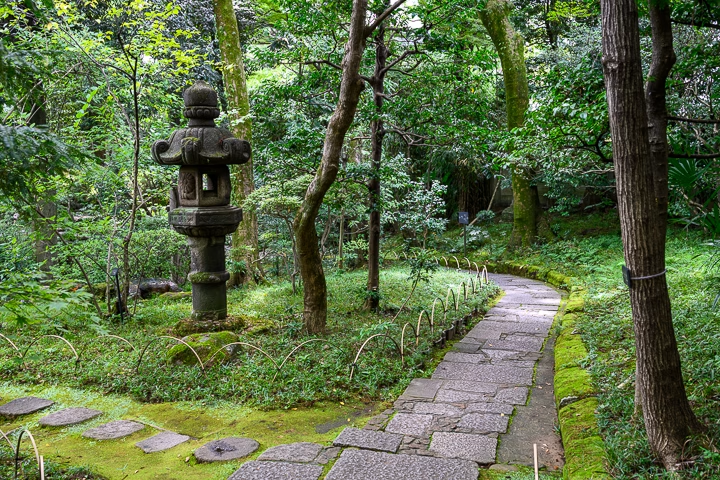
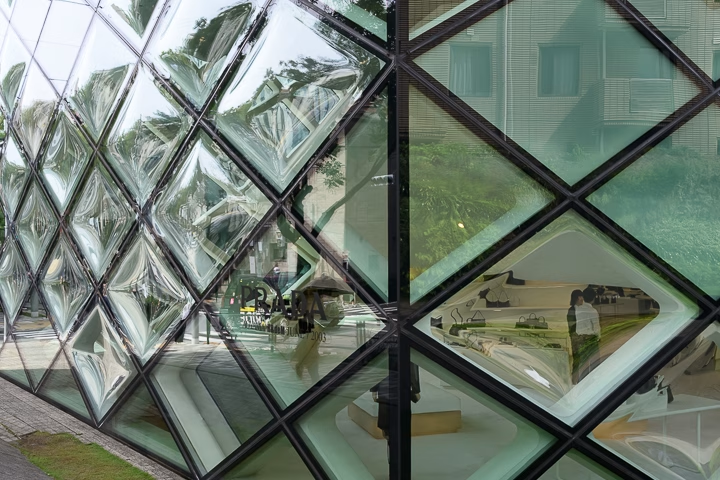
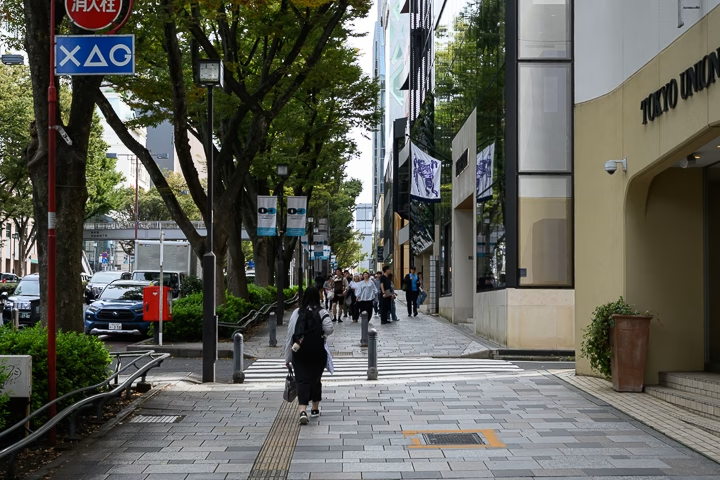
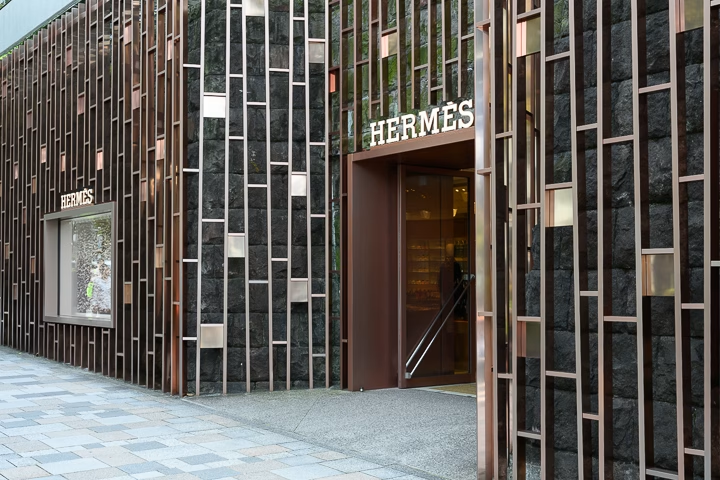
After a while, Cat Street crosses Omotesando. Turn into Omotesando and walk along its impressive shops and elegant buildings. I would compare it with Bond Street and New Bond Street in London. At the far end of Omotesando, you will reach the Nezu Museum, which offered a welcome change from the busy streets. It is home to a collection of Japanese and Asian art. Strolling in the gardens is delightful and very relaxing. If you are lucky enough, you may be able to have some tea and cake at the teahouse.
Ueno, Nezu and Yanaka
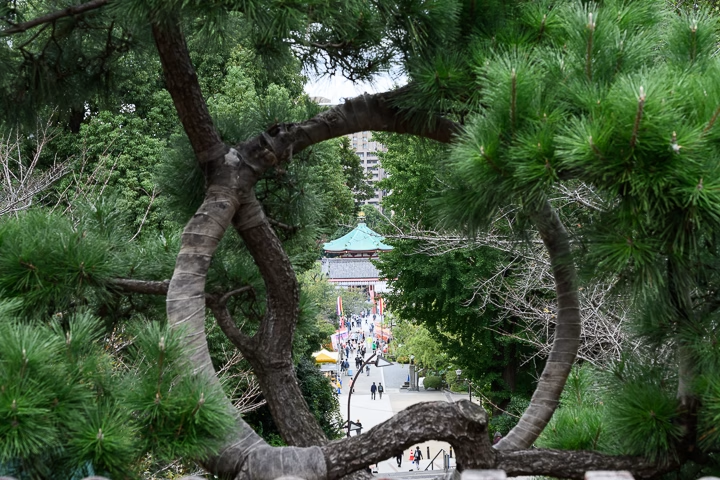
One of the highlights of our visit in Tokyo, however, was meeting Masa, our guide on our first visit, again. We had kept in touch with him since our previous trip, and we were delighted that he could join us for a day’s sightseeing. Like last time, he picked us up at our hotel. Together, we explored Ueno Park, walked through the Nezu area and ended our tour at Yanaka.
For lunch, he had chosen to take us to one of his favourite restaurants, Kiri Yanaka, where we had an eel set menu (unagi). We also tried sake for the first time. Following Masa's recommendation, we ordered his favourite Black Dragon sake from Fukui Prefecture. It was a lovely introduction to something completely new for us.
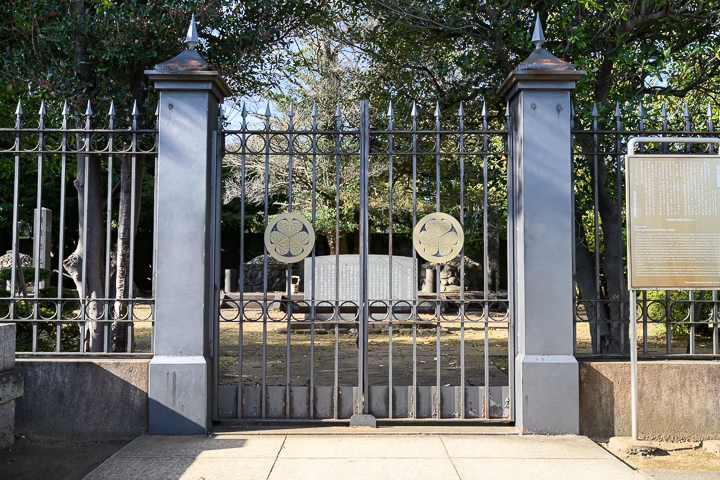
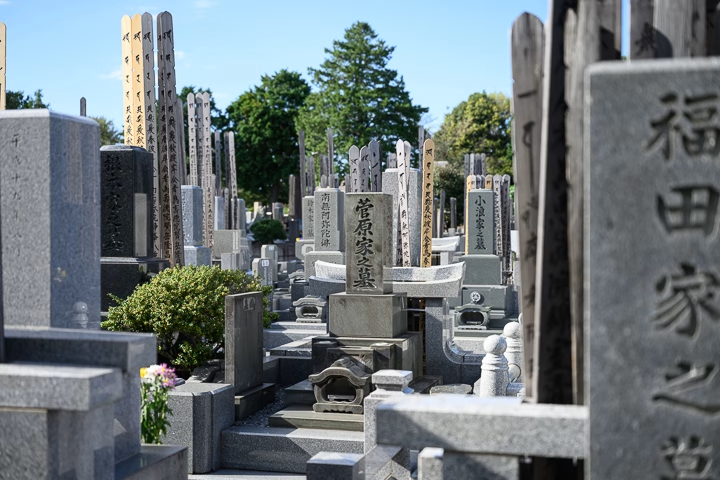
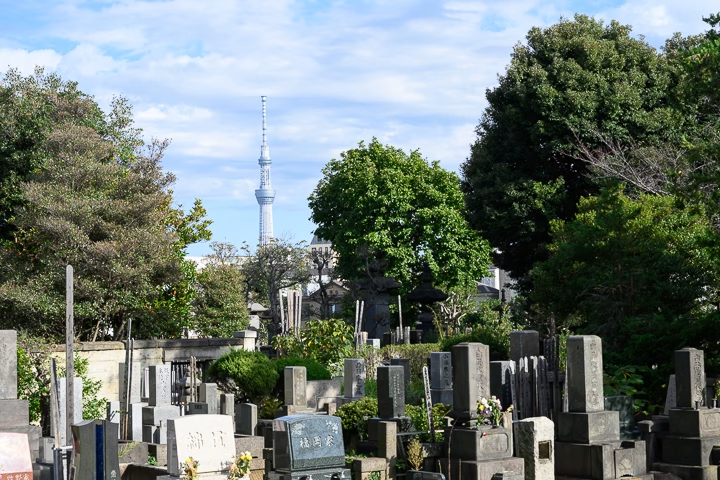
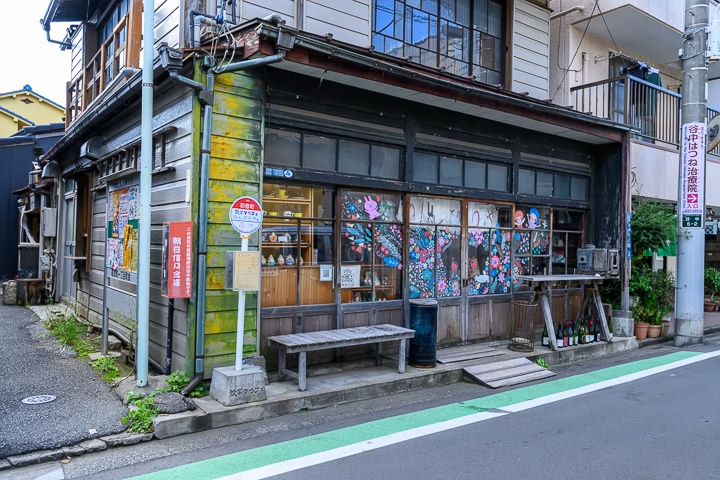
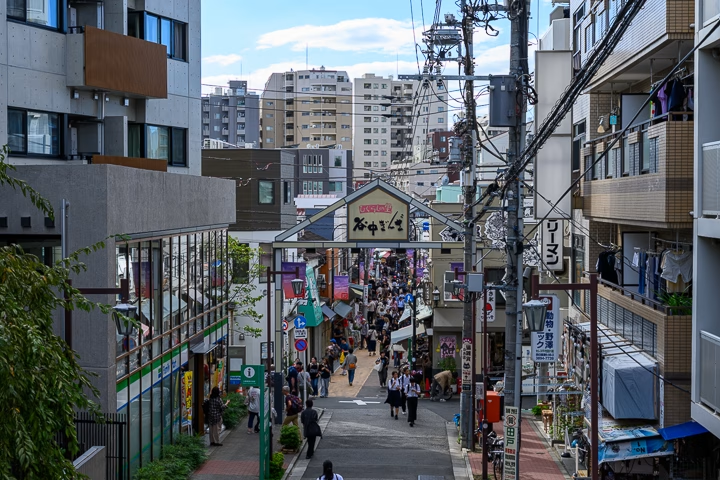
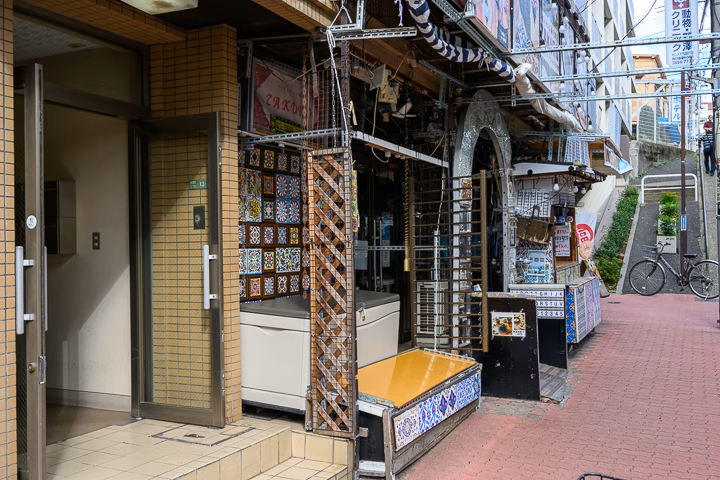
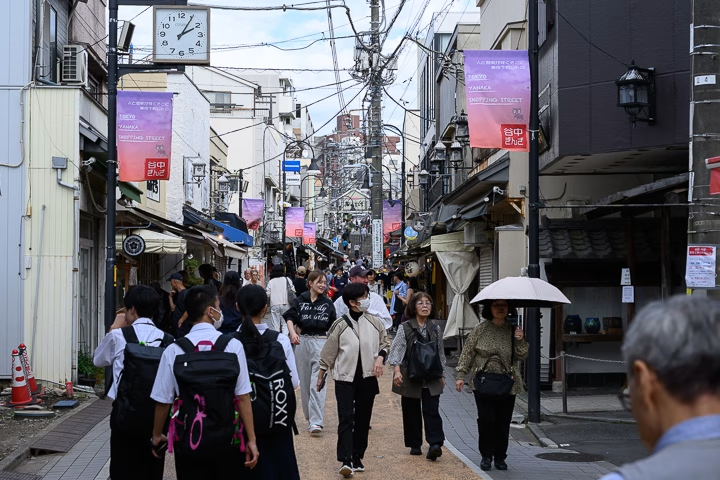
After lunch, we explored Yanaka Ginza, a traditional shopping street since the 1950s, and visited Yanaka Cemetery, where the family of Japan's last shogun, Tokugawa Yoshinobu, is buried. Saying goodbye to Masa afterwards was not easy. It was lovely to reconnect and share another afternoon together. We will for sure try to meet again on our next trip to Tokyo.
Sapporo: A Taste of Hokkaido
Our journey from Sapporo to Tokyo began with a flight north to Hokkaido. After arriving at Chitose Airport, we took the train into the city and checked into the Sapporo Grand Hotel. I had planned our itinerary and booked all hotels in advance. A word of advice: choose a specific room type at booking. I tried to save some money by joining their members scheme and booked a Double “Run of House” room. We ended up in a dark room in a weird corner of the hotel.
We were hungry, so went for a short walk. We stopped at Roquefort Cafe, a little coffee shop on the second floor of a business building near our hotel. The owner spoke very little English, but that did not matter. With the few Japanese sentences I learned, I managed to order what we wanted. The coffee was excellent, and the homemade baked cheesecake was delicious.
Later that night, we discovered Sapporo's original ramen alley and stopped at Yondaime Toraya Shokudo. For the incredible price of one thousand yen each, we enjoyed a bowl of traditional local miso ramen. I went for the spicy version ad my wife decided to have the standard version. You order at the machine in the entrance area and hand over your ticket to the chef over the bar. Small intimate restaurants like this are exactly what we enjoy finding when travelling.
Sapporo: History and relaxing walks
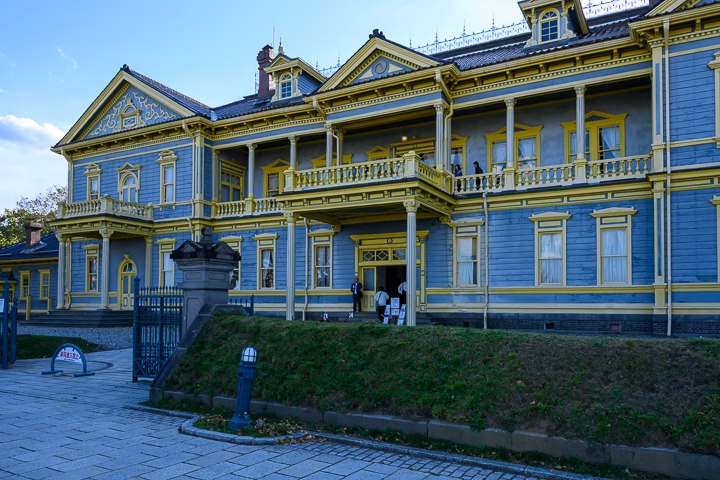
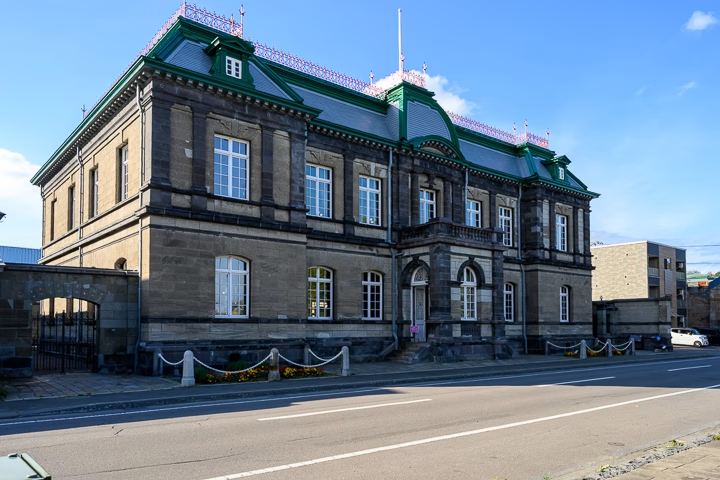
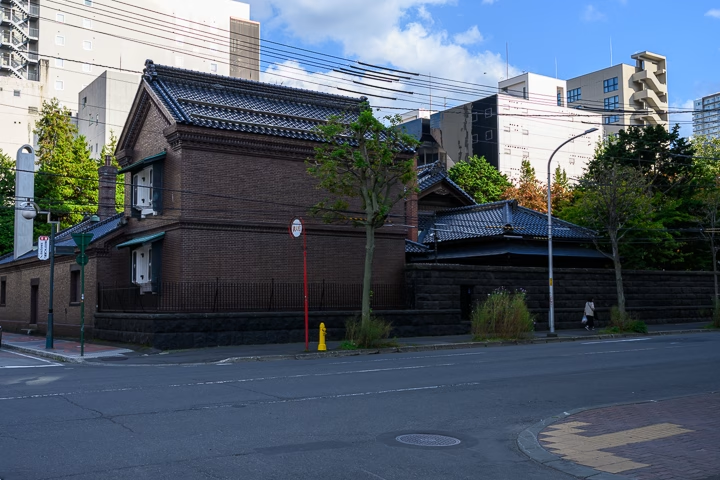
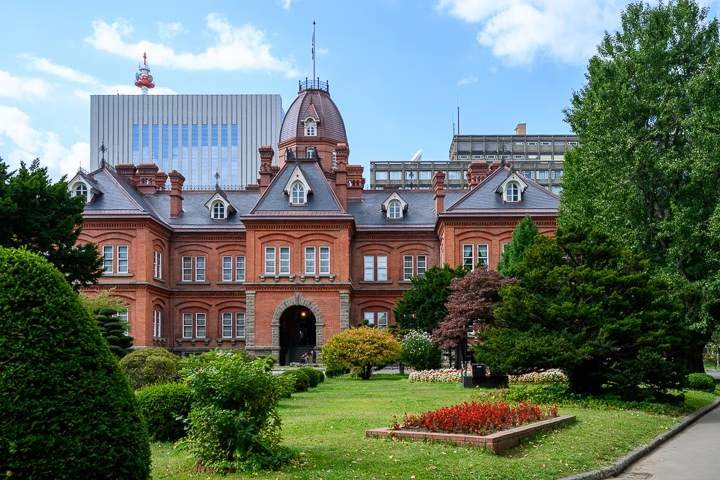
The next morning, we visited the former Hokkaido Government Office to learn more about the region. They host a permanent exhibition about Hokkaido’s heritage and culture as well as the Ainu culture and history. It is worth visiting especially if you are in Hokkaido for the first time. After our visit to the Red Brick Building, we headed to the Botanic Gardens for a relaxing walk. The gardens is one of the oldest botanical gardens in Japan.
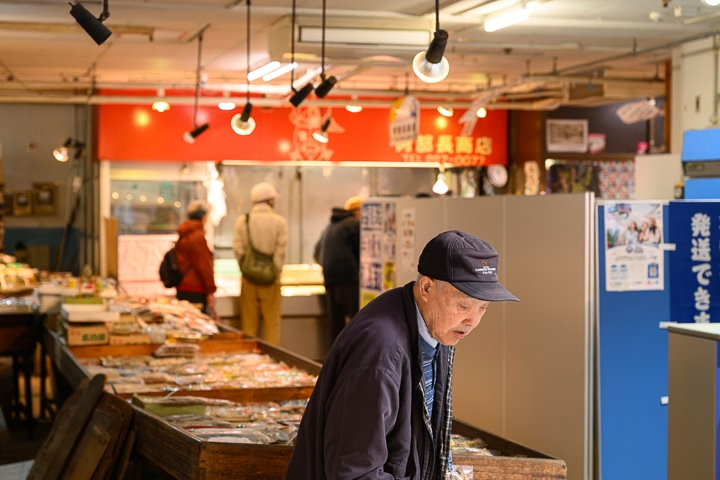
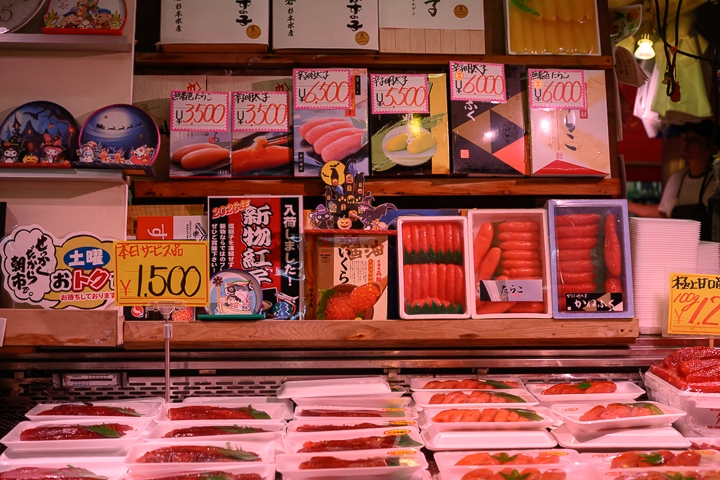
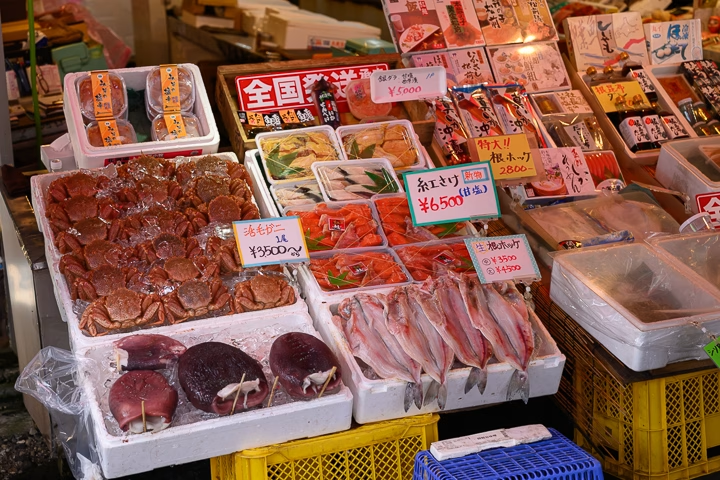
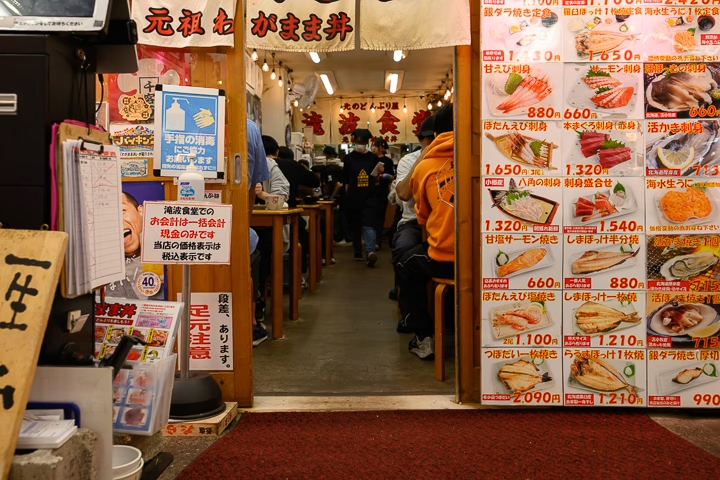
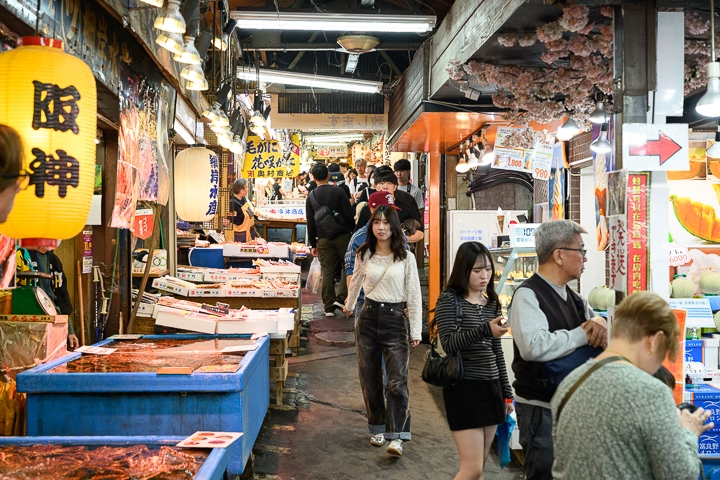
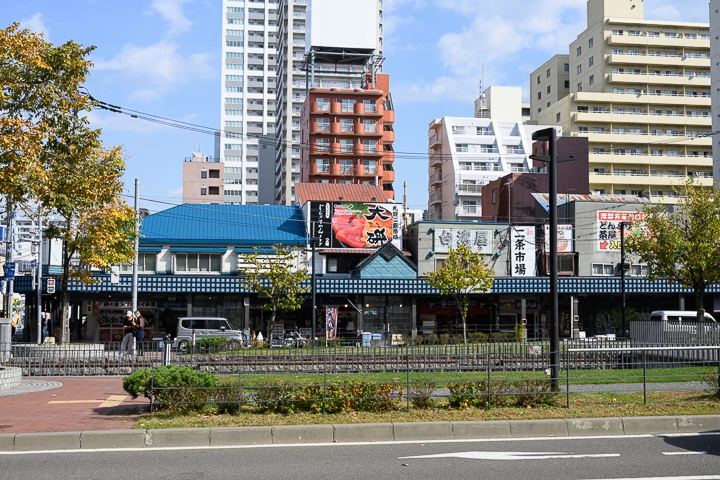
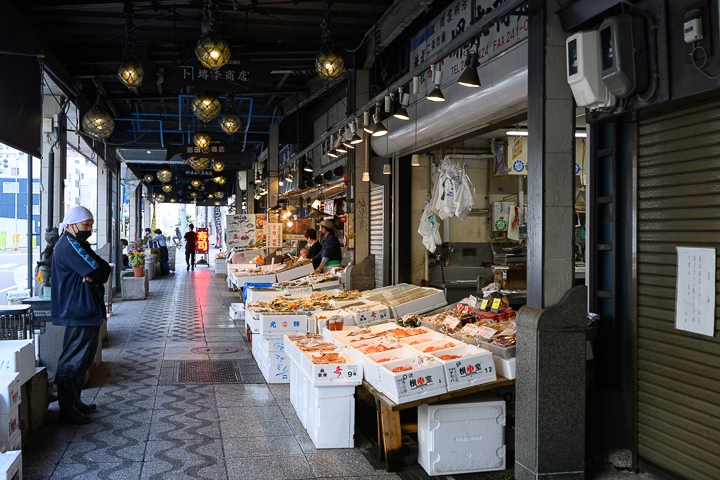
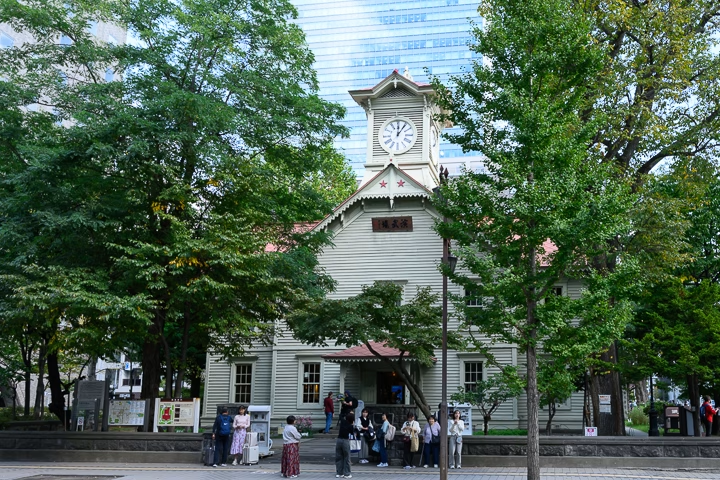
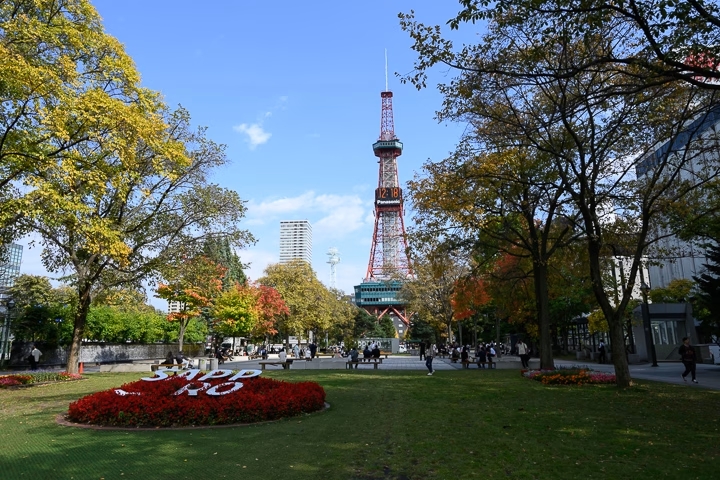
From the Botanic Gardens we headed back in direction of our hotel to the historic Clock Tower. The tower was built in 1878 and is the oldest in Japan. From the Clock Tower, continue in direction of Odori Park, where you will see the imposing TV Tower. If you are there in the morning, continue a few blocks south to Nijo Market. They sell a huge range of freshly caught raw produces. Like at many fish markets in Japan, you can have a meal at one of their stalls.
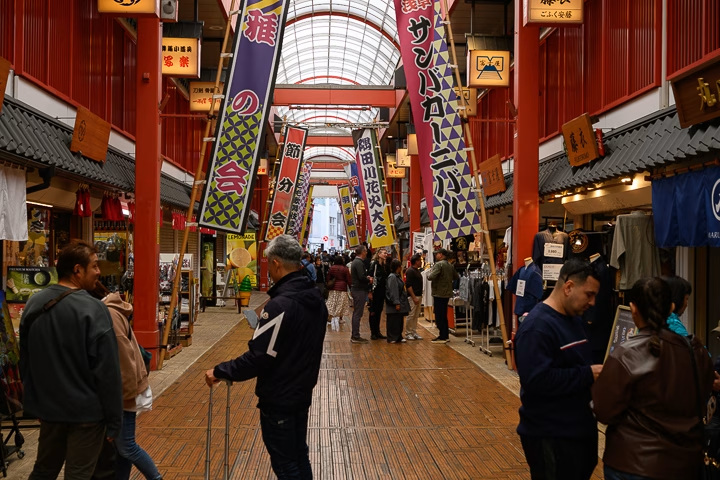
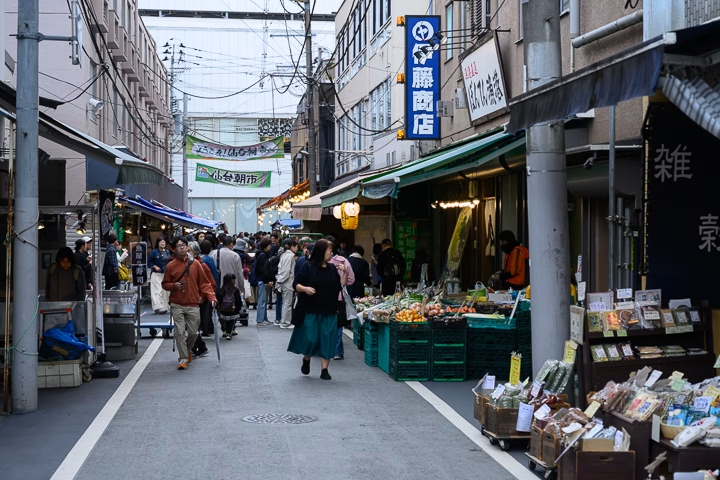
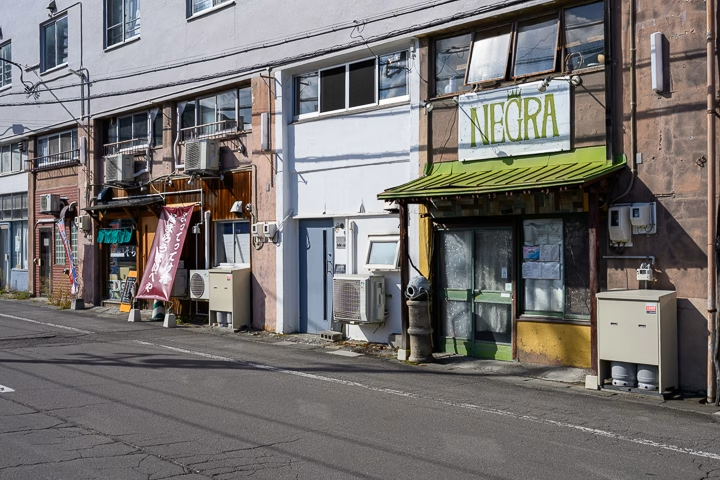
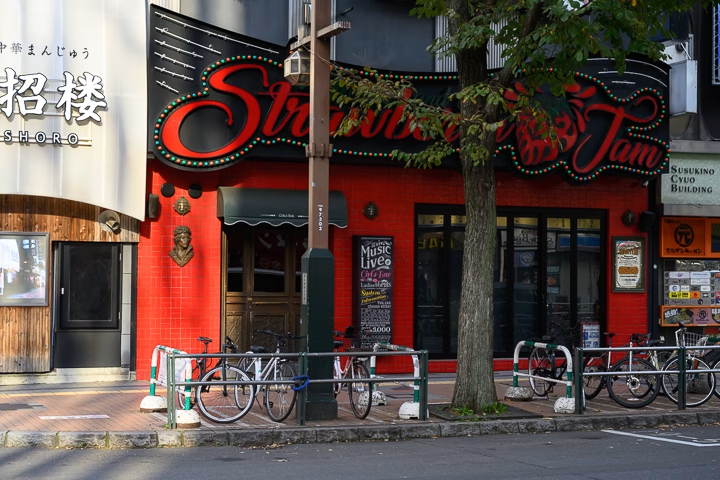
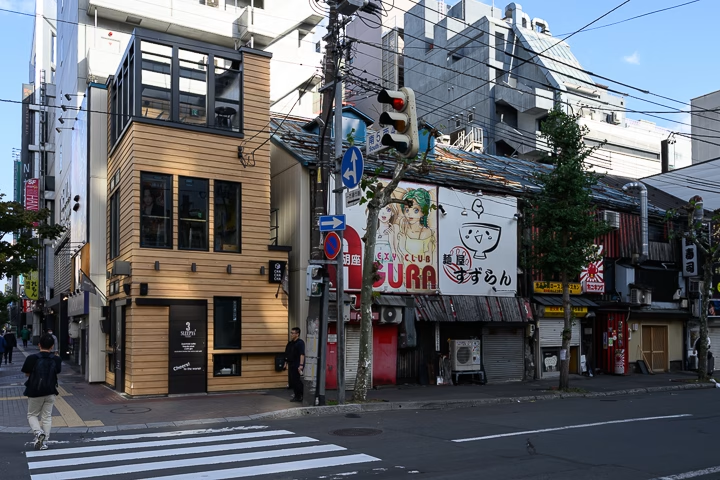
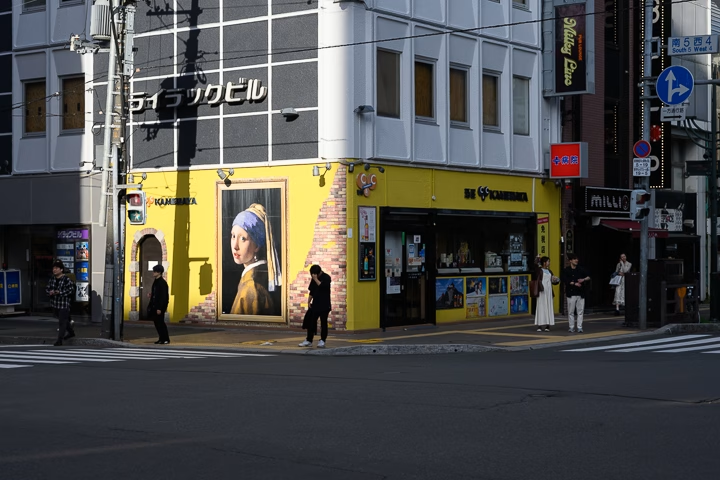
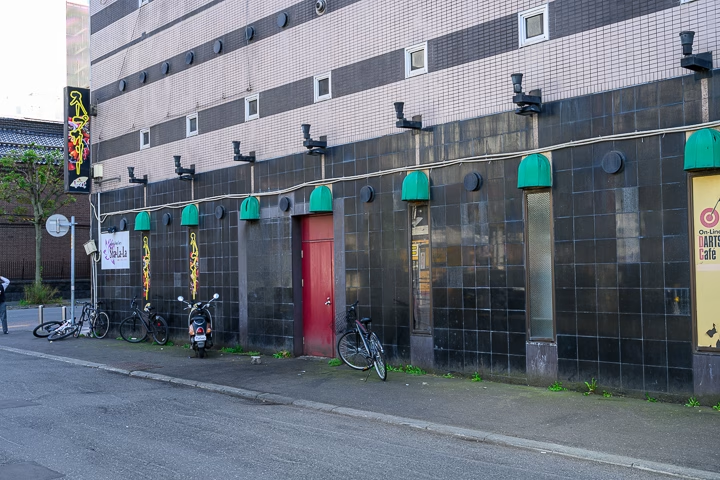
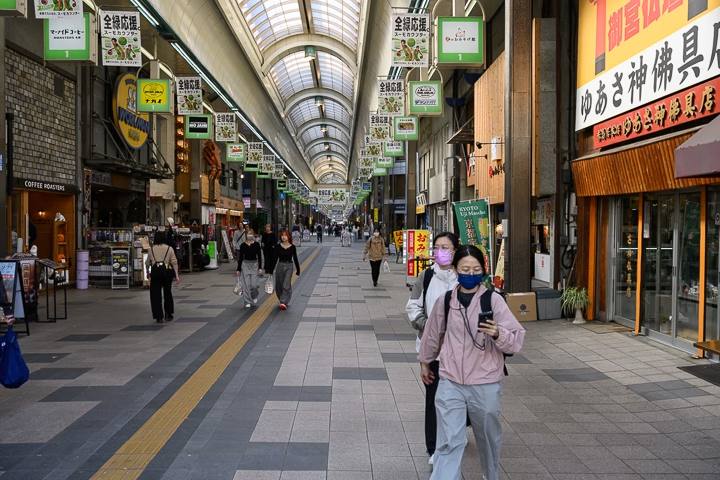
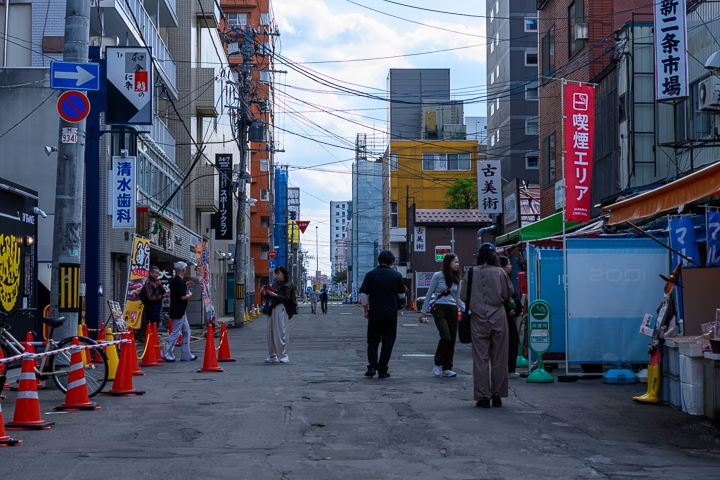
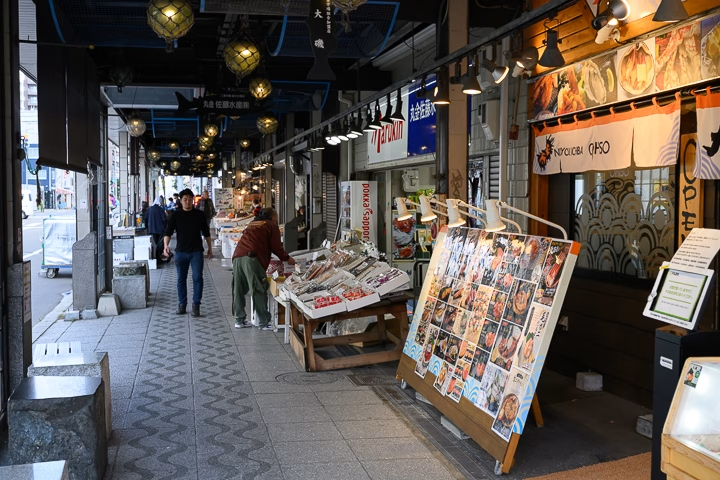
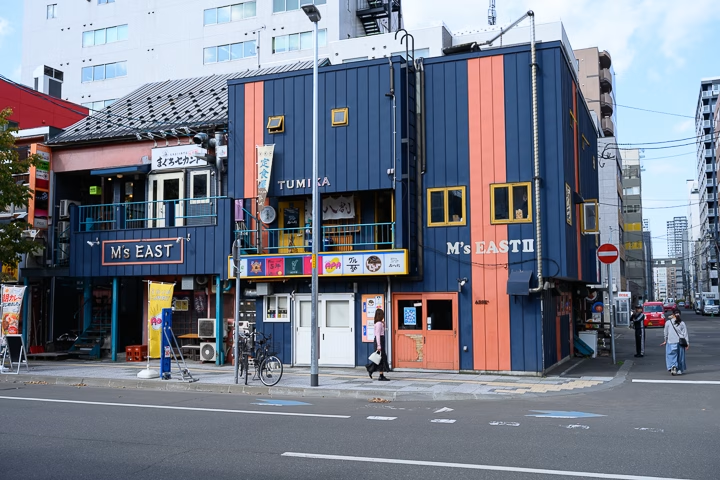
From Nijo Market, wander into the Tanukikoji Arcade and the surrounding streets. I particularly enjoyed wandering around the arcades. For photography, this area was a real treat. Colourful shop signs, little restaurants and the contrast between old and modern buildings offered plenty of opportunities. If you fancy a longer walk head for Susukino street towards the end of the day. You will see a completely different Sapporo with the start of the nightlife. We finished the day around Odori Park for a bit of people watching.
Otaru: A Relaxing Seaside Escape
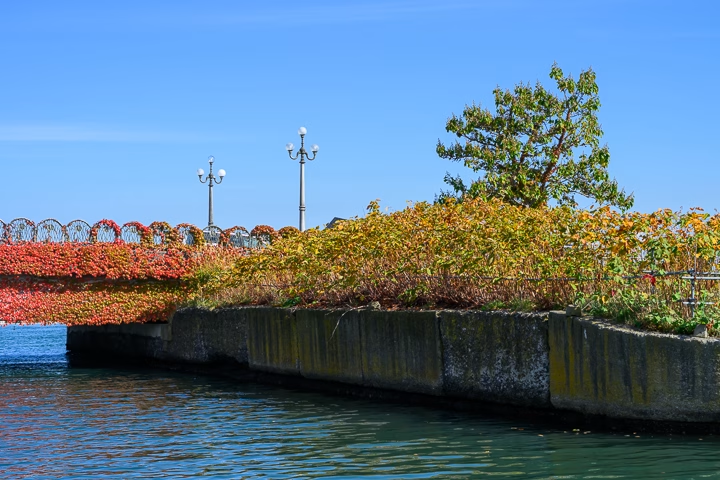
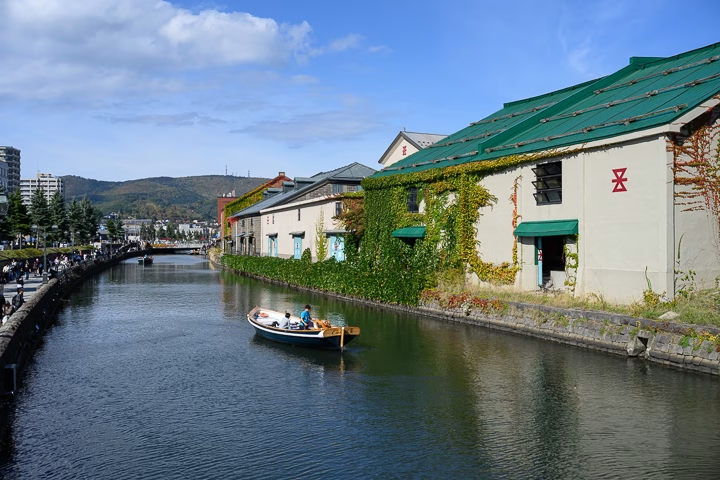
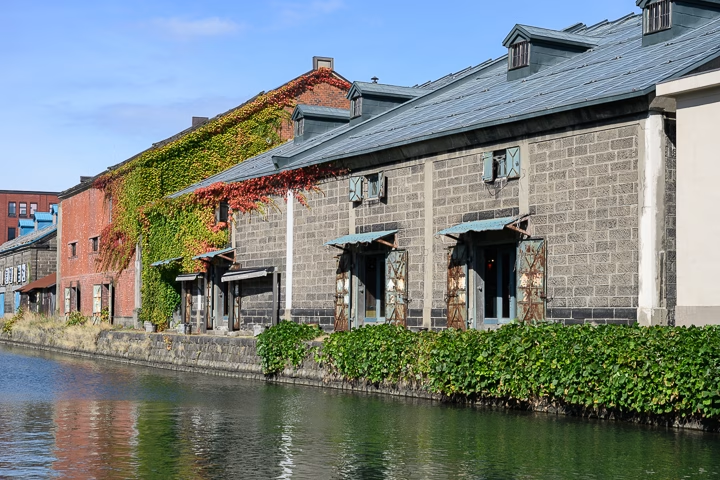
On the next day, we took a short train ride to Otaru, a charming seaside town. If you want to avoid the crowds, head out in the morning as the journey can be quite busy. The train from Sapporo meanders along the seaside offering some spectacular views on the various islands. Arriving in Otaru, most people will head to the Sankaku Market. However, you may be better served walking to the port area and then along the canal and keep your market visit for when you return to the station. We started with a walk along the canal and continued towards the marina.
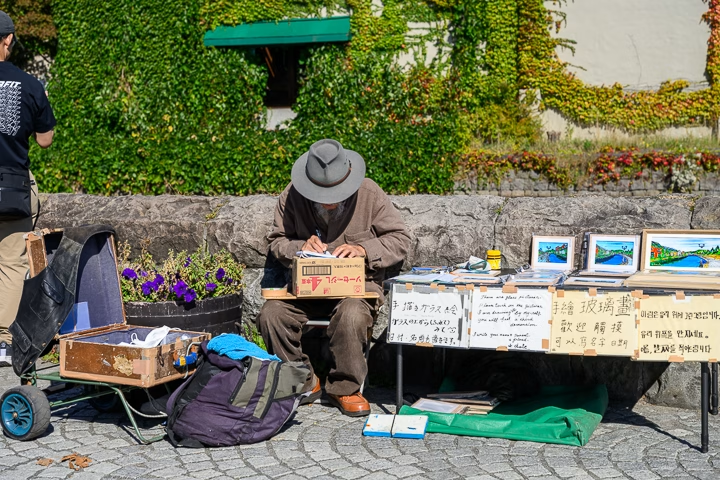
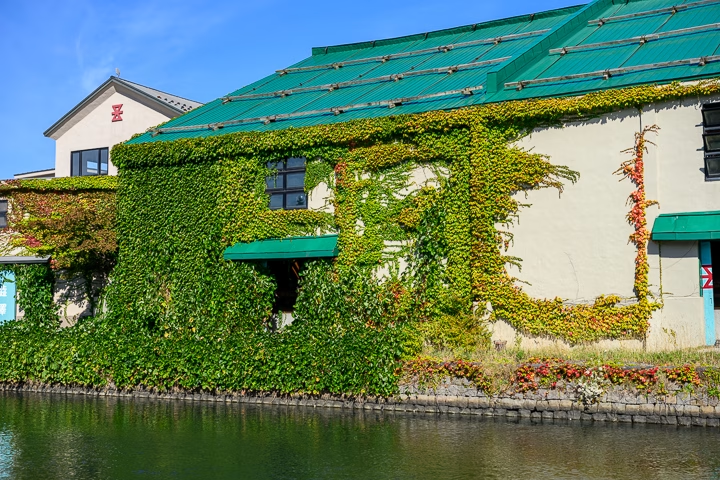
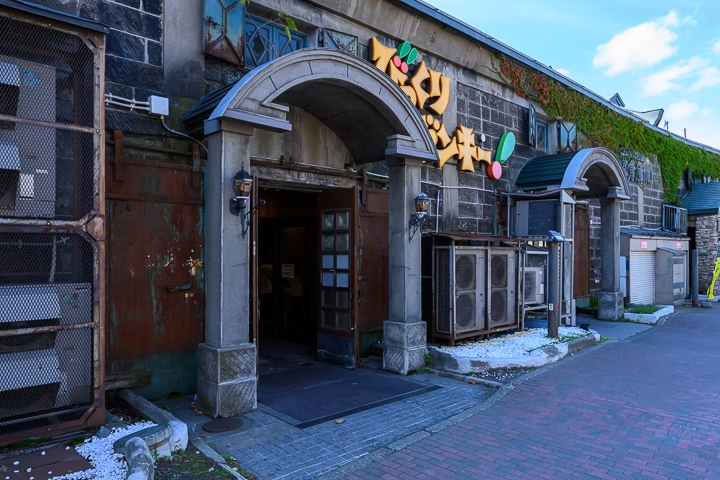
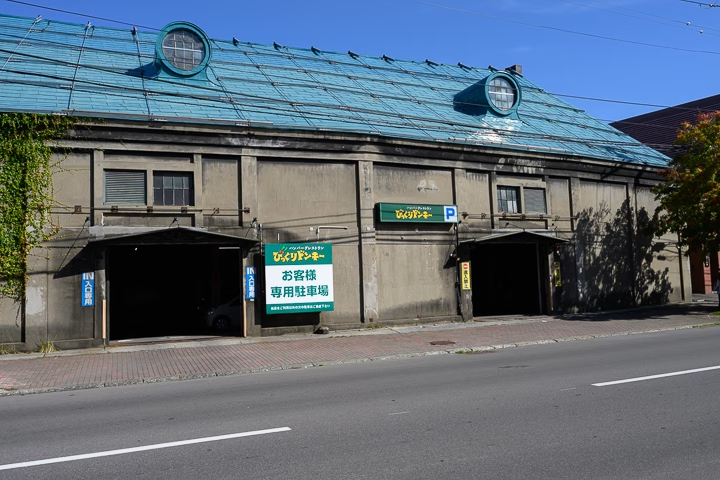
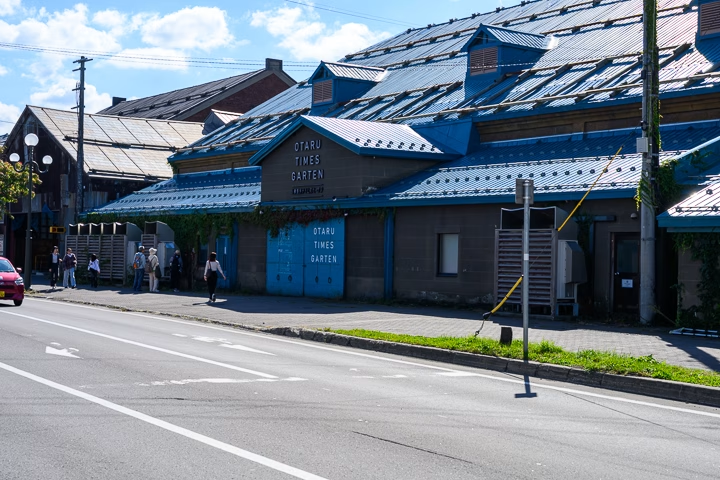
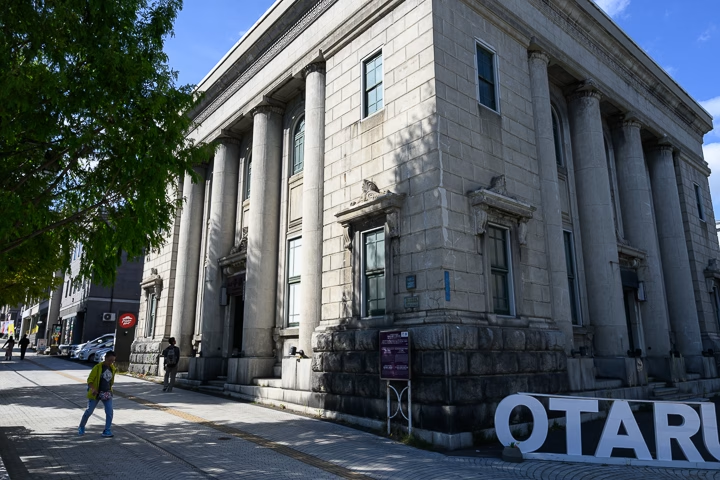
Otaru is a picturesque city with many historical buildings, warehouse that have been transformed into restaurants, museums, sake breweries, art and crafts, such as glass and musical boxes. On our canal walk, we passed the Former Nippon Yusen Co Ltd building and reached Temiya Park. However, I do not believe that it is worth heading that far out of the city.
We stopped at a lovely little café called 1cafe. The owner is very friendly, and they have a small selection of cake. Their cheesecake and coffee is excellent.
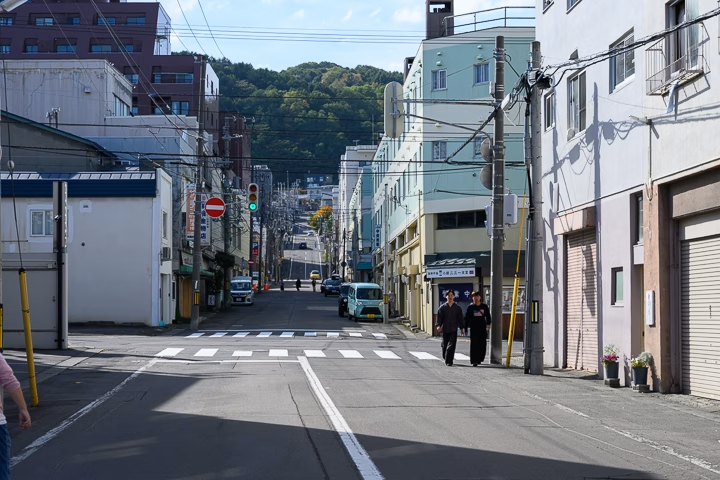
On our way back, I wanted to see a different part of the city. Unfortunately, it is quite hilly, and we ended up walking through a residential area. We stopped at Sankaku Market before arriving at the station.
Visiting Otaru was a pleasant change from the busy streets of Sapporo, and we enjoyed the more relaxed atmosphere.
After a short journey back to Sapporo, we headed out for dinner. Our first choice, a restaurant highly recommended on Google Maps, turned out to be a disappointment because smoking was allowed inside, which would have made the meal very disagreeable.
We moved on and found a fish restaurant in the basement of a nearby building. It was frequented mostly by locals, which is usually a good sign, and it proved a much better choice.
Noboribetsu: Volcanic Landscapes and Onsen
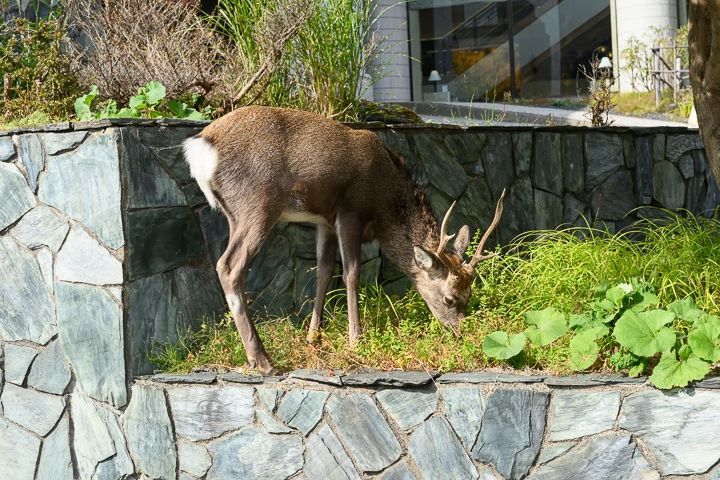
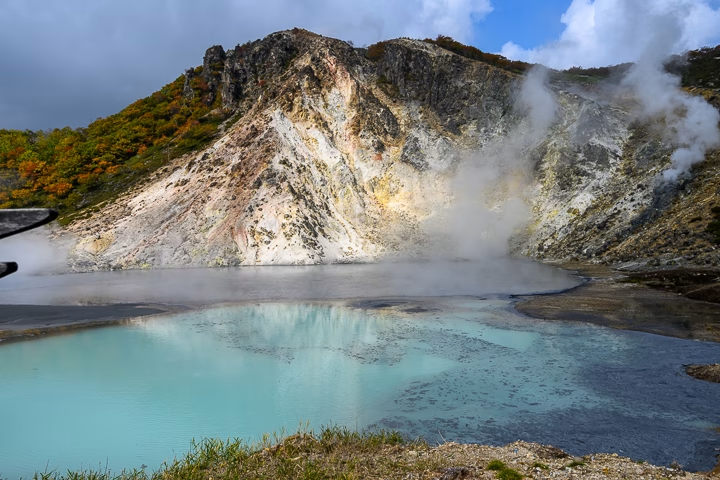
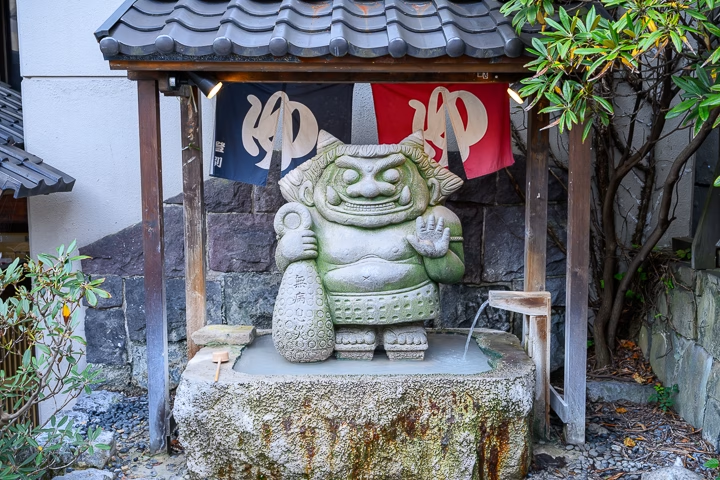
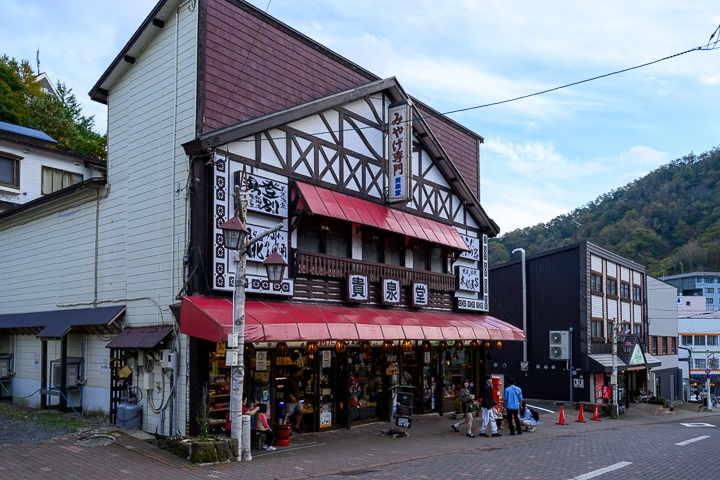
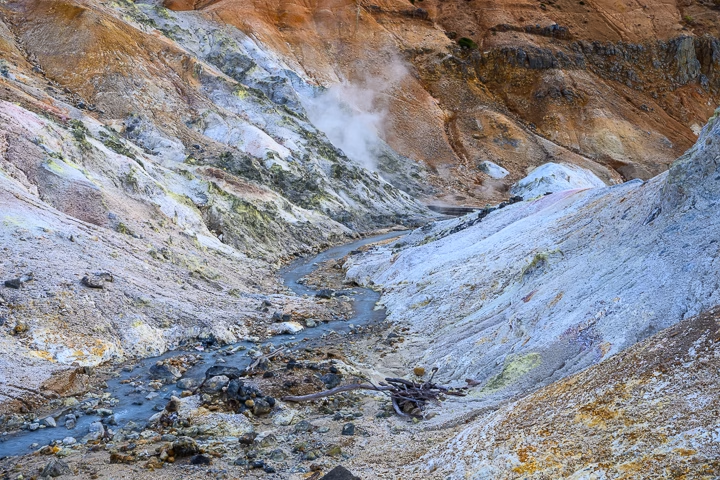
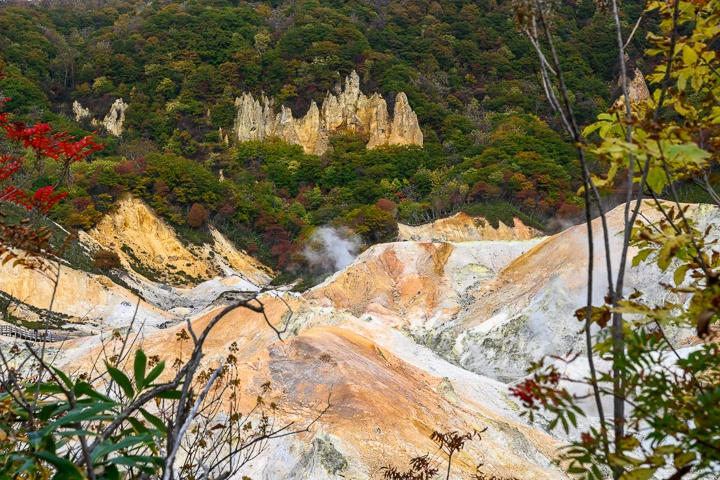
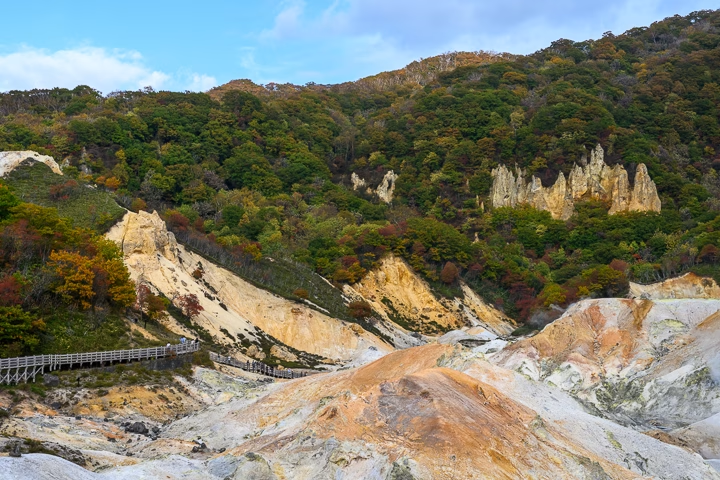
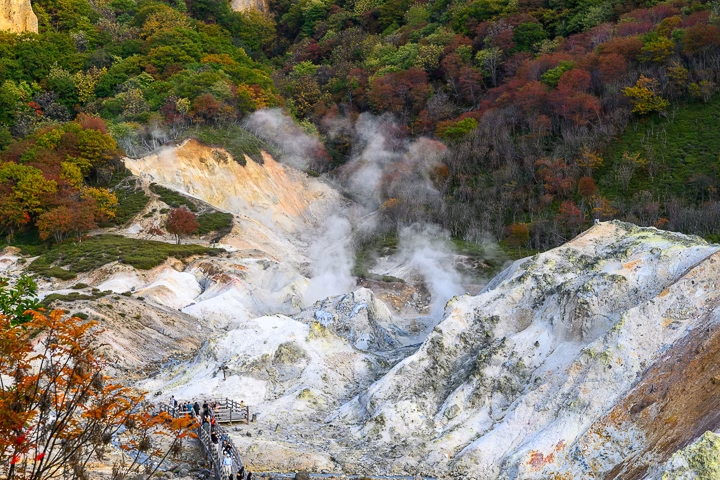
Our next destination was Noboribetsu, famous for its volcanic landscape and natural hot springs. We stayed at Dai-ichi Takimotokan, close to the spectacular Hell Valley.
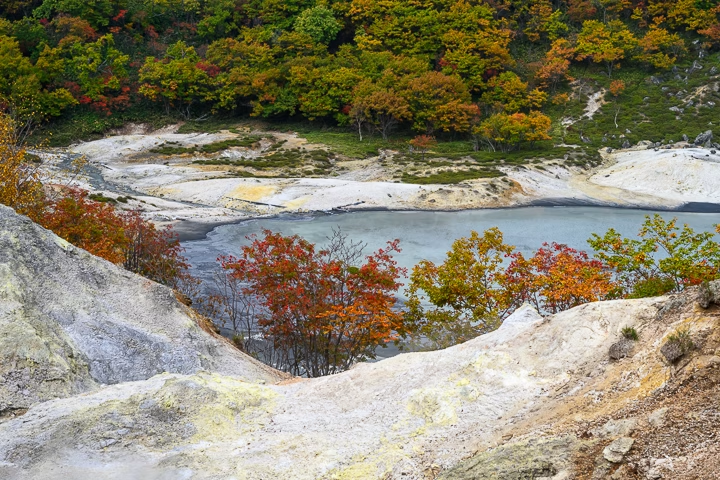
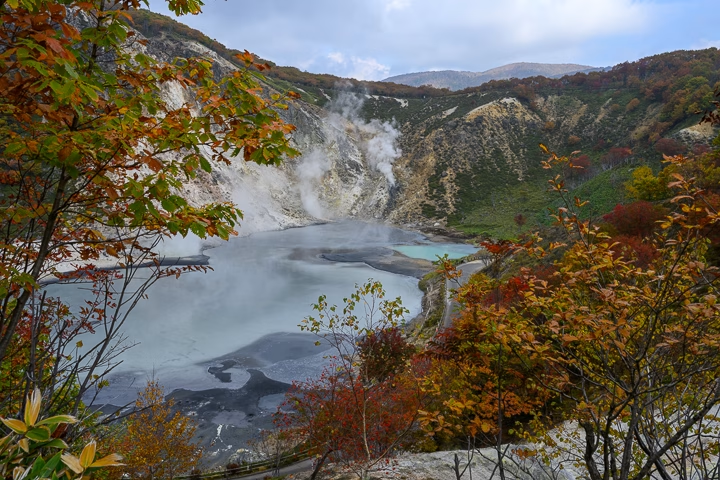
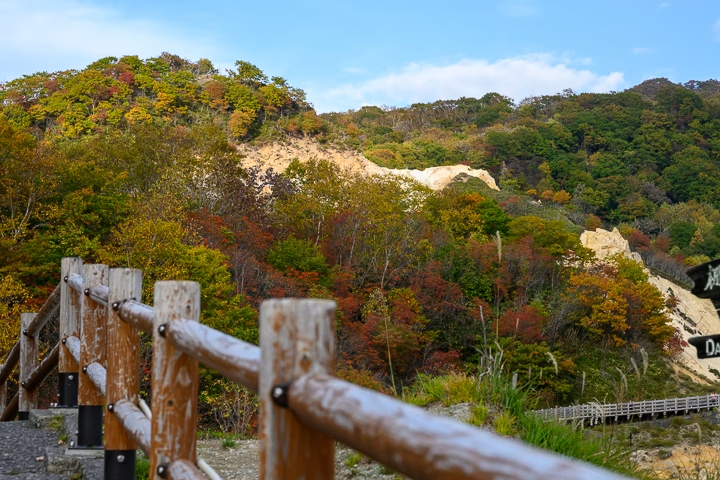
The scenery was quite extraordinary. Steam rose from the ground, sulphur filled the air and the colours around the craters created an almost surreal landscape. We were slightly early for the autumn colours, but the first changing leaves already made the surroundings look beautiful.
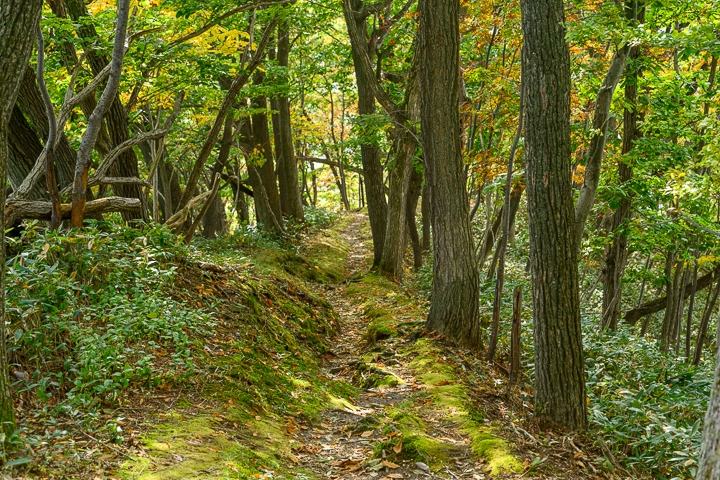
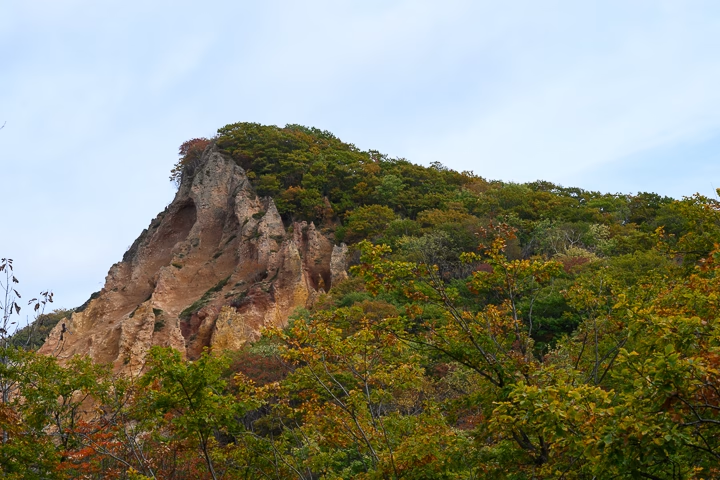
We spent our second day exploring the forest trails and viewpoints. One route took us towards another volcanic crater with two lakes. The landscape was fascinating, although the smell of sulphur was particularly strong in places.
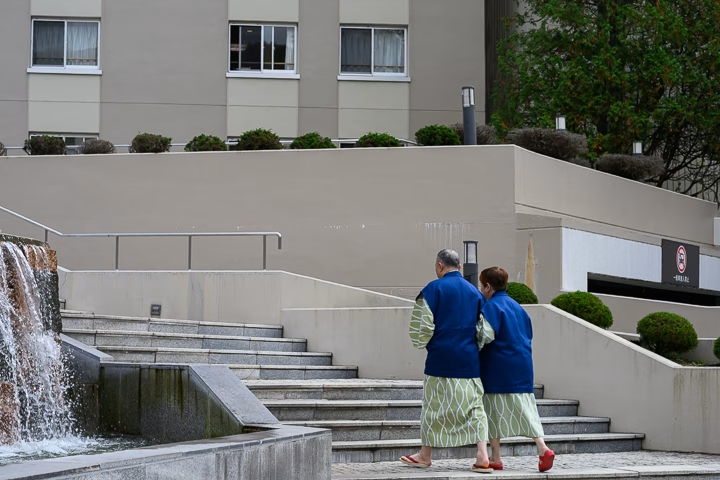
However, one of my most memorable experiences was trying a traditional Japanese onsen. Our hotel offered several indoor and outdoor pools containing different mineral waters. Dressed in a yukata and obi, following local bathing customs, I washed thoroughly before entering the pools. Being completely naked in a shared bath felt unusual at first, but I was soon relaxed enough to enjoy the experience.
Food was another pleasant surprise. We found a small family-run ramen restaurant called Yunomachi Tsukemori Rikka that we liked so much that we returned every evening. The owners were so genuinely delighted to see us again that they offered small mochi desserts on the second night. It was one of those simple travel experiences that stays with you.
Hakodate: Historic Streets and Harbour Views
From Noboribetsu, we continued to Hakodate by train. Make sure you reserve seats on the left side of the carriage. The coastal views along the way are beautiful.
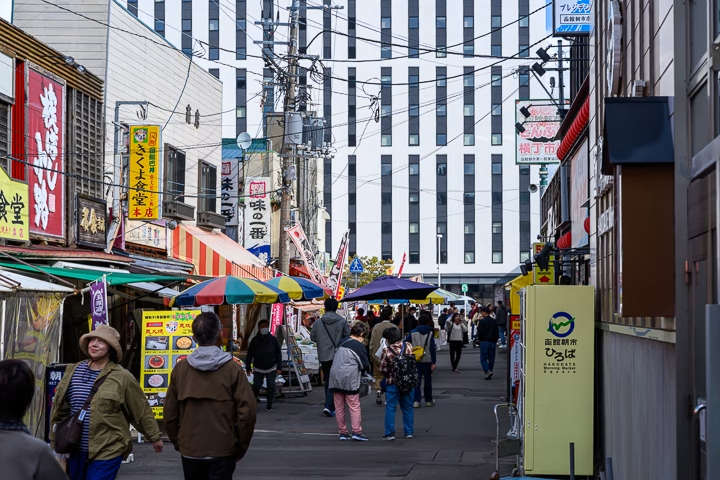
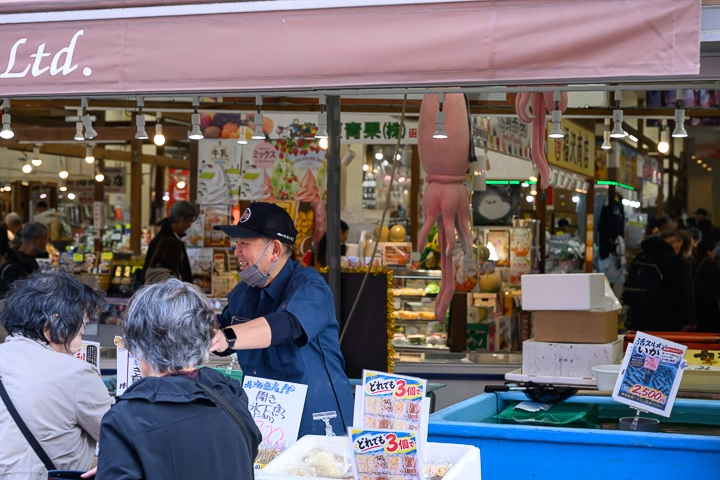
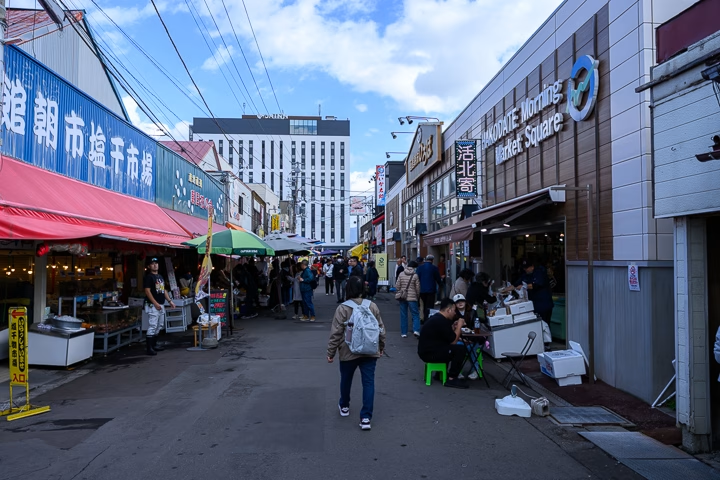
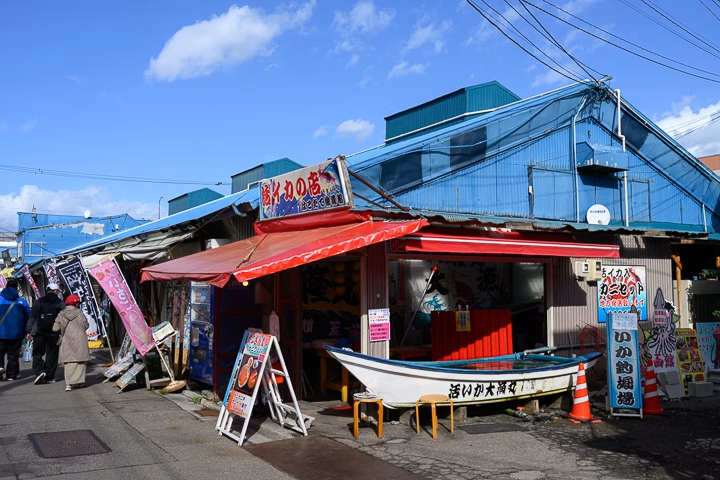
In Hakodate, we stayed at the Fav hotel, a simple but nice hotel chain in Japan. It is situated near the Hakodate Morning Market, where you can catch live squid and have it prepared before your eyes. The market is another great spot for photography. It only opens in the morning, so early.
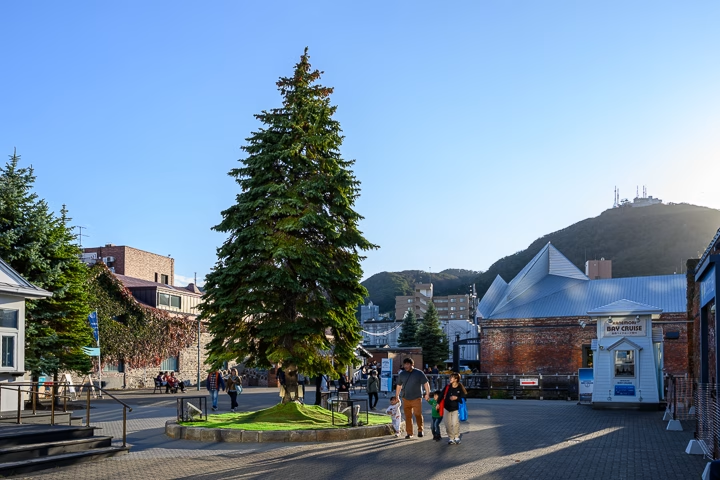
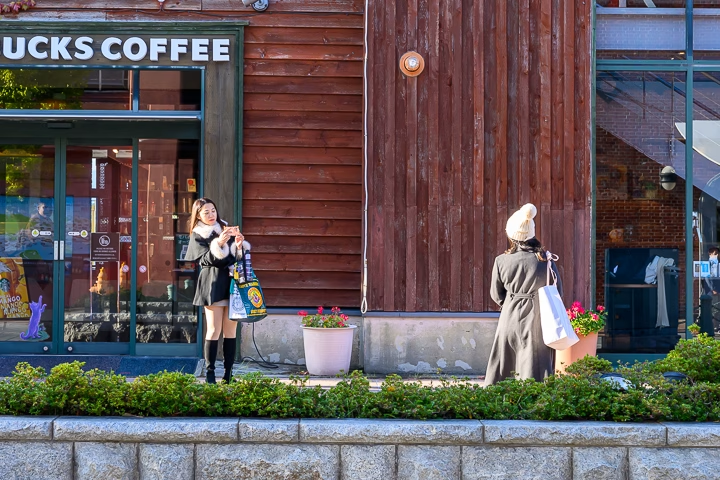
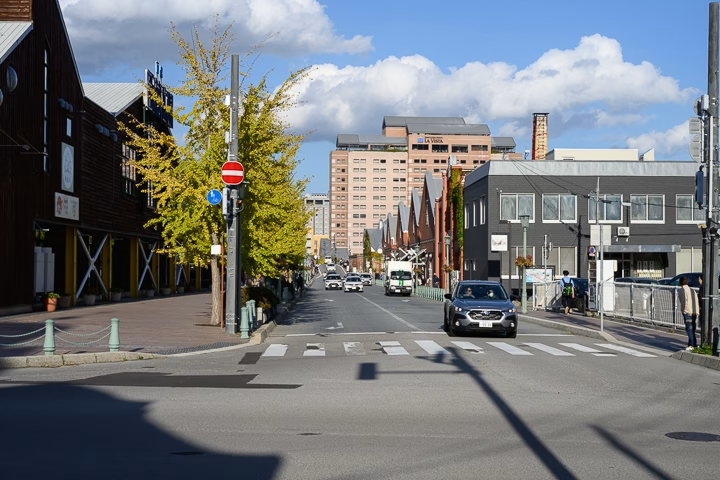
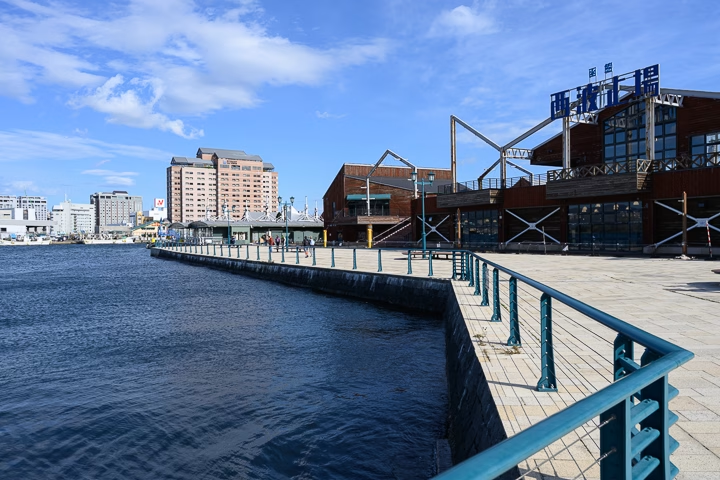
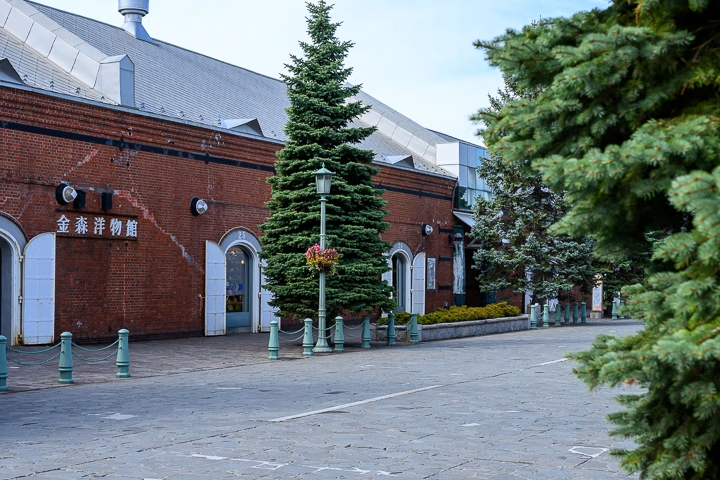
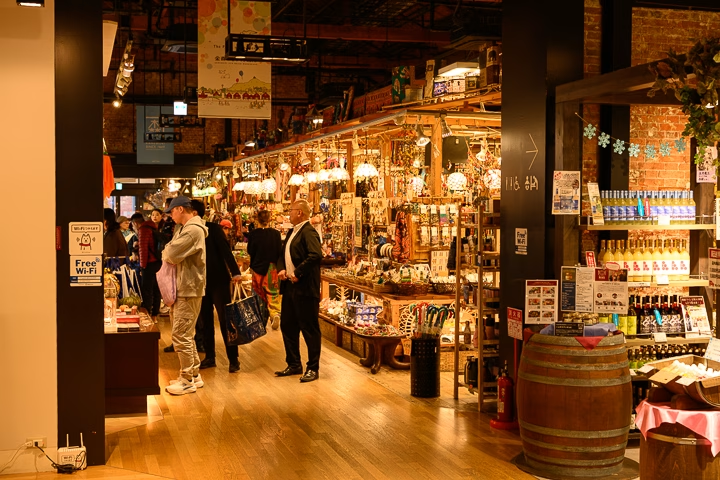
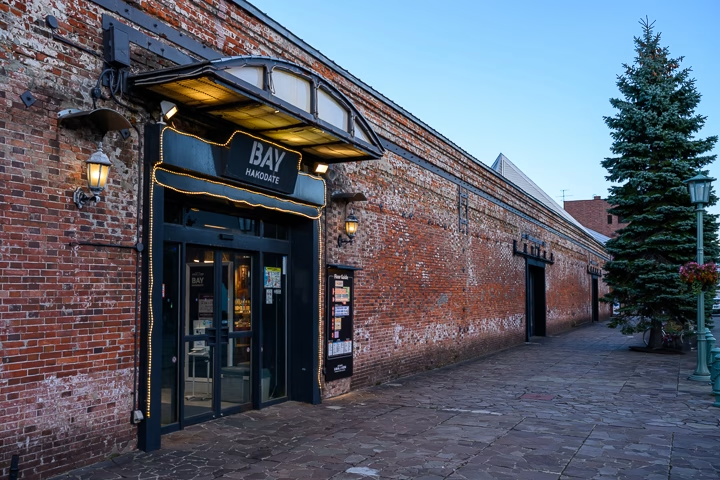
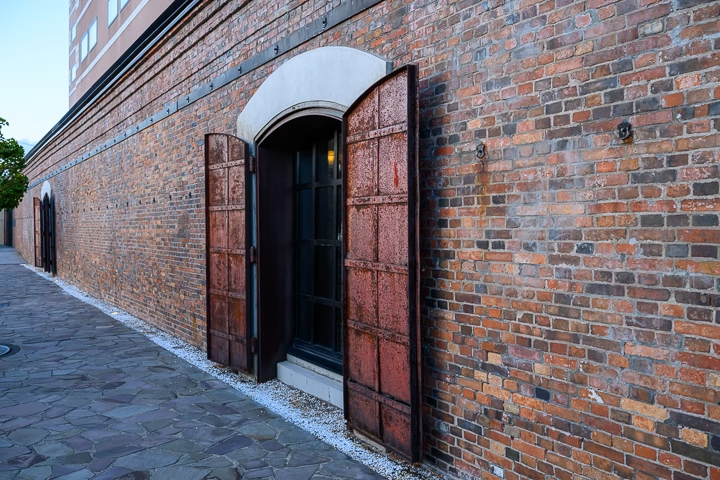
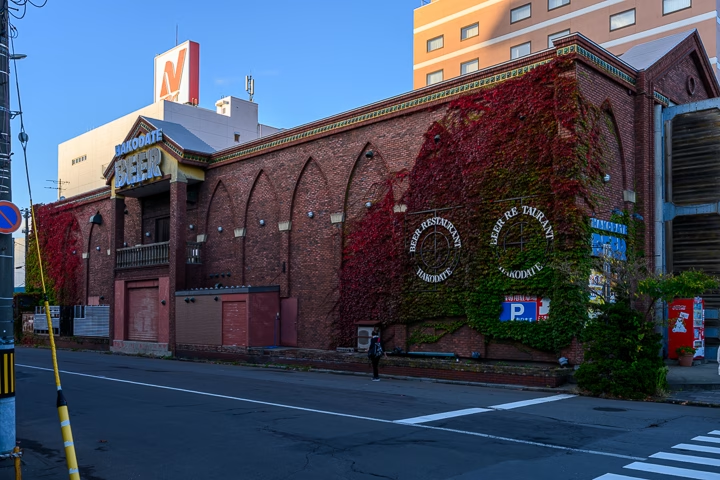
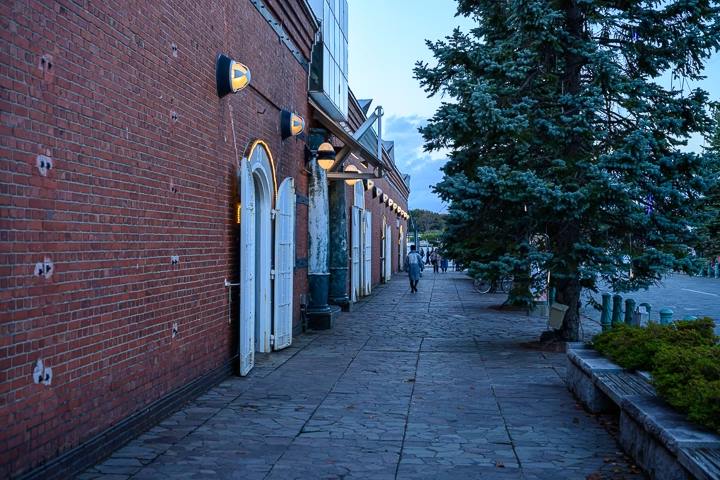
The main attraction in Hakodate is the Kanemori Red Brick Warehouse. Those buildings from 1869 were transformed into a fabulous shopping complex and restaurants. We enjoyed walking along the waterfront and exploring those restored red-brick warehouses.
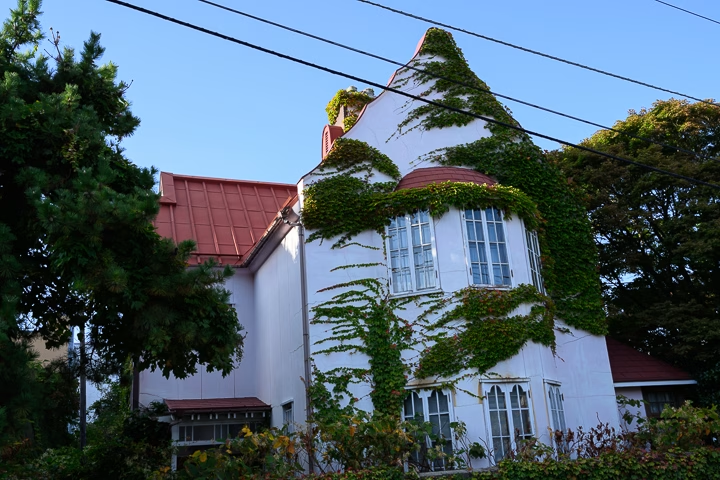
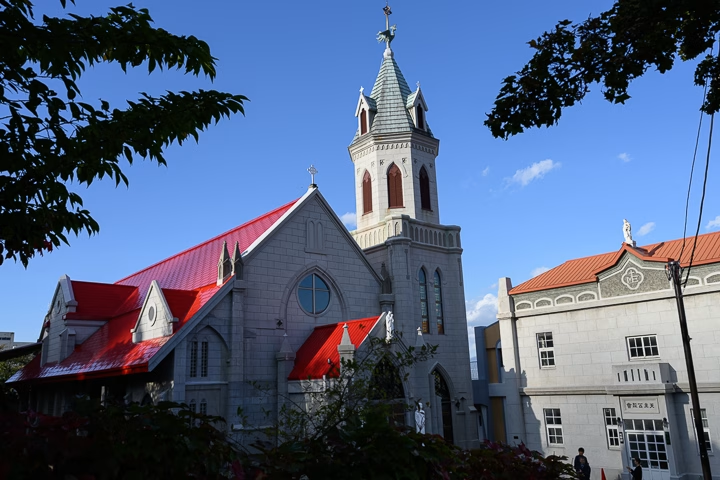
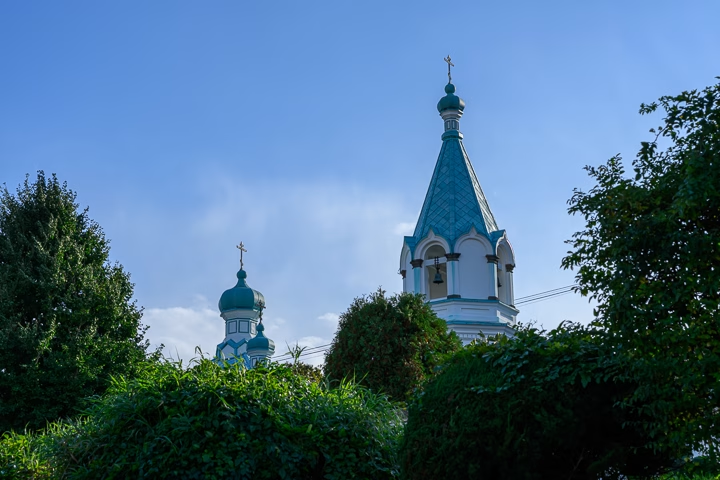
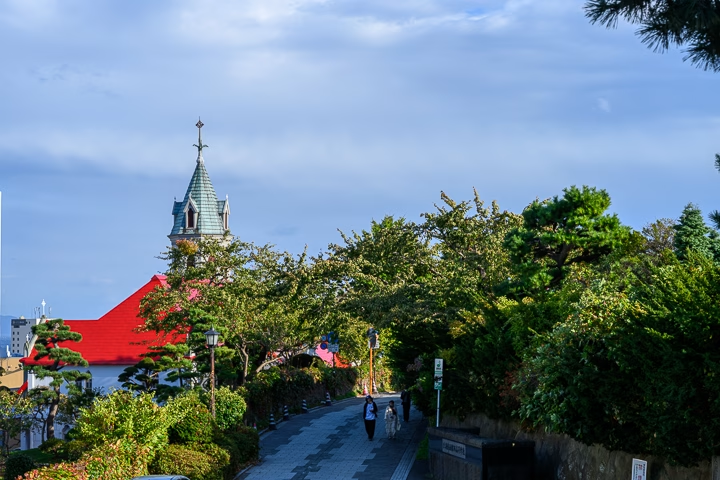
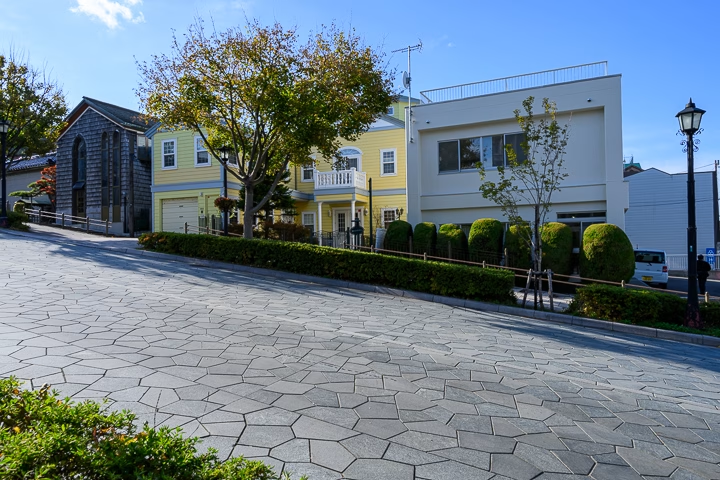
In addition, there is a historic district, with several churches and impressive architecture. From the waterfront, head uphill in direction of Mount Hakodate. You will find the Orthodox Church, Hakodatesei John Church as well as the Catholic Church Hakodate Motomachi with its bright red roof.
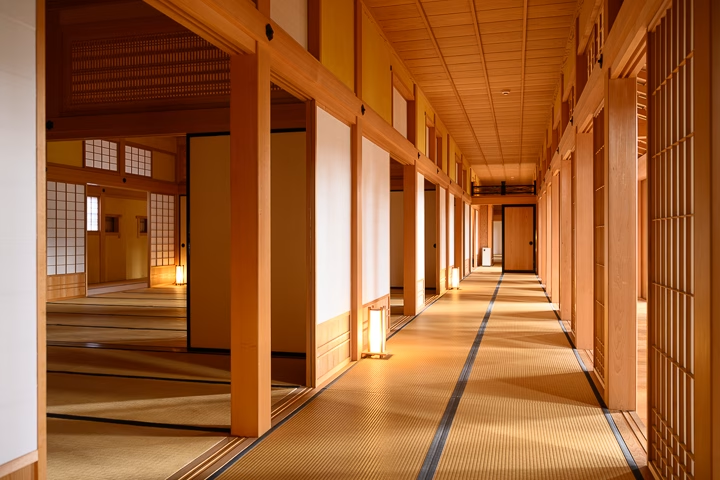
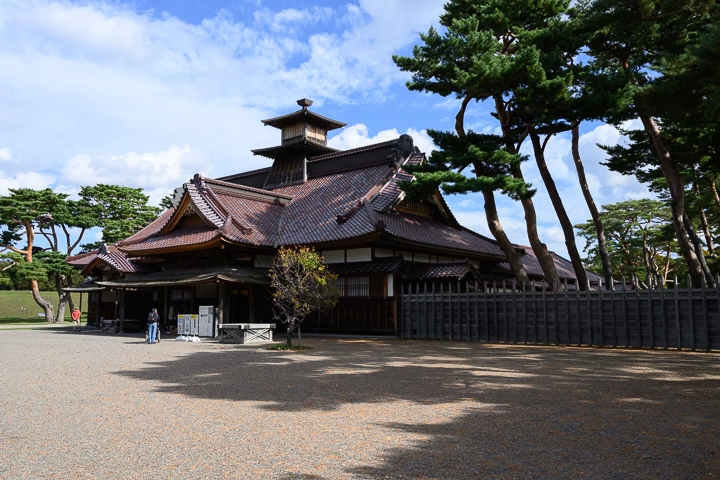
We also visited Goryokaku Fort, a remarkable star-shaped fortress. The park includes the Hakodate Magistrate’s Office, which was faithfully restored. At the entrance of the park, you can go up the Goryōkaku Tower with views of the mountains and the start-shaped fort below.
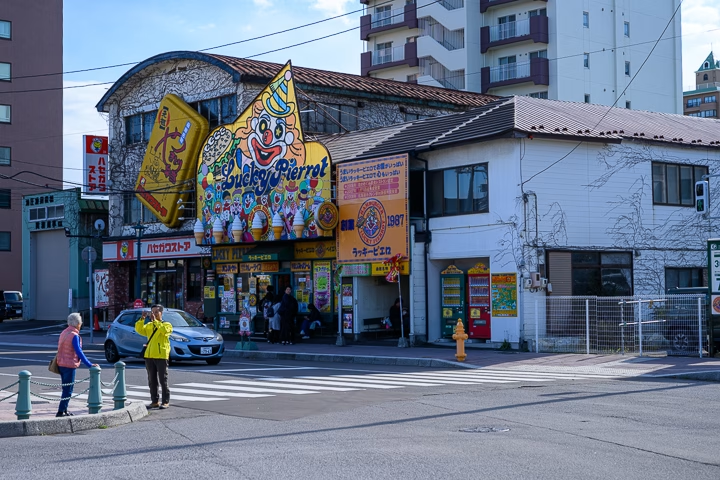
In the evening, we had dinner in two different places. Both were near our hotel. On the first night, we went to Uni Murakami Hakodate station store and had their squid dish, which was excellent. On the second night, we wanted to try Lucky Pierrot Hakodate Ekima, a Chinese chicken burger joint. They apparently won the national local burger championship in Japan. We were underwhelmed and do not think it is worth the detour.
Although Hakodate has a nice atmosphere and it is nice to walk along the seafront, two days in Hakodate were enough to explore the main sights.
Aomori and Hirosaki: Discovering Local Traditions
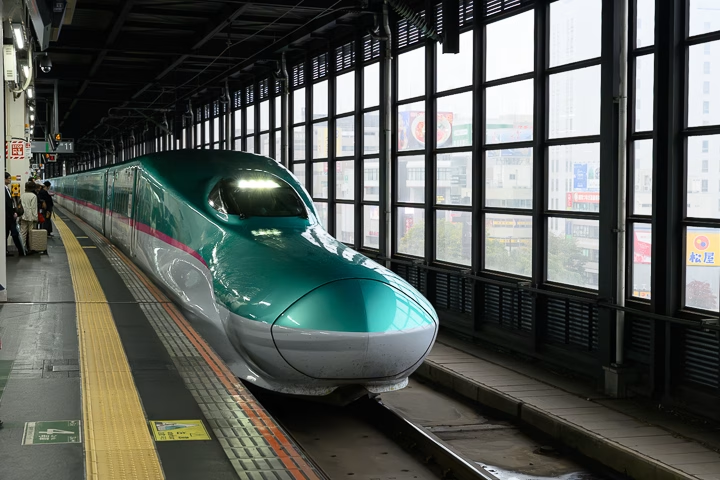
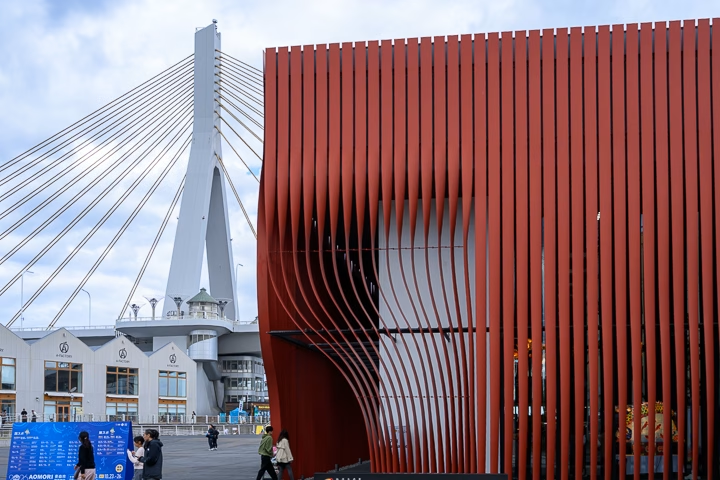
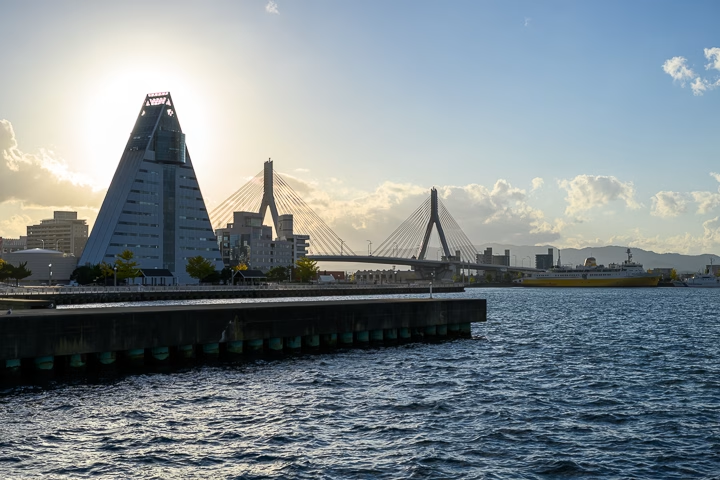
On our journey from Sapporo to Tokyo we continued south to Aomori, travelling on a bullet train through the impressive 53-kilometre Seikan Tunnel beneath the sea. We stayed at the Richmond hotel, a nationwide chain.
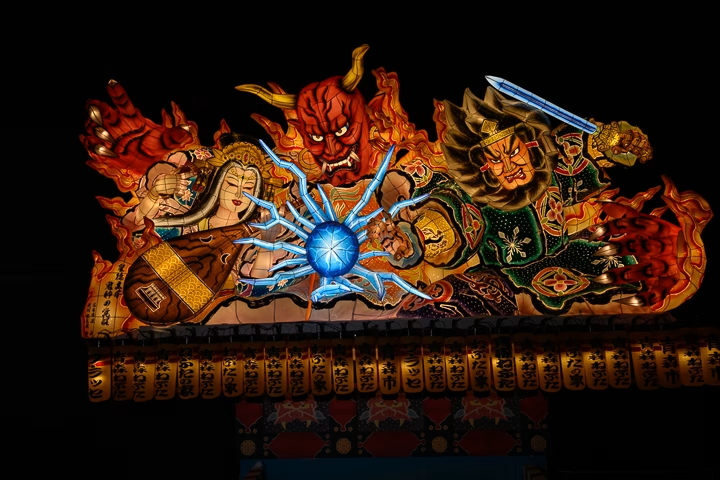
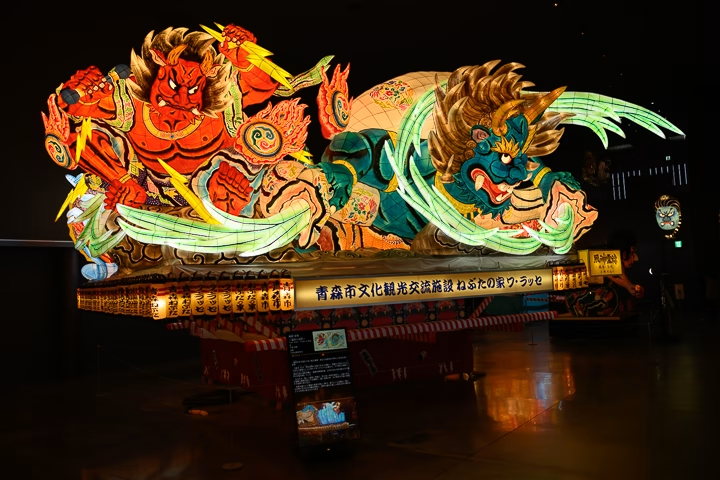
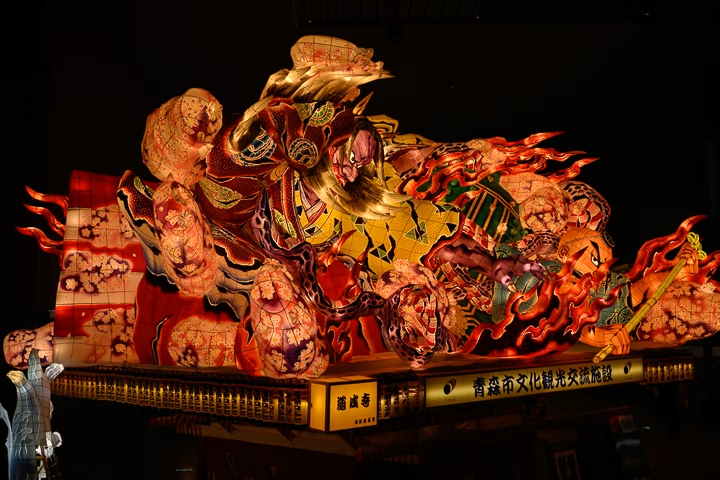
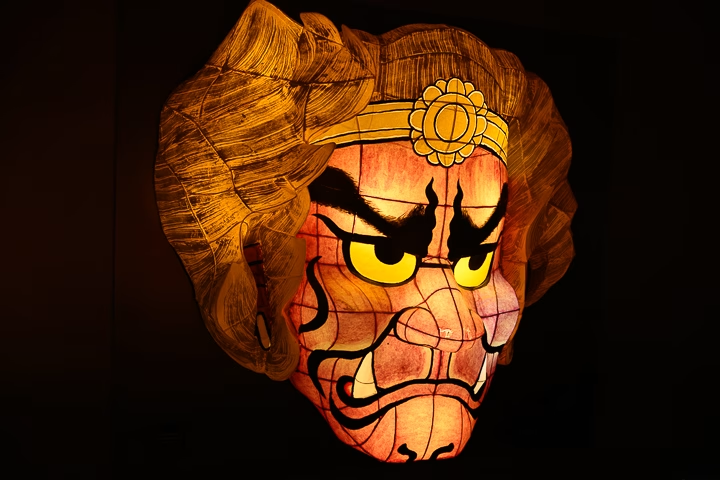
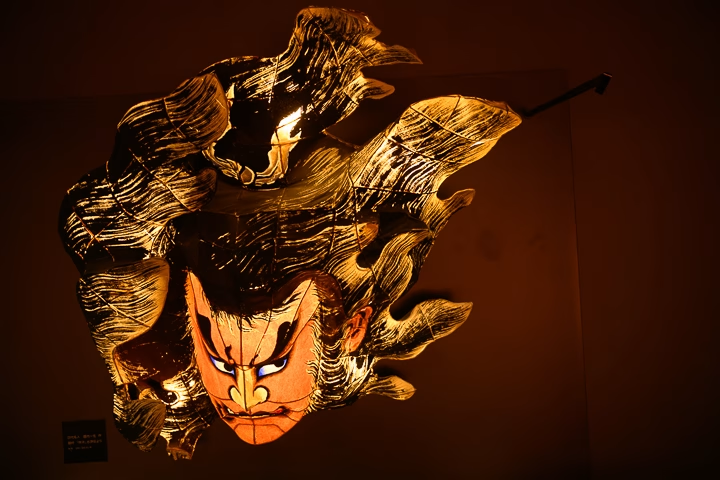
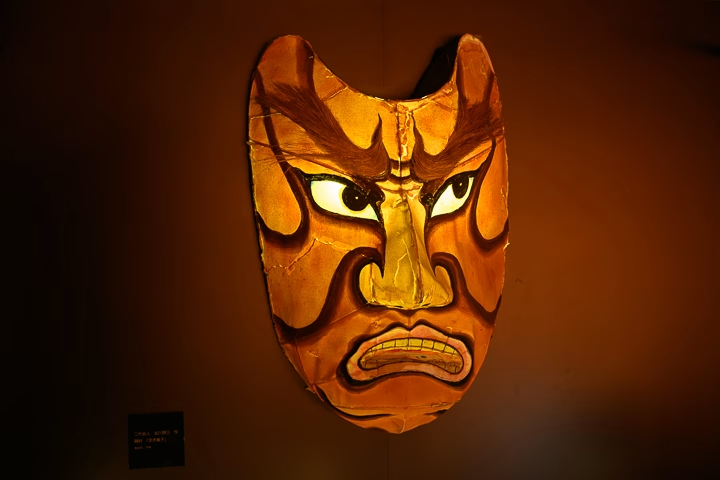
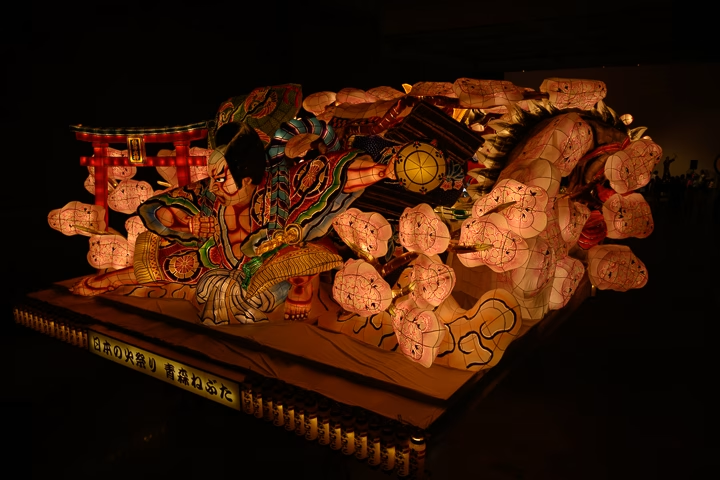
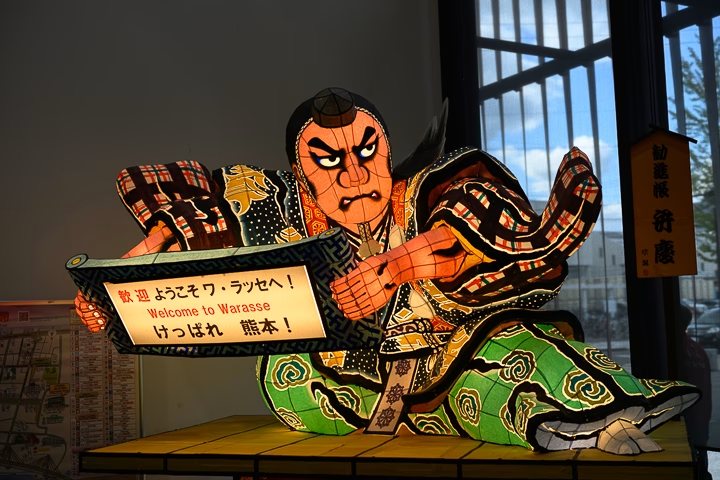
To be honest, Aomori was a little disappointing. The city felt surprisingly quiet, with almost empty streets and few people shopping. Nevertheless, the Nebuta Museum WA RASSE was well worth visiting. Its enormous festival floats are colourful and impressive. The festival itself has a history stretching back more than 300 years.
We were there during the National Sports Festival, so there were quite a lot of young athletes at the hotel. Even though the town was very quiet during the day, popular restaurants had long queues. We were unable to get into two of our chosen restaurants and ended up eating in a food court.
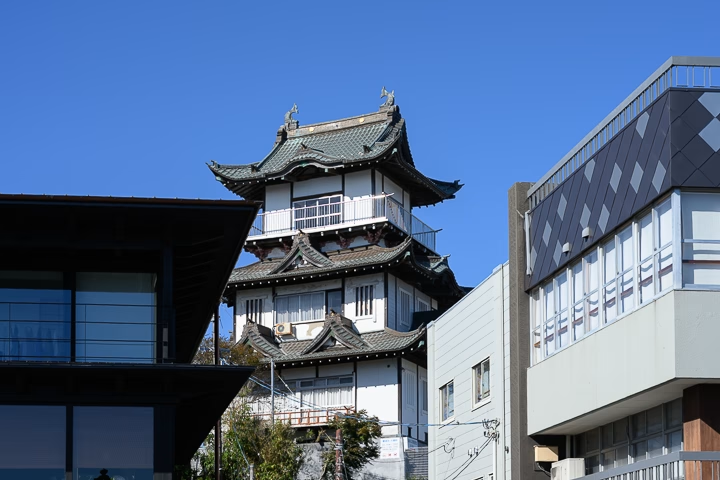
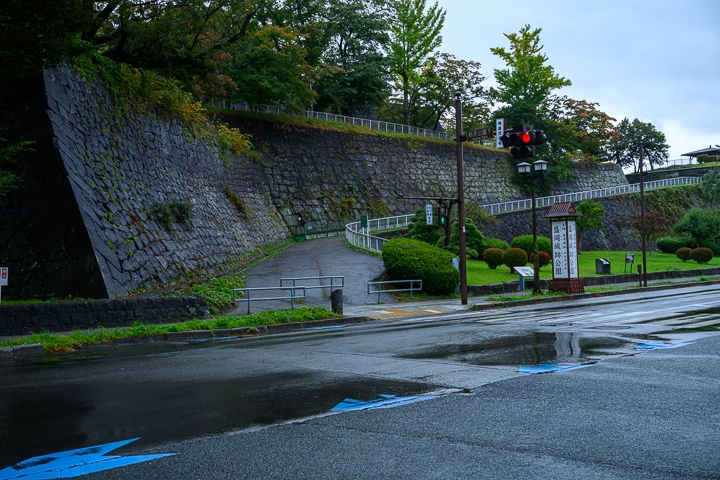
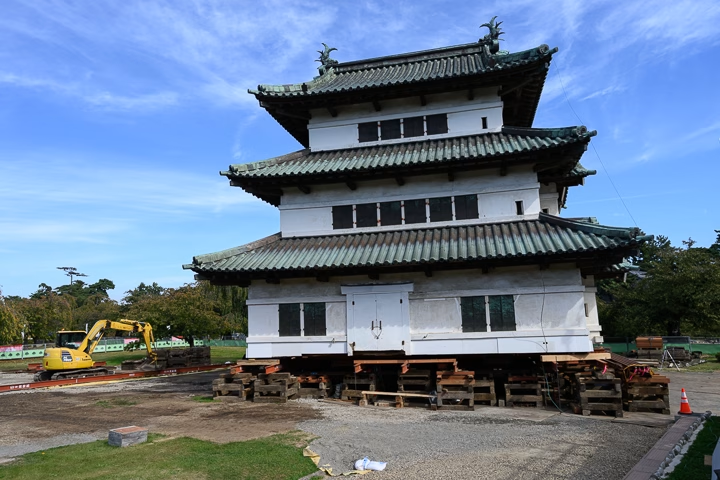
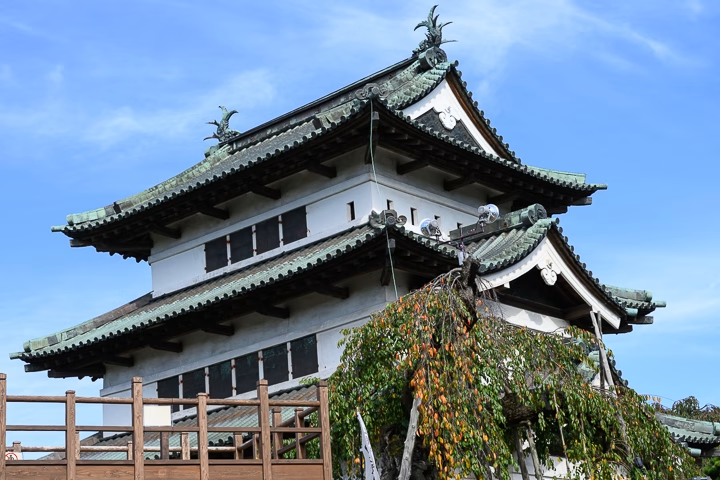
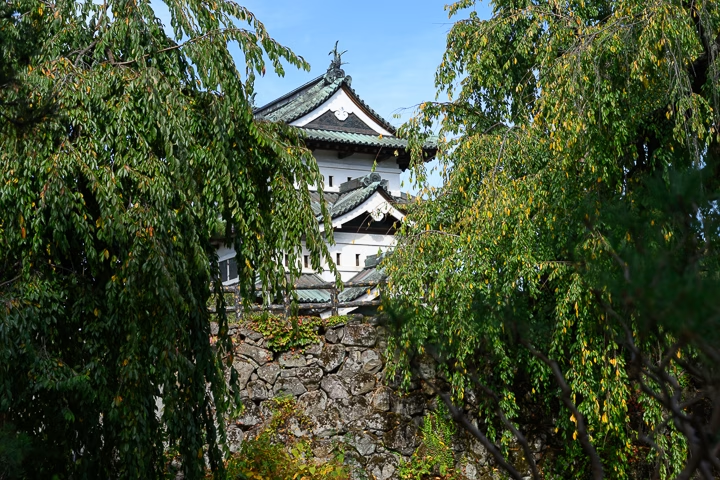
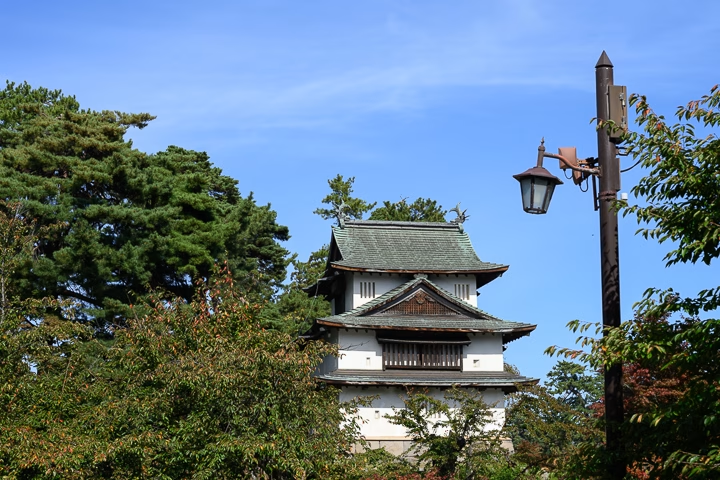
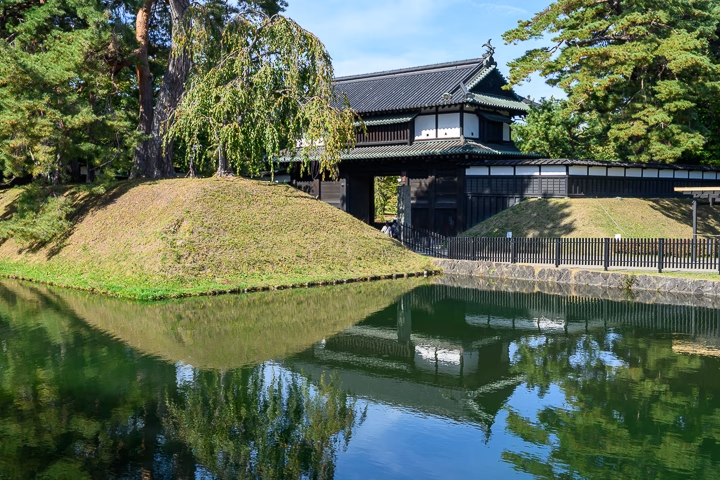
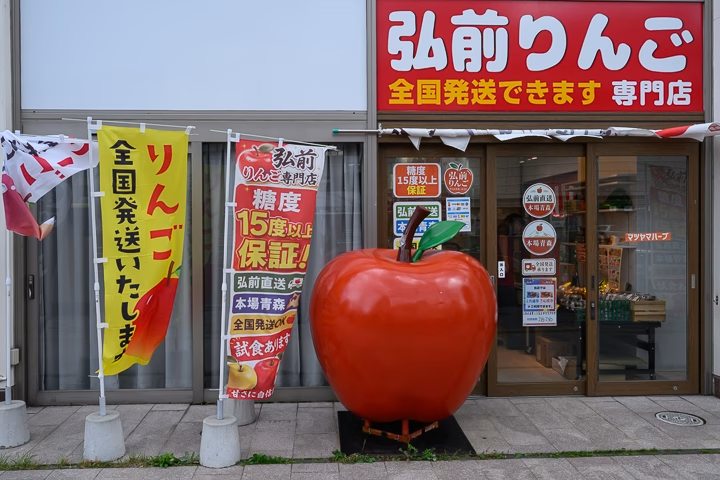
From Aomori, we took a train to Hirosaki, home to Hirosaki Castle. This Hirayama-style castle was completed in 1611. In May 1983, the supporting stone wall was damaged by an earthquake with a magnitude of 7.7 in the Sea of Japan. In 2013, Hirosaki City started a long-lasting preservation project. As part of the renovation, the team moved the castle about 80 metres onto a temporary foundation.
The main reconstruction of the stone walls was completed in December 2024 allowing the keep’s return journey to begin in July 2026. In late August 2026, eighteen hundred people joined a once-in-a-lifetime event to pull the 360-tonne castle back towards its original position. Imagine that crowd, using ropes and rollers in the traditional hikiya method!
Although the castle will not reopen until around 2033, a visit is highly recommended. You can purchase a combined ticket for the castle and the botanical gardens and can enjoy a walk through the beautiful park on a lovely sunny afternoon.
Morioka: Traditional Japan
After a short journey on the Shinkansen, our next stop was Morioka. We stayed at the Hotel Royal Morioka. It is perfectly situated for sightseeing, restaurants and shopping. The main attraction in Morioka is the castle ruins and its park as well as the older part of town. The castle park is in my opinion a little bit underwhelming. It is probably more attractive during the Sakura season when the cherry trees blossom.
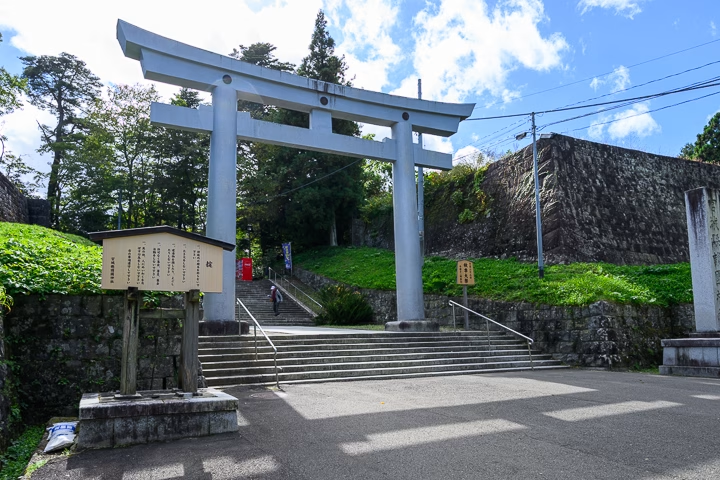
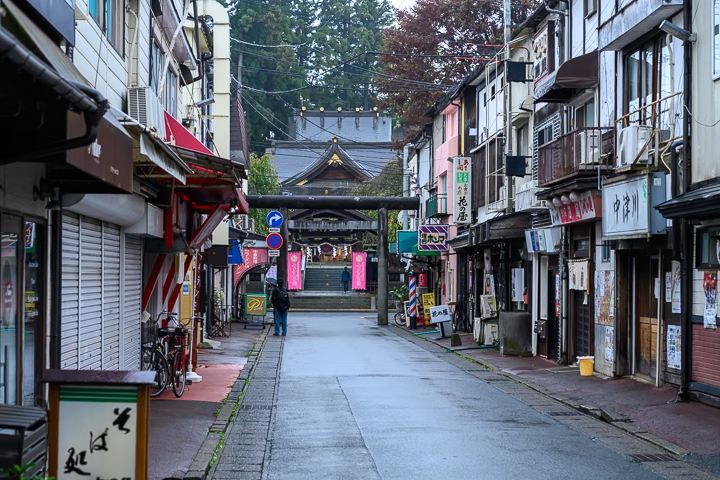
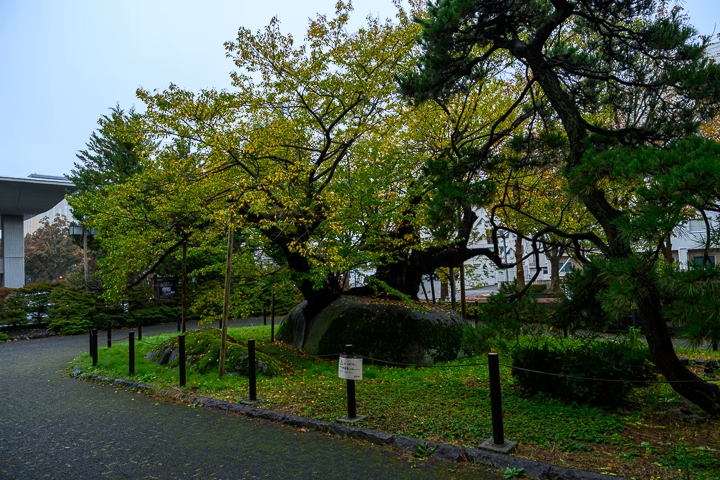
At the bottom of the castle hill, you will find the Sakurayama Shrine. From there you can walk along the traditional wooden buildings and historic streets. If you come during the Sakura season, you can also check out the Rock-Splitting Cherry Tree, which is in front of the Morioka District Court House.
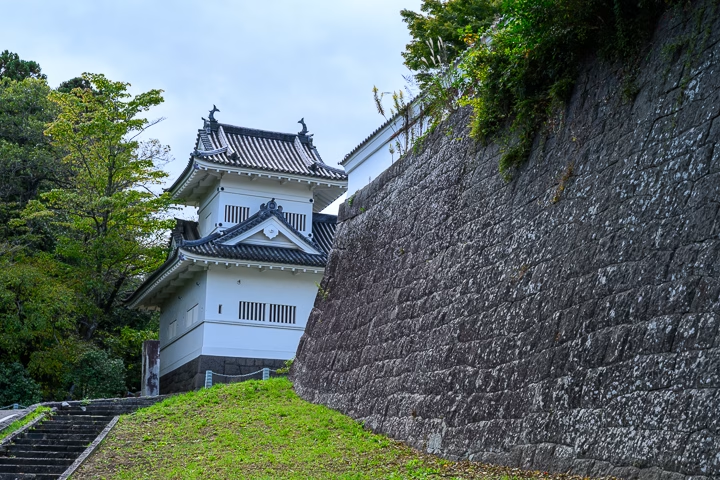
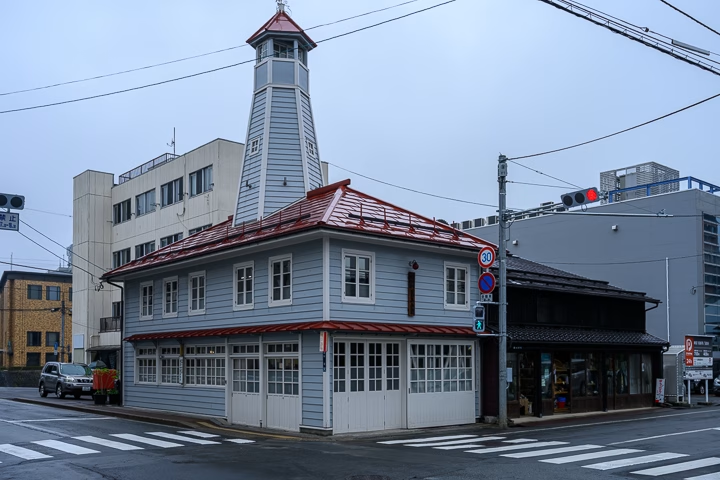
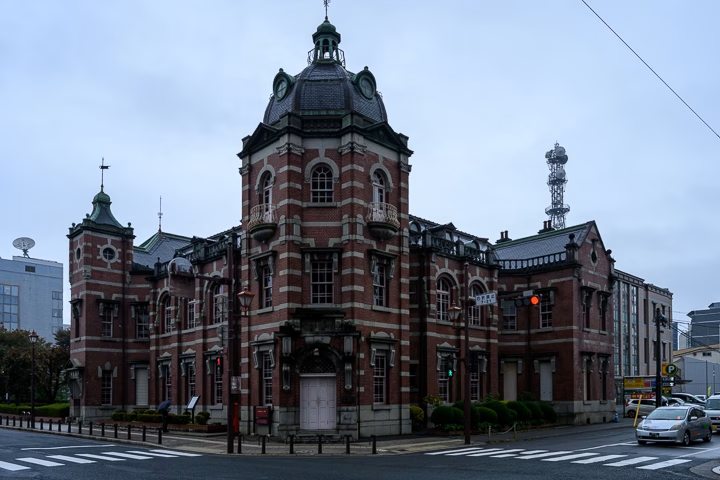
Whilst sightseeing in Morioka, visit to the Morioka Takuboku & Kenji Museum and do not miss the Bank of Iwate Red Brick Building. The latter was designed by Tatsuno Kingo and Kasai Manji, the architects of Tokyo Station. It is now operating as a museum. During your walk in the area, you will also pass the Konyacho Banya (Guardhouse), built in 1891 as the Morioka Fire Department’s group watchtower.
We felt like one full day was enough to discover the main attractions. Since the city is less than 40 minutes away from on the Shinkansen, you could easily visit Morioka on a day trip from Sendai.
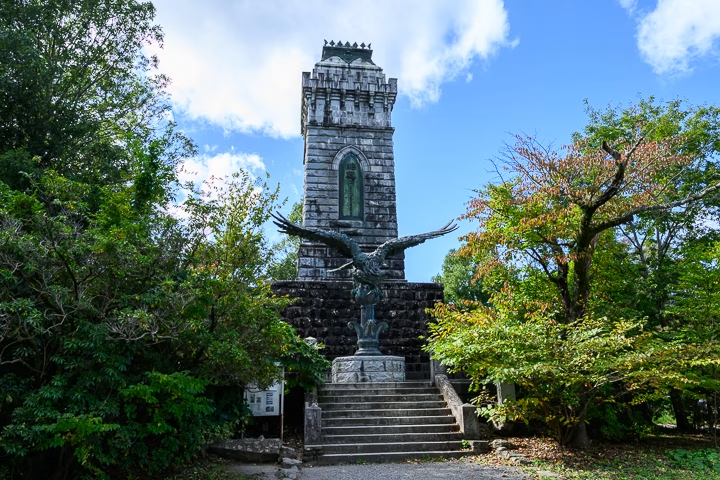
Discovering Sendai
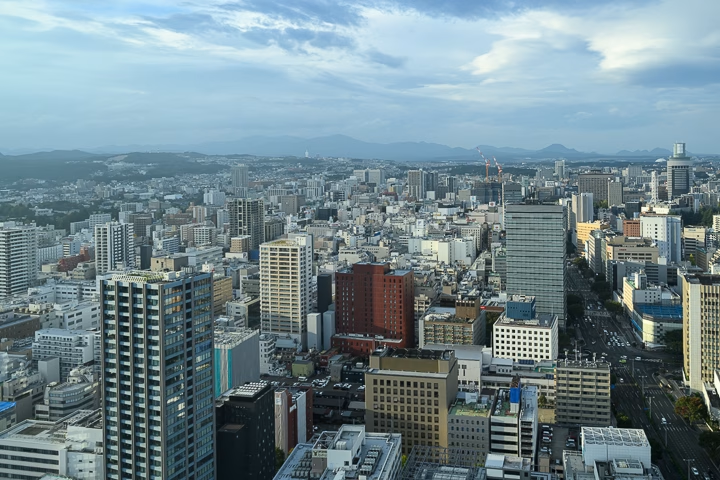
The next stop on our journey from Sapporo top Tokyo is Sendai. Arriving in Sendai feels like stepping into another world. The area around Sendai Station is lively and busy, with people rushing off in every direction. Everyone seems to have somewhere to be.
After checking into our hotel, The Westin Sendai, we headed out for a short walk. We wanted to get a feel for the city. On our way towards Nishi Park, we discovered Rielat Cafe & Me Time, a lovely little café. There, we finally enjoyed a healthy lunch. After all the cakes and sweet treats in Japan, it felt like a welcome change!
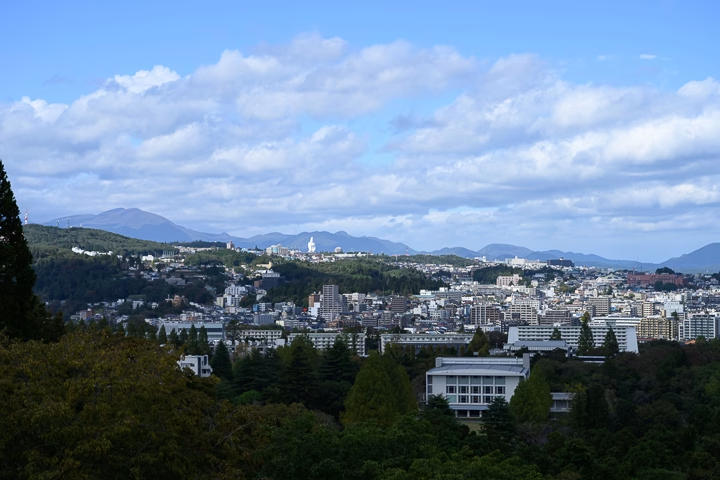
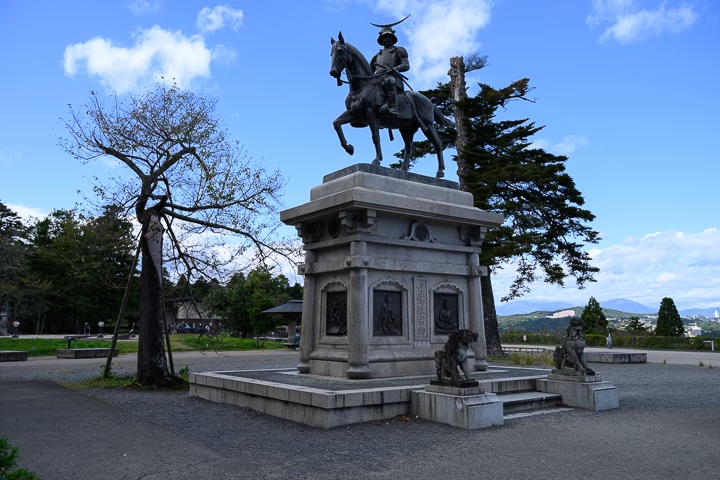
The following day, we explored the ruins of Sendai Castle. The site sits on a hill, just a short journey from the city centre. You can either walk uphill or take a bus. We chose the more scenic route through the surrounding forest. Although little remains of the original castle, the supporting stone walls still stand. However, the real highlight is the beautiful view across Sendai from the top.
Afterwards, we walked back down the hill and continued towards the Sendai City Museum of Art. It is well worth a visit. We were particularly lucky to catch a special exhibition featuring works by Kandinsky, which made our afternoon even more enjoyable.
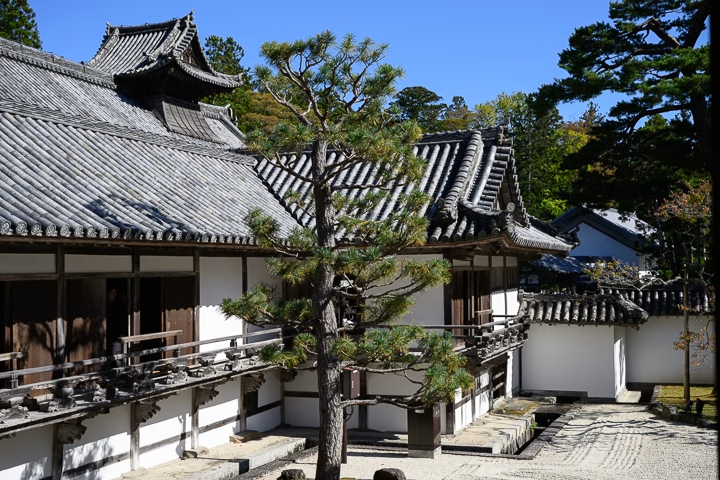
The Temples of Matsushima
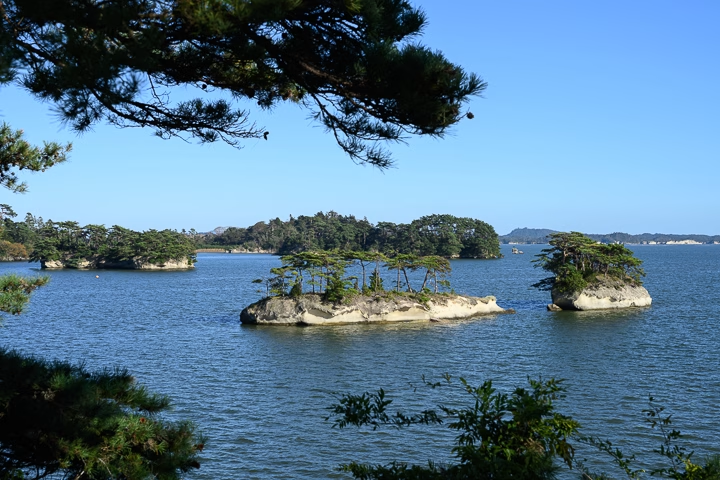
On our third day, we took a trip to Matsushima, one of Japan's most famous coastal areas. Many visitors come here to enjoy a boat trip around its beautiful islands. However, our main interest was its historic temples. Stop at Matsushimakaigan Station on the eastern side of the town so that you can explore at your leisure.
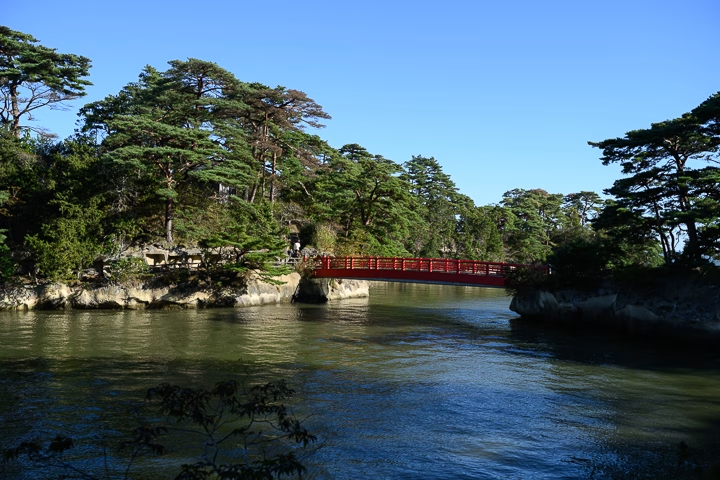
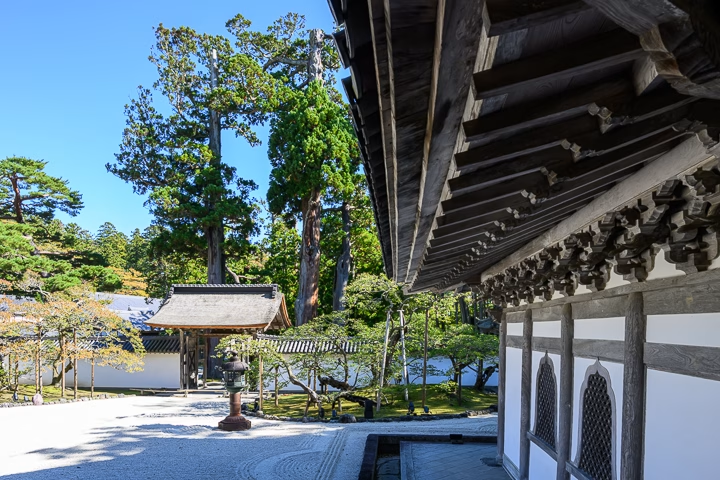
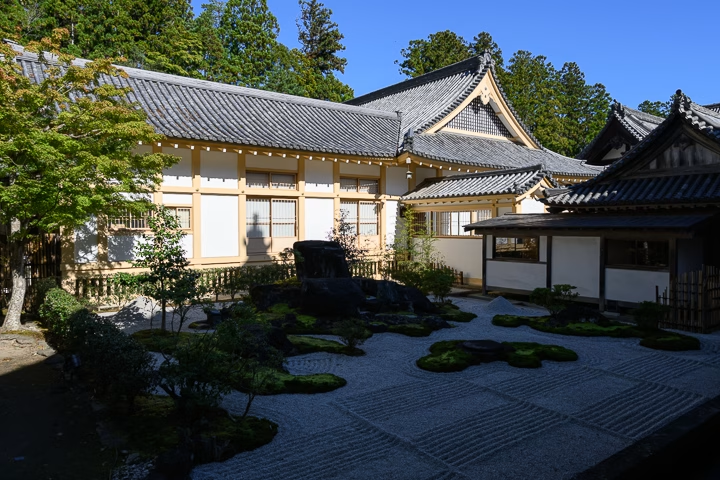
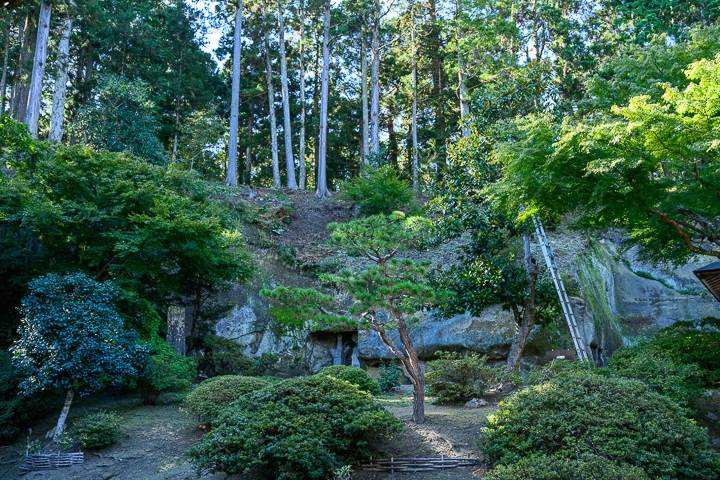
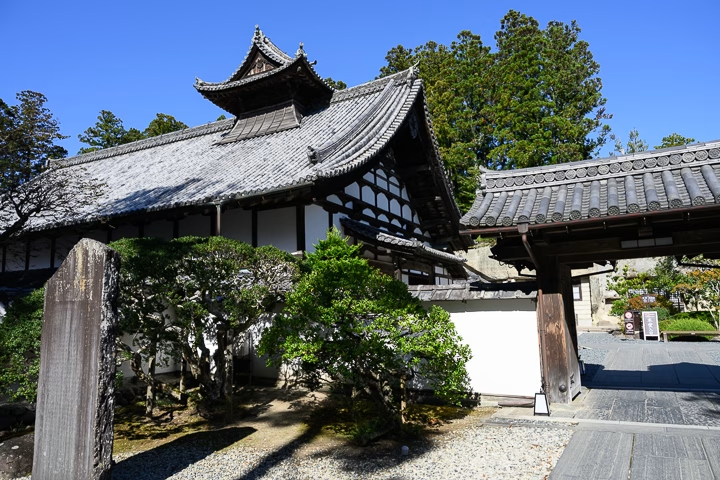
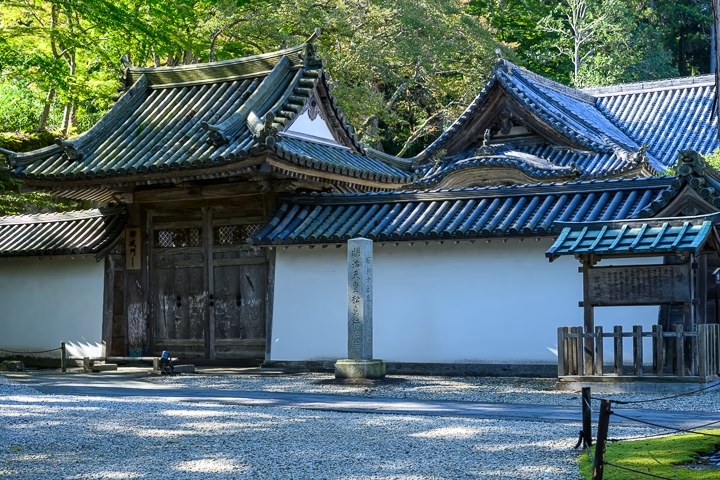
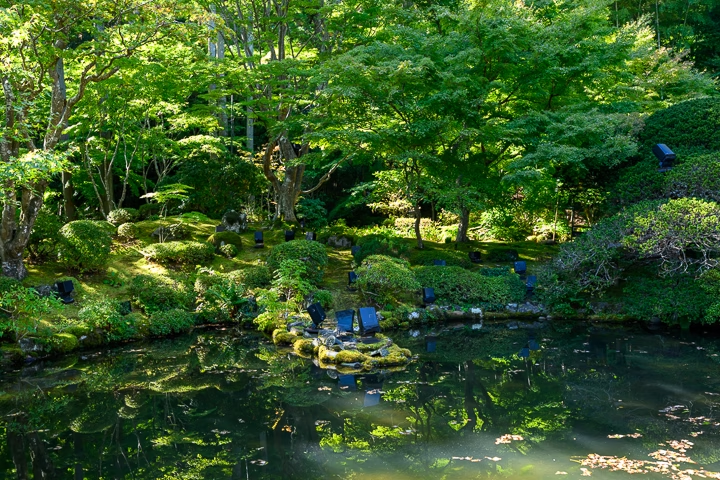
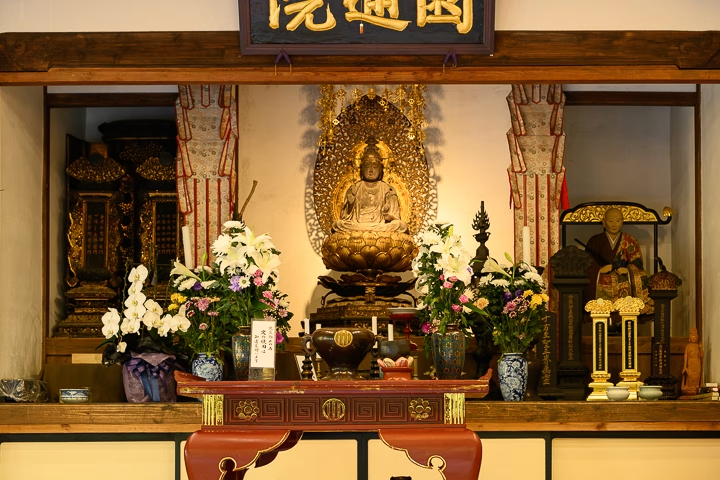
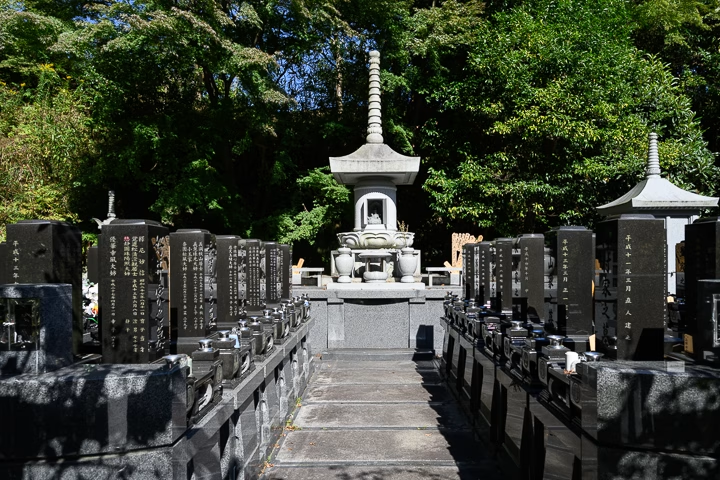
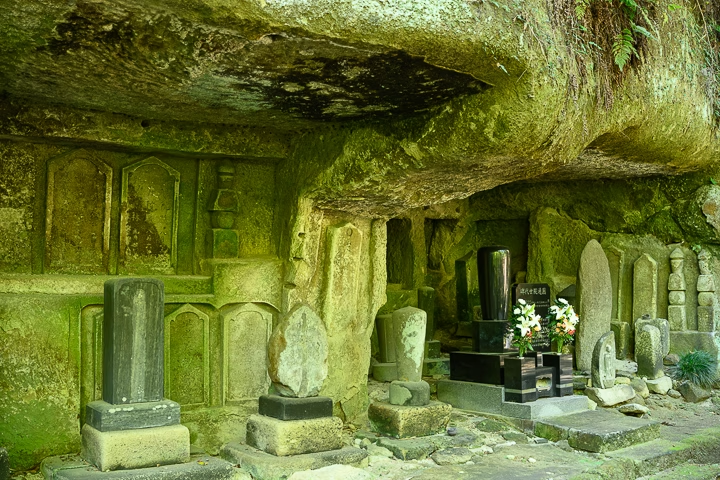
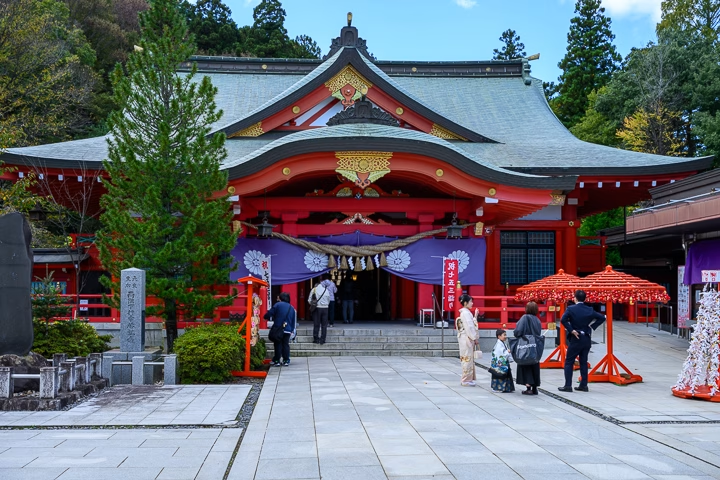
First, we visited Entsuin Temple and enjoyed a peaceful stroll through its beautiful Japanese gardens. We then continued to nearby Zuiganji Temple. Of all the temples we have visited in Japan so far, Zuiganji stands out as one of the most beautiful and best preserved. Its traditional architecture and peaceful atmosphere make it a truly special place. Both temples require an entrance ticket, but we found the experience well worth the cost.
After the main temples' visit, we headed to the small Godaido of Zuiganji Temple. On the way back along the seafront, we chose to stop at Shobian Cafe for a light lunch. Sitting on their terrace on a sunny day sipping a coffee and eating cheesecake was absolute bliss.
Finally, we walked to Oshima Island along the waterfront. If you want to see Matsushima's islands from a different perspective, you can also take a sightseeing boat. Several cruises are available, with trips lasting up to 50 minutes.
For us, however, the temples were the real highlight of Matsushima.
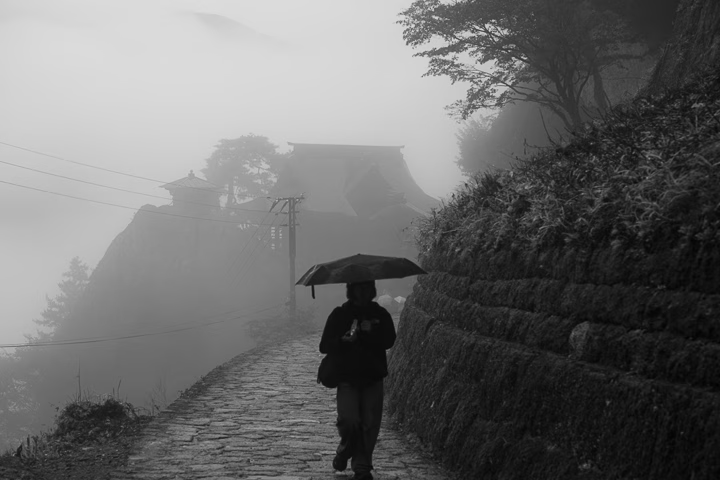
Yamadera: A Temple Above the Clouds
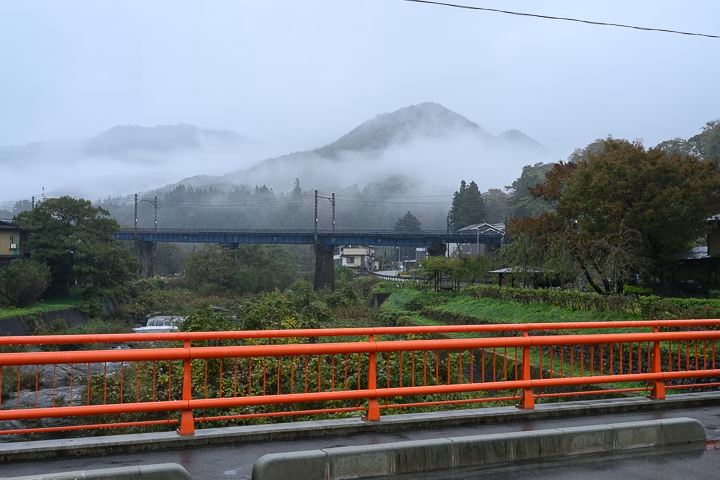
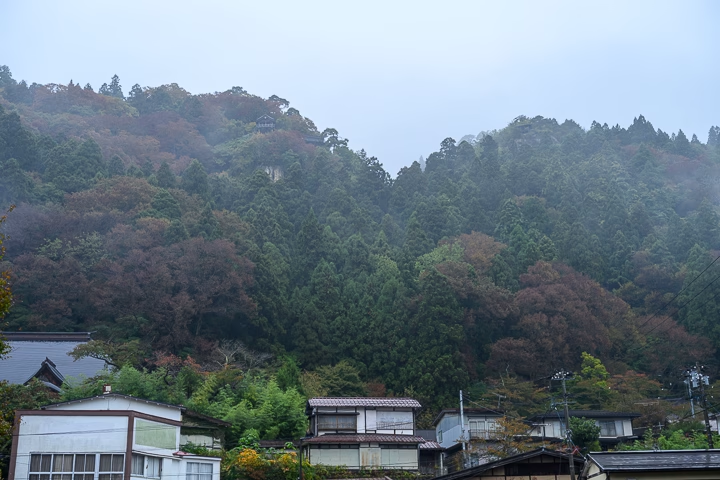
From Sendai, we travelled to Yamagata for a few nights, mainly to visit Yamadera, one of Japan's most impressive mountain temples. Nestled among the forested hills, this historic temple offers a memorable combination of nature, history and beautiful views.
However, you do not necessarily need to stay in Yamagata to visit. We stayed at the Daiwa Roynet Yamagata-Ekimae, but Yamadera makes an excellent day trip from Sendai. The train journey takes just over an hour. In fact, the train from Sendai to Yamagata stops at Yamadera Station along the way. If you choose to stay in Yamagata, reaching Yamadera is equally straightforward. Simply take the same train back towards Sendai and get off after approximately 20 minutes.
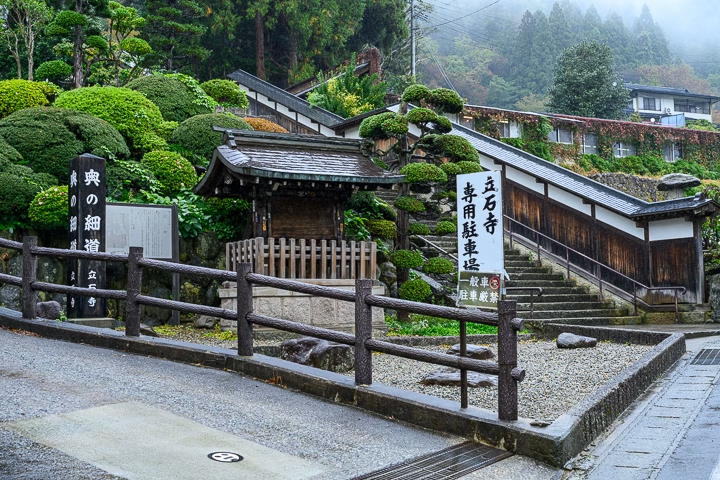
From the station, you can easily reach the temple entrance on foot. Then, the real adventure begins!
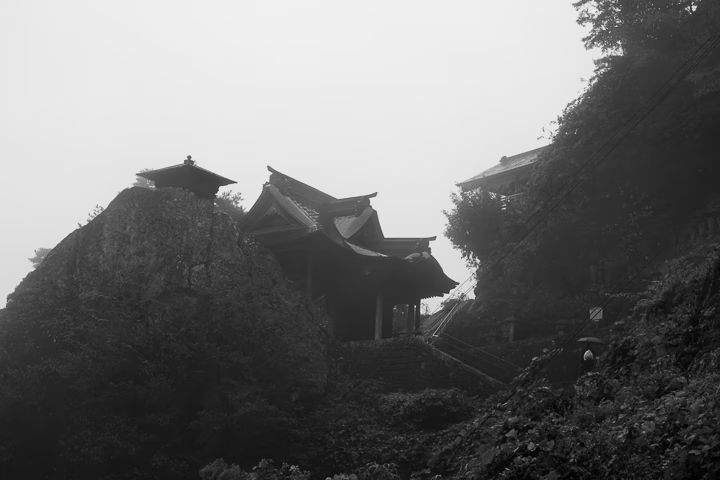
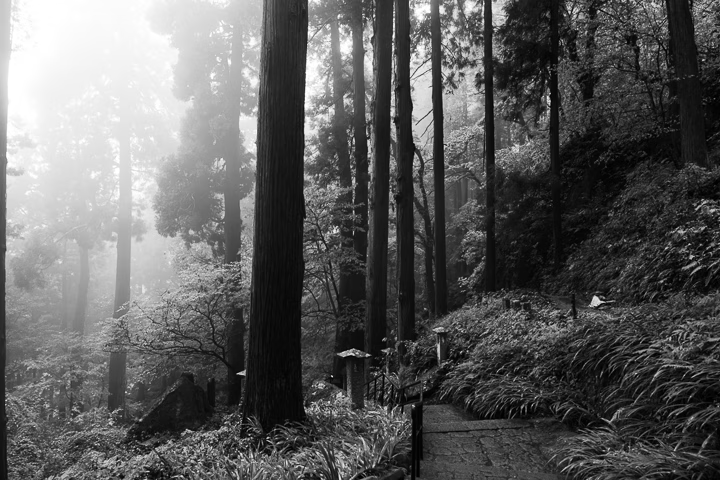
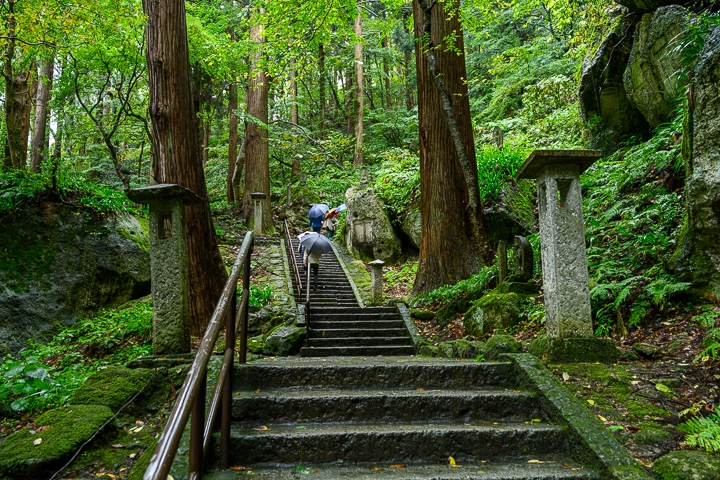
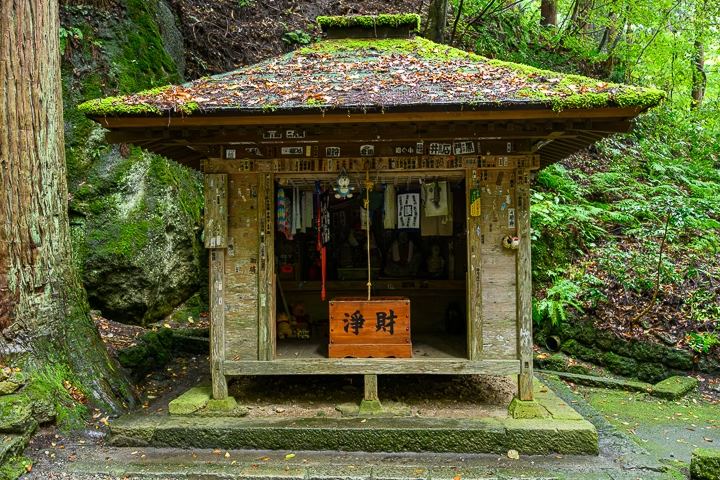
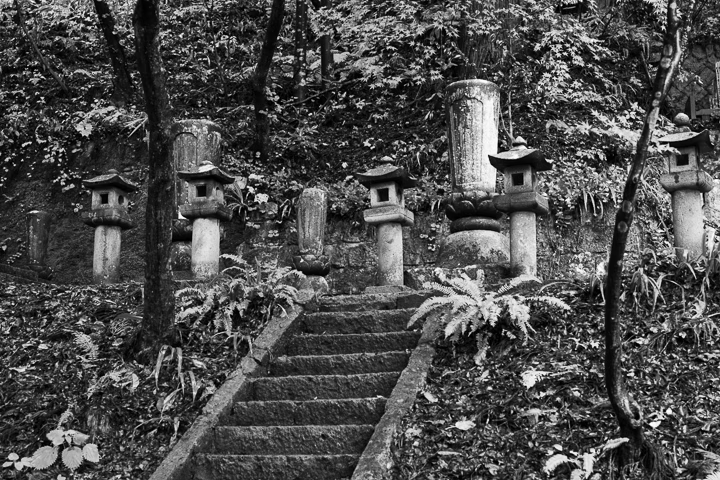
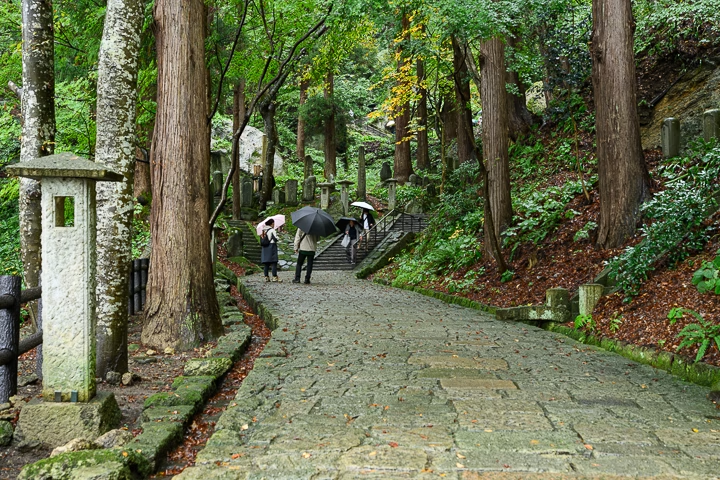
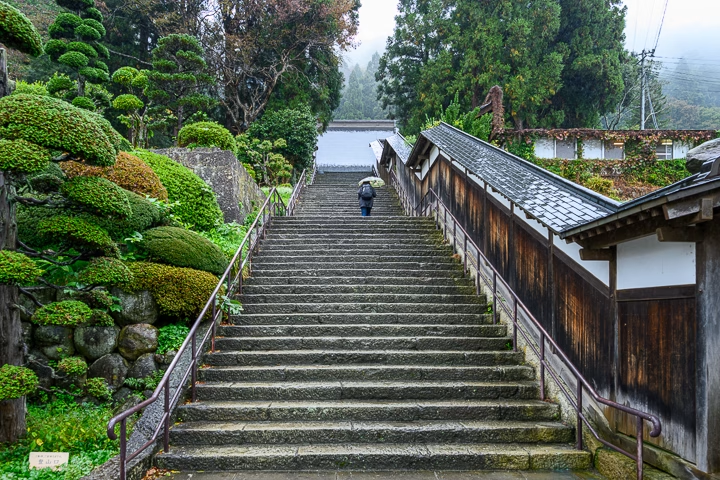
The climb to the main temple complex takes around 90 minutes, depending on your pace and how often you stop. Allow enough time for the climb and enjoy the journey rather than rushing to the top. Yamadera is one of those places where the journey itself is just as rewarding as the destination. You will need to tackle approximately 1,000 stone steps to reach the top. Although the climb requires some effort, the surroundings make it a rewarding experience. On a rainy day, the way, the trees and the temples appear ghost like in the fog.
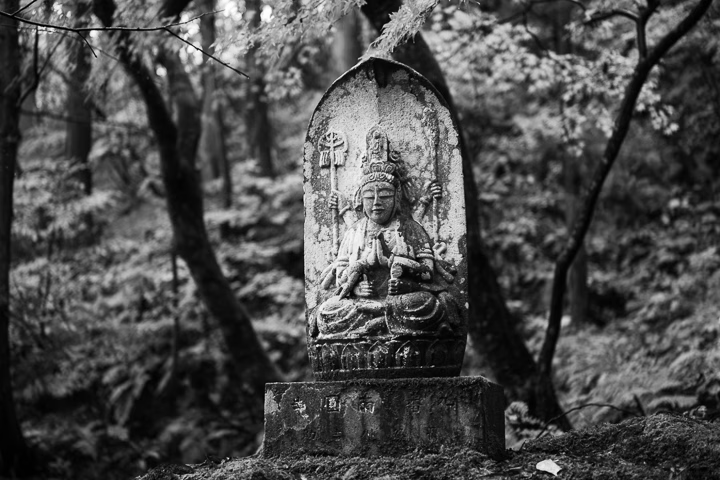
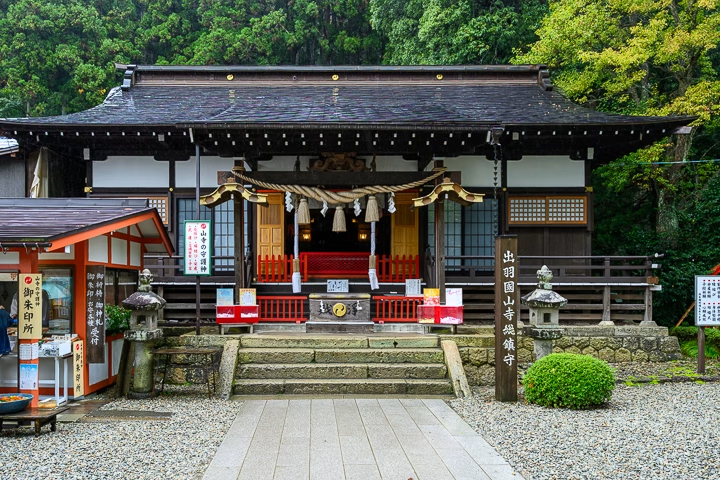
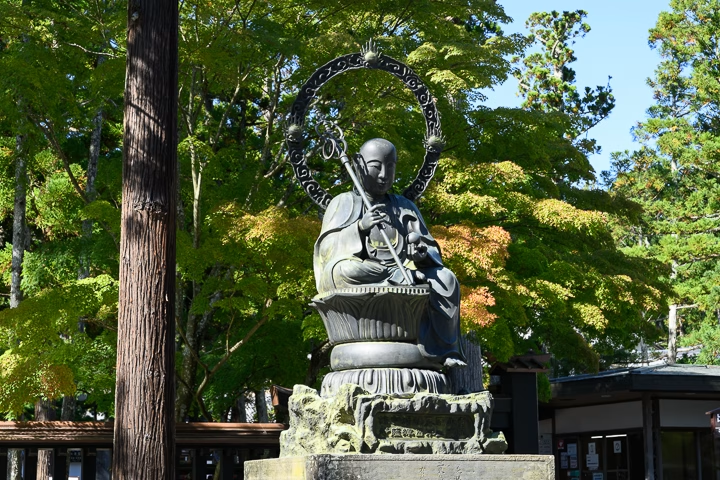
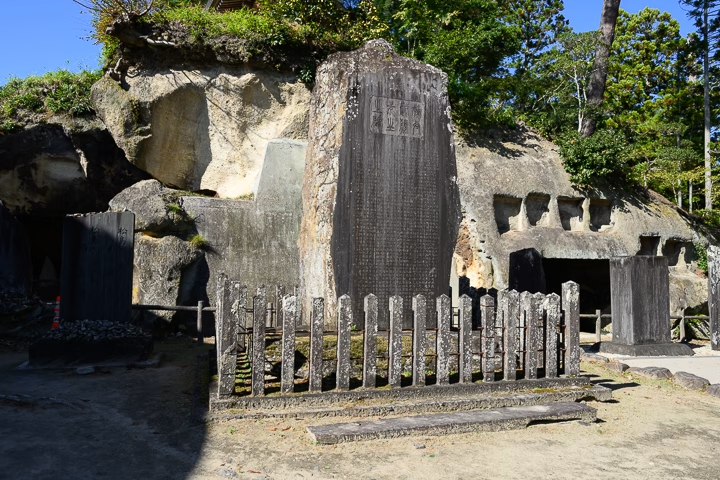
Along the way, you will discover numerous Buddhist statues, small shrines and traditional temple buildings. The path winds through a beautiful forest, creating a peaceful atmosphere. Moreover, the different stopping points offer plenty of opportunities to pause, explore and take photographs.
Once you reach the upper temple grounds, you can enjoy spectacular views across the surrounding mountains and valleys. It is easy to understand why Yamadera has attracted visitors for centuries.
In Yamagata we found a great tonkatsu restaurant: Hirata Bokujo Tonkatsu Restaurant. It is a chain that uses the acclaimed "Hiraboku Kinka Pork" and "Hiraboku Sangen Pork", which is considered the best in Japan. The pork is characterized by its juicy texture and refined sweetness, making it a beloved dish among many fans.
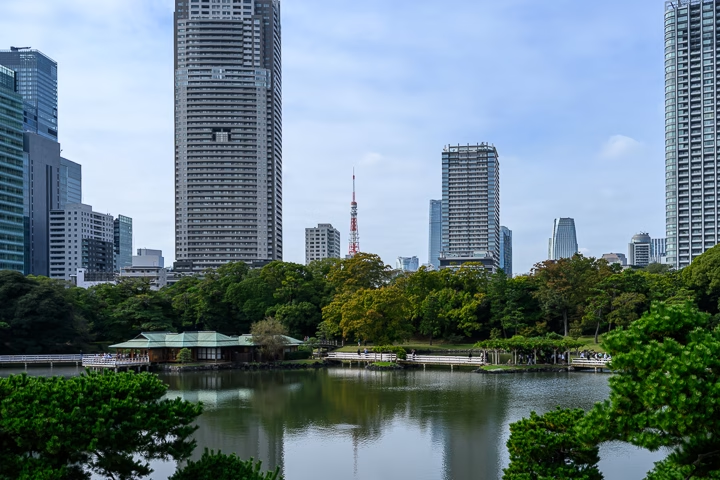
Discovering More of Japan's Capital
On our journey from Sapporo to Tokyo, we had originally planned to stop in Nikko, but decided to spend a few extra days exploring the capital instead. From Yamagata, we therefore caught the Shinkansen directly back to Tokyo. After all, there is always something new to discover in Tokyo, even on a return visit.
This time, we stayed at the Shiba Park Hotel in Minato City. Its location makes a great starting point for exploring some of Tokyo's temples, gardens and neighbourhoods. They have a library with a selection of over 2,000 books about Japanese culture, architecture, photography, art, and fashion. It was our treat for the remaining days of our journey.
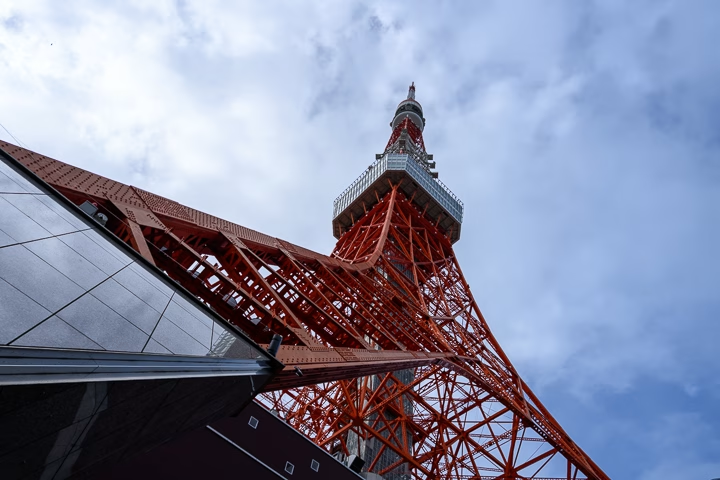
Shiba Park and Tokyo Tower
If the weather is good, start with a walk around Shiba Park and its beautiful temples. The historic buildings and peaceful surroundings offer a lovely contrast to the busy streets nearby.
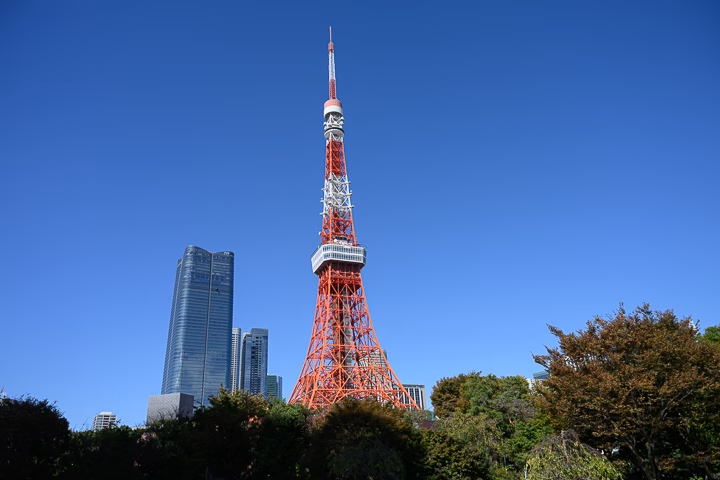
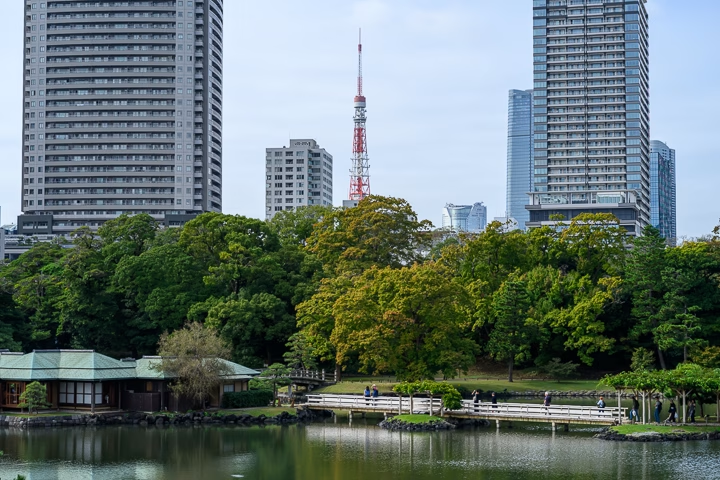
From there, continue towards Tokyo Tower. Its striking red and white structure makes an impressive sight, especially when viewed from the surrounding park.
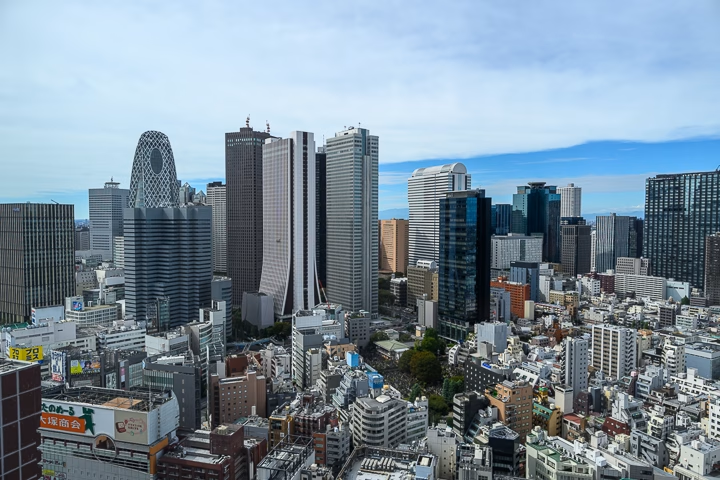
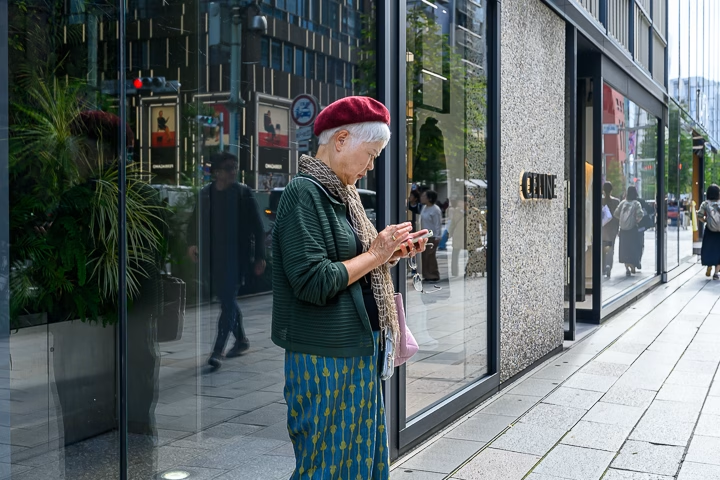
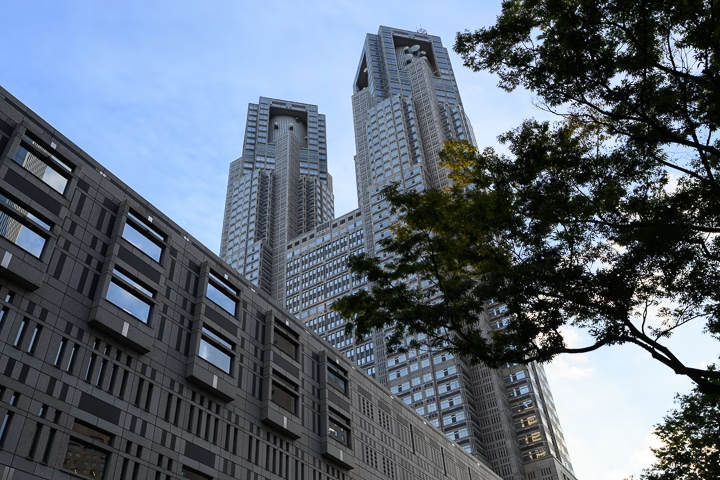
We decided not to go up the tower. Tokyo offers several other viewpoints, including the free observation decks at the Tokyo Metropolitan Government Building in Shinjuku. Instead, we headed back towards the waterfront, stopped at Kyū Shiba-rikyū Gardens, before continuing to Ginza.
For dinner, we discovered Salmon's, a small restaurant specialising in salmon dishes. A young owner in his mid-twenties runs the place, and the staff made us feel very welcome. The food was light, wonderfully tasty and accompanied by sake. It was one of those lovely little restaurant discoveries that make travelling so enjoyable.
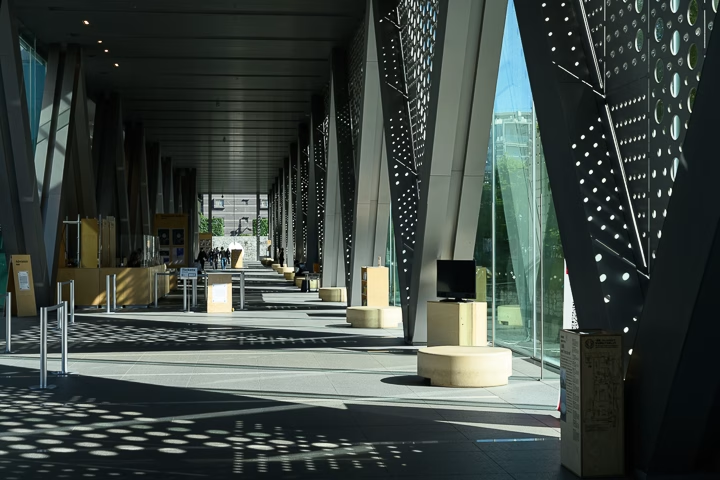
Gardens and Contemporary Art
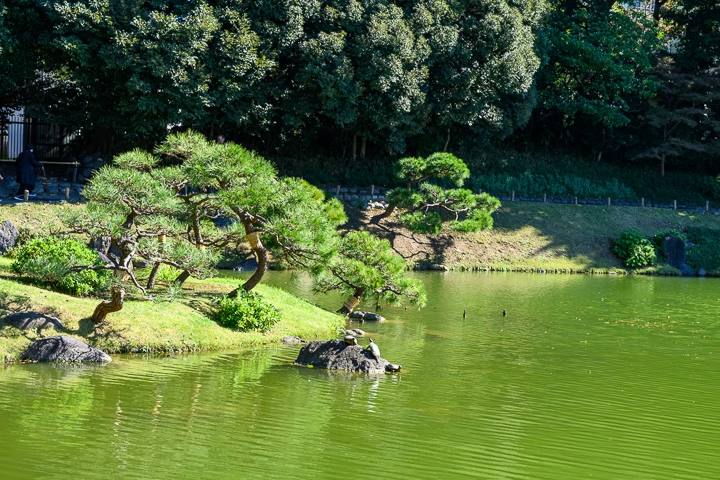
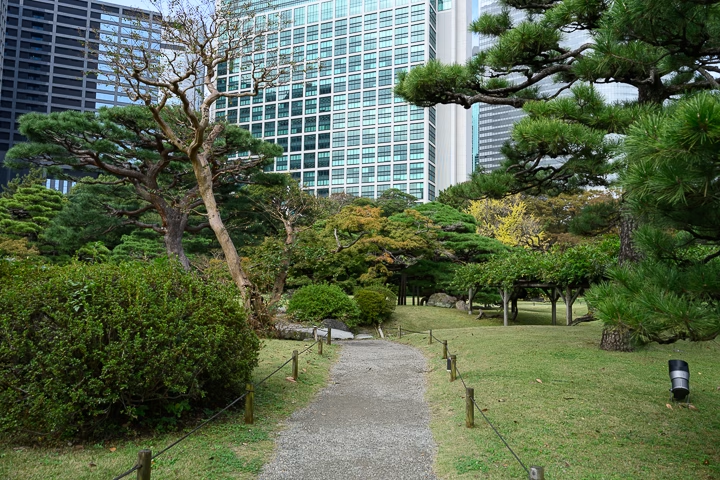
On another day, we took the metro to Kiyosumi Gardens. This traditional Japanese garden offers a peaceful escape from the city's constant activity. Its carefully designed paths, ponds and stone features make it a lovely place for a relaxed stroll.
Later, we visited the Museum of Contemporary Art Tokyo (MOT), where we explored an exhibition featuring Tada Minami.
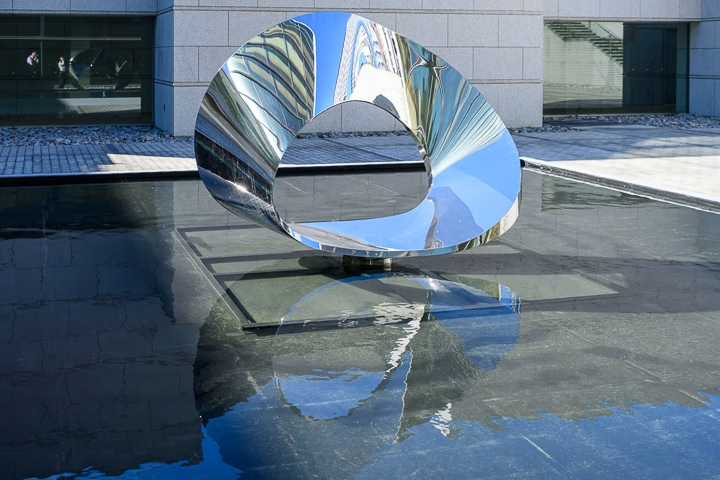
A Taste of Wagyu
Tokyo also offers plenty of opportunities to enjoy Japanese beef without spending a fortune. If you fancy a wagyu steak, try Yappari Steak, Shiba Daimon Branch. It is a chain restaurant rather than an intimate dining experience. However, the steaks are remarkably tender and offer good value for money. A word of advice, wear the bib to protect you clothing from the spitting oil.
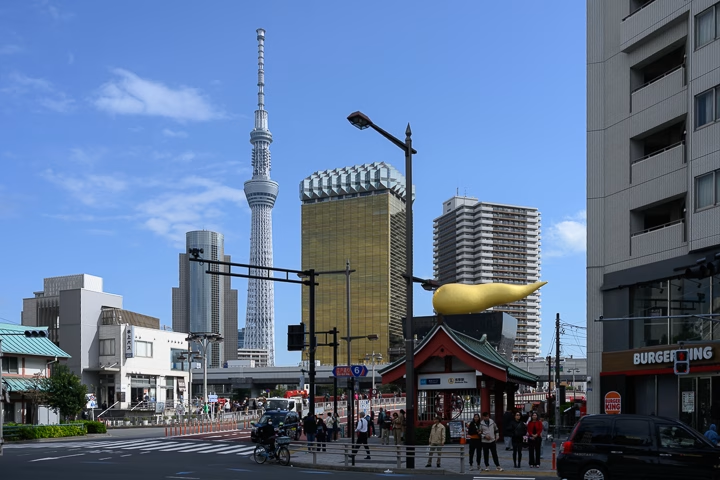
Exploring Old Tokyo
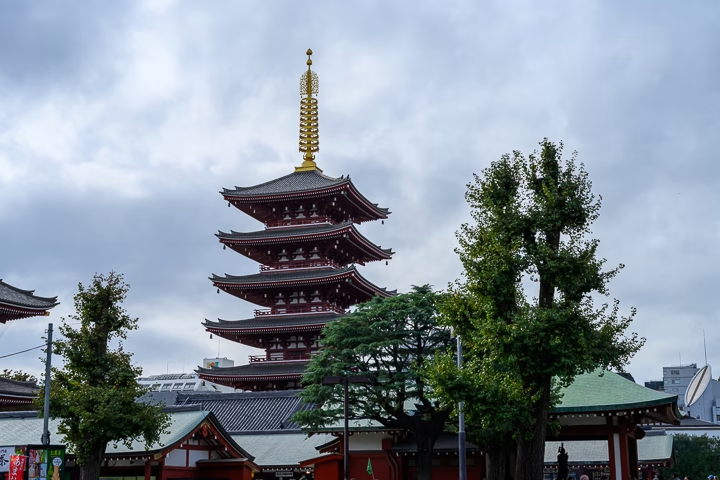
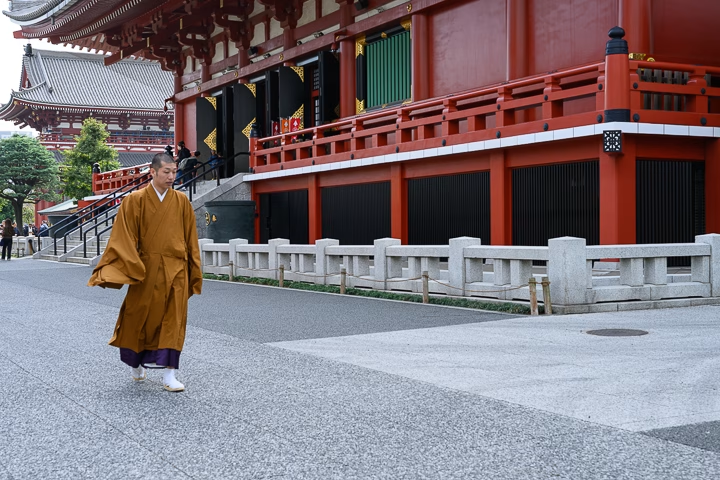
Another day, head to Asakusa and start at Kaminarimon Gate. From there, follow the lively streets towards Senso-ji Temple, one of Tokyo's most famous Buddhist temples.
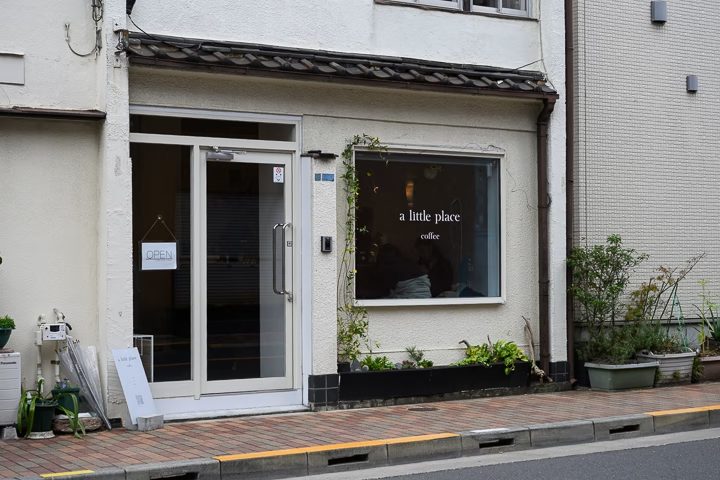
However, do not stop at the main attractions. Instead, explore the smaller streets behind the temple. This older part of Asakusa has plenty of character and traditional shops. We also stopped for coffee and cake at A Little Place Coffee, a lovely spot for a break.
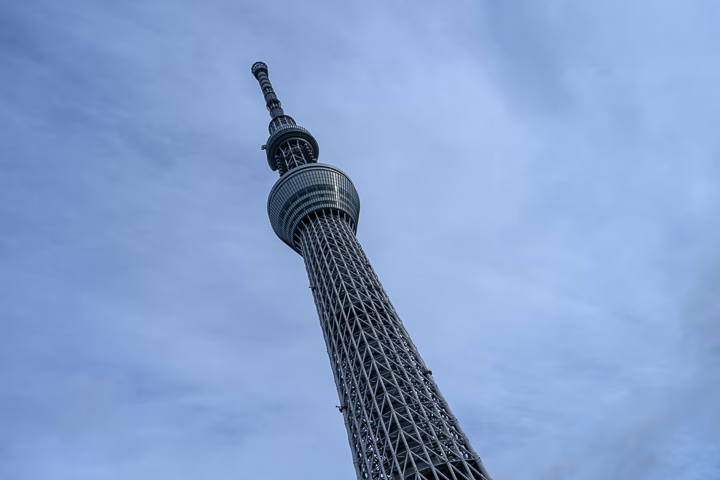
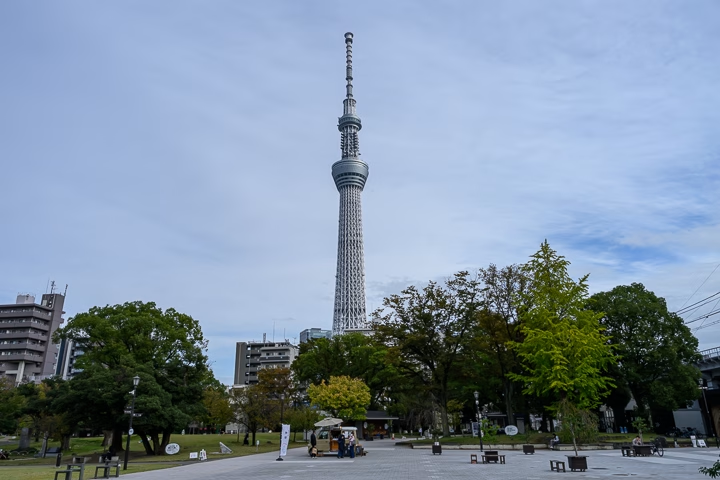
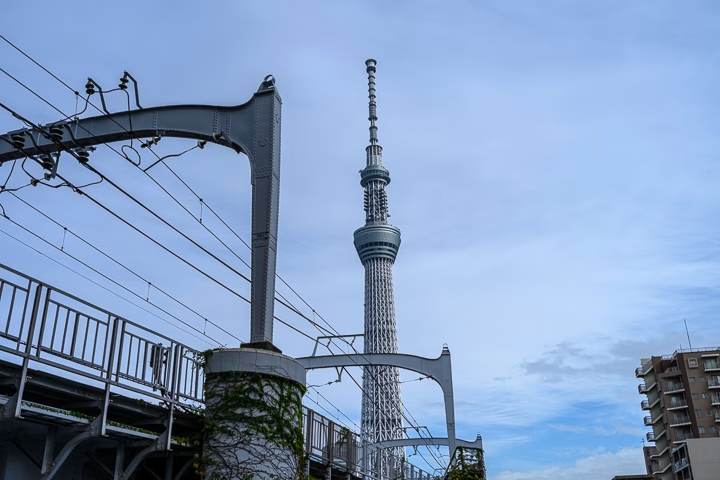
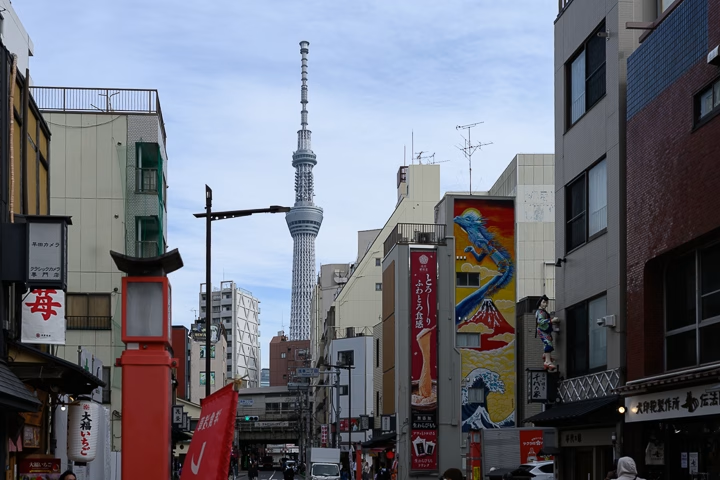
If you still have some energy, walk across the river towards Tokyo Skytree. The area offers excellent opportunities for photography, particularly with the tower rising above the surrounding neighbourhood.
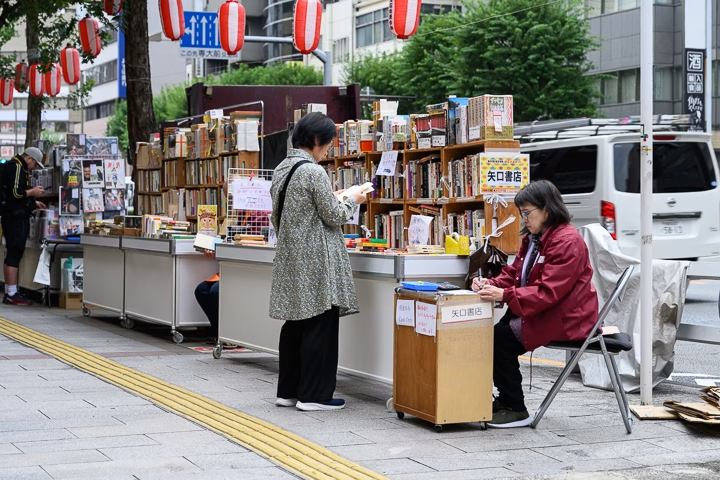
Bookshops, Coffee and City Streets
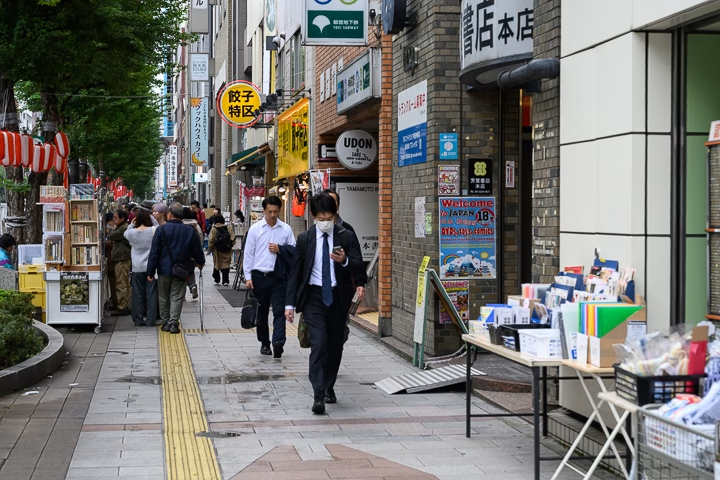
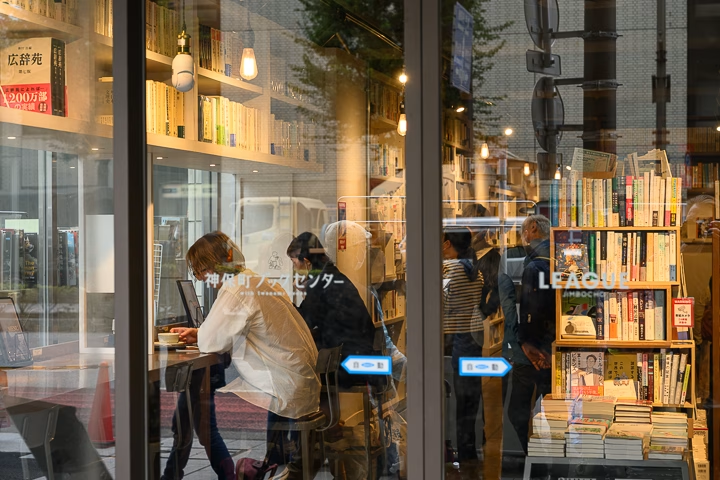
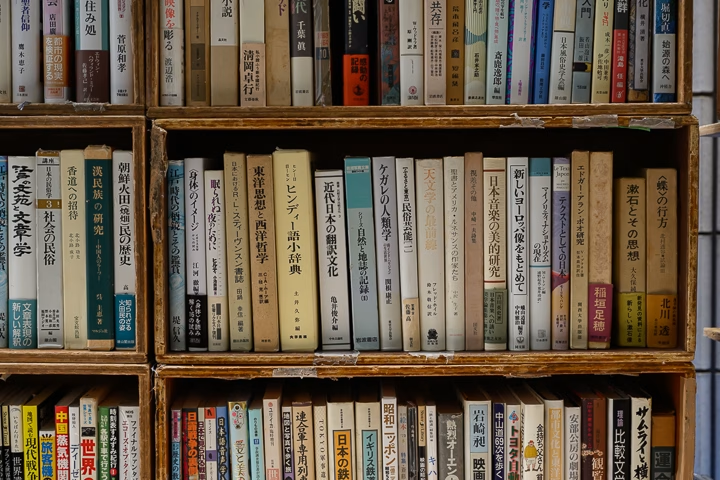
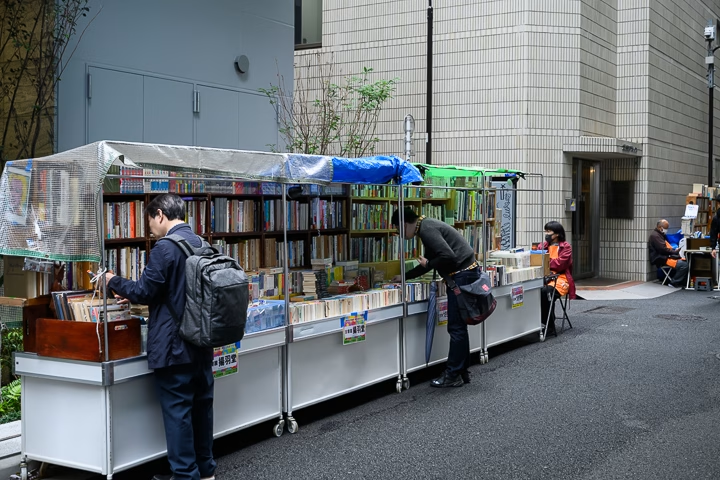
Finally, make time for Jinbocho, Tokyo's famous book district. Its many second-hand bookshops make it an interesting neighbourhood to explore.
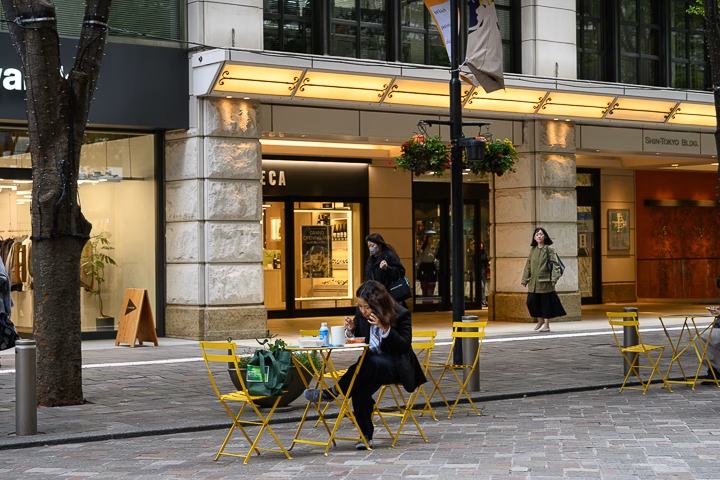
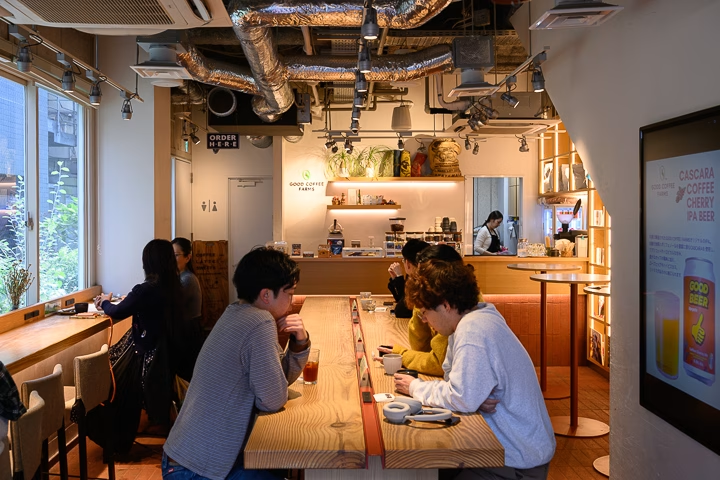
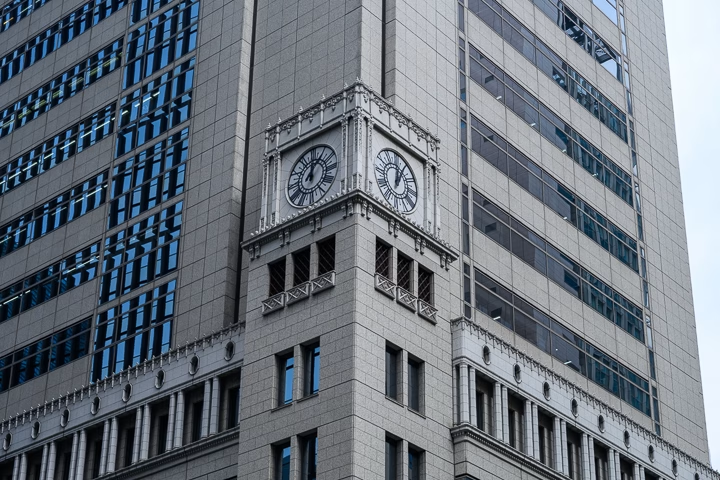
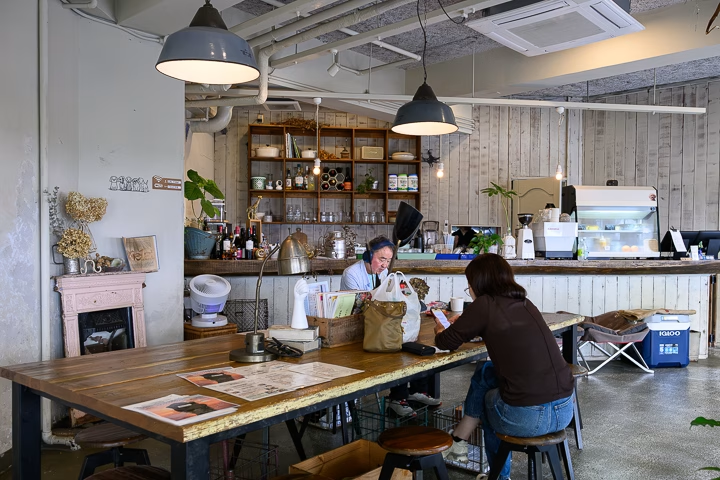
A short walk from Tokyo Station takes you to Nihombashi, one of the city's older business districts. Here, stop at GOOD COFFEE FARMS Cafe & Bar for a coffee before exploring the surrounding streets.
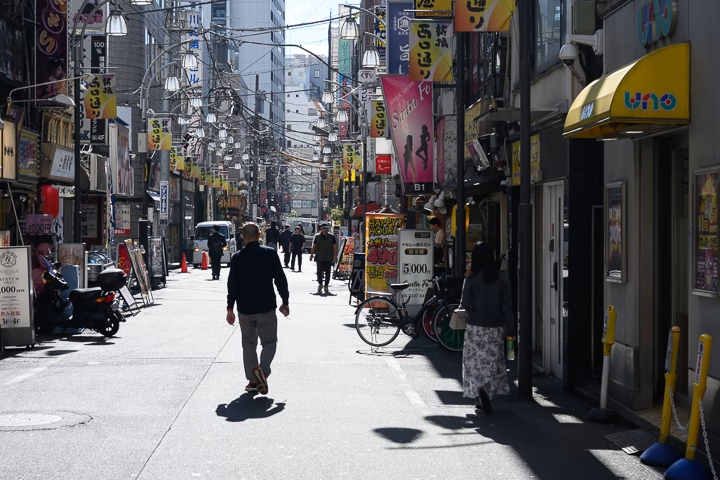
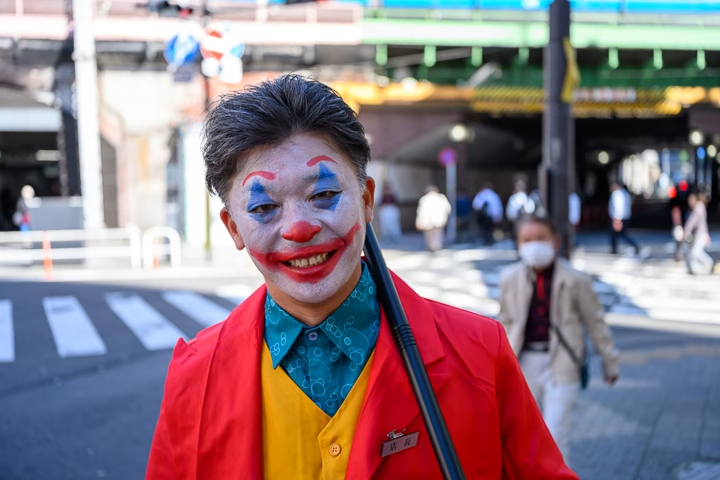
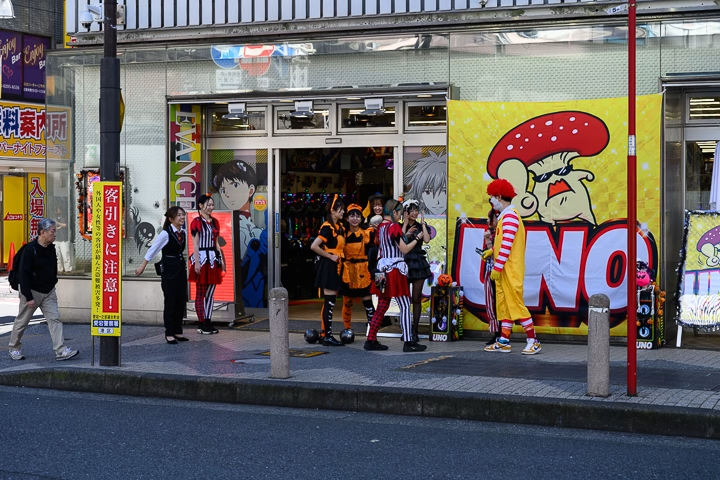
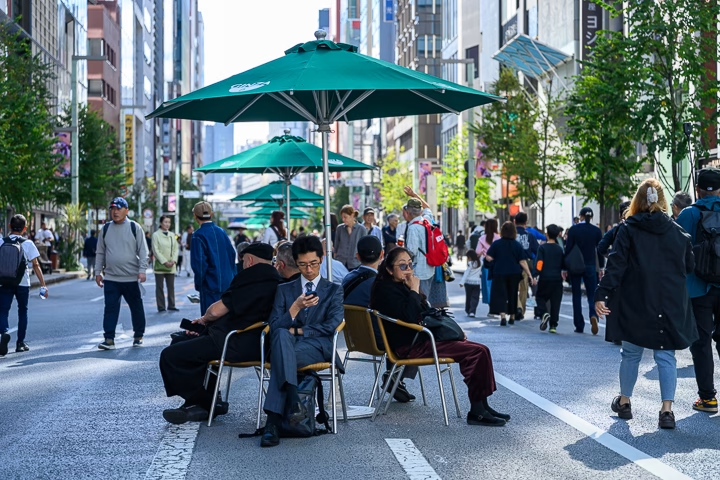
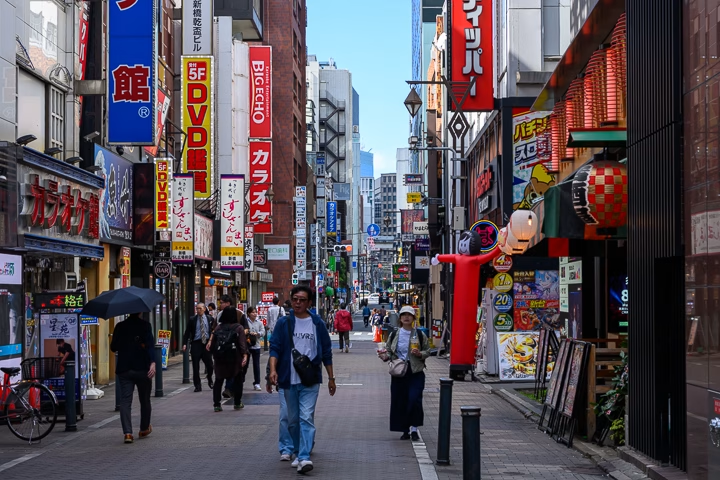
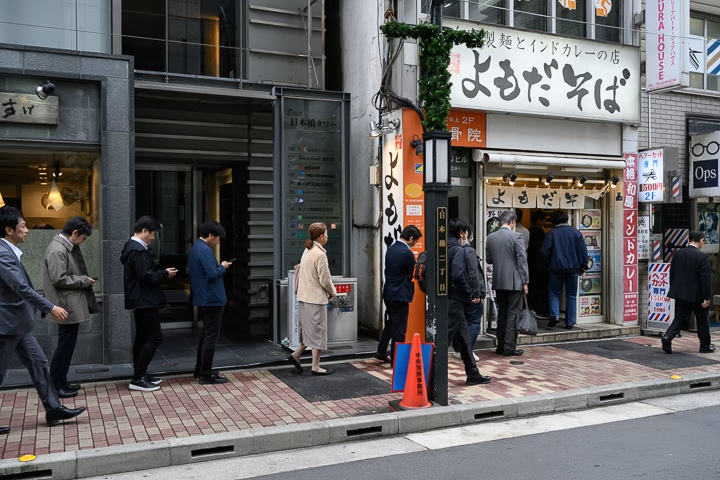
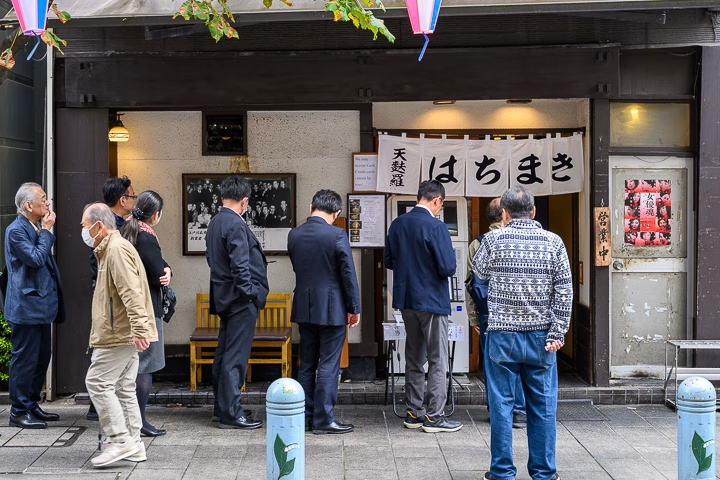
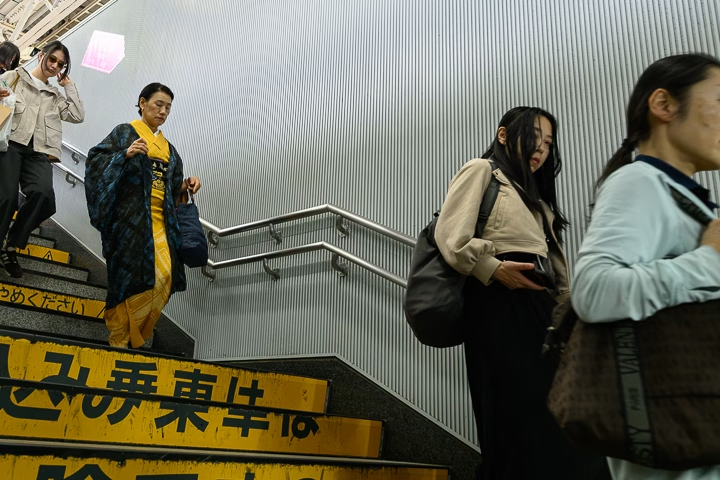
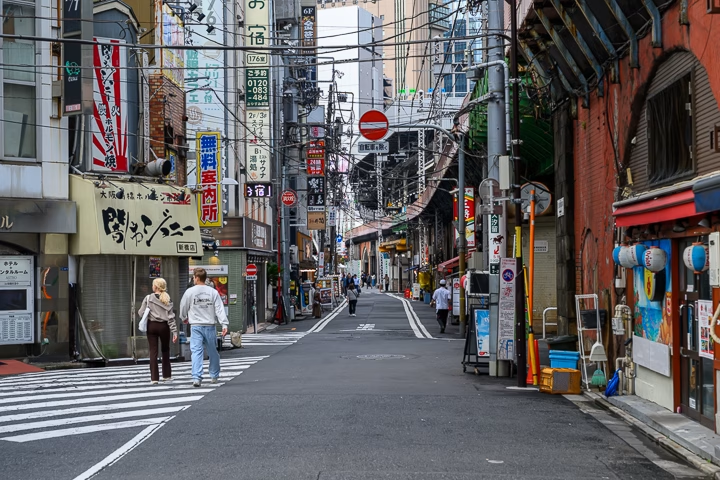
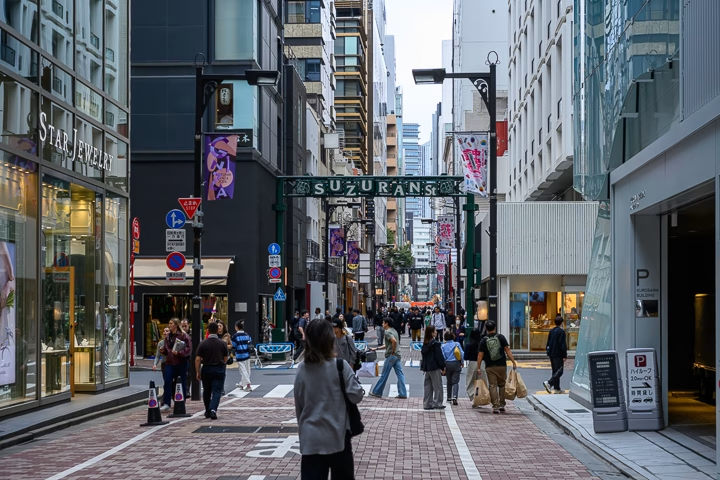
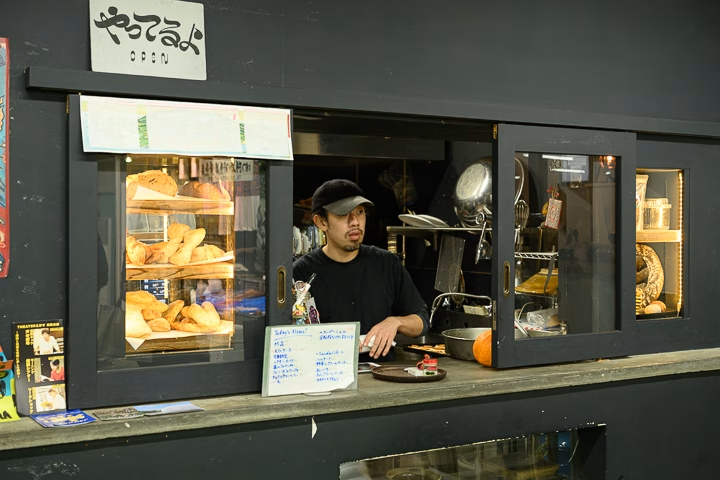
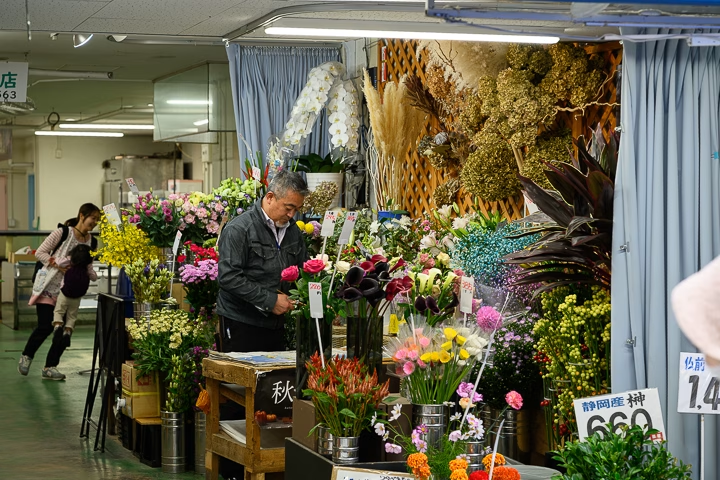
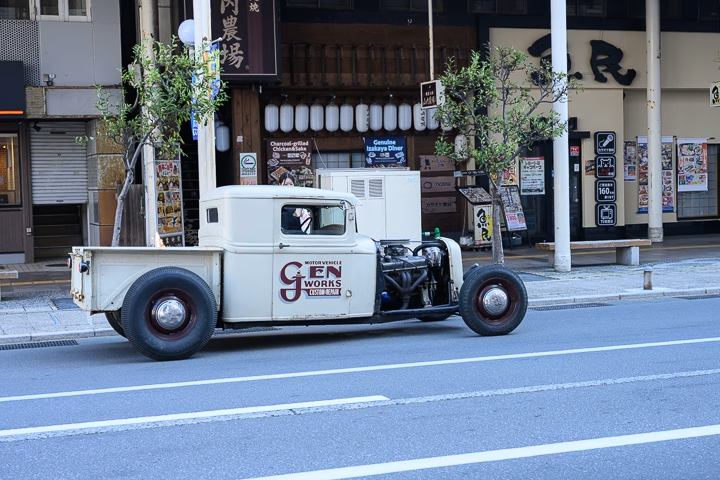
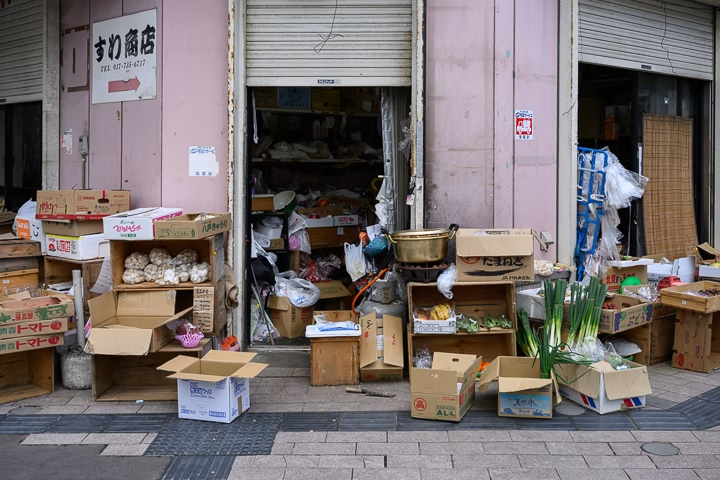
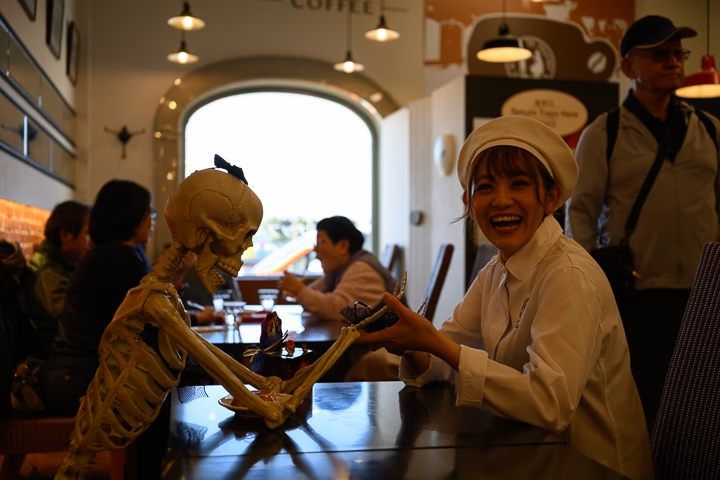
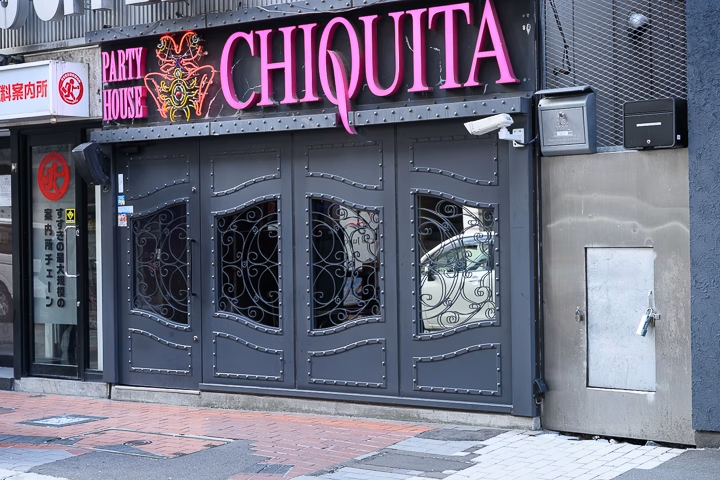
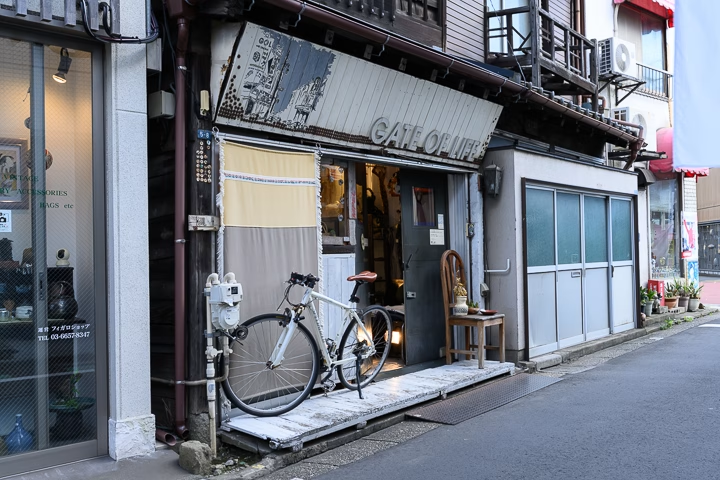
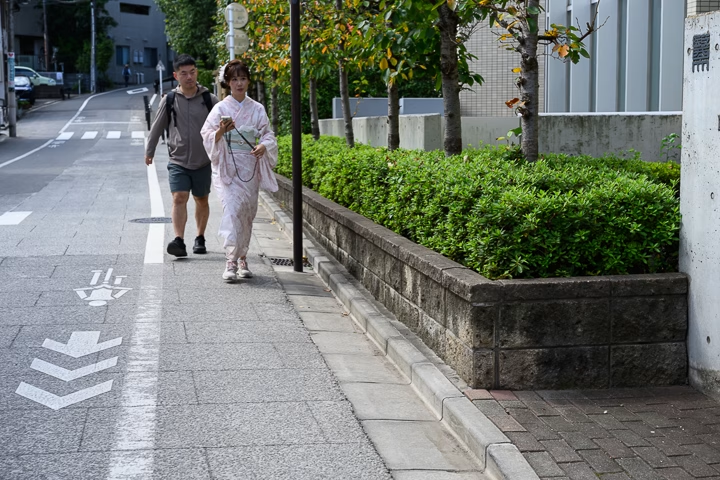
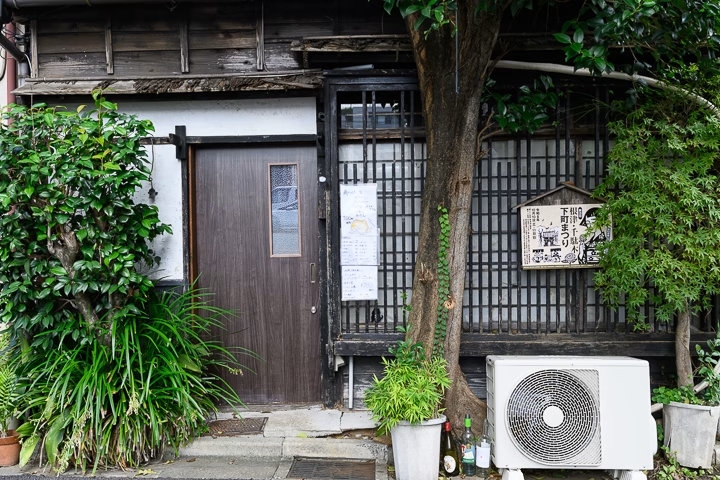
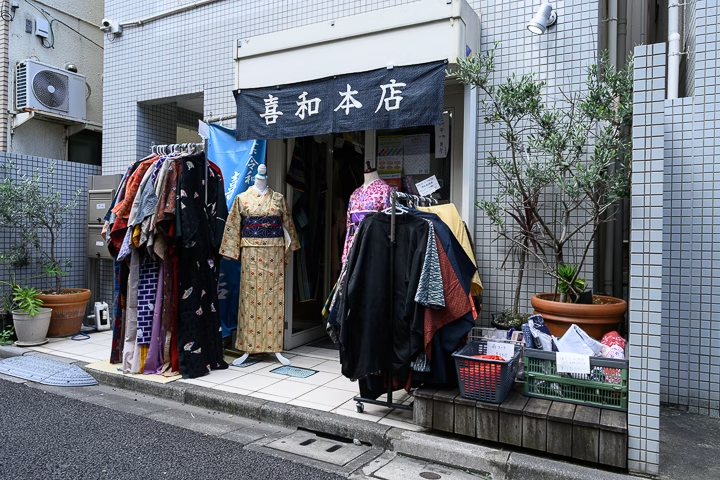
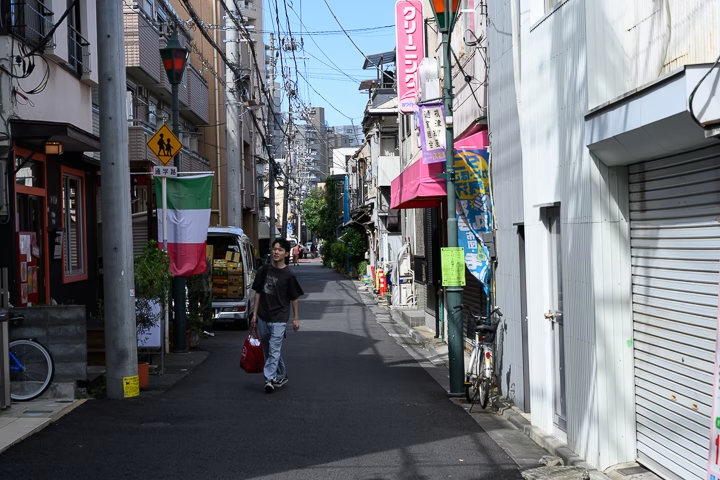
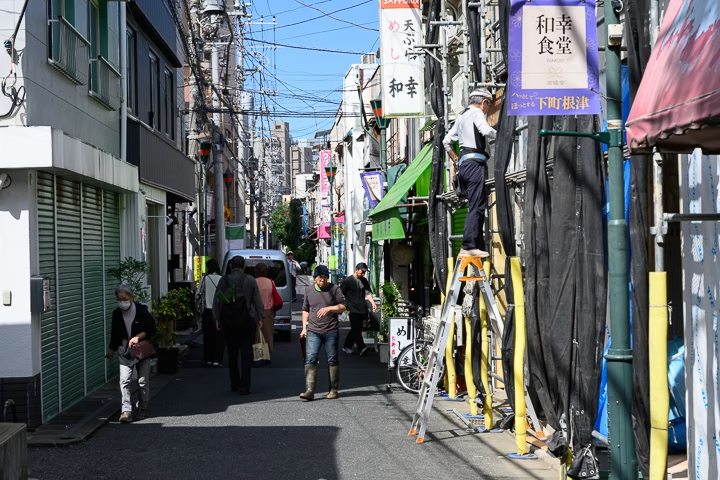
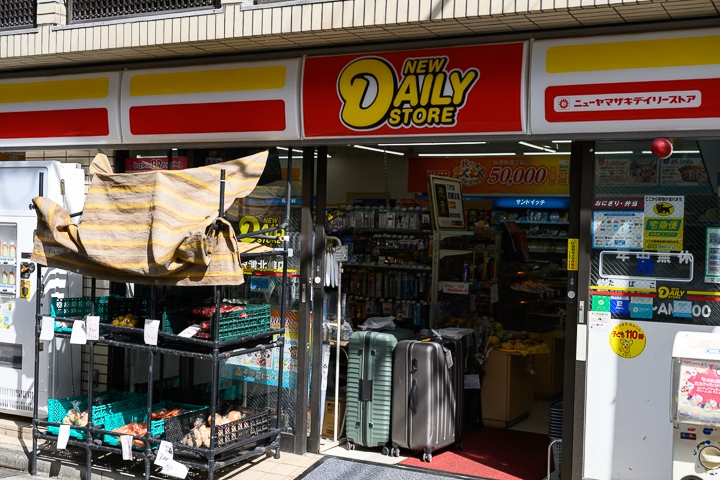
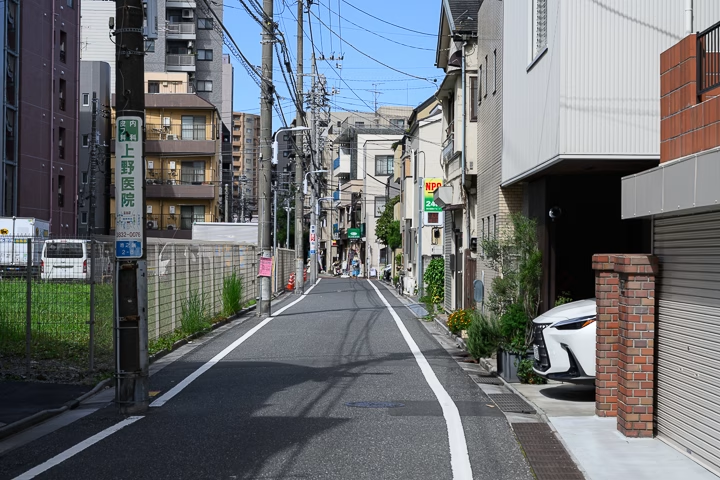
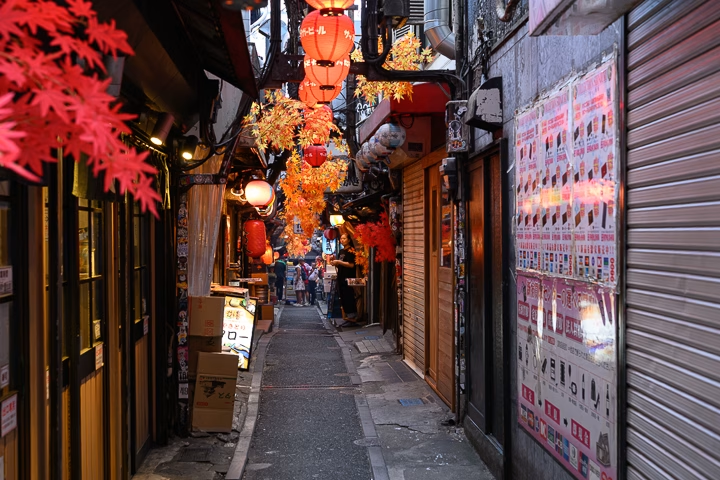
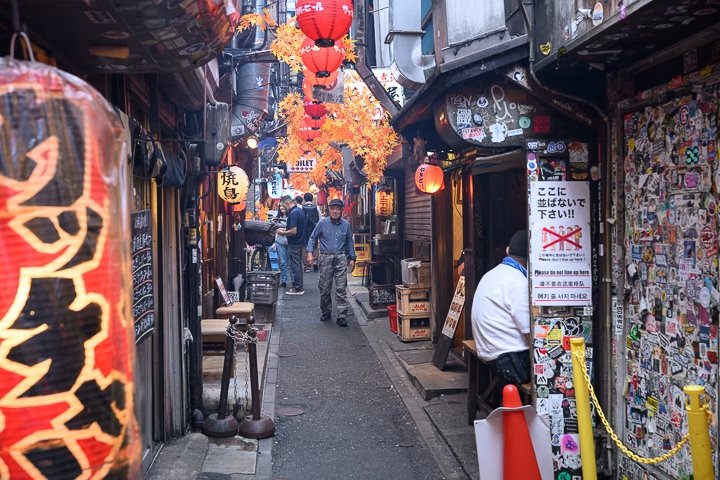
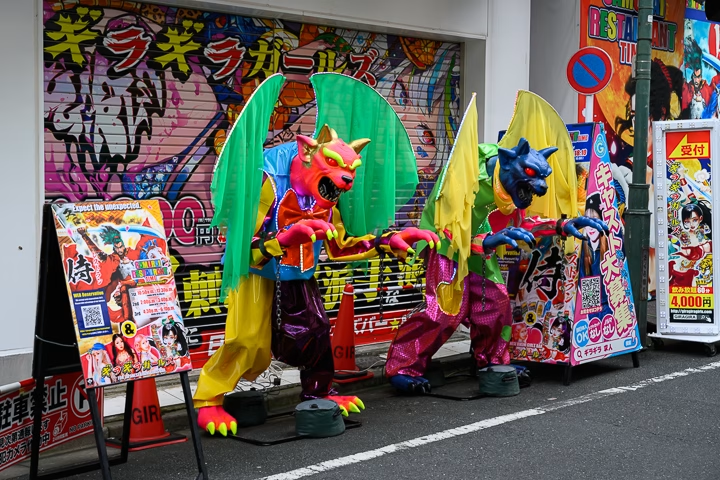
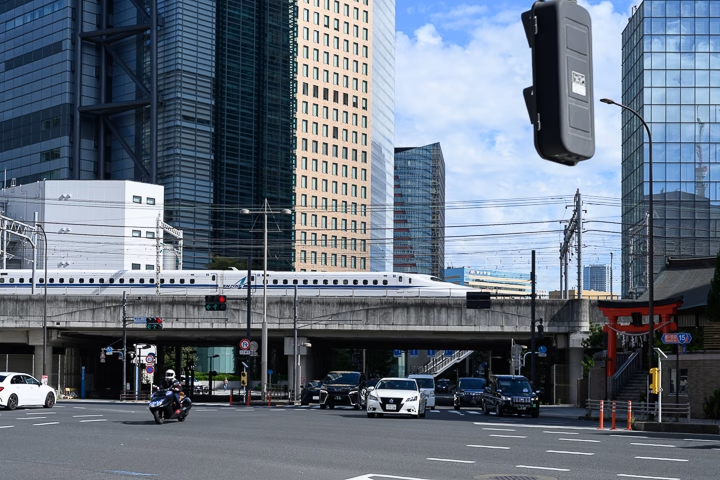
We also returned to Shiba Park for a stroll on our last day. I ventured further to Nihombashi and Ginza for a last sightseeing tour on Halloween day. Tokyo's back alleys are full of surprises. Their colourful shop fronts, restaurant signs and small local businesses provide endless opportunities for street photography.
Even after several visits, Tokyo continues to surprise us. Sometimes, the best discoveries happen when you simply leave the main streets behind.
A Journey Worth Taking
From Sapporo to Tokyo, this journey gave us exactly what we had hoped to find: a different perspective on Japan. We discovered beautiful landscapes, fascinating history, remarkable temples and wonderful local food.
Not every destination impressed us equally, but that is part of travelling. Some places surprised us, others exceeded our expectations, and a few were simply pleasant stops along the way.
What we enjoyed most was the freedom to explore at our own pace. The encounters with local people, the small family-run restaurants and the unexpected discoveries made this journey special.
Hokkaido and the Tohoku region may not be on everyone's itinerary, but for anyone who enjoys culture, history, photography and authentic experiences, I would certainly recommend exploring it.