No products in the basket.
Culture, History, and Unforgettable Moments
A journey through Japan: An incredible destination with something for every kind of traveller. Its blend of ancient traditions and futuristic innovations creates a unique atmosphere. The contrast between tranquil gardens, quiet temples, and neon-lit districts is striking. You can wander through peaceful shrines and bustling city streets in the same afternoon. As you explore, Japan’s culture reveals itself in every detail. From a polite bow to a steaming bowl of noodles, the experience is unforgettable.
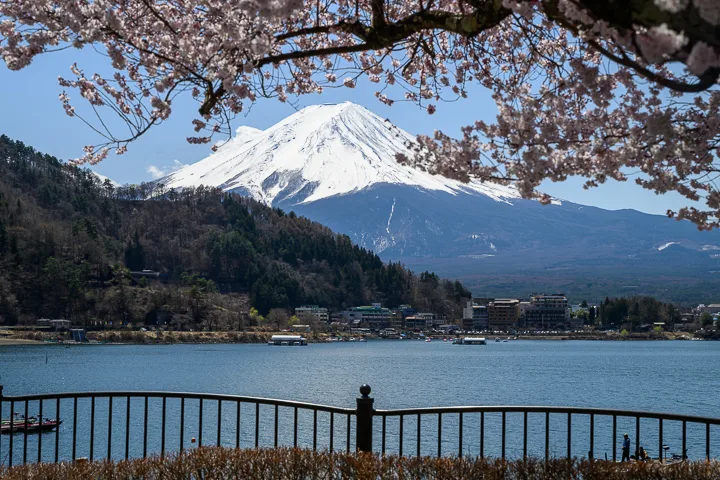
Take time to admire Mount Fuji from a quiet lakeside. Feel the calm in a bamboo forest or the buzz in a Tokyo arcade. Each moment invites you to look closer. Japan’s magic lies in the ordinary and the extraordinary. When you sip matcha in a teahouse or remove your shoes before entering a home, you take part in a way of life that values respect and care. This trip offers more than sightseeing. It creates memories, teaches lessons, and invites reflection.
Wherever you go, people are kind and thoughtful. Landscapes shift from mountains to sea, temples to towers. Travelling in Japan is a journey through time. As you move from place to place, you connect with its past and its present. Welcome to a country that speaks softly but leaves a strong impression.
Travelling around Japan is simple and stress-free. If it is your first visit, consider hiring a guide. A local guide can help you feel more at ease and offer great tips. This is also a good way to learn about the culture. You can contact a volunteer guide through Japan Travel. Another good option is GoWithGuide. We spent a day with Masa, a kind volunteer in Tokyo. Later, Ayana, a wonderful guide from GoWithGuide, showed us hidden spots in Kyoto.
Respecting Local Customs
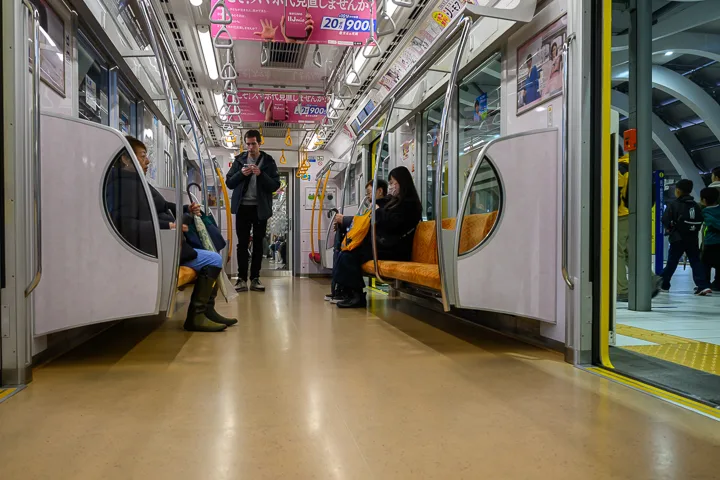
Japanese hospitality is renowned worldwide. People are polite, helpful, and welcoming. As a visitor, it is vital to show respect in return. Keep your voice down on public transport. Refrain from making phone calls in quiet spaces. If carrying large luggage, consider using a delivery service or booking oversized luggage space on bullet trains in advance.
Public bins are rare in Japanese cities. Carry a bag for your rubbish and dispose of it at your hotel. Do not litter. It is also important to learn a few basic words in Japanese. "Hello", "please", and "thank you" go a long way. Use translation apps when needed. Even taxi drivers use them to communicate with tourists.
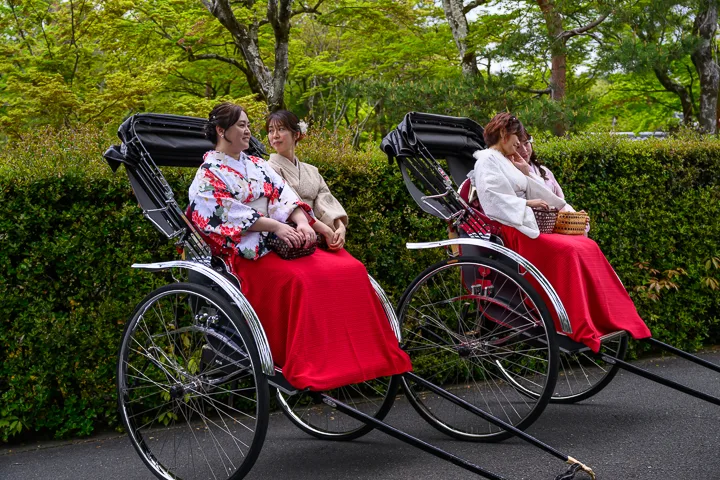
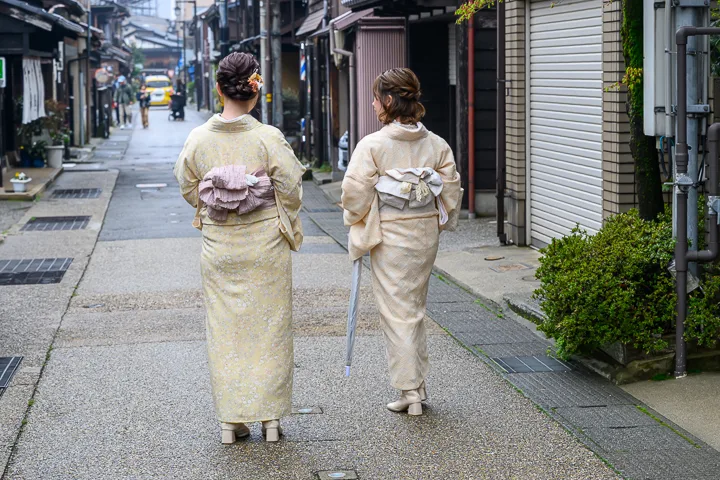
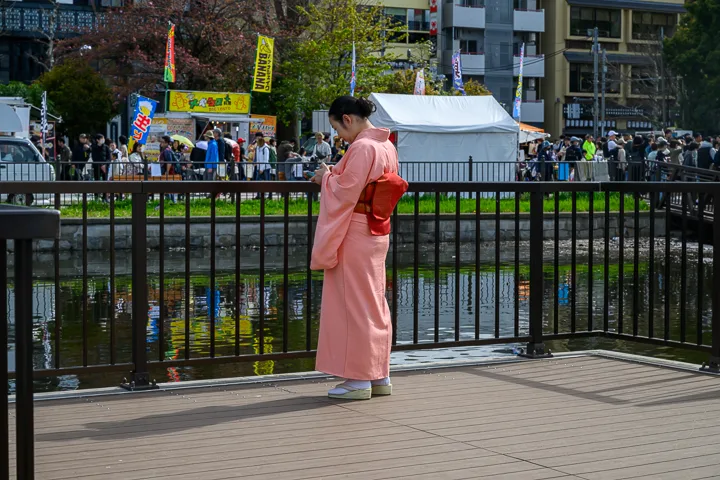
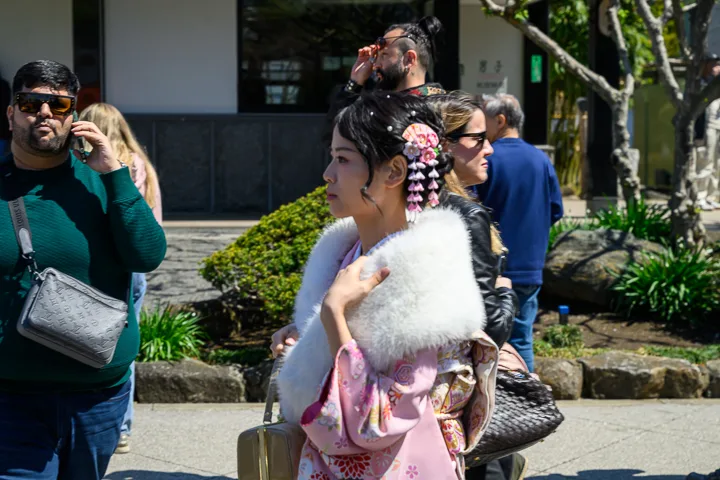
Always respect geishas. They are skilled artists, not tourist attractions. Never chase them or take photos without asking. These actions are rude and unwelcome. Also, remove your shoes when requested. Bow politely to show respect. These small gestures matter. They help you connect with local traditions. By following these simple rules, you will enjoy a deeper and more meaningful experience of Japan’s rich culture and history.
Arriving in Tokyo
We decided to fly to Haneda Airport because it is closer to central Tokyo. The airport can be a busy and overwhelming experience upon arrival. To save time, register in advance at www.vjw.digital.go.jp. This online process provides you with a QR code for customs clearance. Once you pass through immigration, scan your code and follow the signs to your designated exit. Overall, this quick step made our arrival smoother and less stressful, helping me start my trip with ease and confidence.
After that, once outside, buy a Welcome SUICA card. Load it with at least 5,000 yen. You can use it for public transport and small purchases. There are several ways to reach the city centre. A taxi is convenient, but public transport is faster and efficient. Since it was our first trip to Japan, we decided to splash out on a taxi.
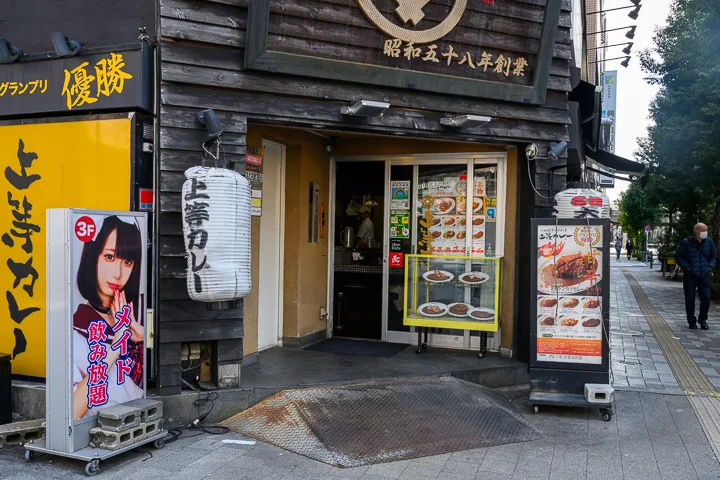
Later that evening, for our first dinner in Tokyo, we wanted something simple and comforting. Japanese curry sounded perfect, so I searched Google Maps for recommendations. We chose a spot called “ブラン亭” (Restaurant Blanc). Interestingly, it was on the fourth floor of a small building - many Tokyo restaurants are tucked away like this. The space was tiny and crammed with paraphernalia. Even though we felt a little out of place at first, the search added to the adventure. The food was good, though not outstanding. Nevertheless, it was a memorable start to our culinary journey in Japan.
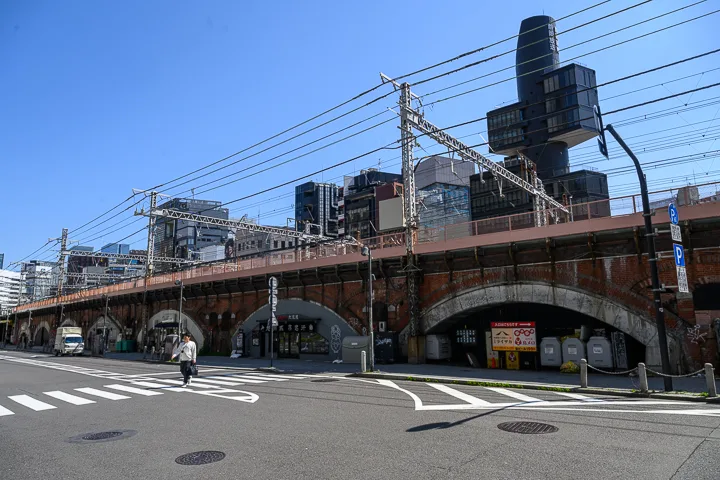
Our hotel was near Shimbashi Station, giving us easy access to Tokyo’s highlights. I would recommend booking a guide for at least a day. It will give you a good introduction to Japan, and you can ask plenty of questions.
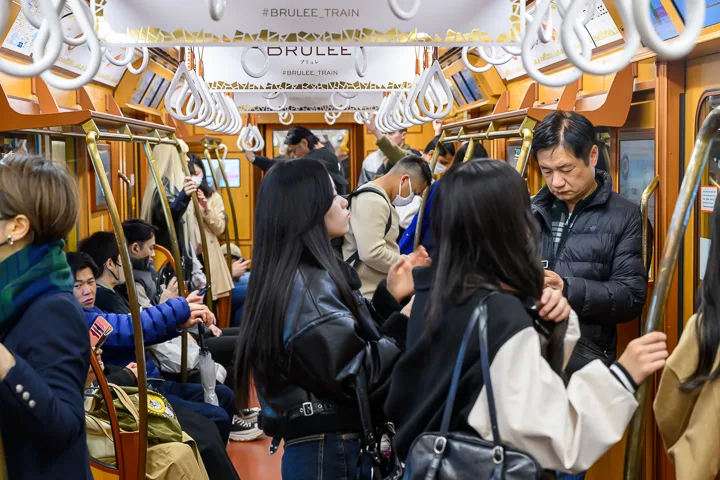
First morning in Tokyo
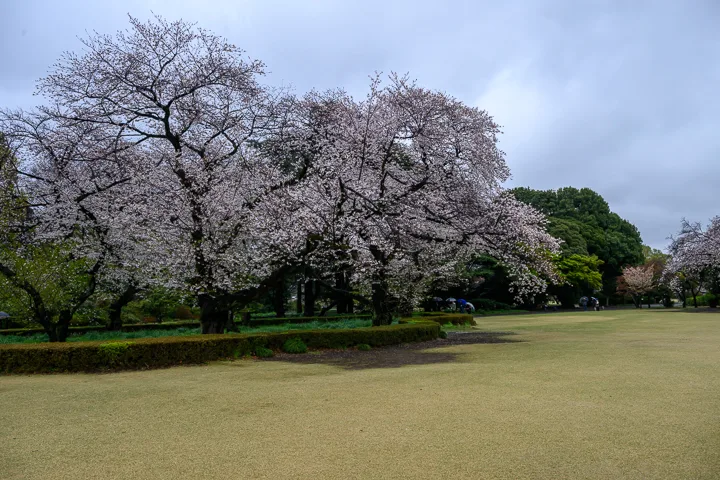
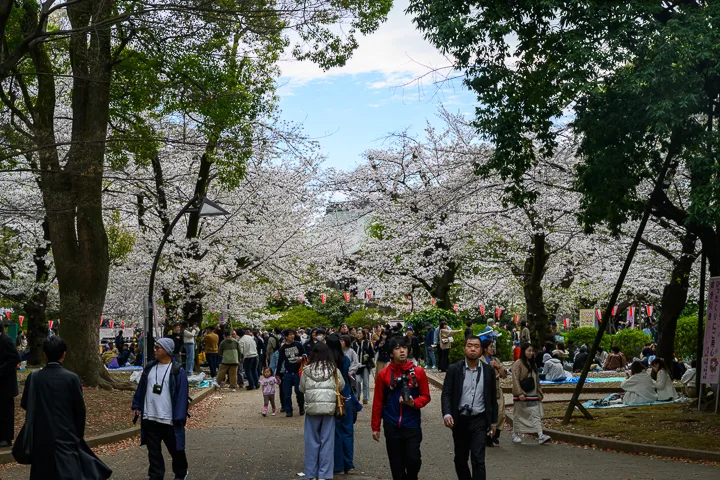
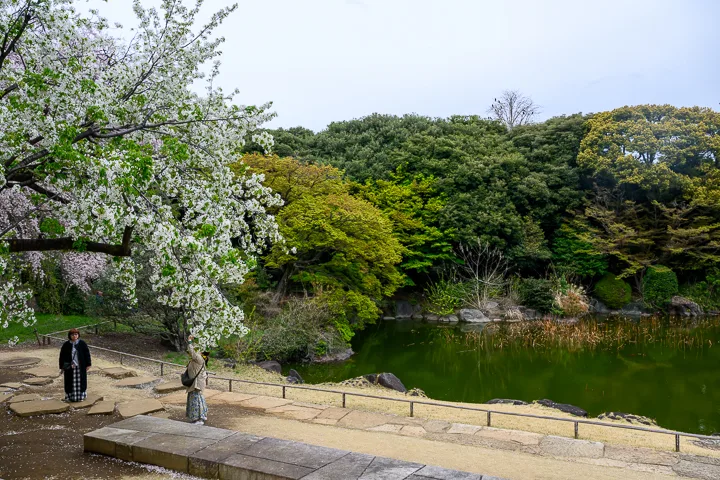
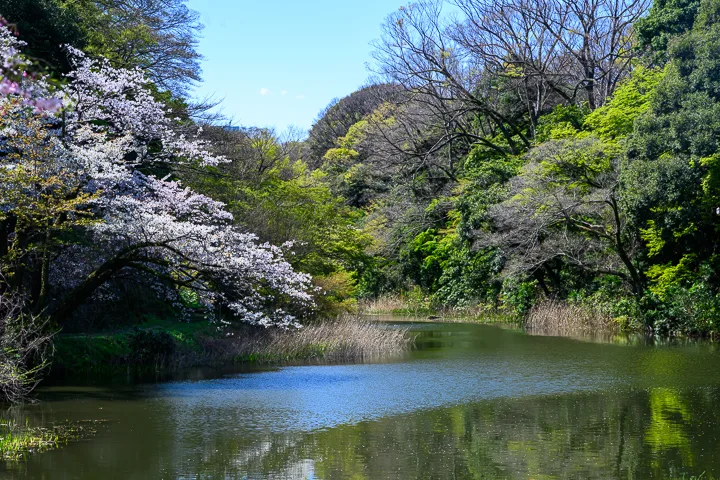
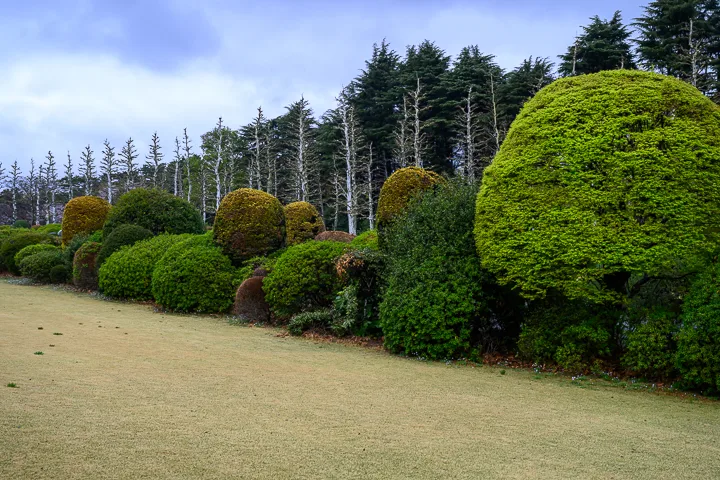
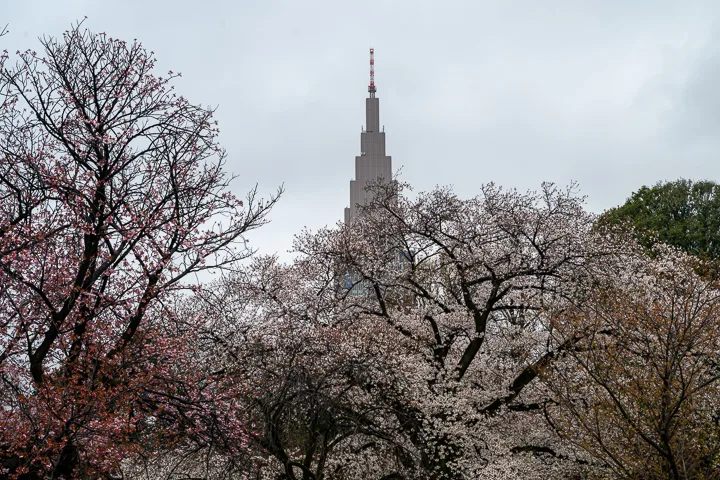
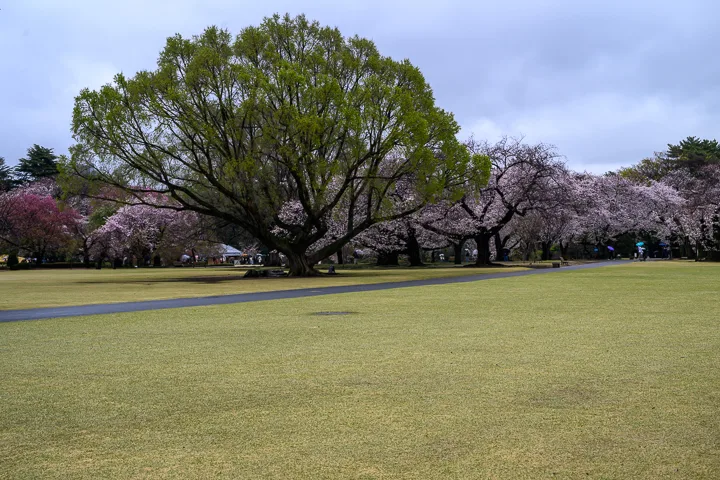
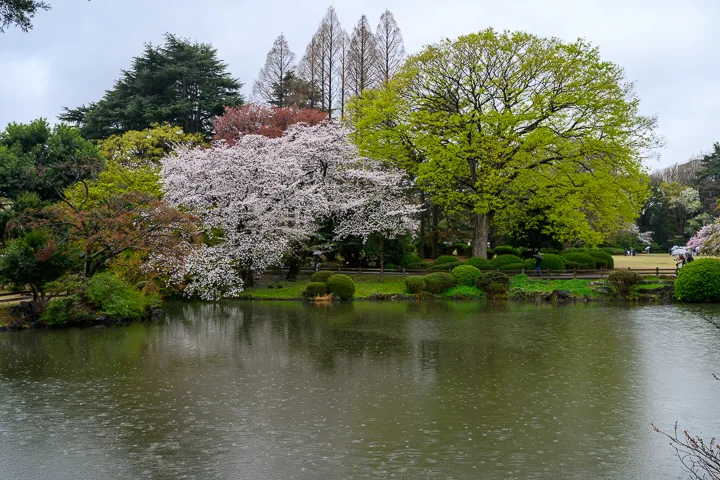
After a good night’s sleep, we started with a guided tour led by Masa, a wonderful local volunteer. Despite the rain, we visited Shinjuku Gyoen National Garden. Cherry blossoms covered the paths. The park is vast and wonderfully designed. As it happened, since we were visiting during the Sakura season, it was already very busy. After our visit, feeling cold and peckish, we warmed up at Marbre Vegan, a tiny café just outside the park. They make a delicious apple tart.
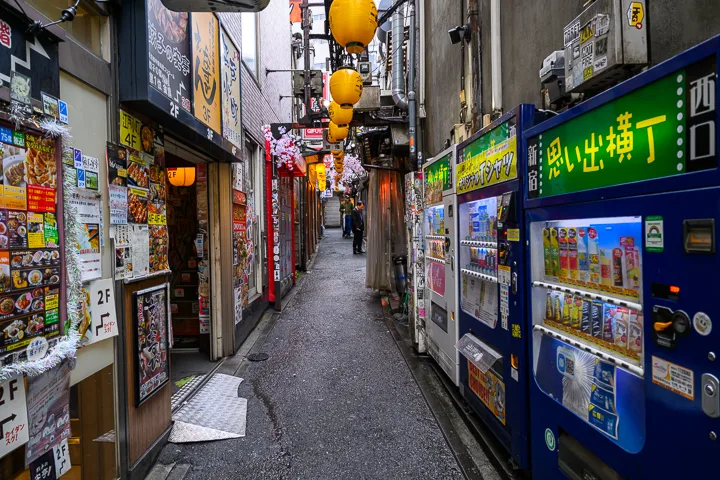
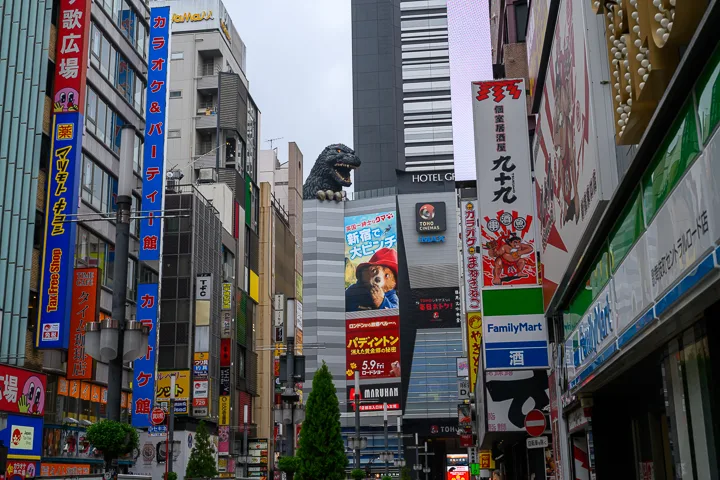
Later, we explored Shinjuku. Godzilla Road led us near the Tokyo Metropolitan Government Building. Unfortunately, the rain kept us from going to the top. Instead, we enjoyed an early lunch at Kushi Tempura Dandanya. The food was excellent and very affordable.
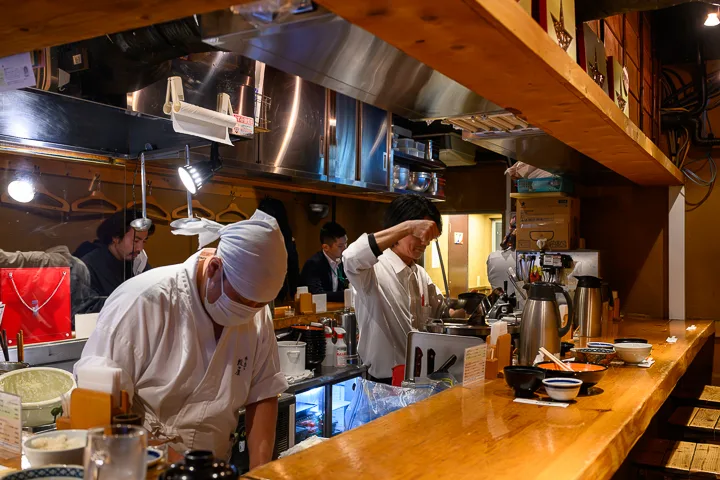
An afternoon in Tokyo
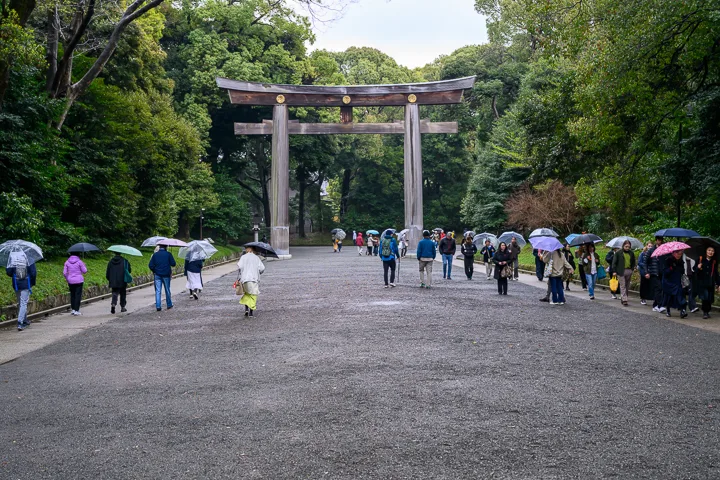
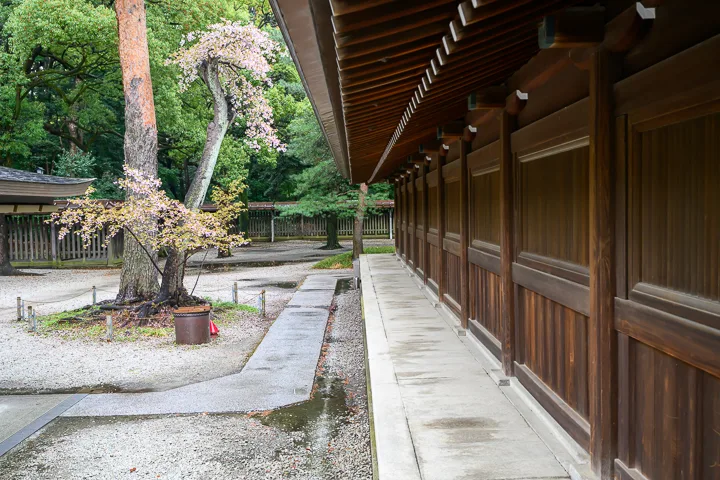
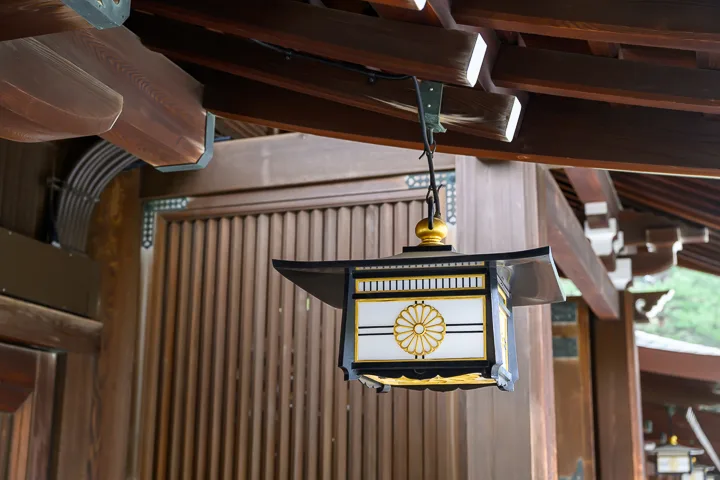
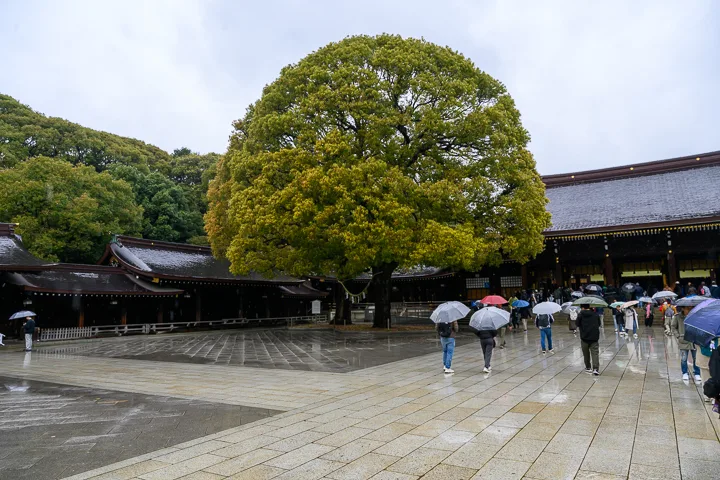
In the afternoon, we visited the Meiji Shrine. It is one of Japan’s many Shinto shrines. This shrine is in a vast forest in the centre of Tokyo. It was built in 1920 in honour of Emperor Meiji and Empress Shōken. After we visited the Meiji Shrine, we stopped at a small café just opposite the exit.
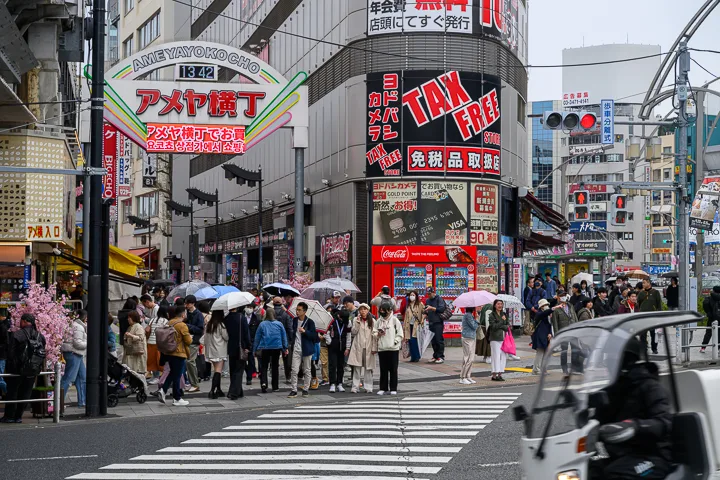
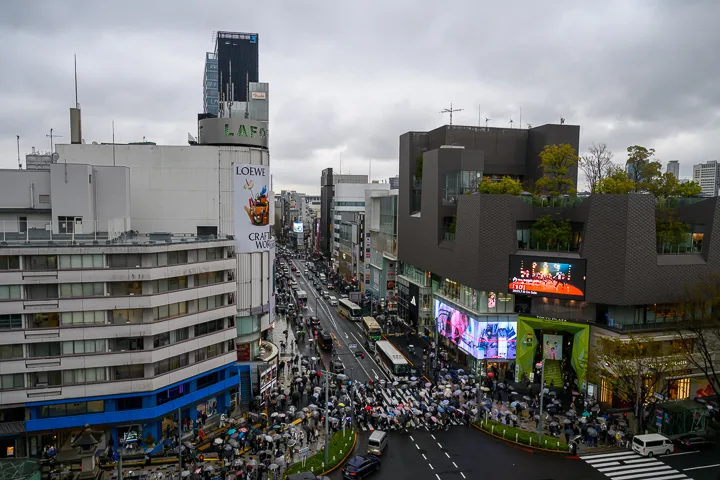
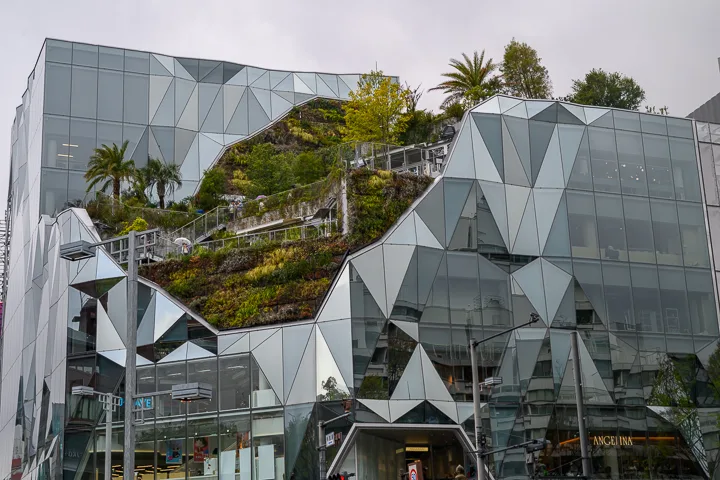
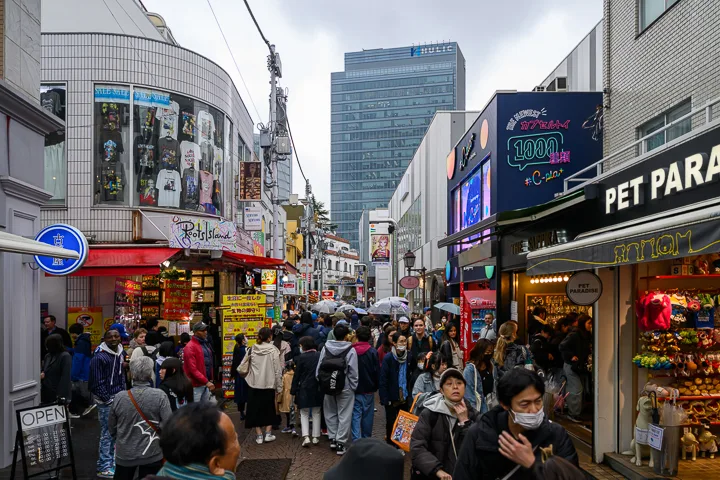
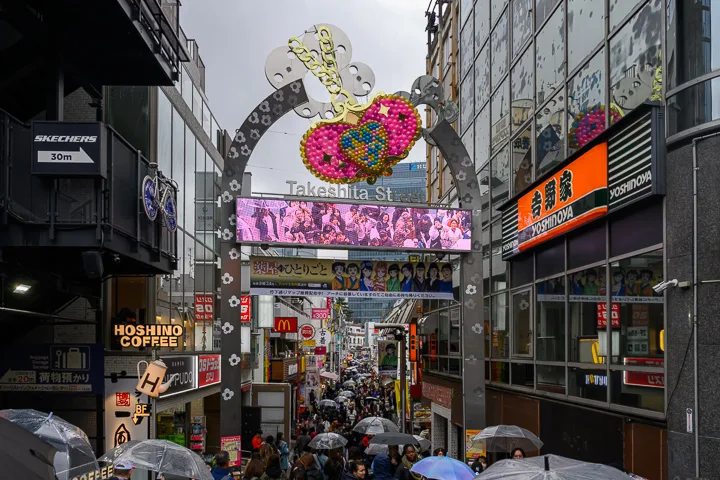
Next, we headed to the nearby Takeshita Street and Omotesando, which offer vibrant street scenes. At Tokyu Plaza Harajuku (YM Square Harajuku), we found a rooftop terrace with a great view of the crowd and the traffic.
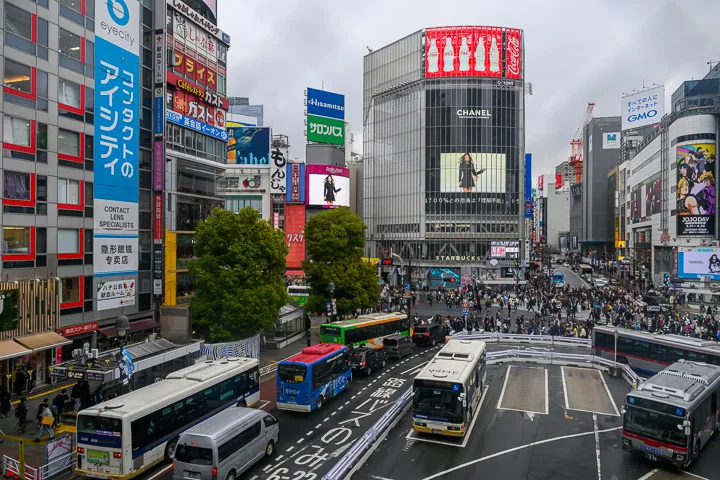
Our next and last destination for our first day was Shibuya. The famous Scramble Crossing buzzed with life. I believe there is a way to see the square from one of the towers nearby, but it was already quite late, so we just crossed the square with the crowd. The crossing sees upwards of 1,000 people crossing at the same time. Shibuya was under refurbishment. It was therefore not that easy to find our way around.
Just around the corner of the Scramble Crossing, you will find Hachiko Square. If you have not heard of this famous dog, you may want to watch the movie “Hachi: A Dog's Tale”. It is the American remake of Seijirō Kōyama's 1987 Japanese film “Hachikō Monogatari”. A word of advice, you may want to avoid visiting on 8 April. It gets very busy as fans honour Hachiko’s legacy on that day.
Historic and Spiritual Sites
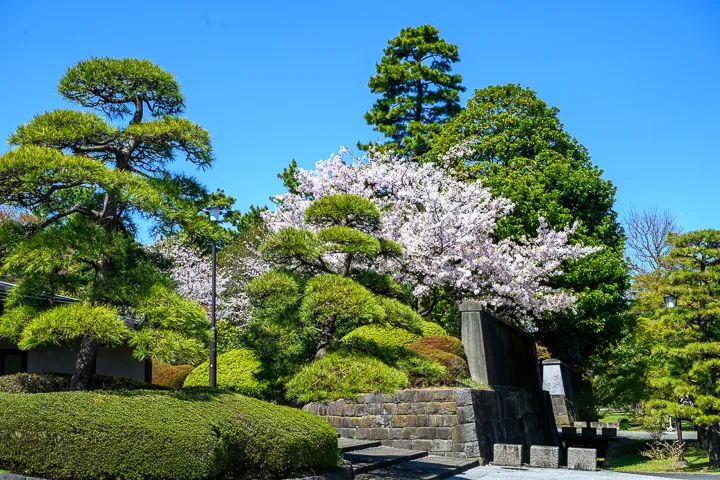
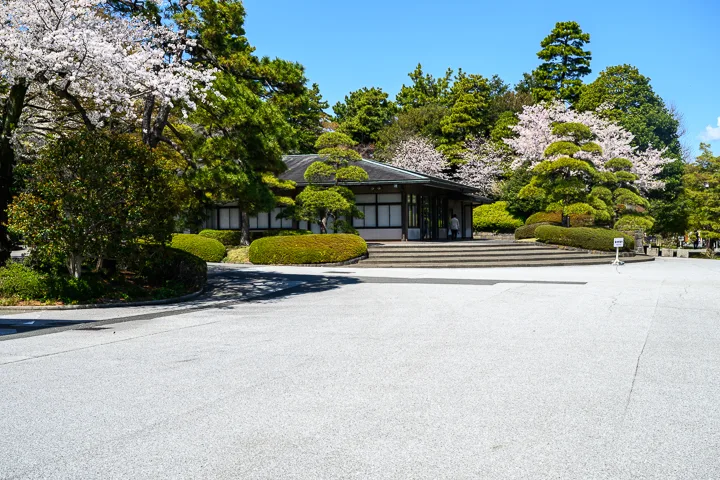
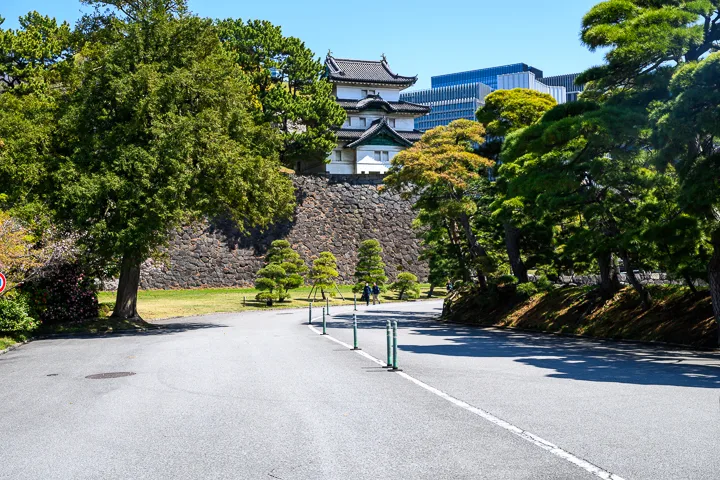
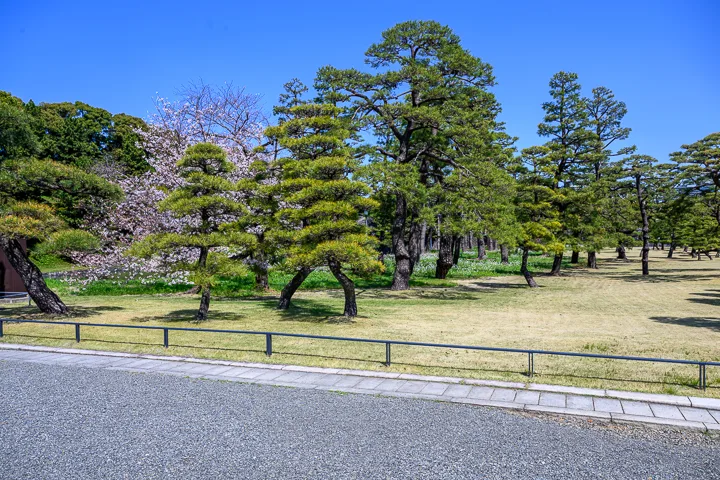
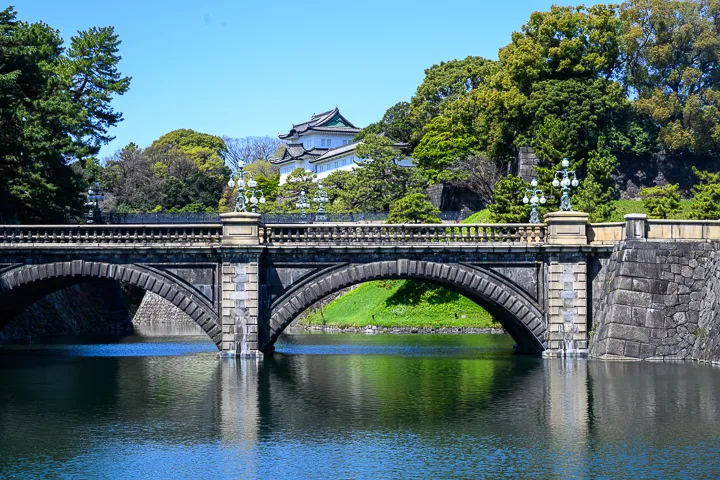
We began the next day with a visit to the Imperial Palace gardens. You will enter through the Ōte-mon Gate. Try to arrive early to avoid long queues. Security checks are strict. Depending on the season, the Palace itself may not be open. It is still worth strolling along the path leading to the Kita-Hanebashi Gate.
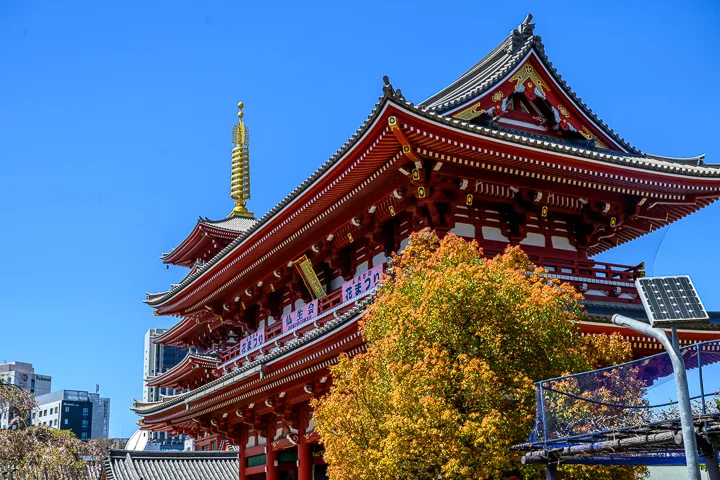
Asakusa
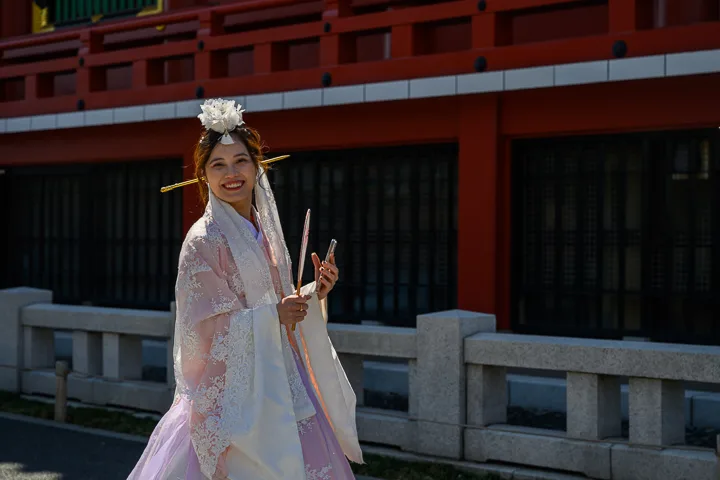
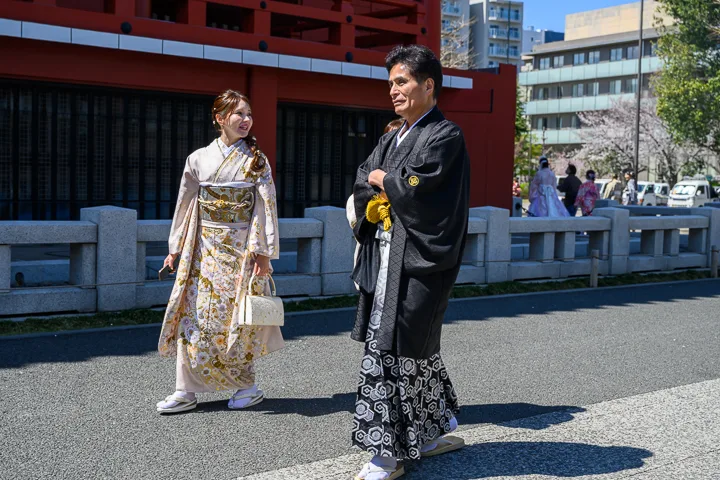
Later, we made our way to Asakusa. Asakusa is one of the oldest districts of Tokyo. It has retained its traditional craft shops and street-food stalls. It was Tokyo’s entertainment district, and where many geishas still reside. Sadly, a large part of Askausa was destroyed by the air raids of 1945.
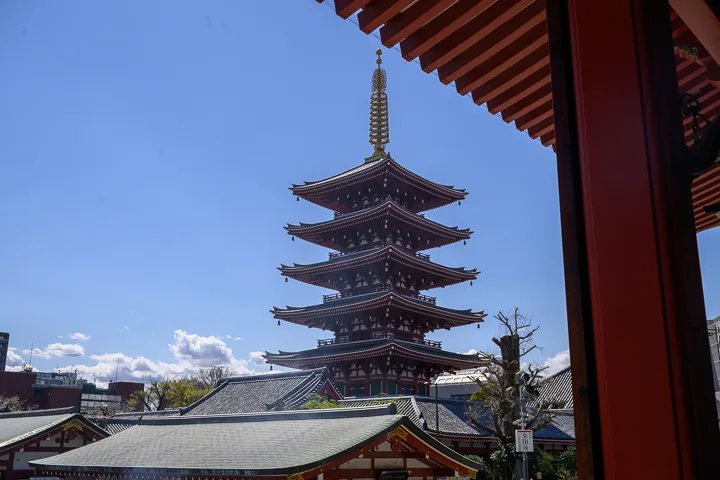
Of course, the main attraction in Askausa is the Sensō-ji Temple. Sensō-ji is the oldest temple in Tokyo. It is a Buddhist temple that was built in the 7th century. The temple was crowded but still worth a short visit. I do not think that I have seen that many people visiting a temple in the past. To get a break from the crowds, we walked over to the Bistro Cocone, next to Tosei Hotel Cocone. They serve excellent coffee and pastries.
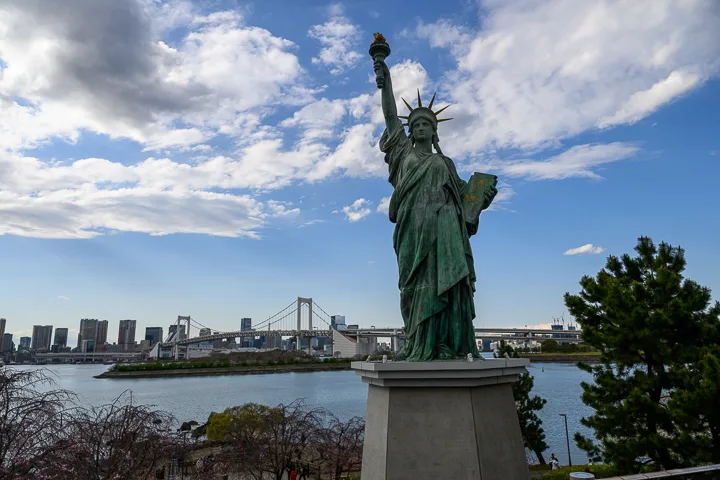
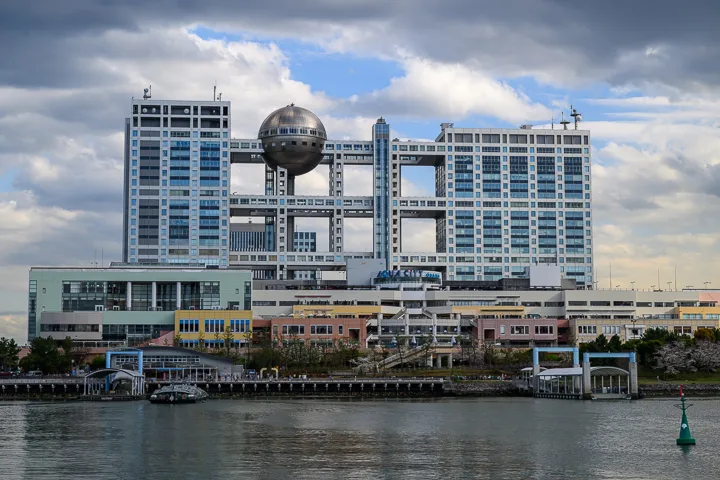
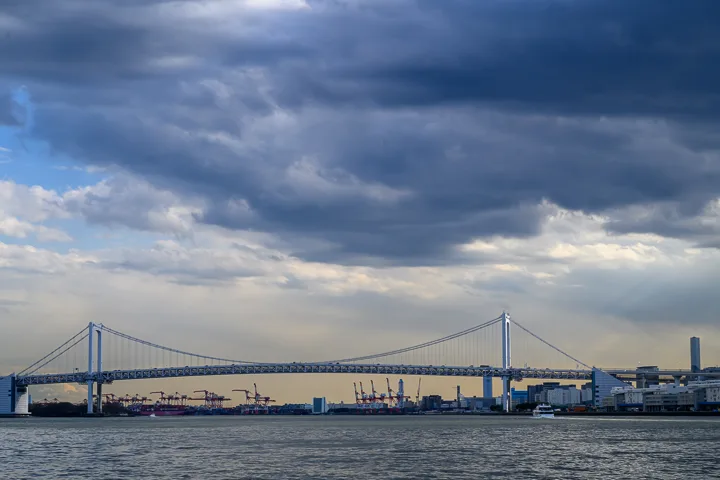
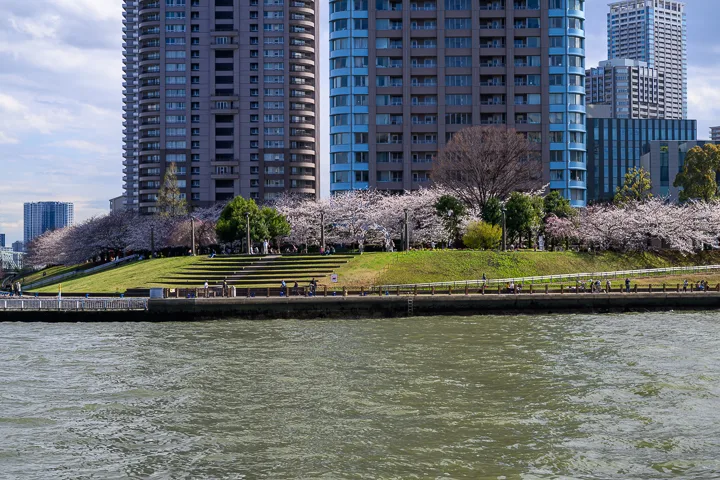
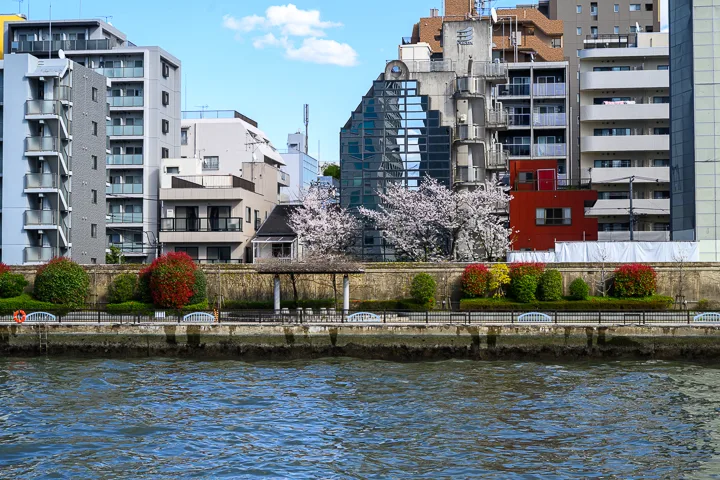
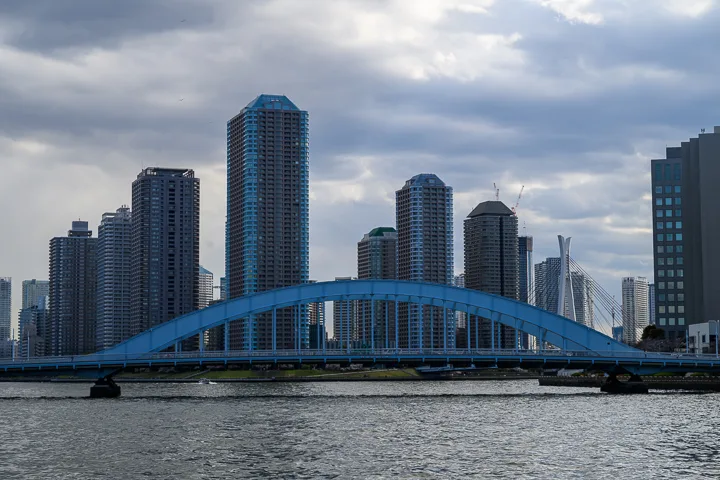
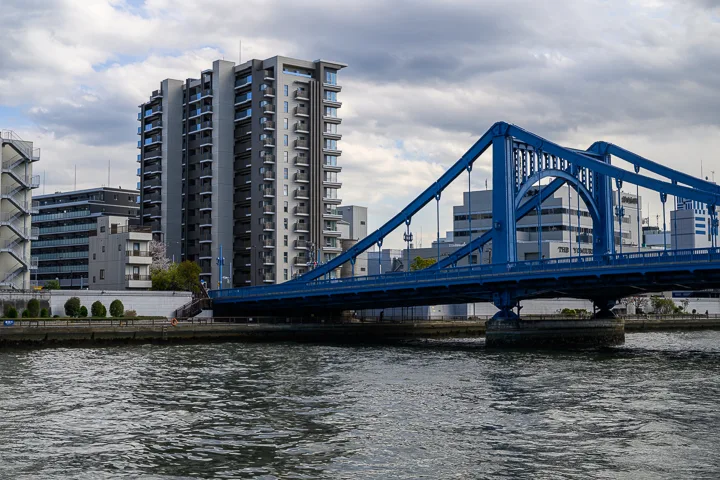
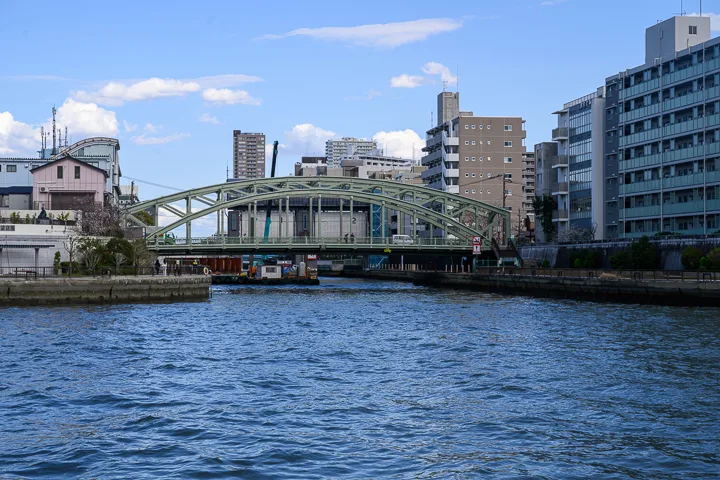
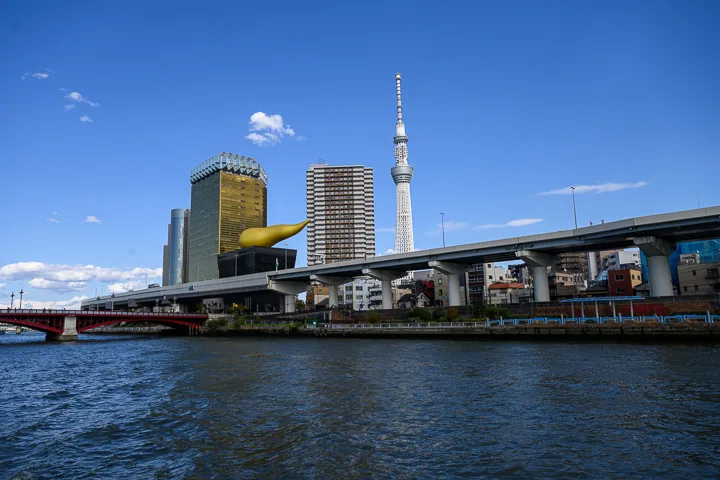
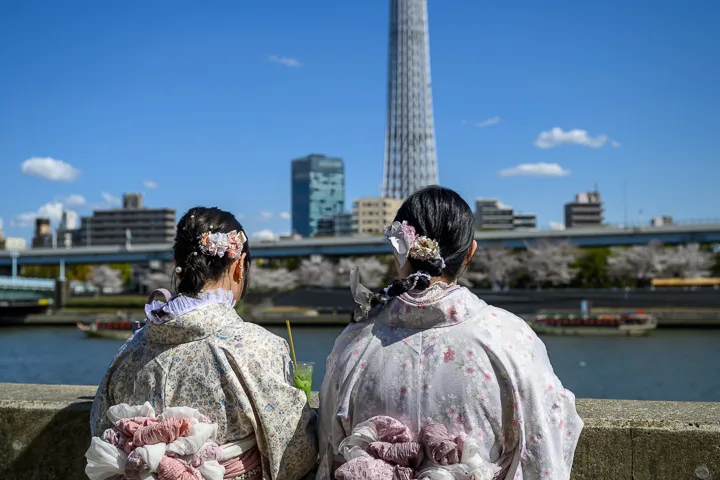
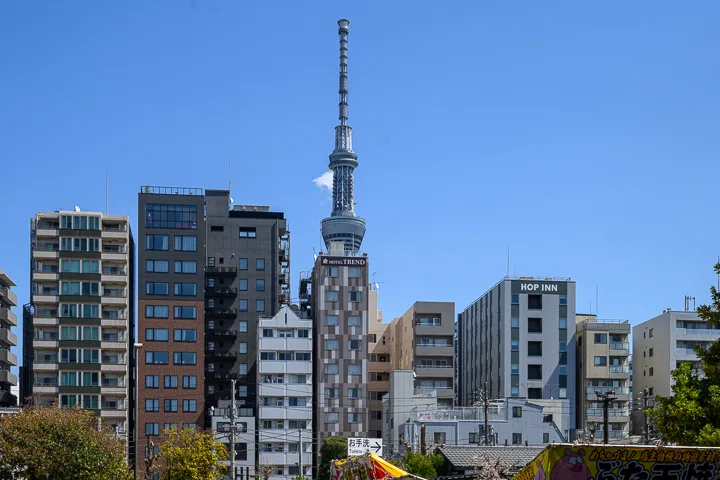
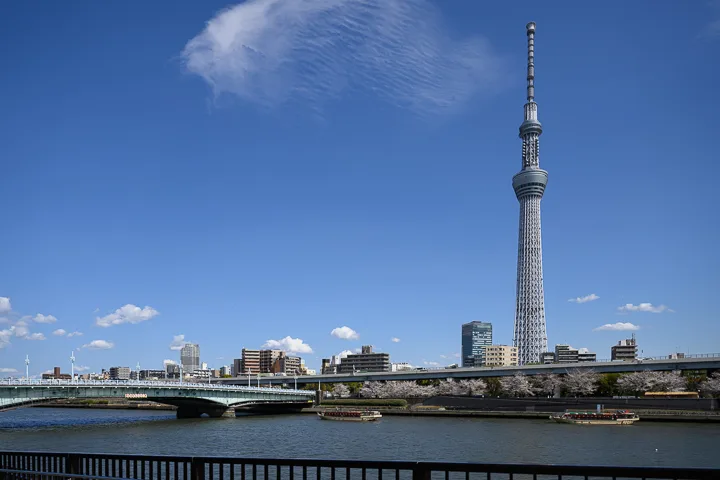
After a short rest, we walked to Sumida Park. The cherry blossoms along the river are stunning. From there, you can also see the Tokyo Skytree. The views from the observation deck are amazing. If you are interested in visiting, you may want to book tickets in advance on the Tokyo Skytree official website. We decided to take a river cruise to Odaiba instead. The journey gave us a different view of the city. You will pass several bridges on the way. Odaiba is a popular shopping and entertainment destination on Tokyo Bay. The cruise passes near the Rainbow Bridge. There is even a replica of the Statue of Liberty. It was erected in 1998 as a tribute to Japan’s relationship with France.
Akihabara and its maid cafes
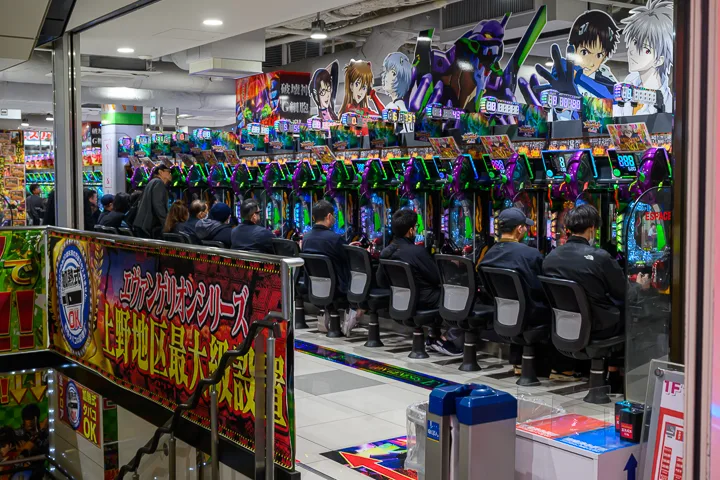
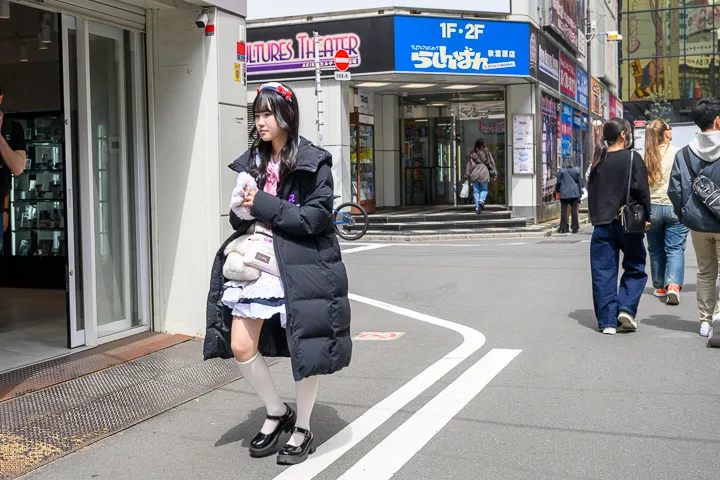
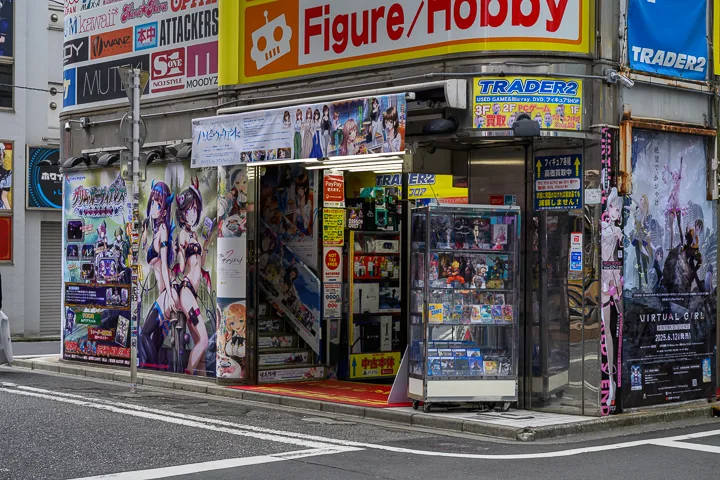
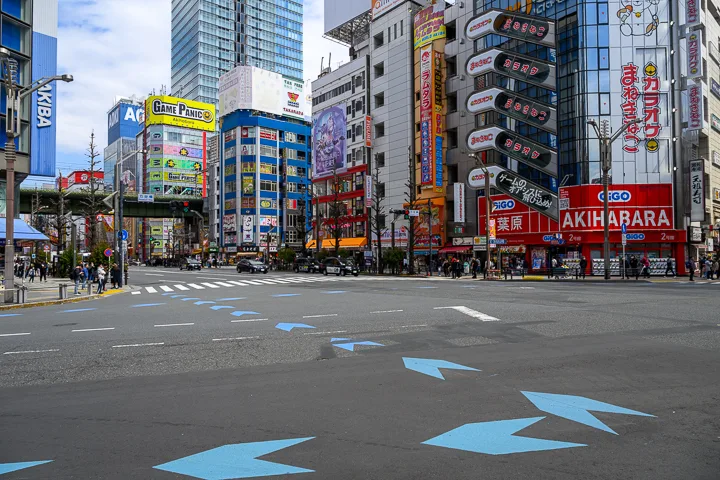
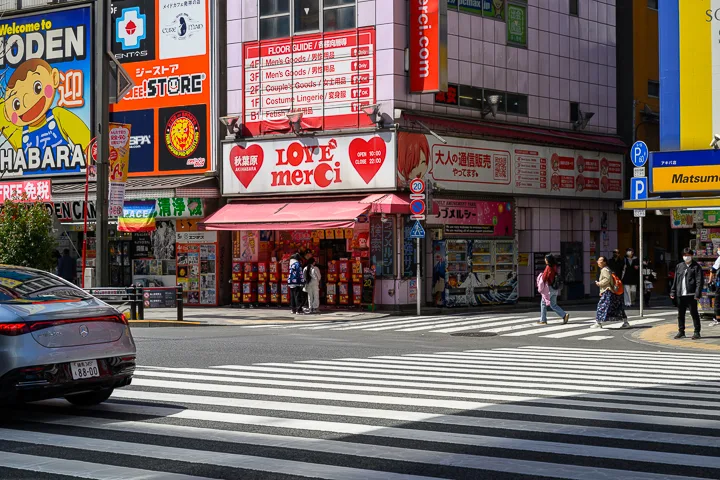
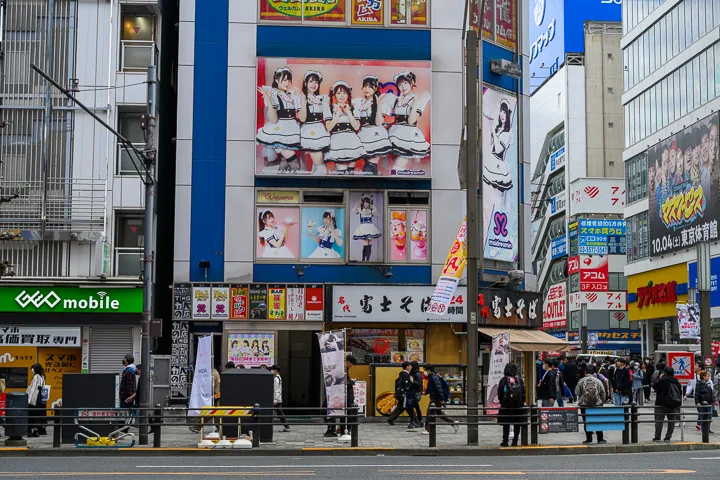
If you plan to stay in Tokyo for longer, visit Akihabara. It is the heart of Tokyo’s gaming and anime culture. It is the district for electronics. You will see many shops dedicated to anime and manga.
In addition to shops, you will find animation-related establishments. Maid cafes, or cosplay-themed restaurants, are very popular. Waitresses are dressed and act like French maids or anime characters. They engage in conversations and games, addressing customers like the “master of the house”. Most cafes open after 11 a.m. So, no need to rush early morning to experience this scene. We found this area very lively and colourful, but did not fancy experiencing a maid cafe.
Ginza, upmarket shopping
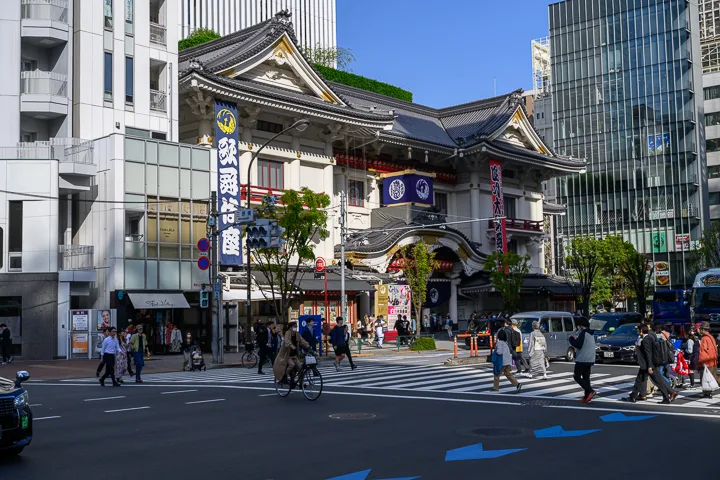
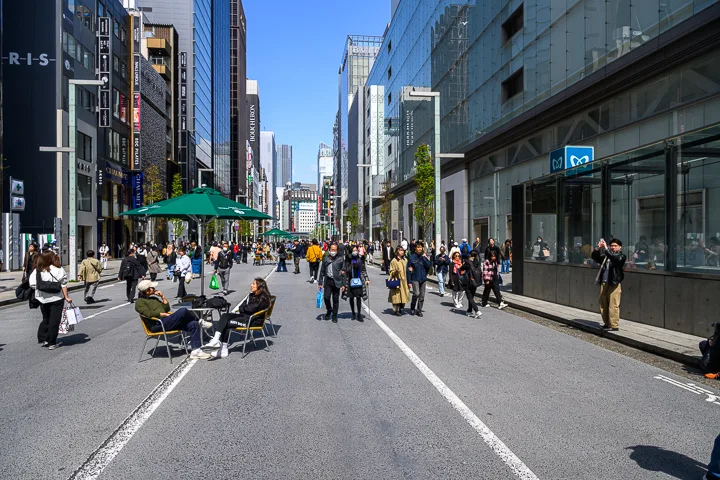
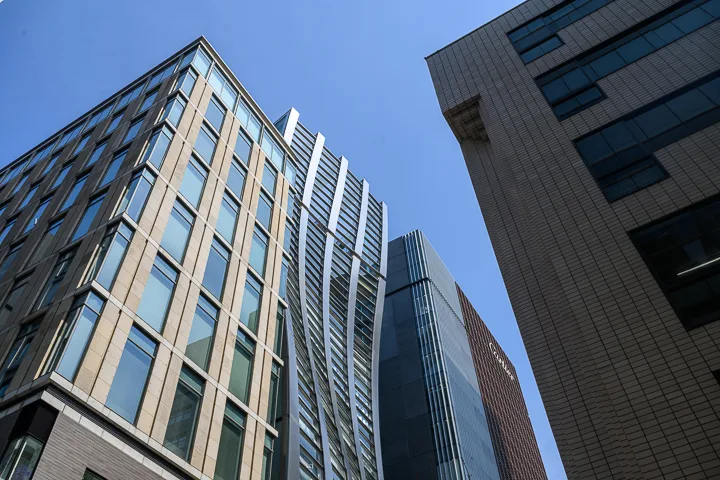
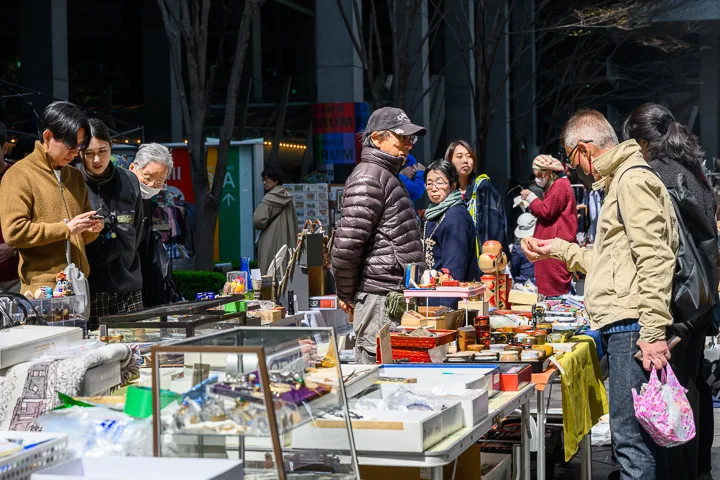
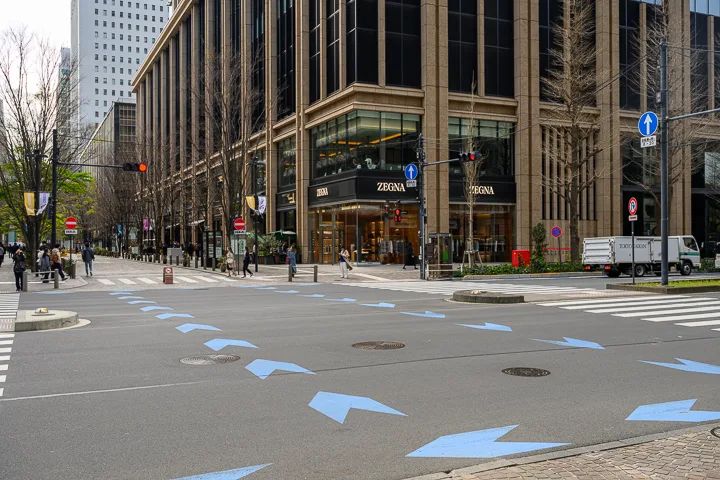
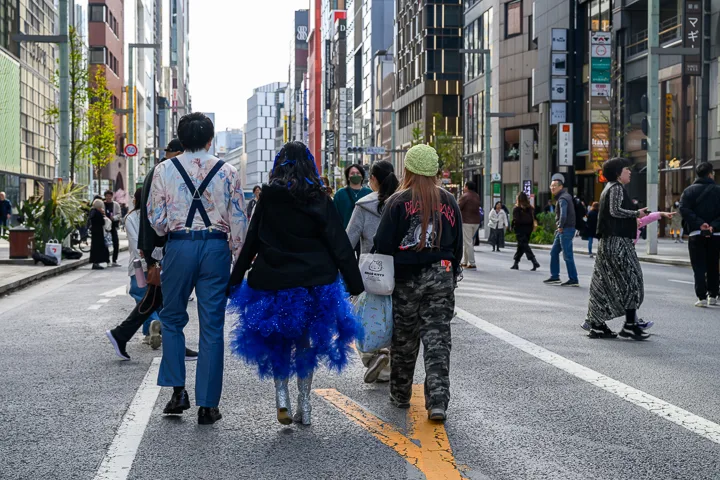
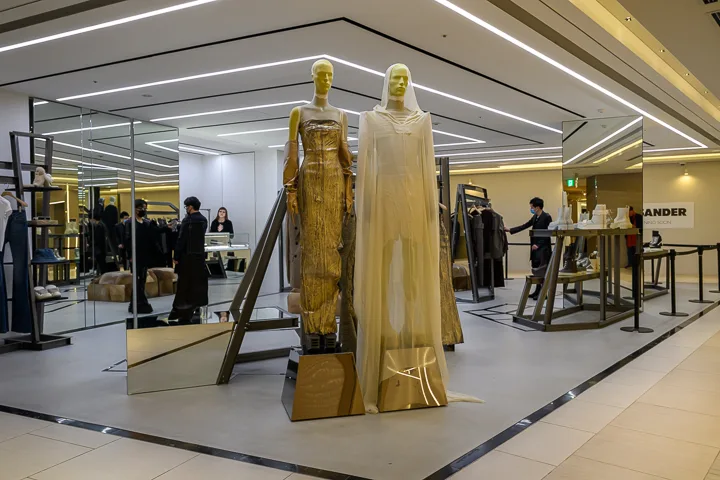
For a change of pace, we strolled through Ginza. Elegant shops and wide streets make for a relaxing walk. You will find numerous upmarket department stores, boutiques and restaurants. There was even a flea market on that day.
If you feel like a coffee and cake, head for Ginza Six. There is a fantastic food hall on the lower ground floor of this department store. We chose the “Blue Bottle Coffee”, which is a trendy chain that offers coffee drinks and pastries.
On weekends, Ginza’s main avenue is closed to cars. They even set up a few tables and parasols for people to relax after their shopping.
In the Shadow of Mount Fuji
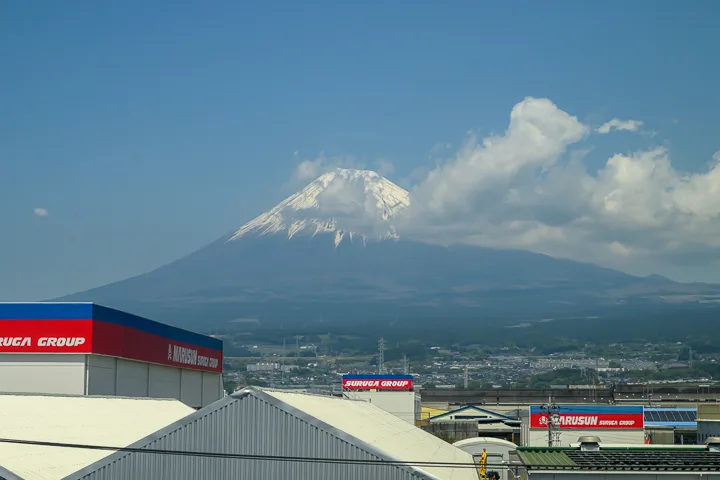
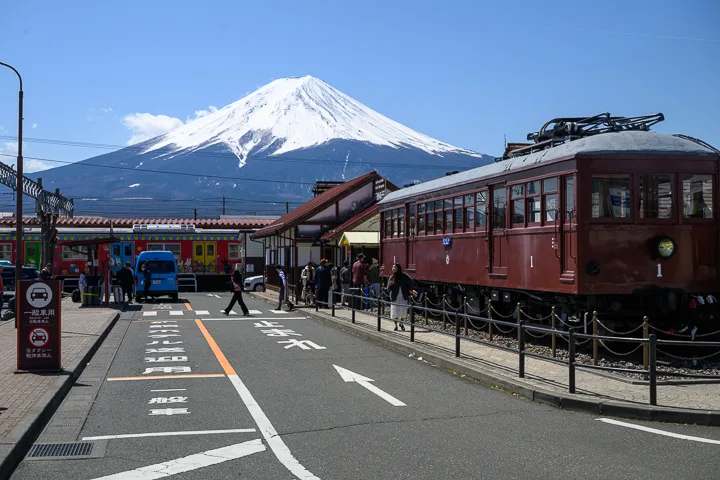
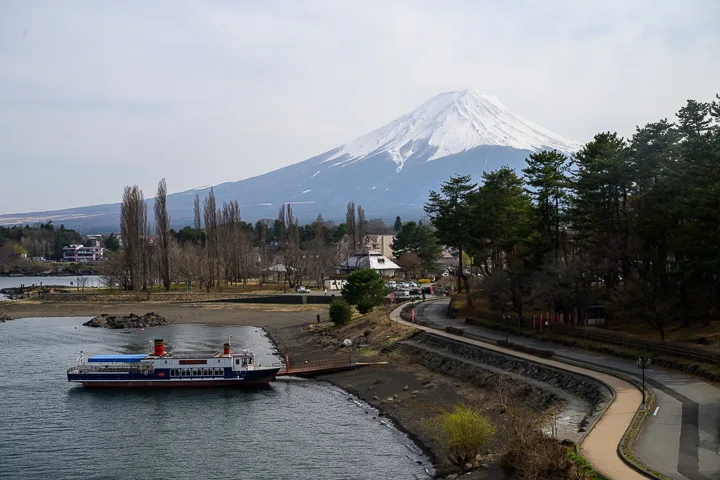
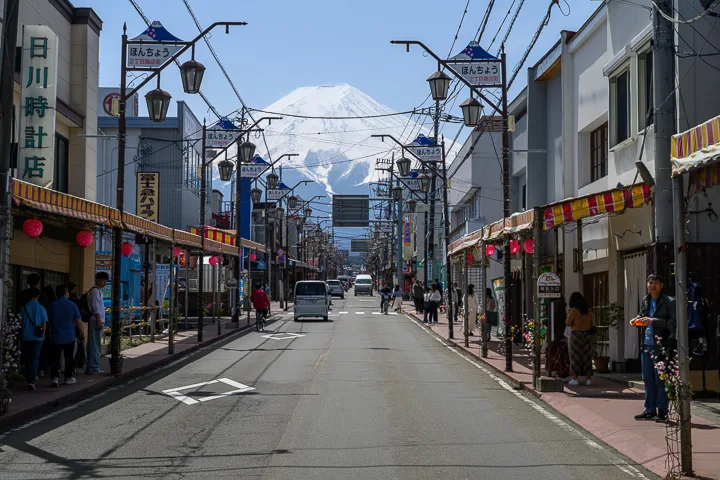
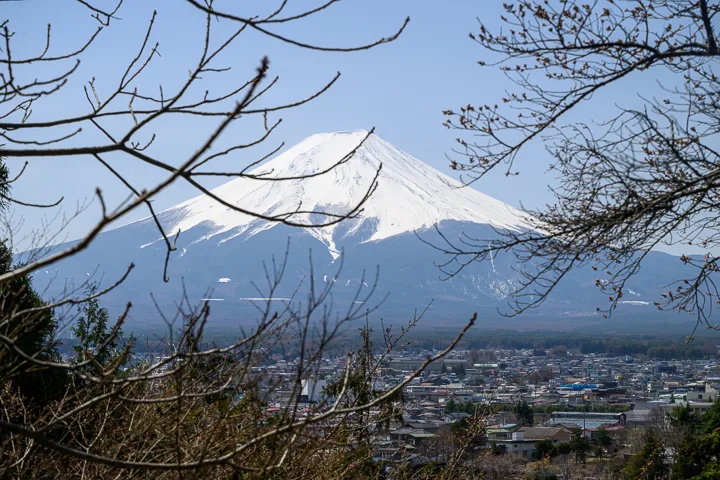
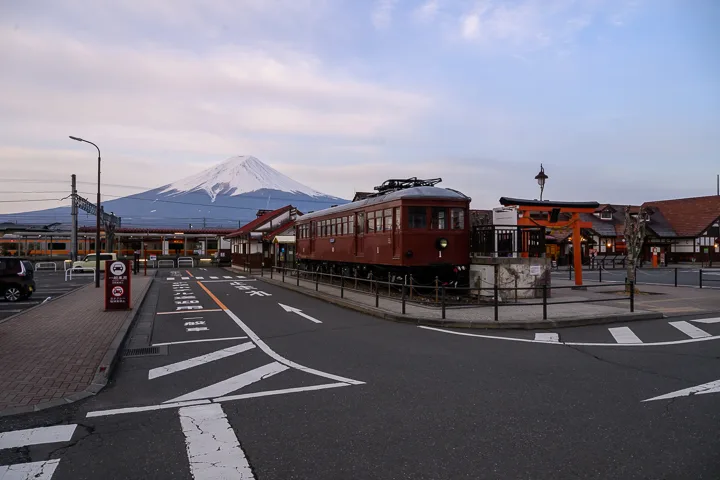
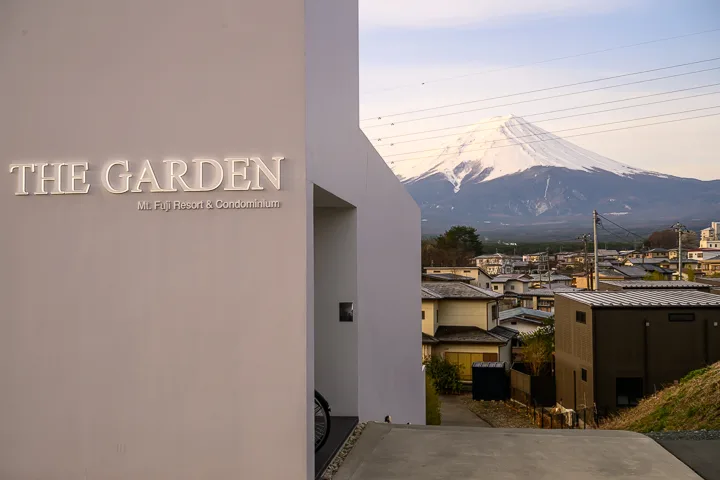
After a few days in the hustle and bustle of Tokyo, we headed to Kawaguchiko. It is less than two hours from Tokyo. For the best experience, visit on a clear day for the best view of Mount Fuji. I had defined the journey in advance. Therefore, we stayed for two nights. I wanted to increase our chances of seeing Mount Fuji under the sun. Fortunately, we were not disappointed. We stayed at The Garden. We had a stunning view of Mount Fuji from our bed!
In Kawaguchiko, head for Honcho Street on the way to the Chureito Pagoda. With any luck, you will be able to take that perfect photo of Mount Fuji. The pagoda offers one of the most iconic views in Japan. To make the most of your visit, arrive early to avoid queues. After 10:30 a.m., the wait can be over an hour.
Another lovely activity is walking around Kawaguchiko Lake. The views are stunning, especially on a sunny day. You can also take a cable car to enjoy the scenery from above.
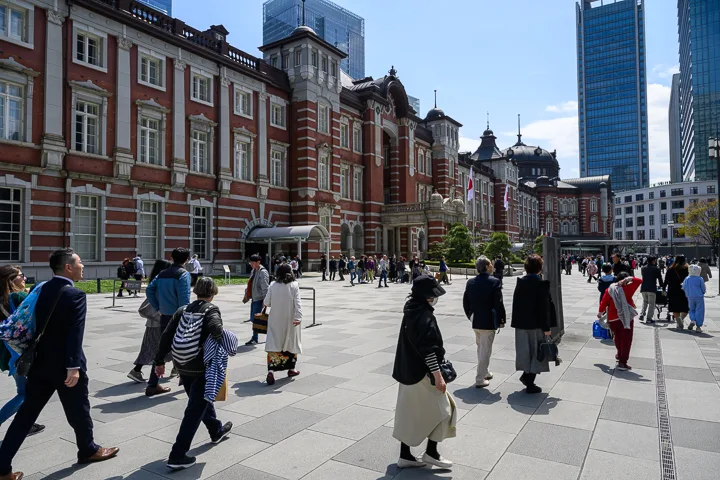
When planning your route, from Kawaguchiko, you can continue south in the direction of Kyoto or return to Tokyo. However, note that if you are heading to Kanazawa, there is no direct train. You will have to go back to Tokyo Shinjuku and transfer to Tokyo Station to catch a bullet train.
Beauty and Calm in Kanazawa
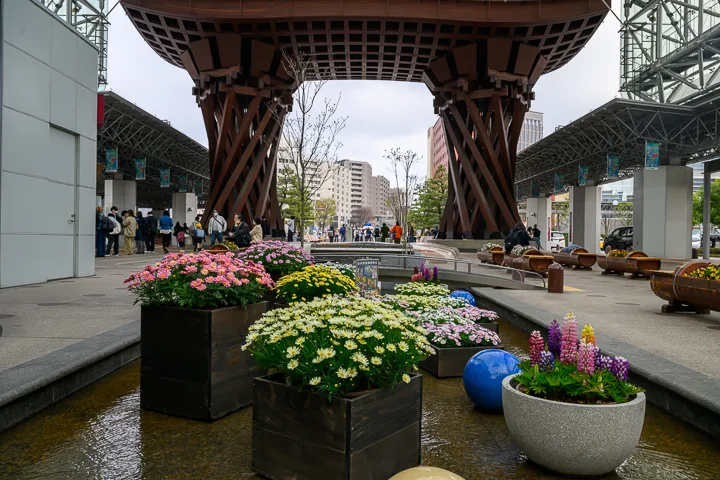
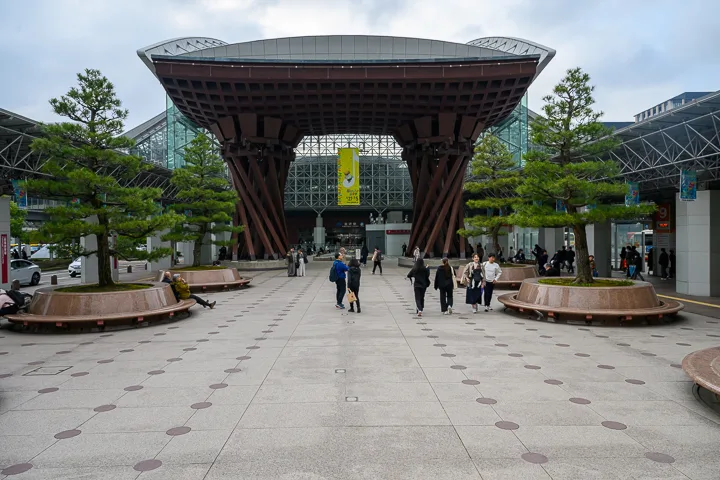
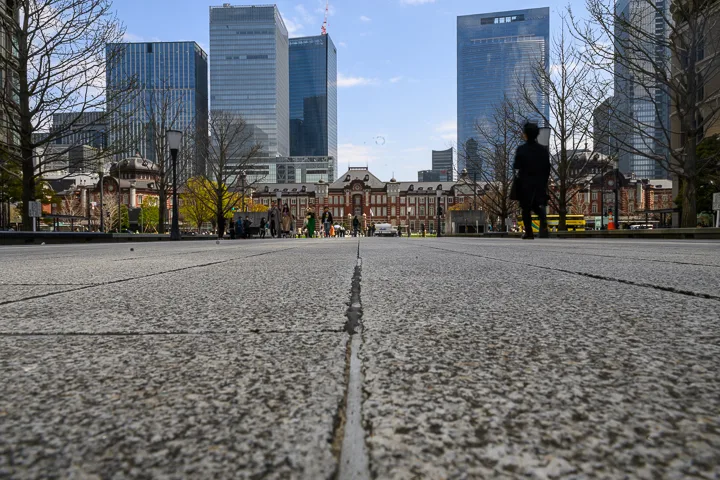
After two days in the shadow of Mount Fuji, we headed to Kanazawa. This place is famous for its beautiful gardens. The bullet train from Tokyo arrives at a unique train station supported by wooden arches.
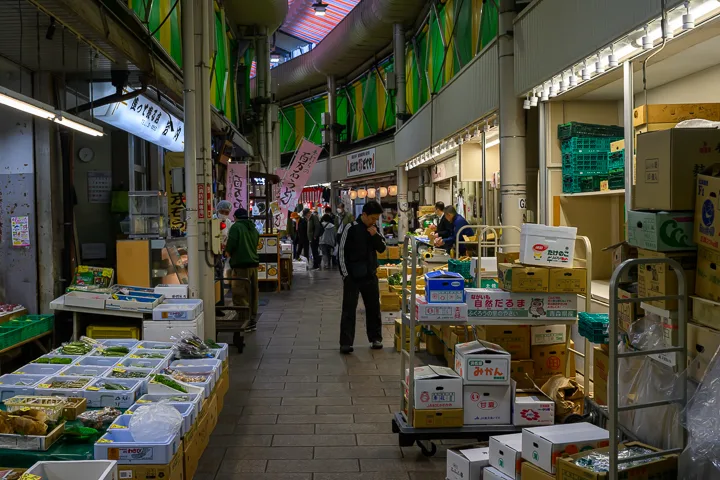
We stayed at the square hotel Kanazawa near the Omicho market. It was perfectly located for many of the attractions. Conveniently, we found an excellent restaurant called “Sakaba Tomoya” very near the hotel. The food was so good and the staff were so welcoming that we went two nights in a row.
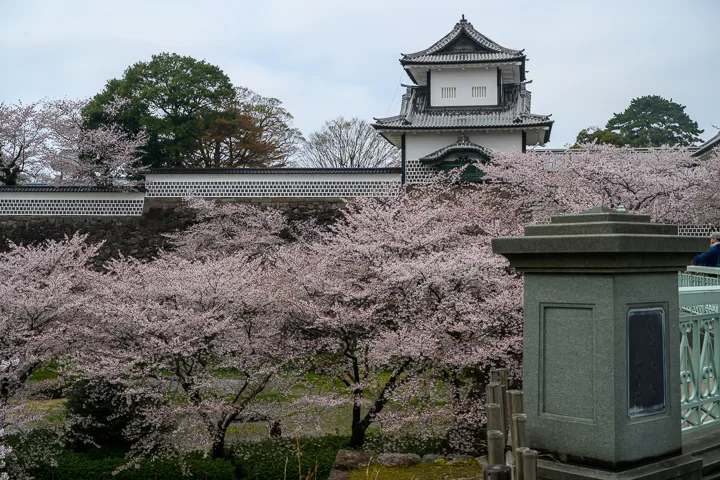
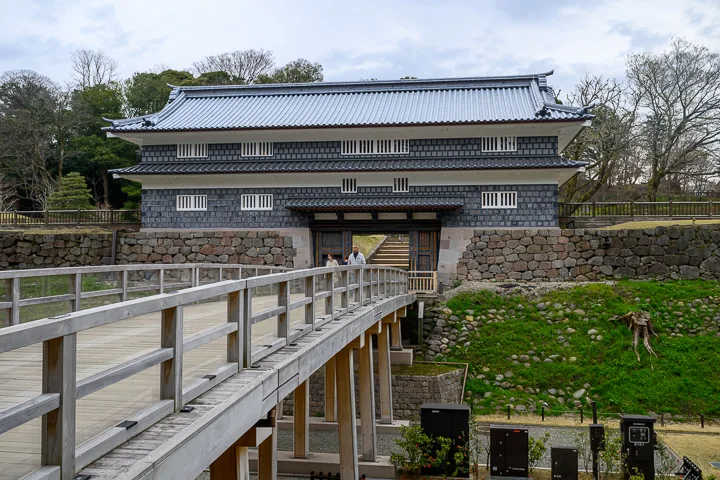
To begin your day, start your visit at Kanazawa Castle Park. Fires destroyed the original buildings, but many parts have been rebuilt with traditional techniques. Afterwards, stop at VaseCoffee for a latte and an apple tart. By this point, you may have discovered that we love cake. And Japan did not disappoint with its fabulous pastries.
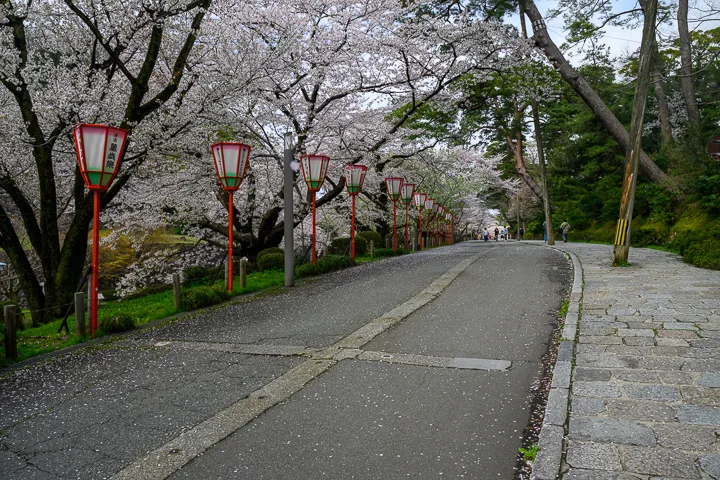
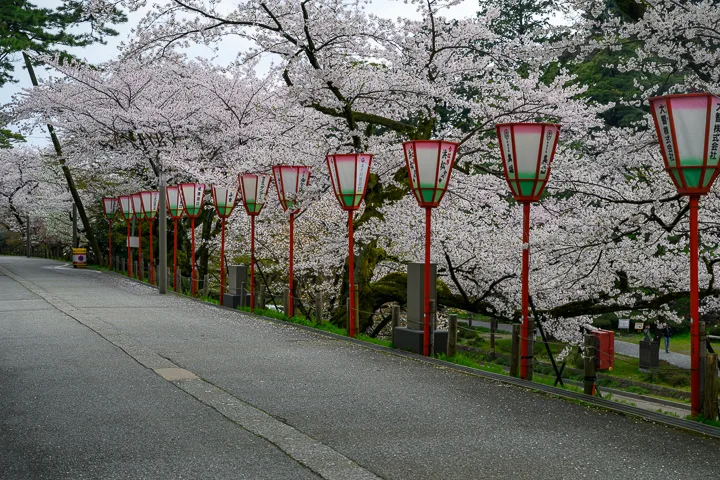
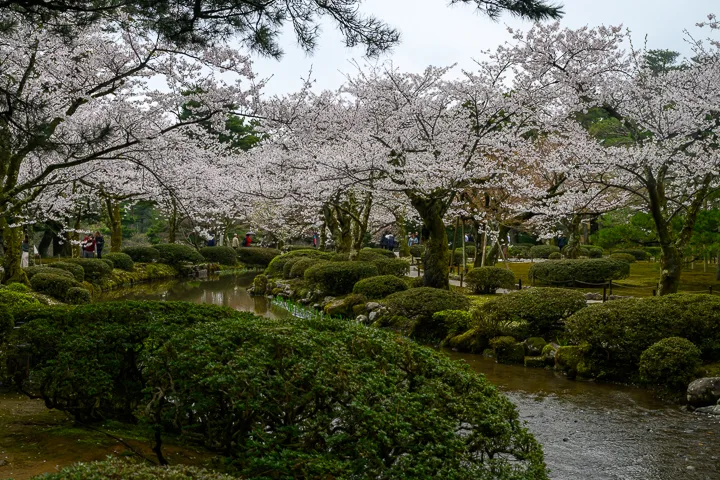
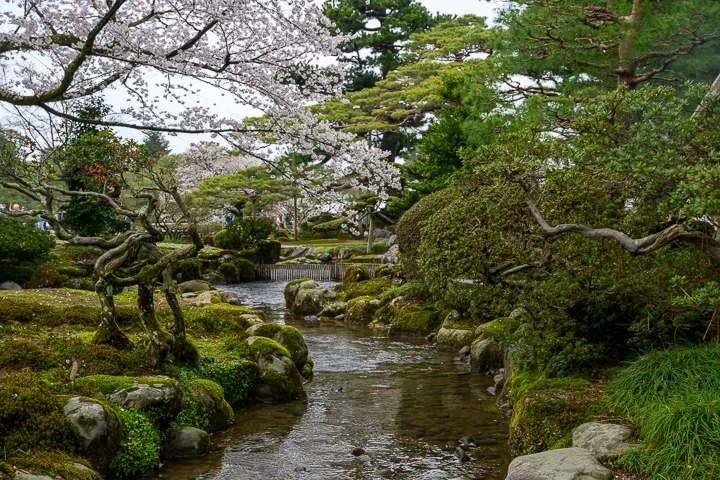
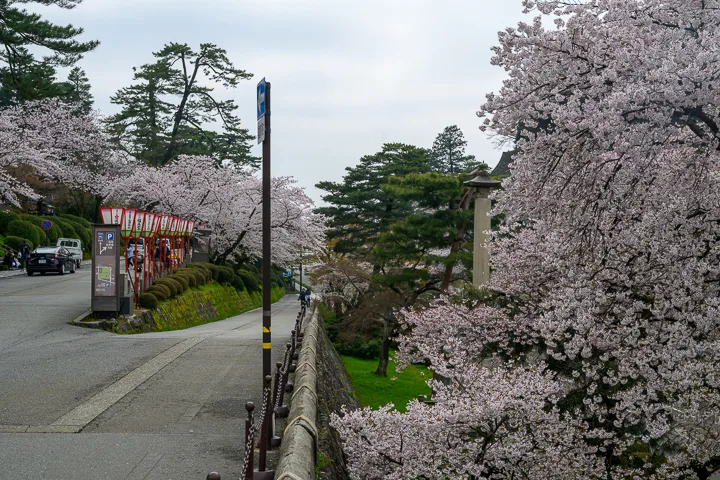
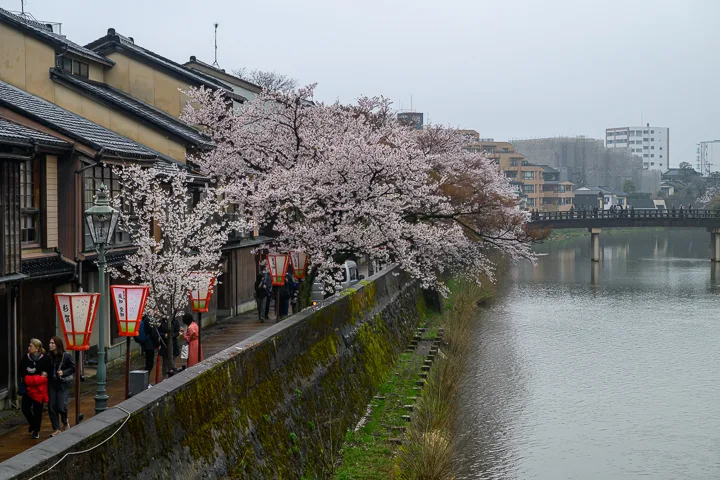
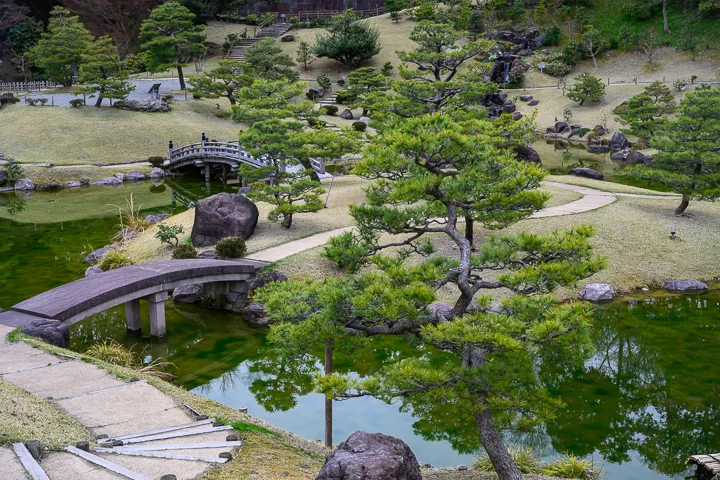
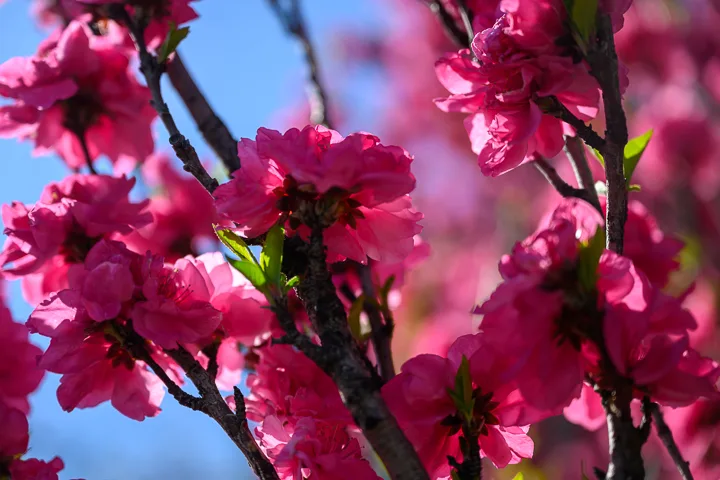
After a short rest, head for the Kenrokuen Garden. It is among the most beautiful in Japan. Its design blends water, plants, and open space perfectly. Depending on the time of the year, you will be able to enjoy wonderful cherry blossoms.
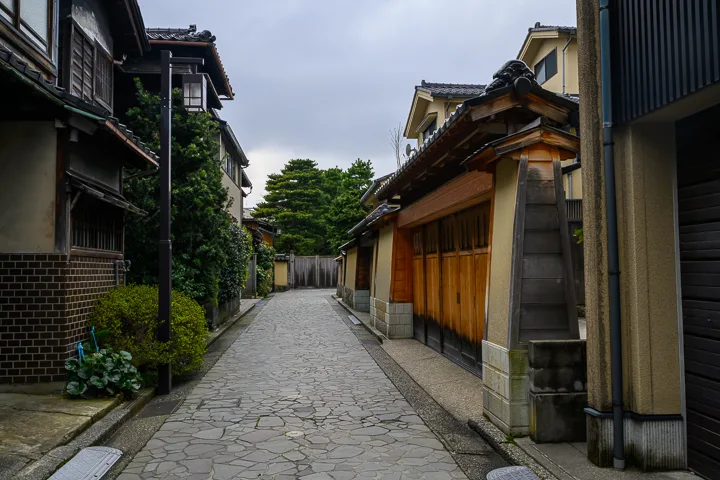
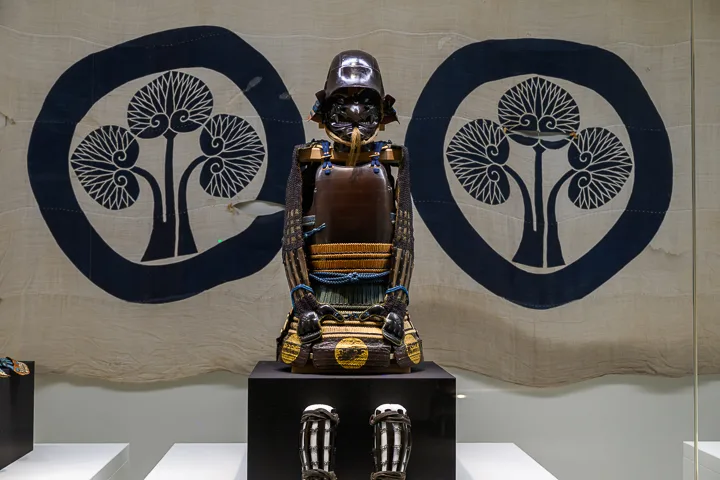
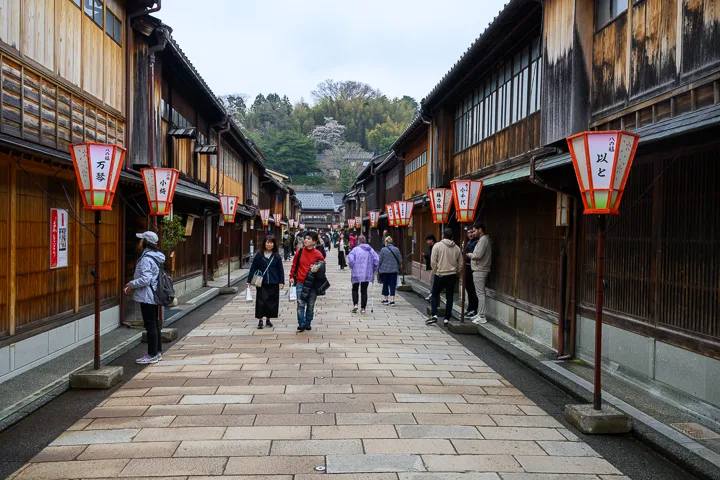
On another day, take time to explore the Eastern Teahouse District and the Nagamachi Samurai District. Their traditional houses and gardens give you a very good idea of life in Japan. If the weather turns, visit the Kaga Honda Museum or the Ishikawa Prefectural Museum. These museums provide insight into samurai culture and local history.
Lessons of Peace in Hiroshima
After visiting Kanazawa, we headed straight to Hiroshima. This city is about four hours from Kanazawa by train. If you decide to do the same, be aware that there are two train connections on the way – one in Tsuruga and one in Kyoto. Unfortunately, we missed our connection in Kyoto due to security checks at Tsuruga station earlier that day. If you miss a connection, just go to the ticket desk at the transfer gate. The attendant will issue a new ticket in no time. Thankfully, we made it on the next train, which was just fifteen minutes later.
Hiroshima tells a story of tragedy and strength. On 6 August 1945, an atomic bomb destroyed the city. People believed nothing would grow again for at least 75 years. Yet, you will not believe your eyes. Today, after 80 years, Hiroshima has become a trendy and green city with wonderful parks. Ultimately, this is proof of the resilience of the survivors.
Hiroshima Peace Memorial Museum
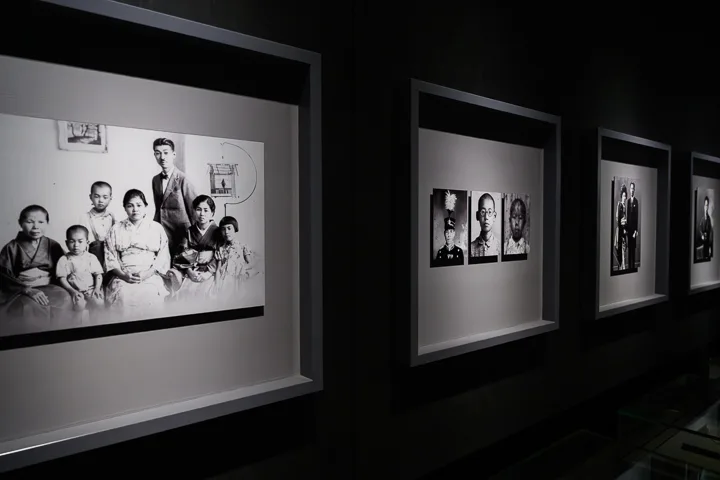
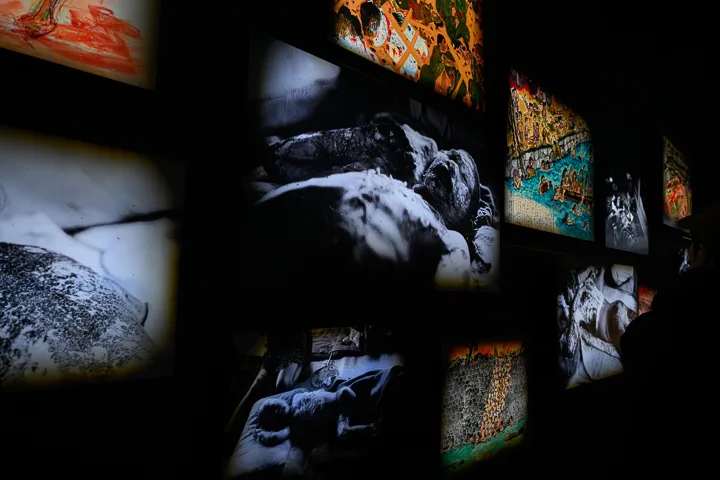
To learn about the bombing, head to the Hiroshima Peace Memorial Museum. It shares the story of 6 August 1945 and its aftermath. Most of the artefacts and stories are displayed in dark, tunnel-like rooms. It is powerful and moving.
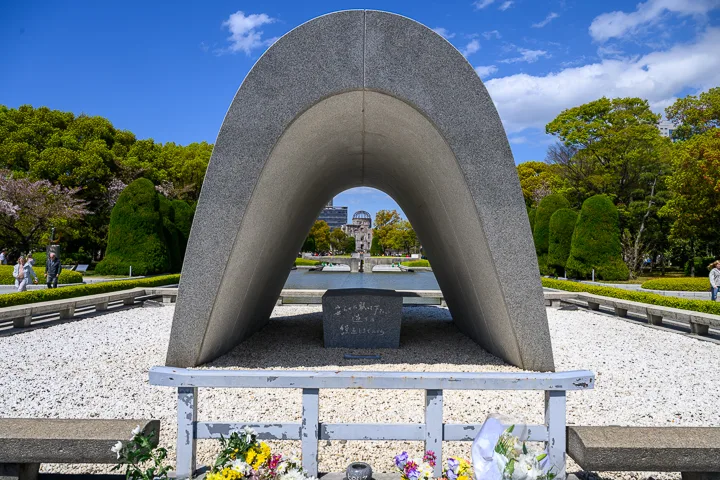
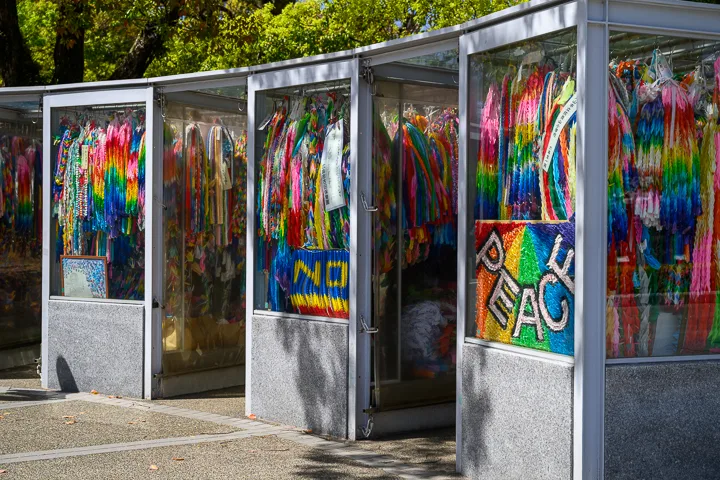
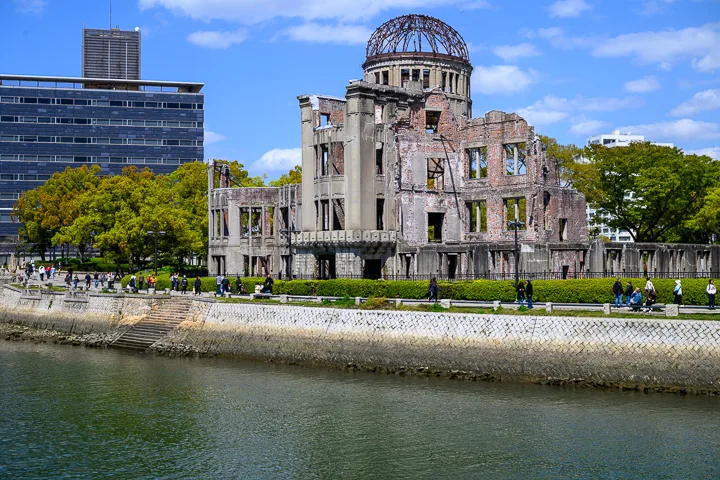
After visiting the museum, walk through the Peace Memorial Park. You pass various memorial monuments along the Ota River to the Atomic Bomb Dome. This iconic ruin is the only building left near the blast centre.
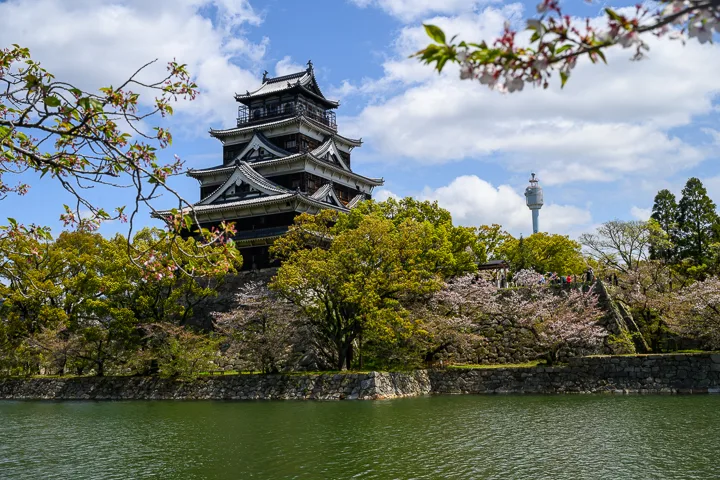
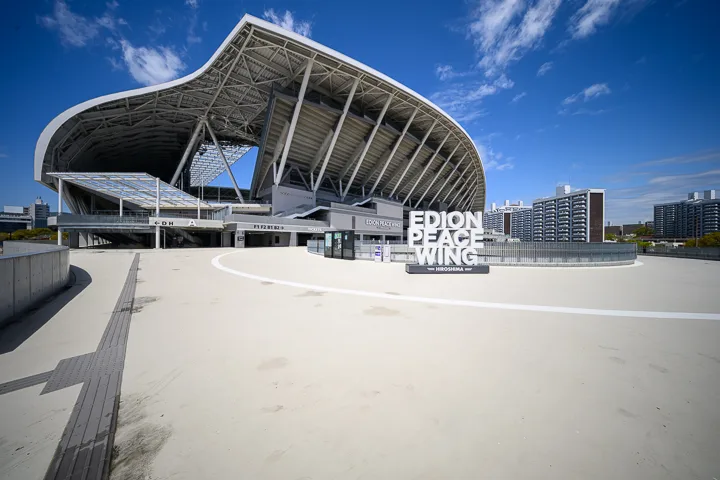
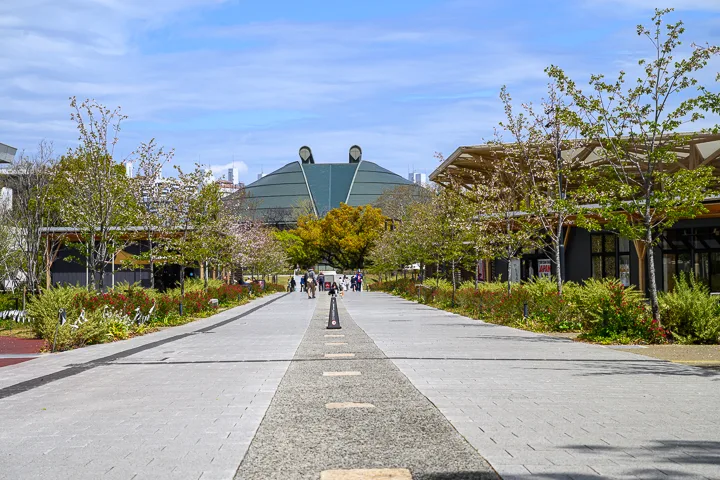
From there, continue walking to Hiroshima Castle. Along the way to the castle, you will pass the Green Arena and the modern Edion Peace Wing Stadium. The stadium's design is remarkable. Hiroshima Castle is a recreation of the 16th-century building. Inside, you will find an interesting museum. Additionally, there is also a nice view over Hiroshima from the top level.
To end the day, for dinner, try a local Okonomiyaki restaurant. We decided on Fumichan Nagarekawa. Sit at the bar. You can watch your noodles being cooked right in front of you. The food is excellent, and you will have some entertainment.
Kyoto: A Cultural Treasure
From Hiroshima, take a bullet train to Kyoto. We stayed at Dhawa Yura Kyoto, and it was fabulous. It is well located, near public transport, between the Gion quarter and the main shopping quarter. We spent six days in Kyoto and still felt it was not enough. There is so much to see.
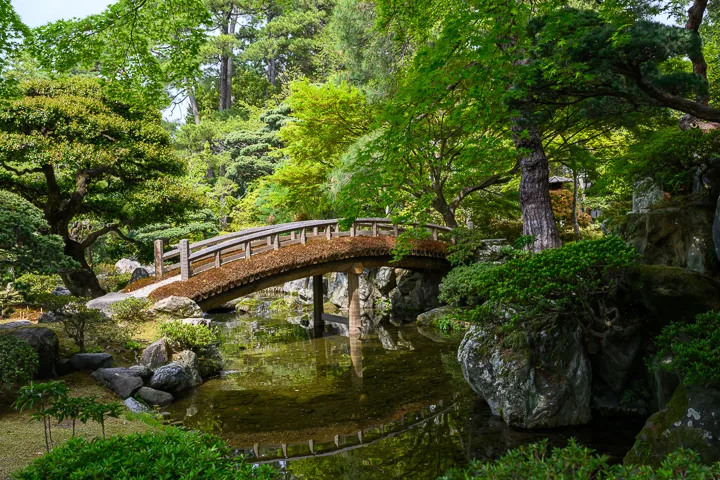
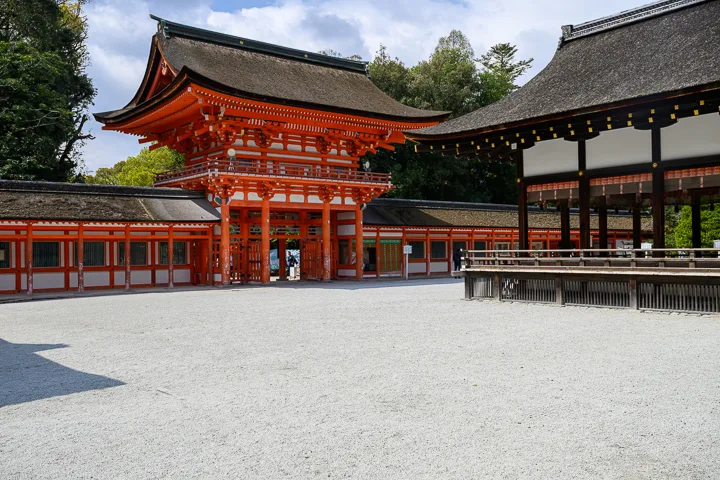
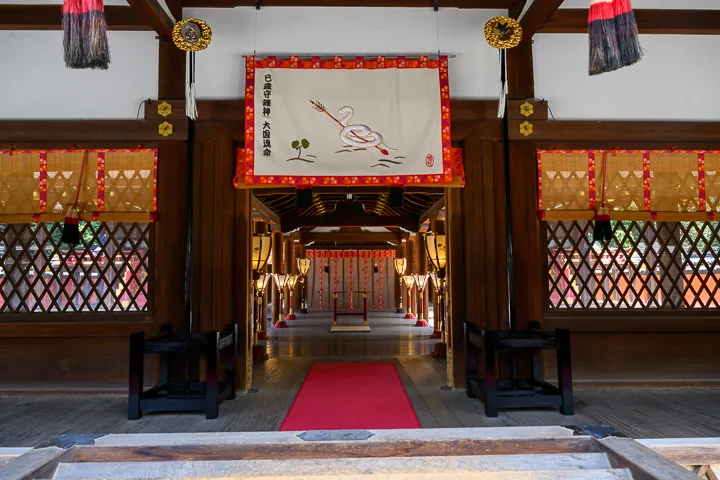
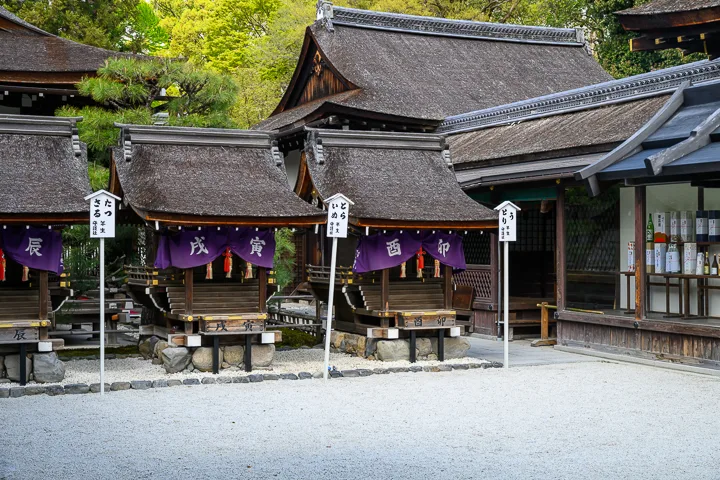
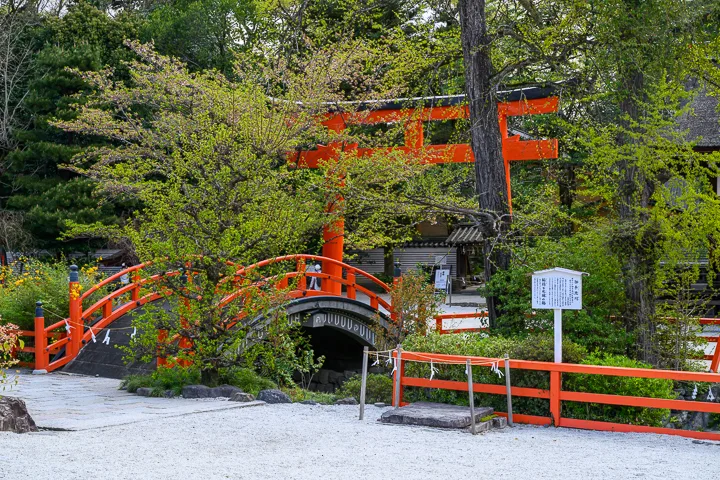
On our first day in Kyoto, we met with Anaya, a lovely guide we found on GoWithGuide. Anaya led us away from the touristy areas. Instead, we enjoyed visiting the peaceful gardens around Kyoto. We started our visit at the Shimogamo Shrine. On the way back, after passing various shrines and temples, we visited the Kamosha Museum Hidehosha. It was the residence of the Asada family. It has a lovely Japanese garden and a small exhibition.
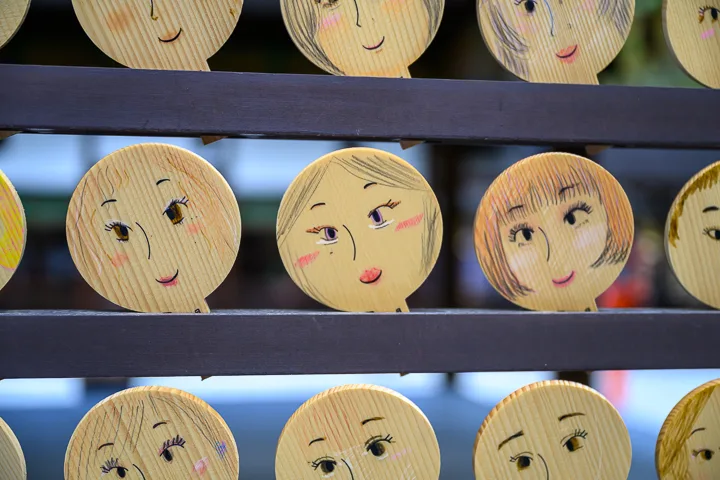
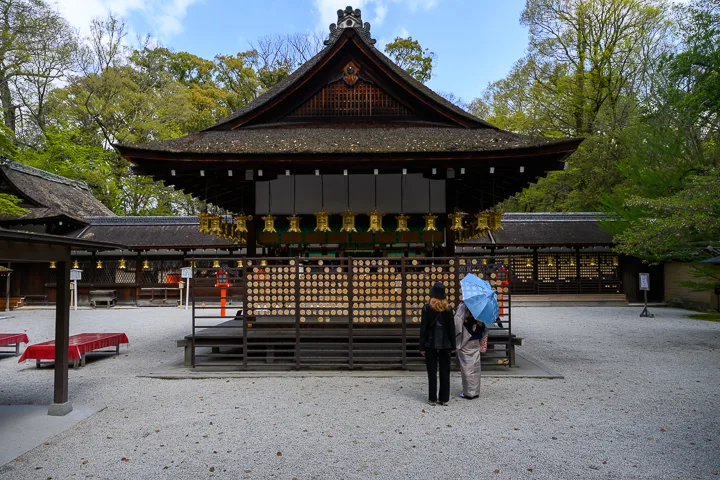
On the way to our next destination, we stopped at the Kawai Shrine. People wish for beauty by applying make-up to mirror-shaped "Kagami-ema" with eyes, nose, and mouth painted on them.
For lunch, our guide had reserved a spot at Ofuku, a tiny local gem. It is located at 8-1 Yoshidanakaadachicho, Sakyo Ward. There are only 4 or 5 tables. Booking ahead is essential. The owner serves an assortment of fermented dishes using homemade koji (fermented cooked rice and/or soya beans). It comes with homemade miso. Altogether, it was out of the ordinary and delicious.
Following lunch, we visited the Shikunshi-en Garden and the adjacent Kitamura Museum. The house at the Shikunshi Garden is stunning. The museum hosts a small exhibition with tea ceremony sets and calligraphy.
Temples and shrines
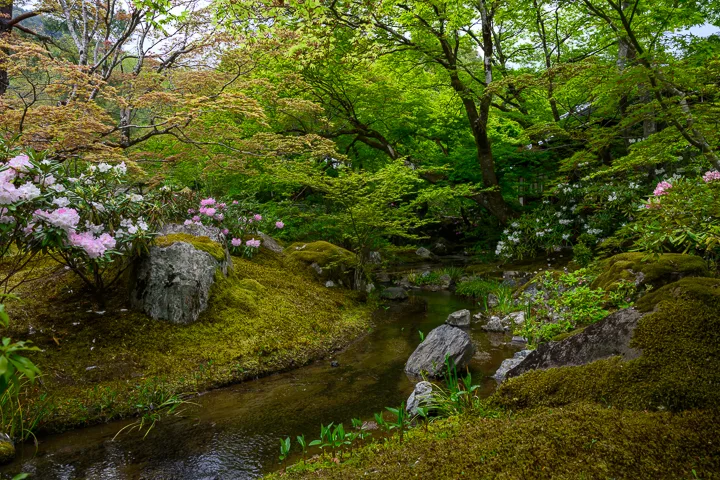
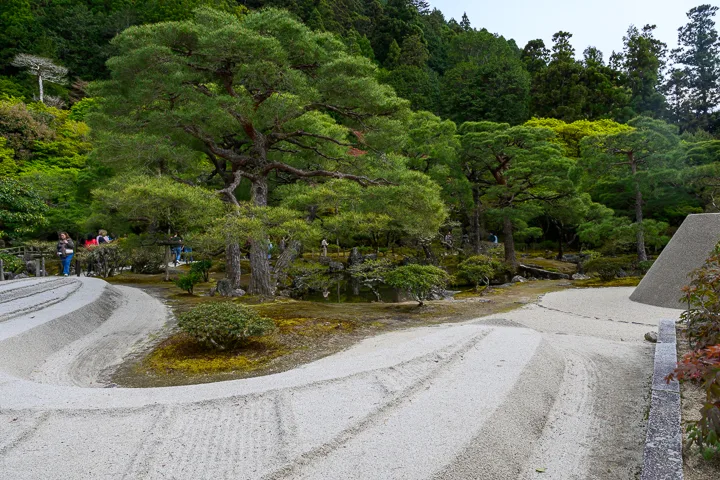
Our next stop was Ginkaku-ji Temple. It is a Zen temple, which is also called the Silver Pavilion. The visit takes you through a perfectly maintained dry sand garden and a moss garden with little streams around a pond with bridges. To get there, we walked along the Philosopher's Path.
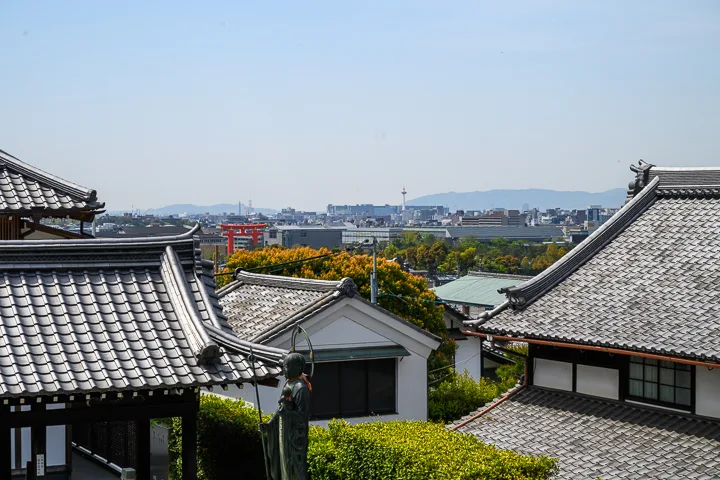
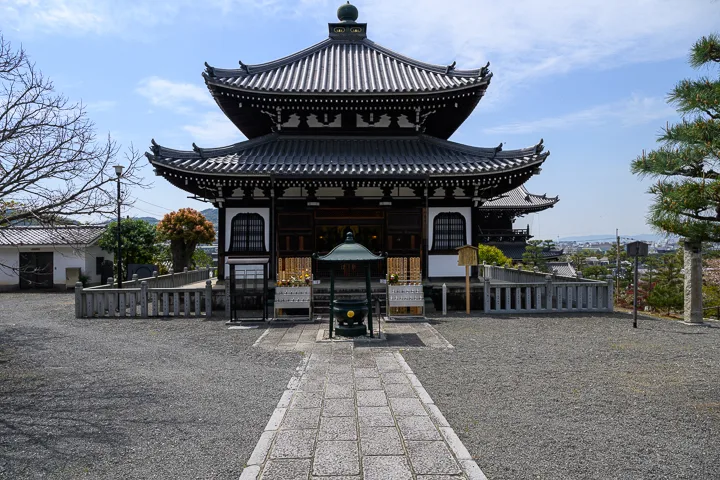
We then headed to Shinnyo-do Temple. It is a temple of the Tendai Sect. The attraction is its colourful vegetation (especially in autumn) and the view over Kyoto. The Shinnyo-do temple closes at 4 p.m., so plan well to get there in time.
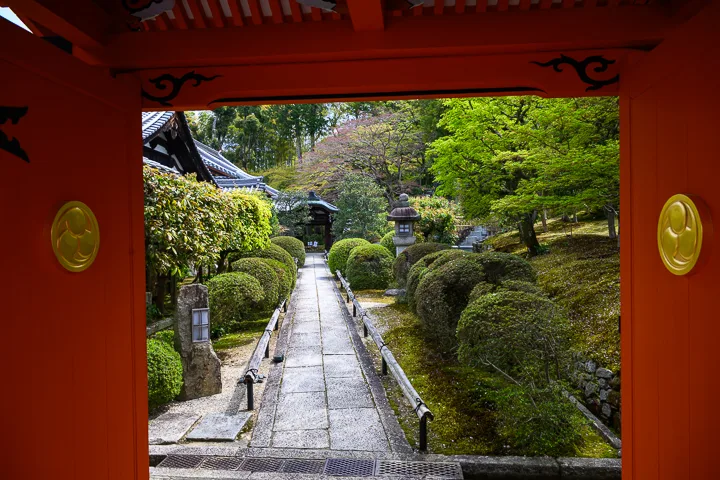
Since we were a bit late to visit the Shinnyo-do temple, we decided to return in the morning. The Shinnyo-do temple is a temple of the Tendai Sect. You will find a three-story pagoda and a fantastic view over Kyoto. The whole area is dotted with shrines and temples as well as small Japanese gardens.
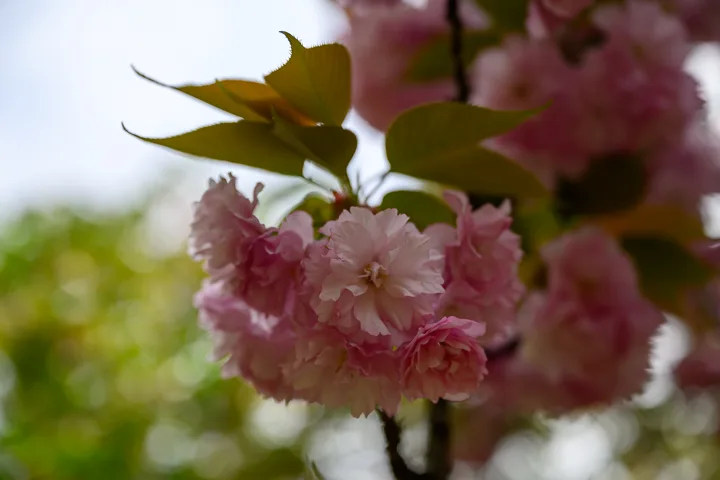
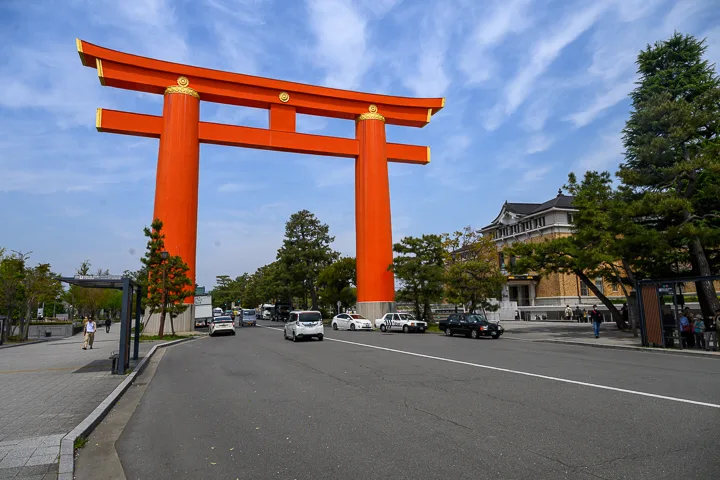
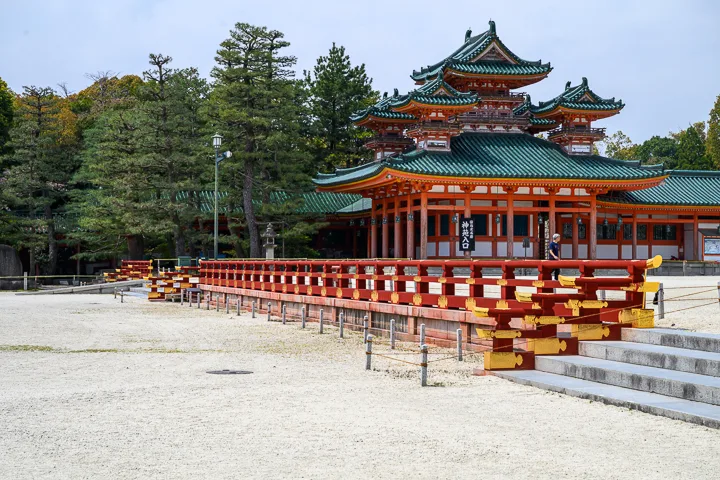
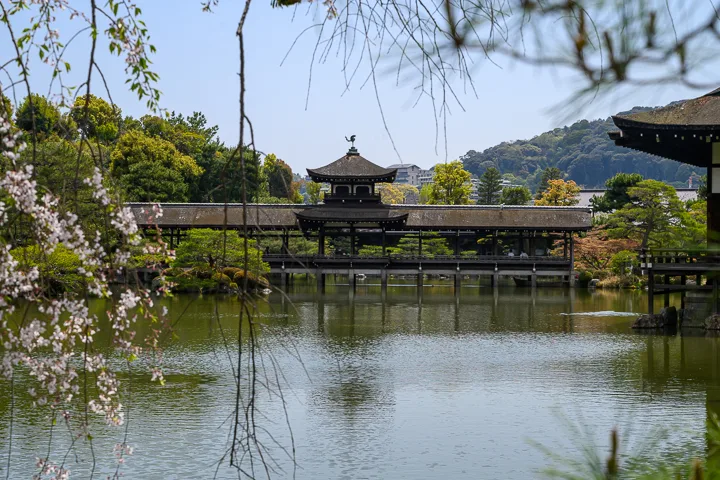
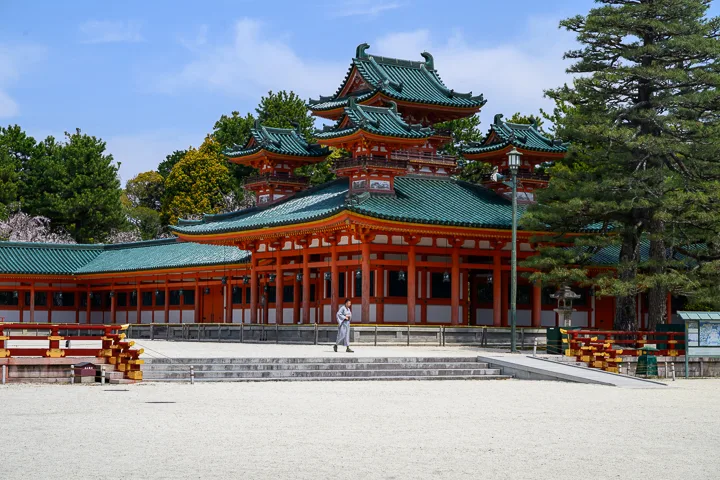
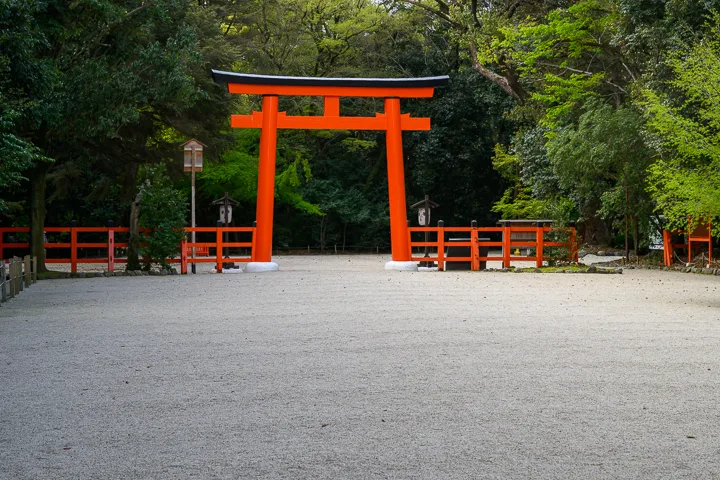
From there, we continued to the Heian-jingu Shrine. If you approach from the Okazaki Park, you will pass a massive Torii Gate. You enter the shrine’s grounds into a wide-open court. The shrine’s main building is a partial replica of the Imperial Palace from the Heian period (794-1185 AD). Behind the court, there is a wonderful Japanese garden. It is worth paying the small entrance fee. There are many weeping cherry trees, which bloom a bit later than other varieties.
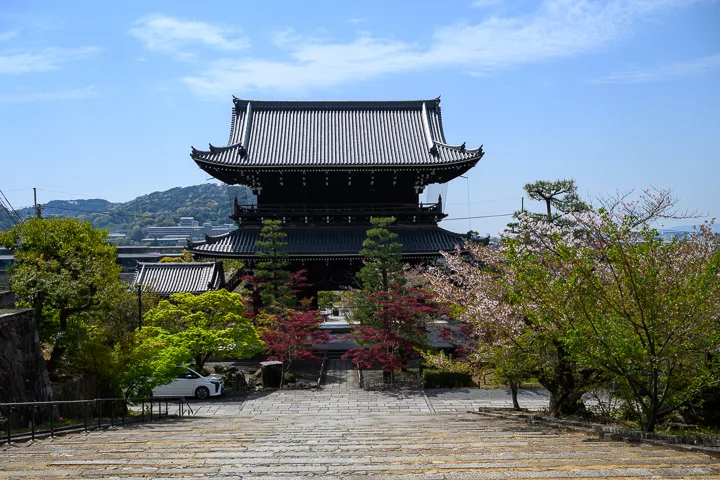
Kyoto: Gion and Geikos
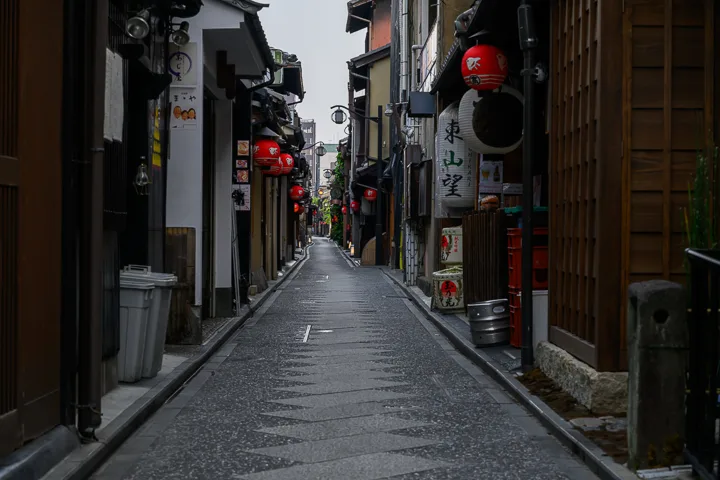
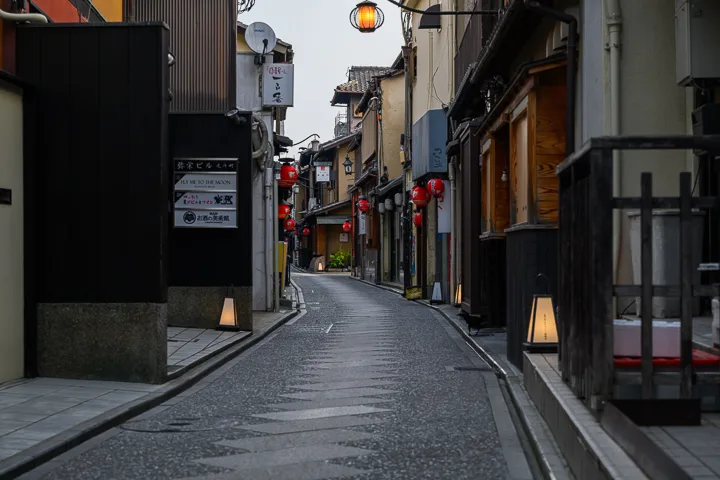
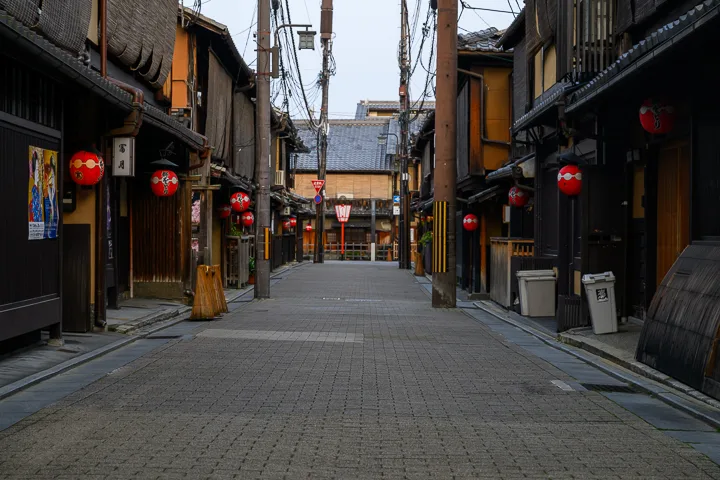
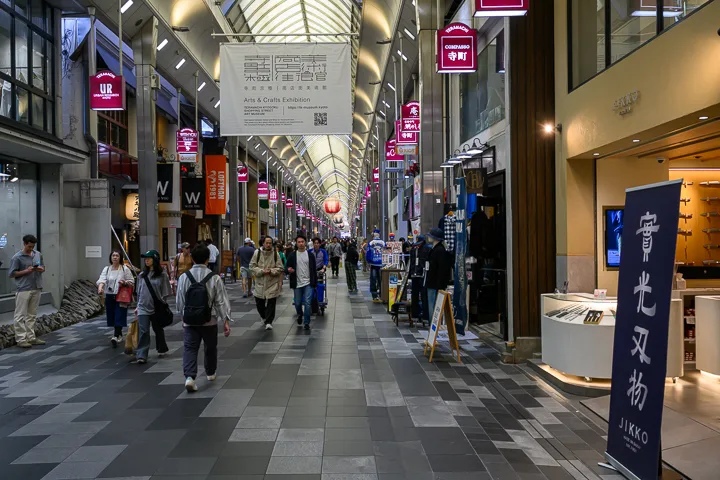
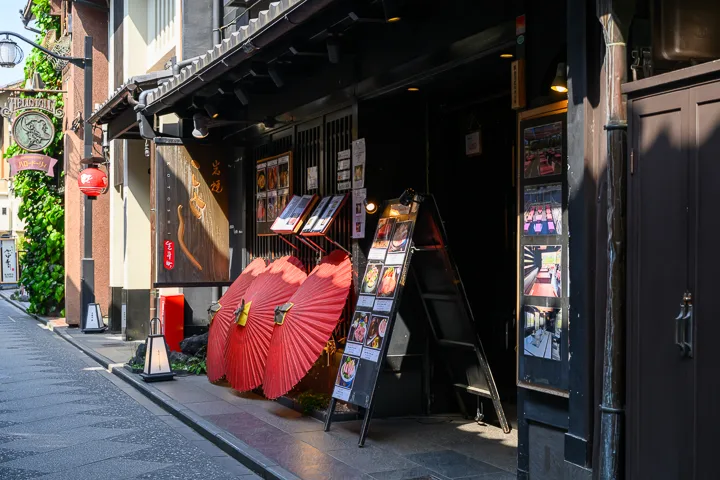
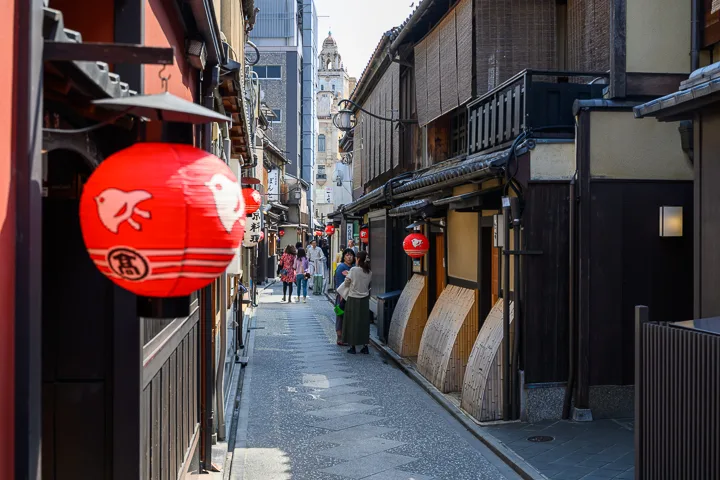
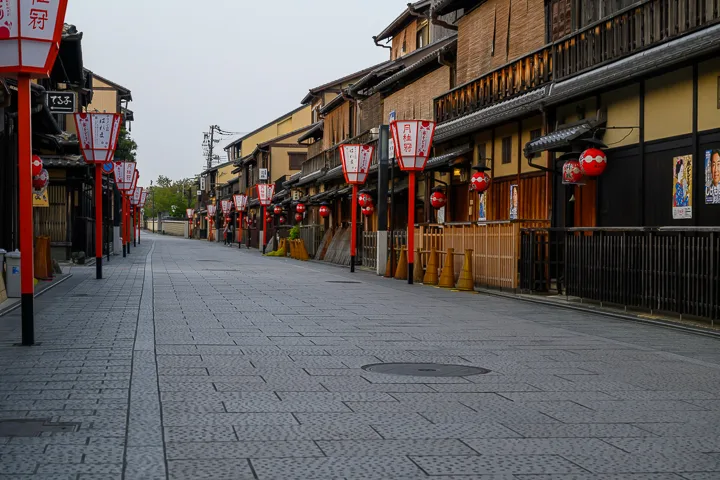
Spend some time around the Gion area. This is where most of the Maikos and Geikos (Geishas) live in Kyoto. It is not the only reason to visit the area. This quarter is full of ancient houses, and the streetlamps add some cachet. The main attraction is Hanamikoji-dori. Get there early morning as it is crowded during the day.
If visiting in April, book tickets for the Gion Kōbu Kaburenjō theatre. Maikos and Geikos perform in the Miyako Odori show three times daily. It is a rare and beautiful experience. You can get an audio guide to help you follow the story. Book in advance, tickets can be hard to come by.
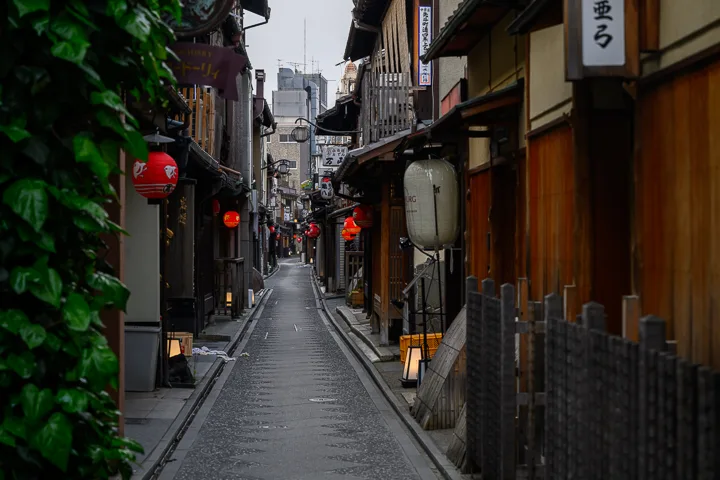
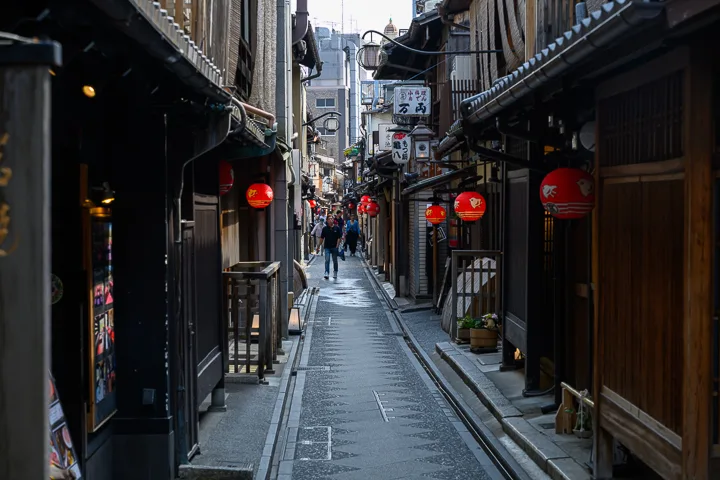
From the Gion quarter, head along the shopping street to the corner, where Tohka Saikan, a Chinese restaurant, is located. Opposite the restaurant building starts the Pontocho street. This is another very picturesque street you should not miss.
Kyoto: Shrines, Castles and Palaces
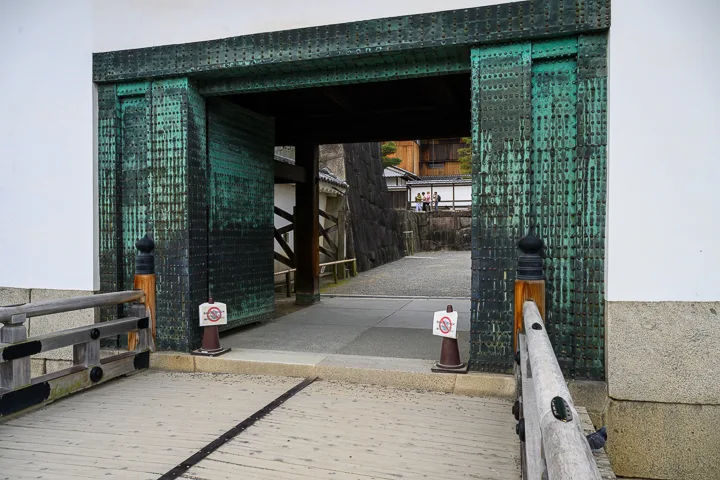
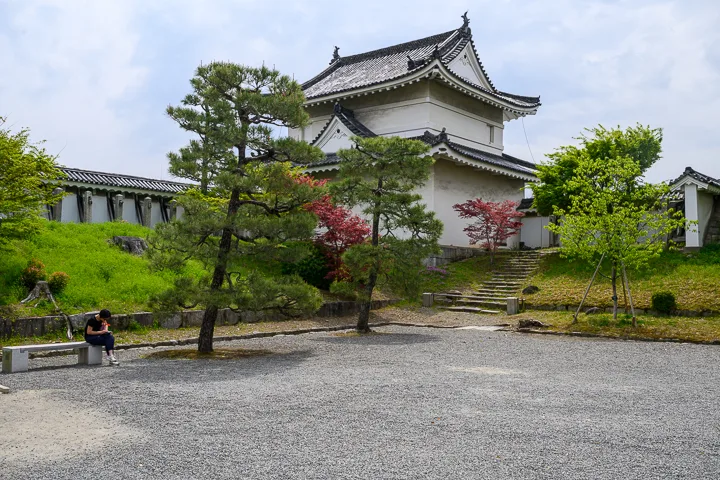
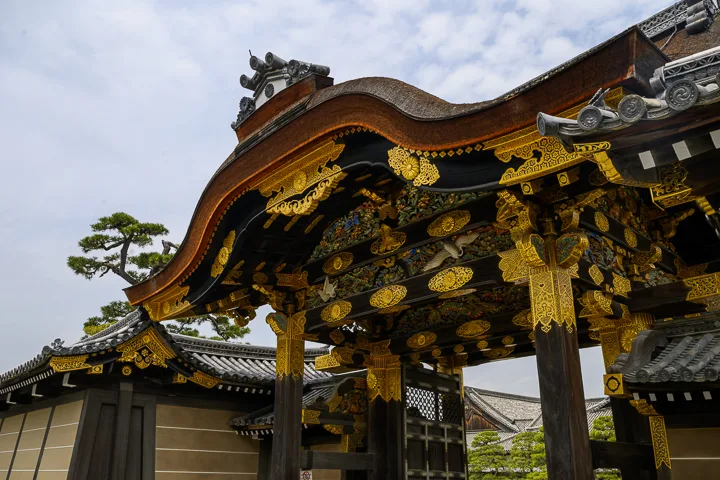
Another highlight of our visit was the Nijo-Jo Castle. It was the residence of the first Shogun of the Edo Period (1603-1868). The Castle has been a UNESCO World Heritage site since 1994. Although photography is allowed outside, it is prohibited when visiting its interior.
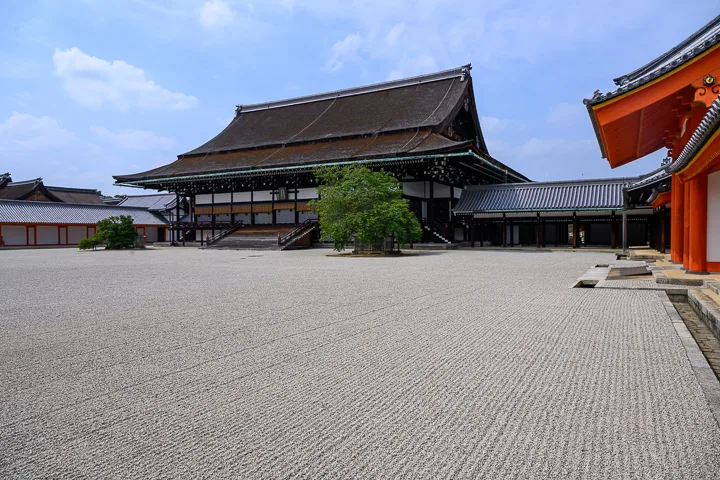
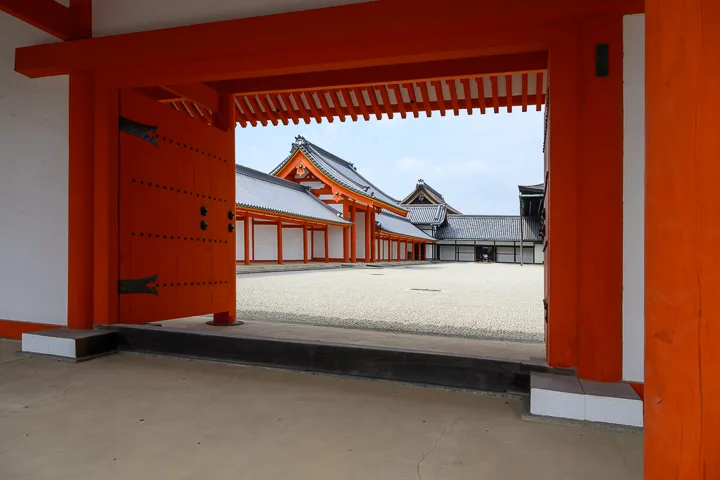
After we visited the Nijo-Jo Castle, we headed to the Kyoto Imperial Palace, which can be found in the Kyoto Gyoen National Garden. It is not crowded and a very relaxing place to spend some time.
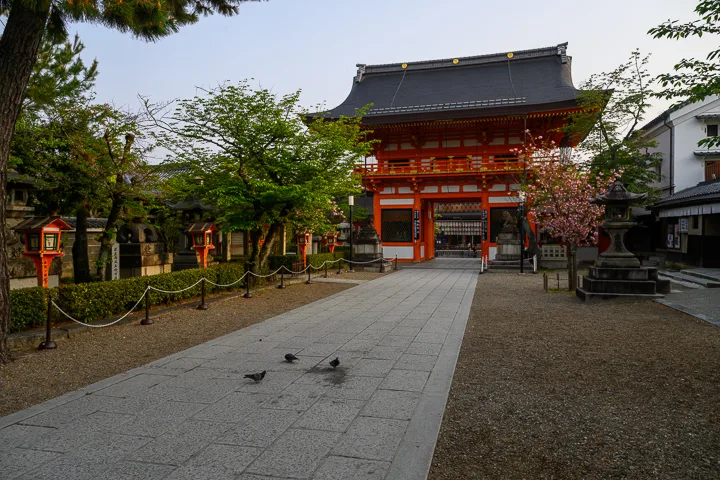
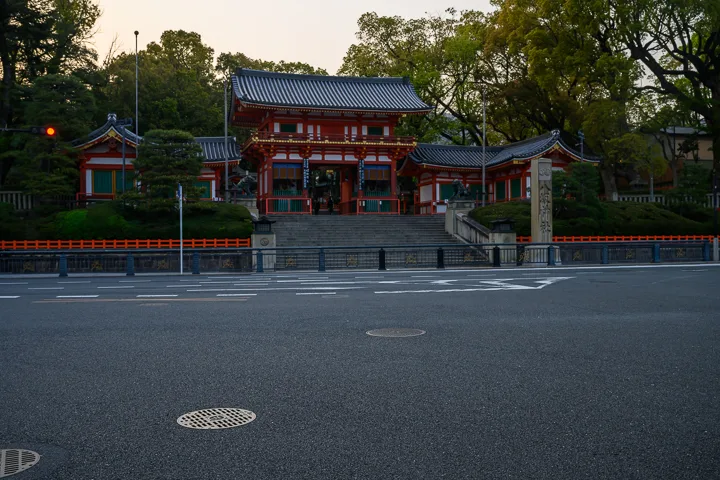
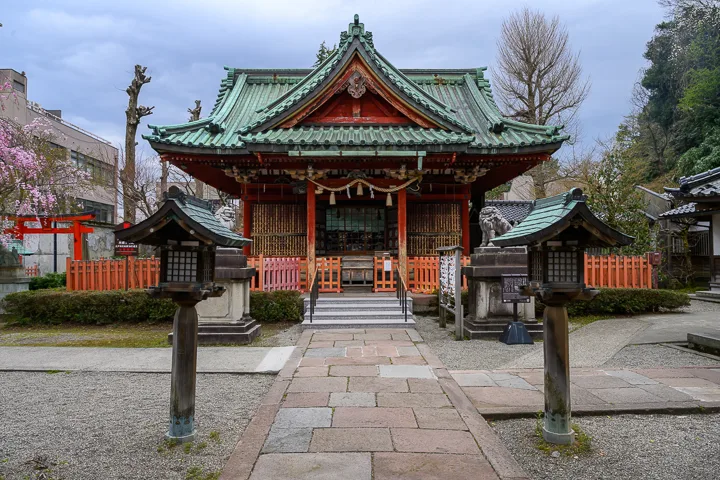
Do not miss the Yasaka Shrine. Enter from the Yasaka Jinja Nishiromon Gate. You can cross through the shrine grounds and continue your hike up the hill to visit further shrines and temples.
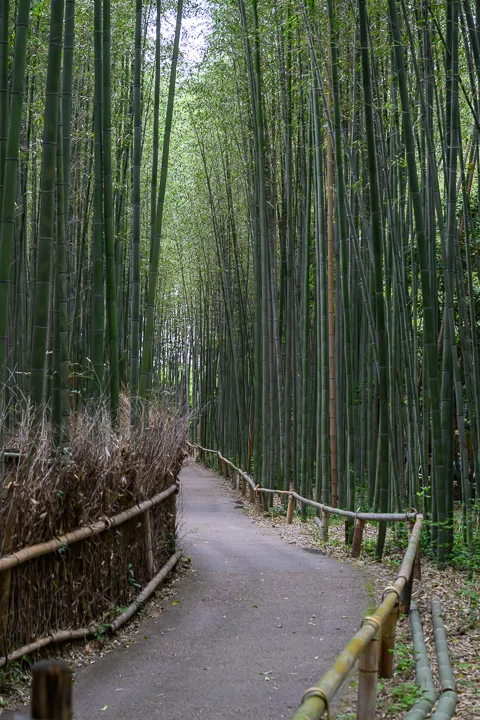
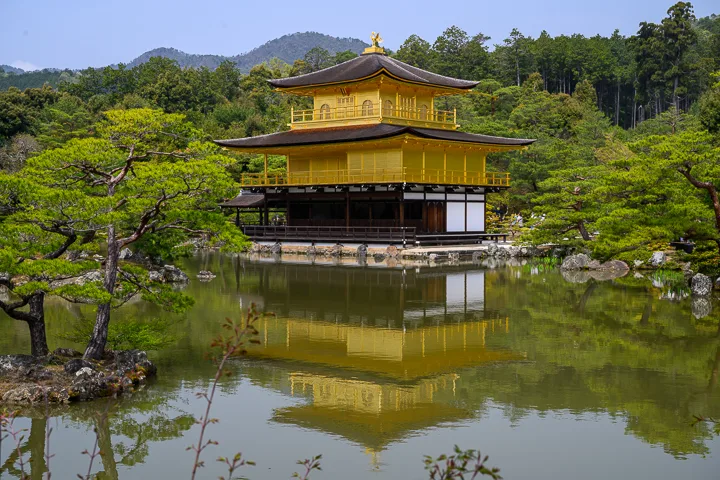
Spend a full day exploring the Golden Pavilion and the Bamboo Forest. These sites are popular, so start early. The Golden Pavilion has wide gardens with water features. Despite the crowds, it feels peaceful. In contrast, the Bamboo Forest is packed with visitors. Entry fees to the various shrines and temples are higher than expected, and some areas restrict photography.
Kyoto: Fushimi Inari
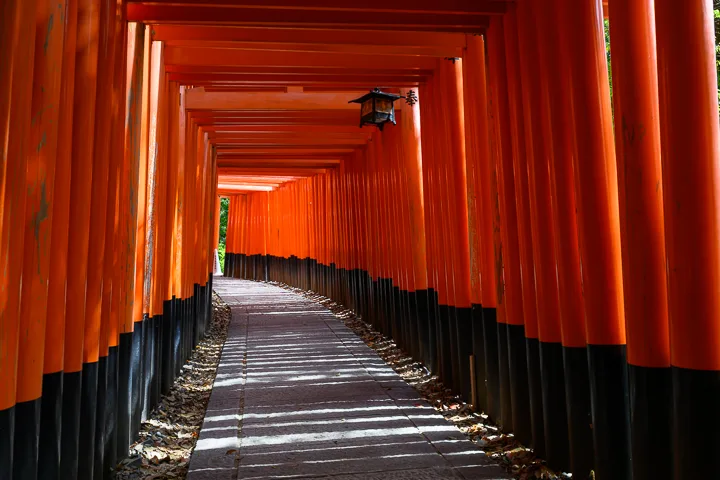
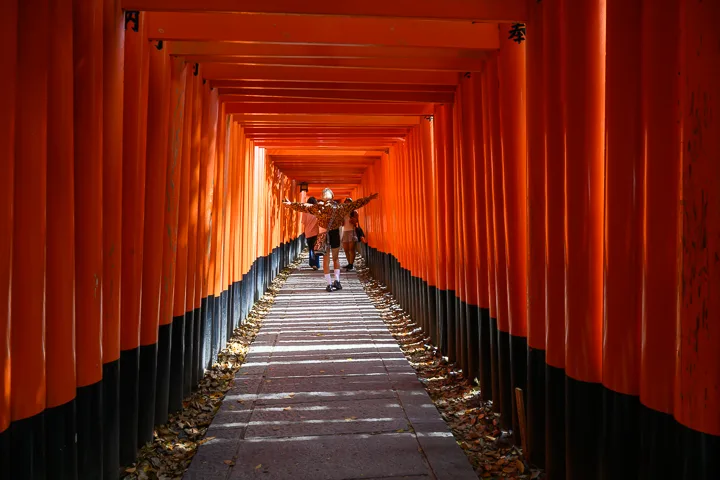
For the ultimate torii gate experience, visit the Fushimi Inari Shrine. This shrine is just outside the Japan Rail (JR) Inari Station. The Keyan Main Line train also goes straight to the shrine. A walk through the red torii gates is magical. However, this site is so popular that I could barely take photographs. You will have to be there before 7 a.m. if you want to take an Instagram-worthy picture. There are plenty of street food places in town. If you are just peckish, stop for coffee and a pastry at Vermillion, a lovely, small café along the main road.
Kyoto has over 1,600 Buddhist temples and 400 Shinto shrines. It is impossible to see them all. We skipped Nara and Osaka to focus on Kyoto. Of all the places we saw in Japan, Kyoto stood out. It captured the essence of Japan. I feel like we experienced Japan's culture and history most deeply in Kyoto.
Kyoto: Food and wine
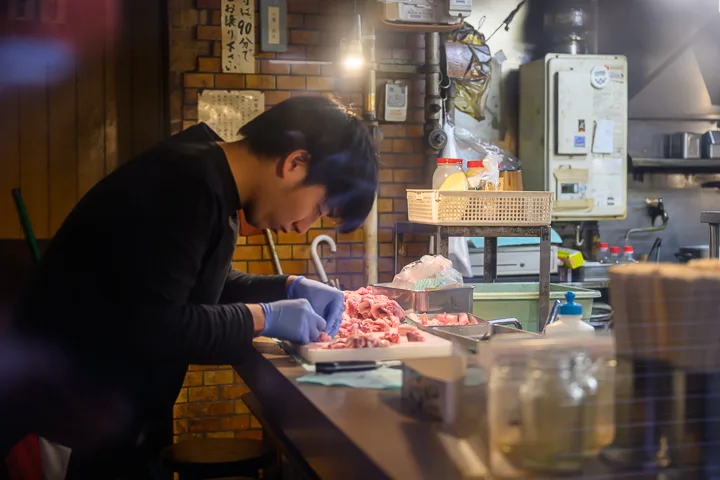
We had some incredible food all around Japan. In Kyoto, we tried small restaurants with just a few seats at the bar and the Kyoto Kawaramachi Garden food hall. In the Gion quarter, we went to “66tantan (Rokuroku Tantan)” and Gion Duck Rice. Both restaurants are tiny, and you sit at the bar. 66tantan is a ramen restaurant with just 4 variants of one spicy ramen noodle dish. The food is made in front of you and served by the cook himself. At Gion Duck Rice, they serve traditional Japanese hitsumabushi duck rice. The staff were wonderful and explained the various spices you can add yourself and how to mix the broth with your rice.
One evening, we had a glass of wine with our guide at the Takashimaya SC mall. I do not think that I have ever experienced something like that before… The shop staff gave us wine glasses and a payment card. We then selected the wine from a vending machine.
Feeling sad to say goodbye
After a week in Kyoto, it was time to travel back to Tokyo to catch our flight home. As our journey ended, we felt a bit sad, but grateful. Japan has given us more than memories. It offered insight, calm, and beauty. Every place we visited had its charm. Every person we met added something special.
A few words of advice to future travellers: Travel slowly. Be respectful. Step off the beaten path. Get up very early to visit popular sites. Wear comfortable shoes. In doing so, you will discover a Japan beyond the tourist lens. You will connect with its soul. And you will want to return as we do.