No products in the basket.
The Sacred Valley
November 21, 2020
Salinas
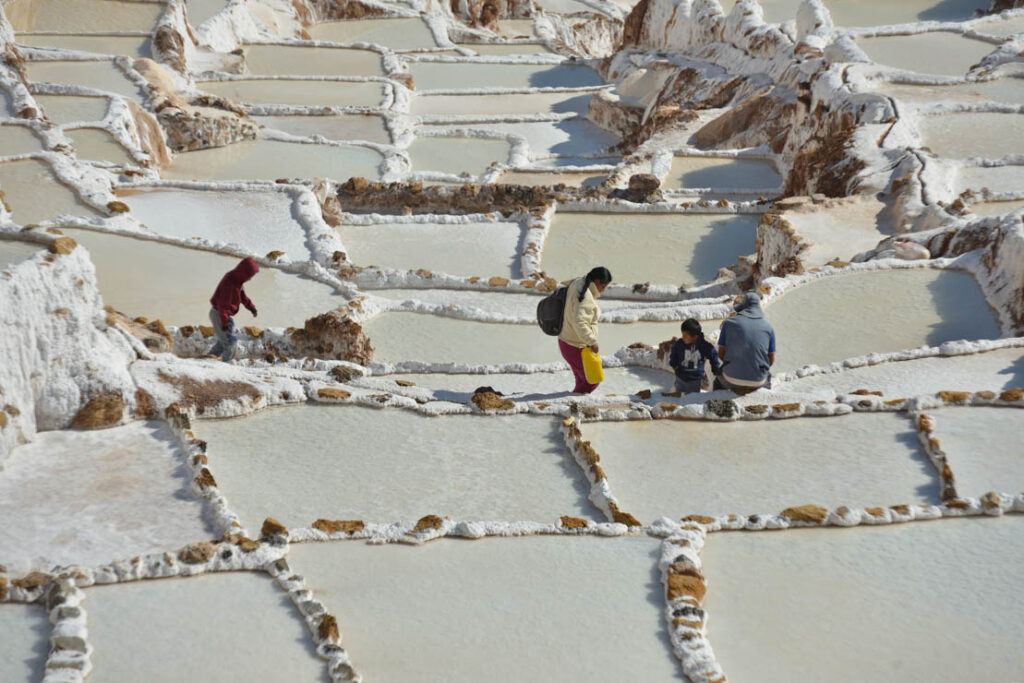
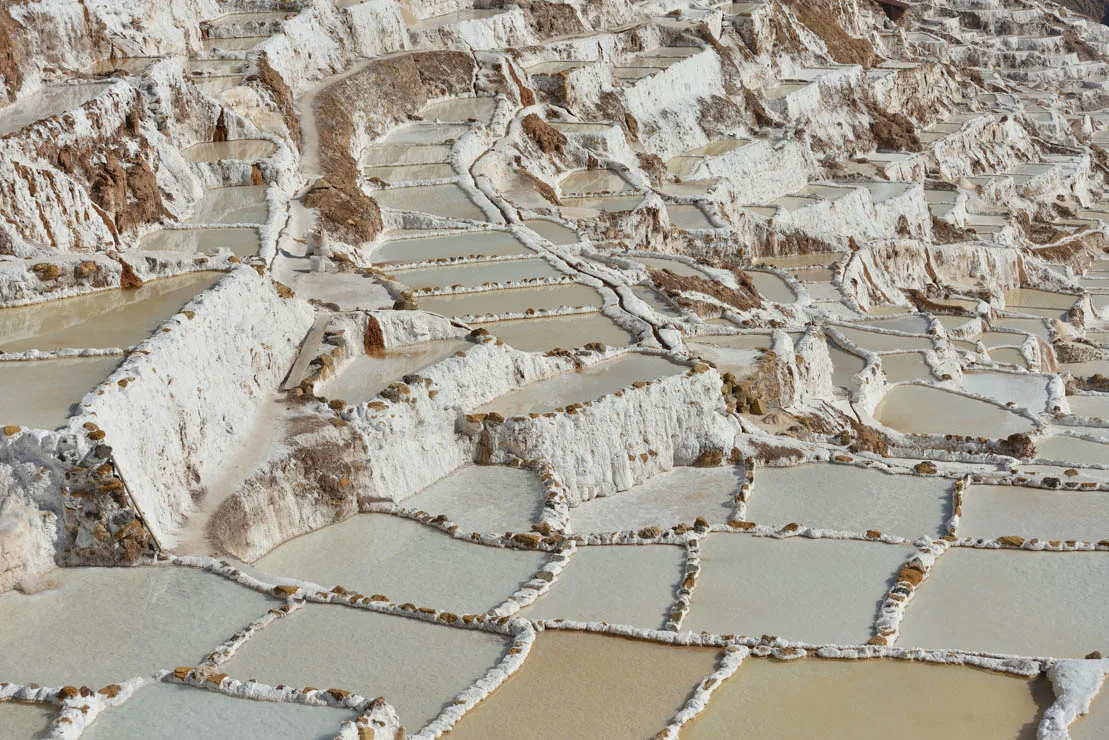
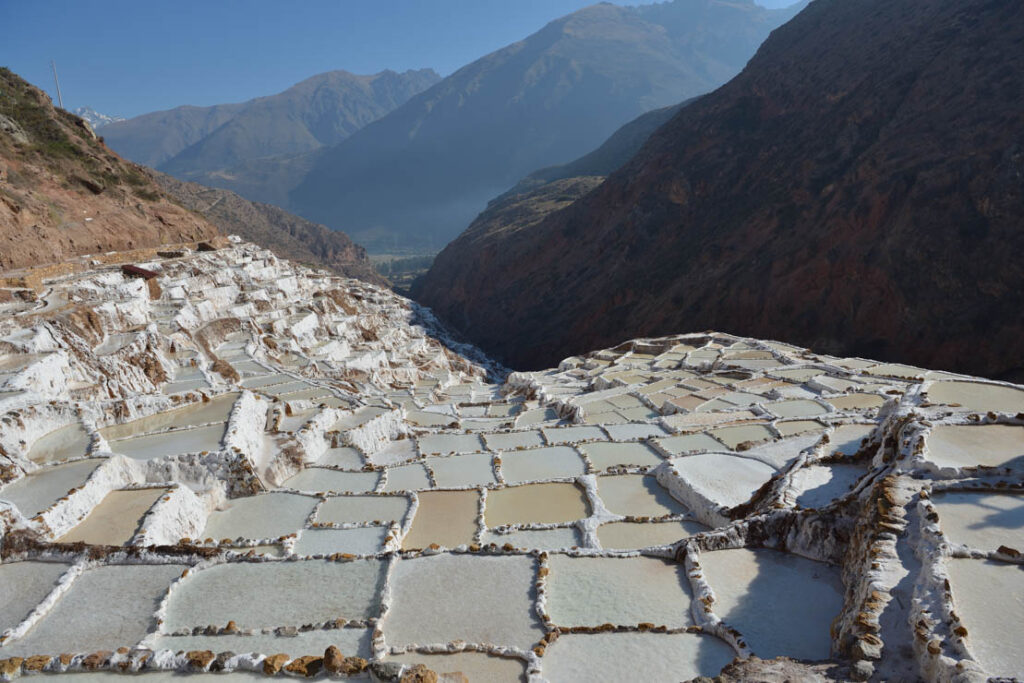
Our next guided tour, starting at sunrise, took us to Salinas – the famous salt pans that have been for salt extraction since the Inca times. It is hard to describe the ingenuity of the salt making process, which now funds the lives of a large community of families who own and tend to the production of the salt, which is exported and sold around the world. The families still use the traditional method of extracting the salt.
Moray
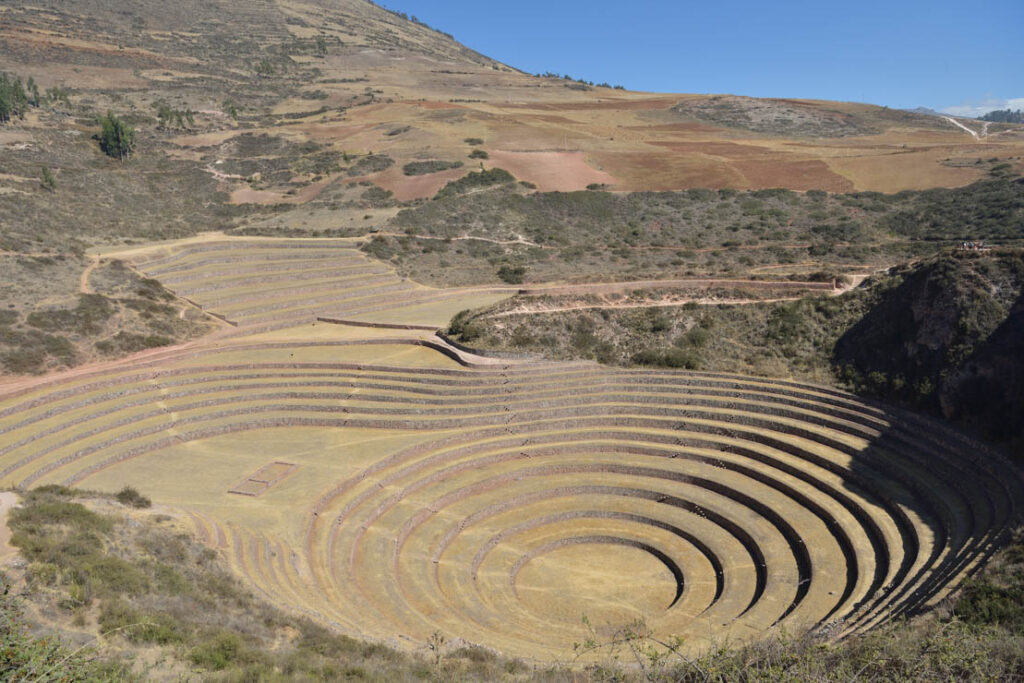
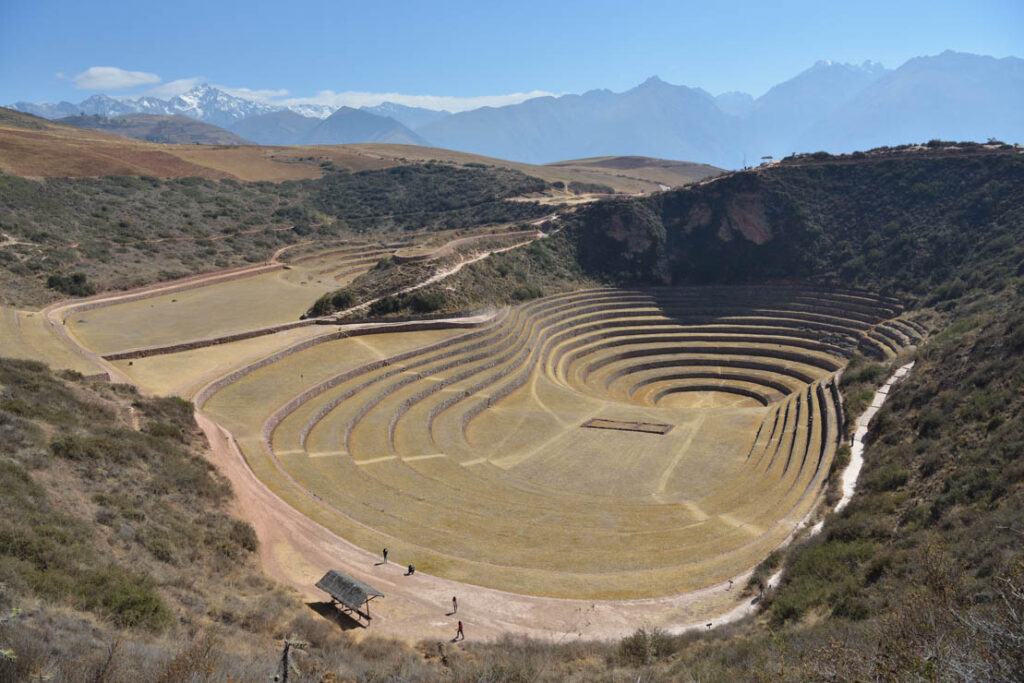
Our driver then took us to the site of Moray, where deep in the valley surrounded by mountains, we discovered what looked like a huge Roman amphitheater. Based on the explanations of our very knowledgeable guide, we were told that this was in fact an ancient agricultural laboratory. The Inca created terraces, which looked like seating, to experiment how to grow and preserve different varieties of seeds and vegetables on which they could feed their communities. For years rumours had suggested this site was created by aliens because there was no explanation as to why it existed in this very remote location. However, scientists and archeologists eventually discovered a wide variety of seeds and other evidence that suggested it was an agricultural phenomenon and yet another ingenious, yet practical, Inca development.
Ollantaytambo
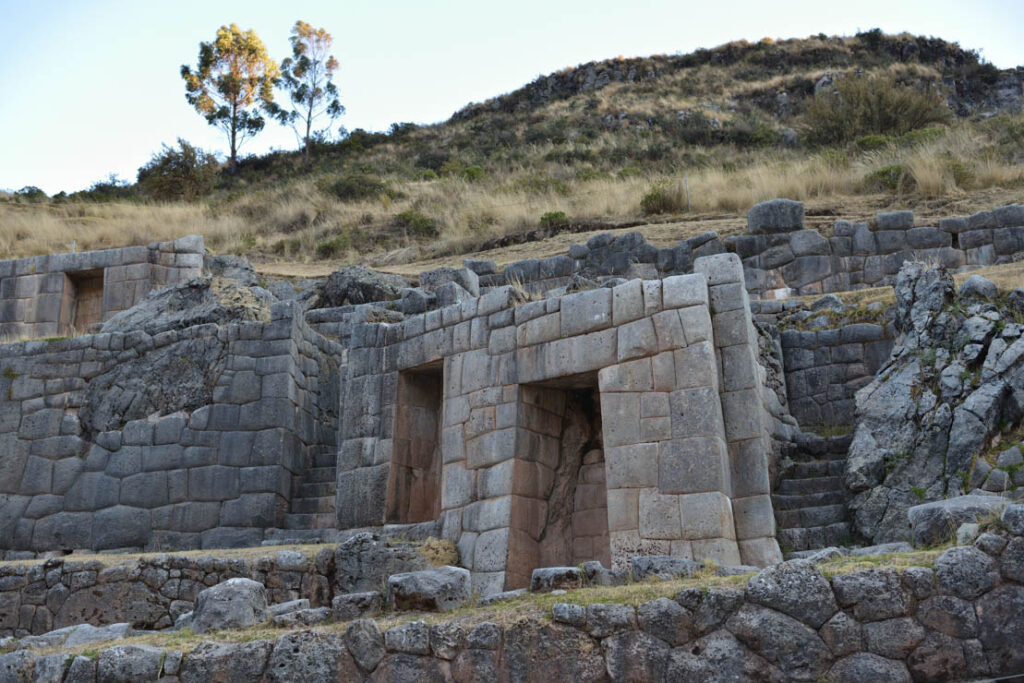
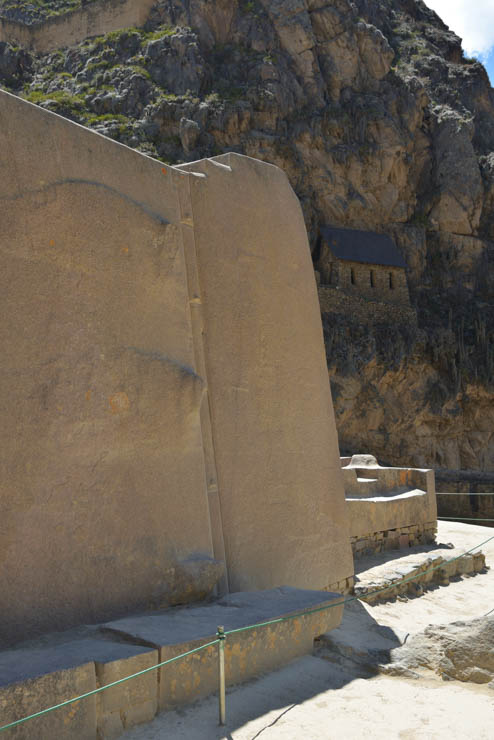
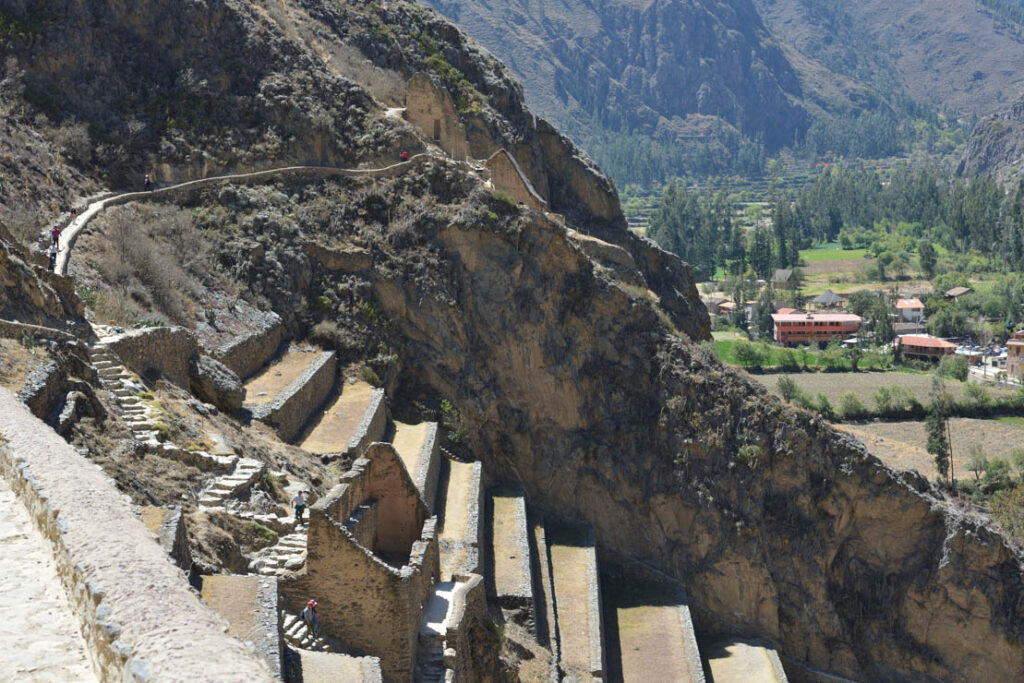
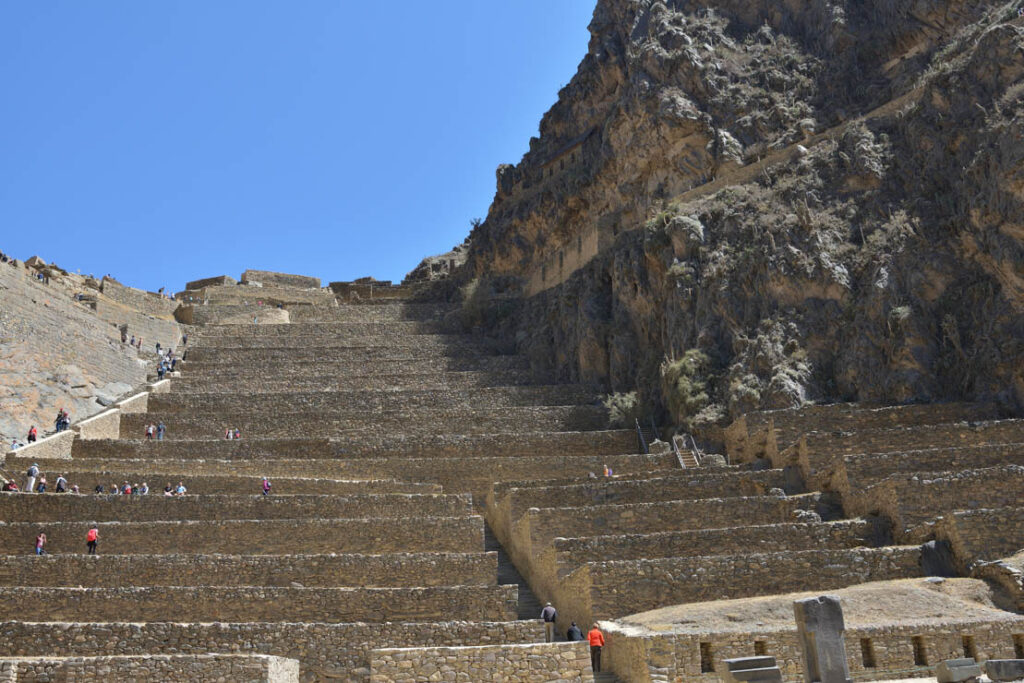
We left the site to proceed to Ollantaytambo to visit two massive Inca ruins that dominate this quaint and bustling village. It is apparently the best surviving example of an Inca city. It is difficult, even through the photographs, to imagine the scale of the Inca buildings that look down from high mountains onto the small village. It is impossible to contemplate the sheer effort and workmanship it would have taken to build such a vast and majestic fortress at such a height on the flank of the mountain. How on earth did they do it? It is an unbelievable place. There is strong evidence that supports the fact that this Inca site was still under construction when it was sadly conquered by the Spaniards.
Pisac
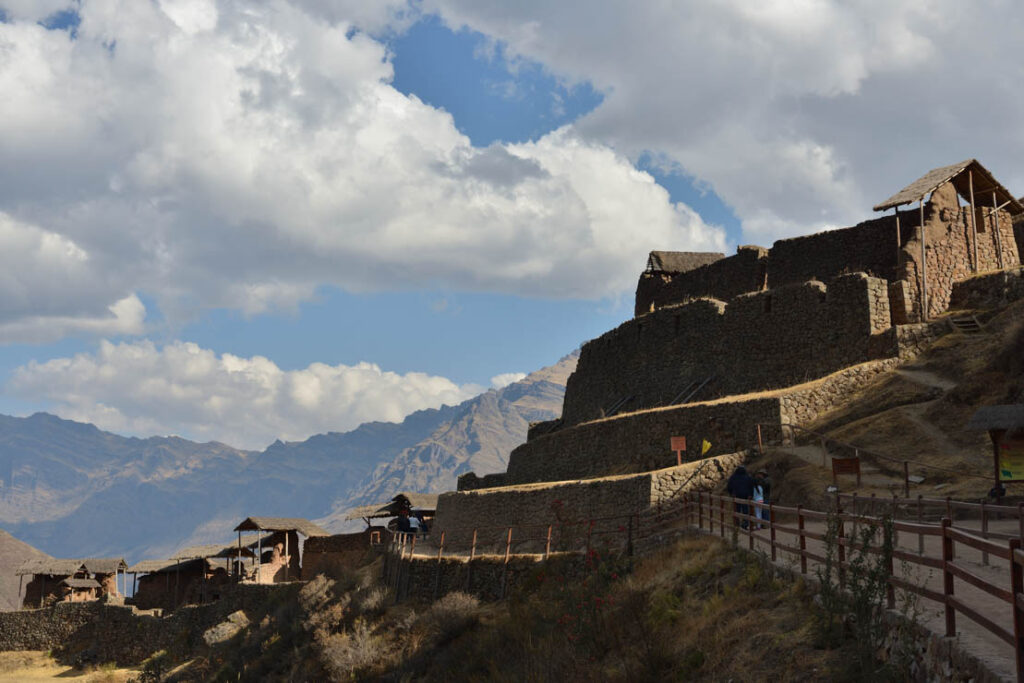
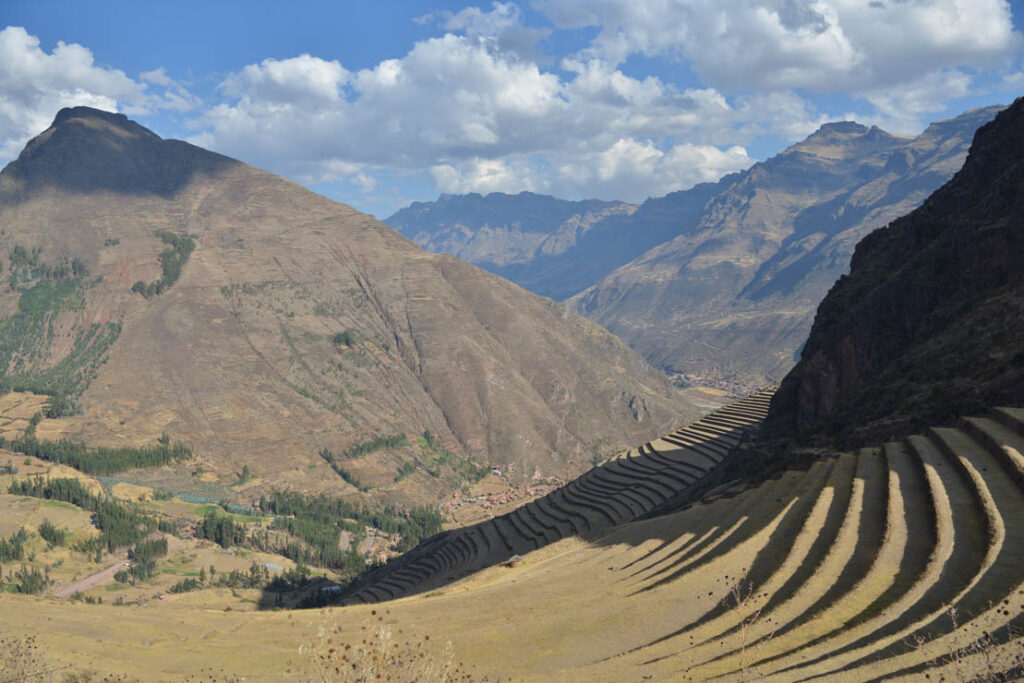
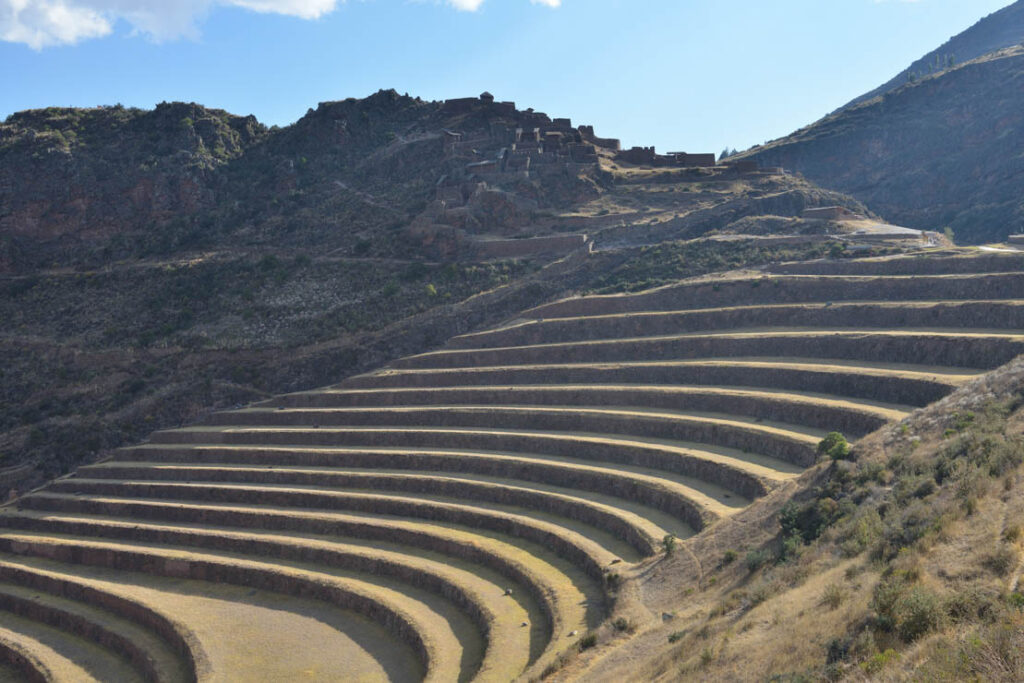
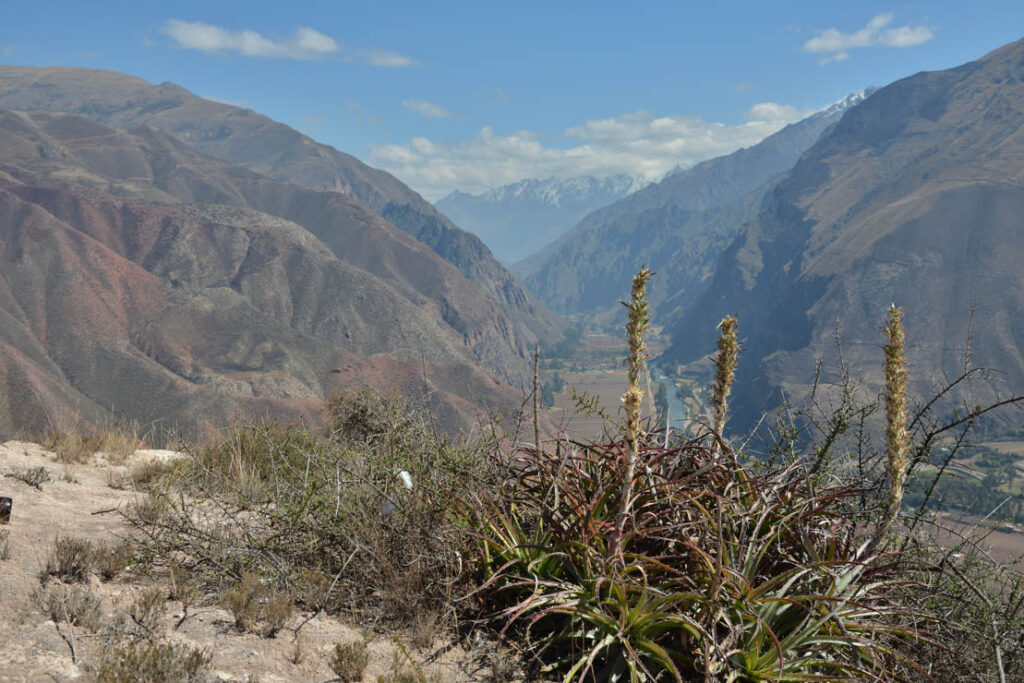
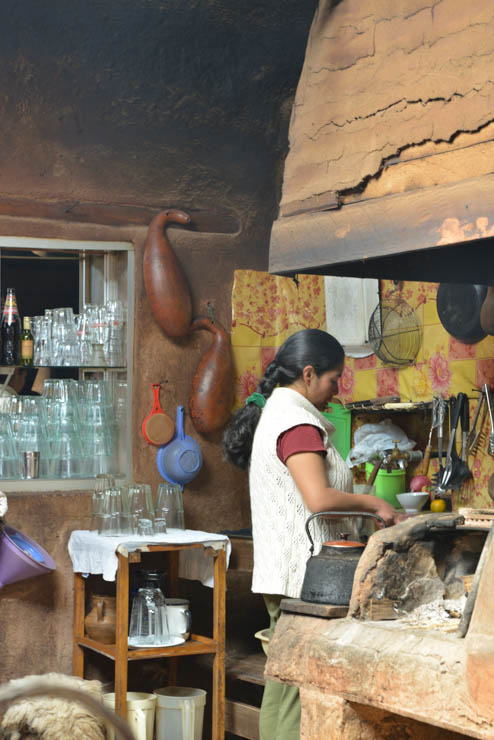
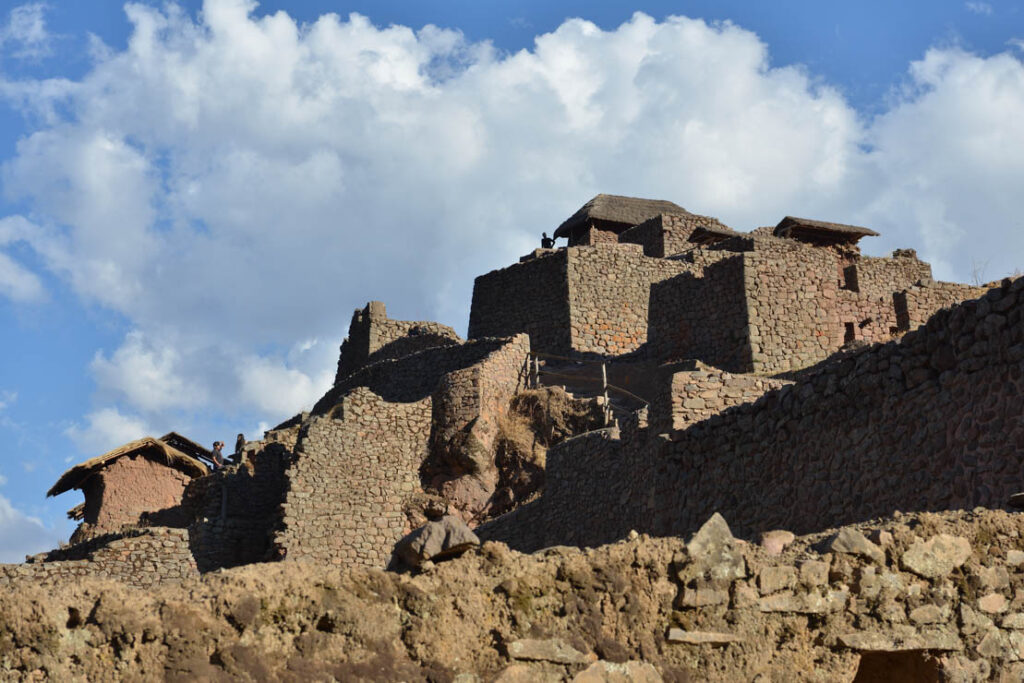
Our tour led us further to Pisac with a stop at a traditional home to try Chicha, a corn based fermented drink, and later for lunch at nearby Urubamba. We were taken to another Inca fortress which was, yet again, high up on the mountains requiring more stamina to reach. We were rewarded by stunning views and were able to visit the almost untouched Inca houses and discover how Inca families would have lived. Along the flank of the mountains we could see the remains of the largest Inca cemetery ever discovered. We could see the small holes where people of lower standing would have been buried as well as the larger tombs where higher placed people would have been buried. Our guide told us that more than three thousand Inca people had been buried in this cemetery. Most of the tombs had been pillaged by grave robbers. The rest of the site was taken up by the impressive agricultural terracing that we have come to recognise on many of the Inca sites.