
No products in the basket.
A Journey of Discovery
Embarking on a journey from Thailand, our two weeks in Malaysia became an unforgettable experience filled with diverse landscapes, vibrant cultures, and warm hospitality. From the serene, sun-kissed beaches of Langkawi to the bustling streets of Kuala Lumpur, every moment was a new adventure. Each destination added a unique layer to our understanding of Malaysia, a country that effortlessly blends natural beauty with rich cultural heritage.
Discovering Langkawi
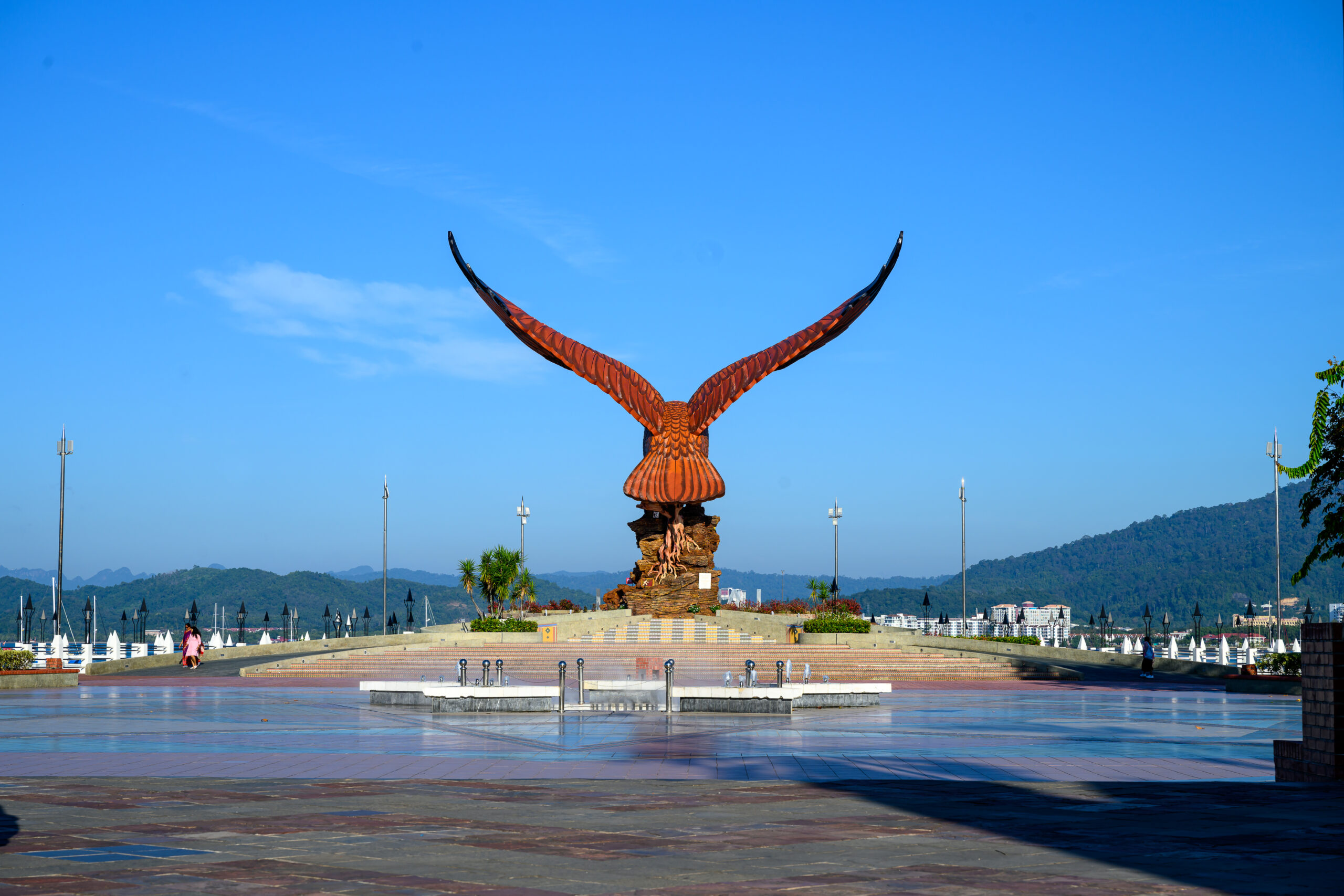
Our journey began on the idyllic island of Langkawi, the third largest island of Malaysia and a perfect introduction to the country’s natural wonders. Langkawi is not just a single island but an archipelago of 99 islands. Some claim there are 104 islands, but regardless of the number, the island’s beauty is undeniable.
Langkawi offers the ideal setting for a few days of relaxation. Its pristine beaches and luxury resorts provide a tranquil escape from the hustle and bustle of daily life. The island’s laid-back atmosphere is perfect for those looking to unwind and recharge.
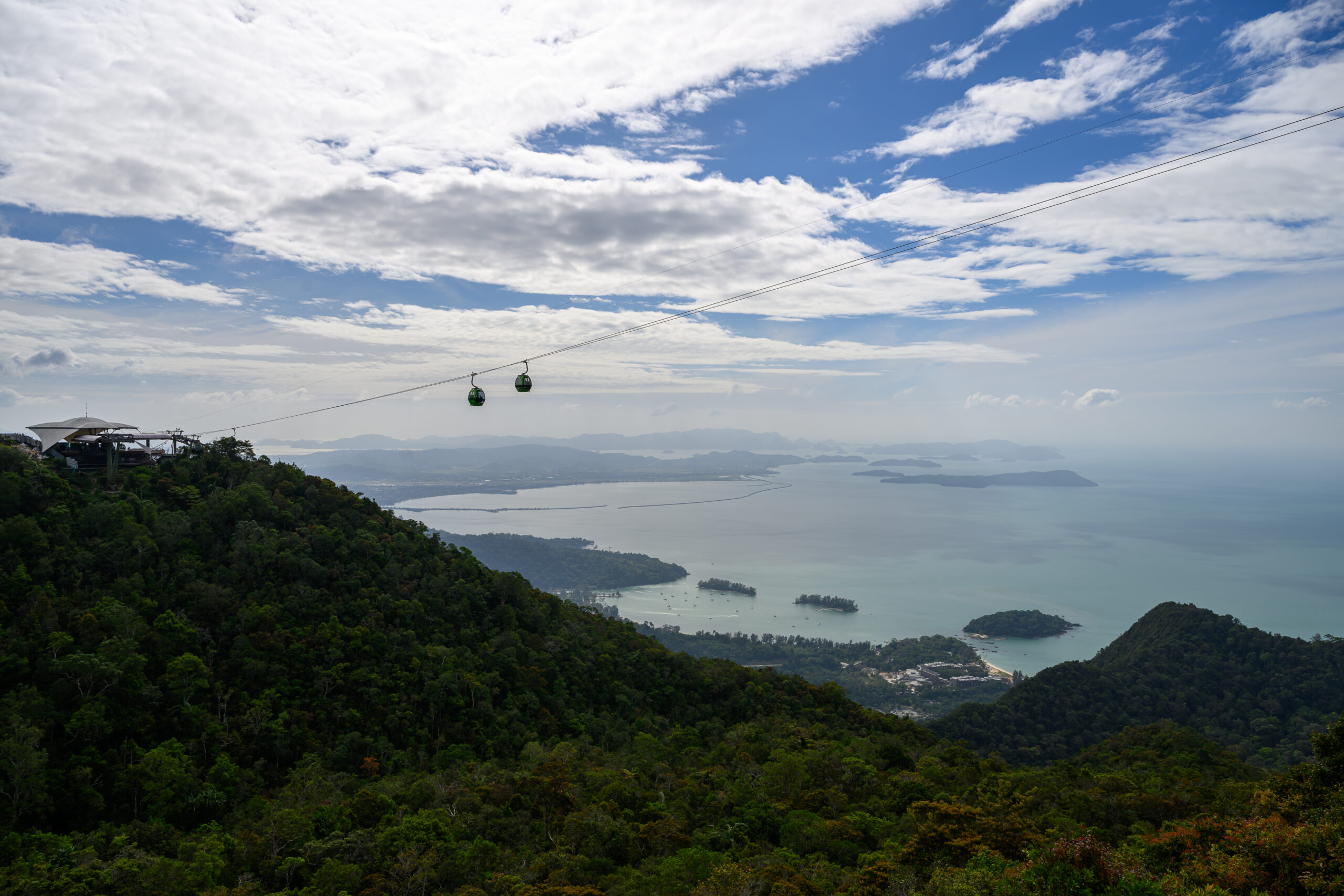
A highlight of our visit was the early morning trip to the SkyCab, Malaysia’s highest and steepest cable car. This ride is an absolute must for any visitor even if you suffer from altitude’s sickness. The journey to the top provides breathtaking views of Langkawi’s lush landscape. Our first stop was the Eagle Nest, a striking structure with a glass floor that offered an exhilarating view of the valley below. The panoramic views from the top station were nothing short of spectacular. On clear days, you could even see the distant coast of Thailand.
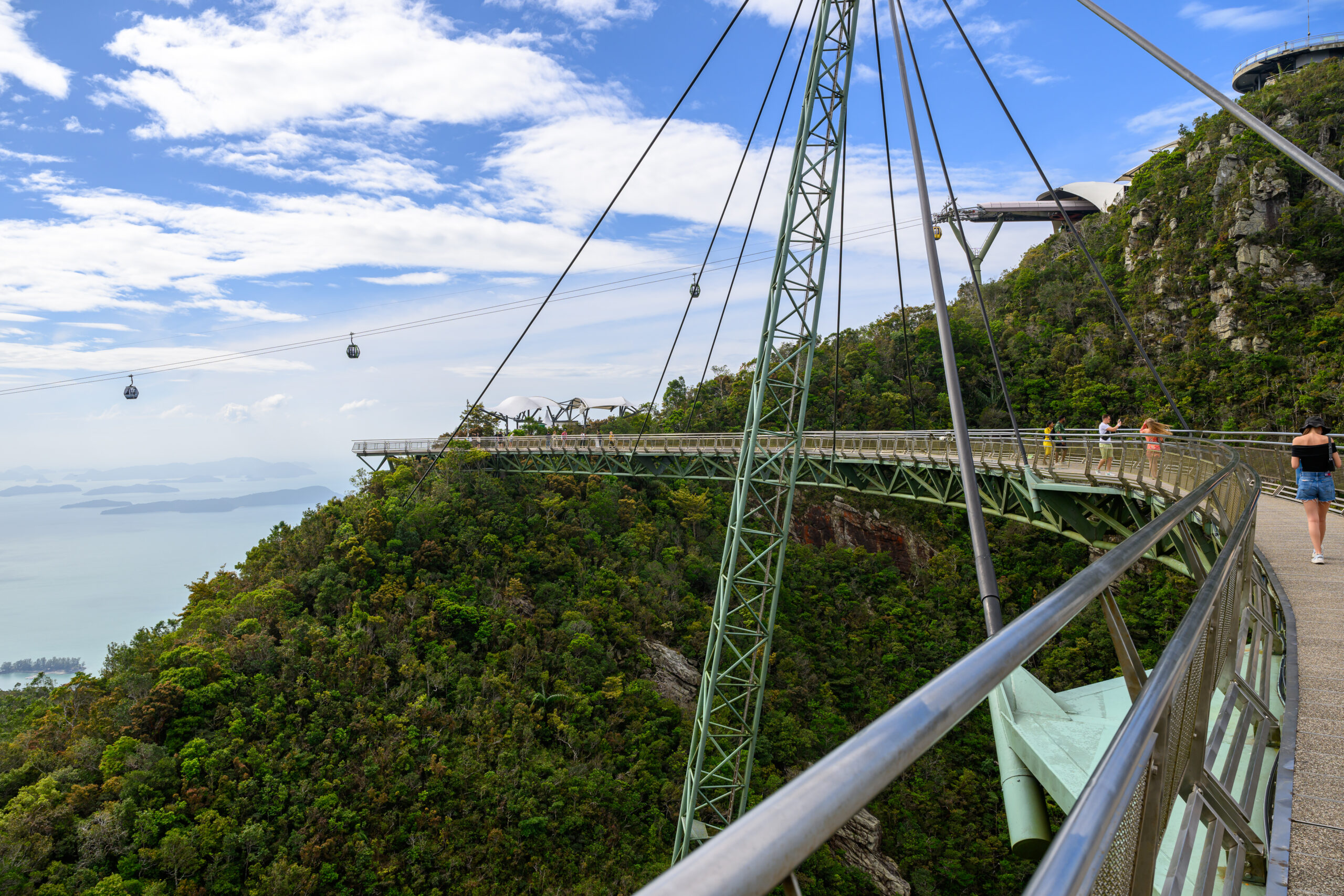
The Sky Bridge, a remarkable feat of engineering, was another highlight. Suspended high above the jungle, this curved bridge offers an unforgettable walking experience. The combination of stunning views and the thrill of being so high above the ground made it a memorable part of our visit.

Back on solid ground
Langkawi’s 3D Art Museum was a delightful surprise. The museum is filled with stunning optical illusions and interactive artworks that are perfect for photo enthusiasts. Each room presented a new theme, and we spent a good hour capturing creative and fun pictures.
After our morning adventure, we enjoyed a simple lunch at a local food court. The variety of local dishes, coupled with the vibrant atmosphere, made it a perfect spot to refuel.
The Kilim Geoforest Park
This UNESCO Global Geopark is home to a stunning network of mangroves, limestone formations, and diverse wildlife. A boat ride takes you through the mangroves, marvelling at the beauty of nature. This ride often includes a visit to a limestone cave and a so-called fish farm. We found both quite disappointing.
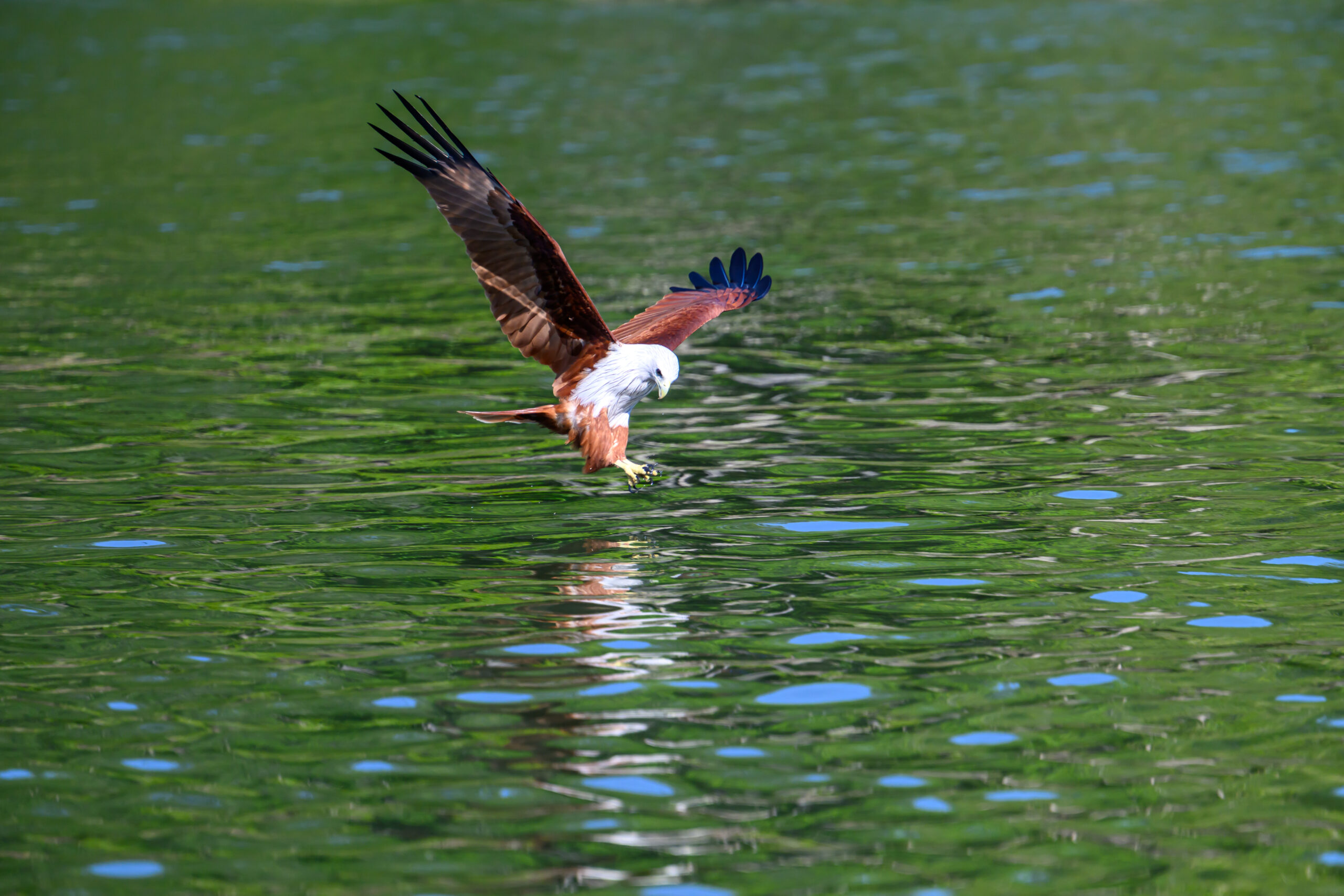
The highlight of that afternoon was witnessing the sea eagles and white-breasted eagles in action. Our boat captain lured the eagles with pieces of fish, giving us a close-up view of these majestic birds as they dove to catch their prey. It was a mesmerising sight, one that left us in awe of the natural world.
Penang’s Cultural Mosaic
After soaking in Langkawi’s natural beauty, we set off for Penang, an island that is equally rich in culture and history. We took a ferry to Kuala Perlis and then drove two hours to Penang. Along the way, we made a stop at Alor Setar, the capital of Kedah. This charming town offered a glimpse into Malaysia’s royal history. We visited the Royal Museum of Kedah, which houses fascinating artefacts and exhibits. The Masjid Zahir, one of the oldest and most beautiful mosques in Malaysia, was another highlight of our stop.
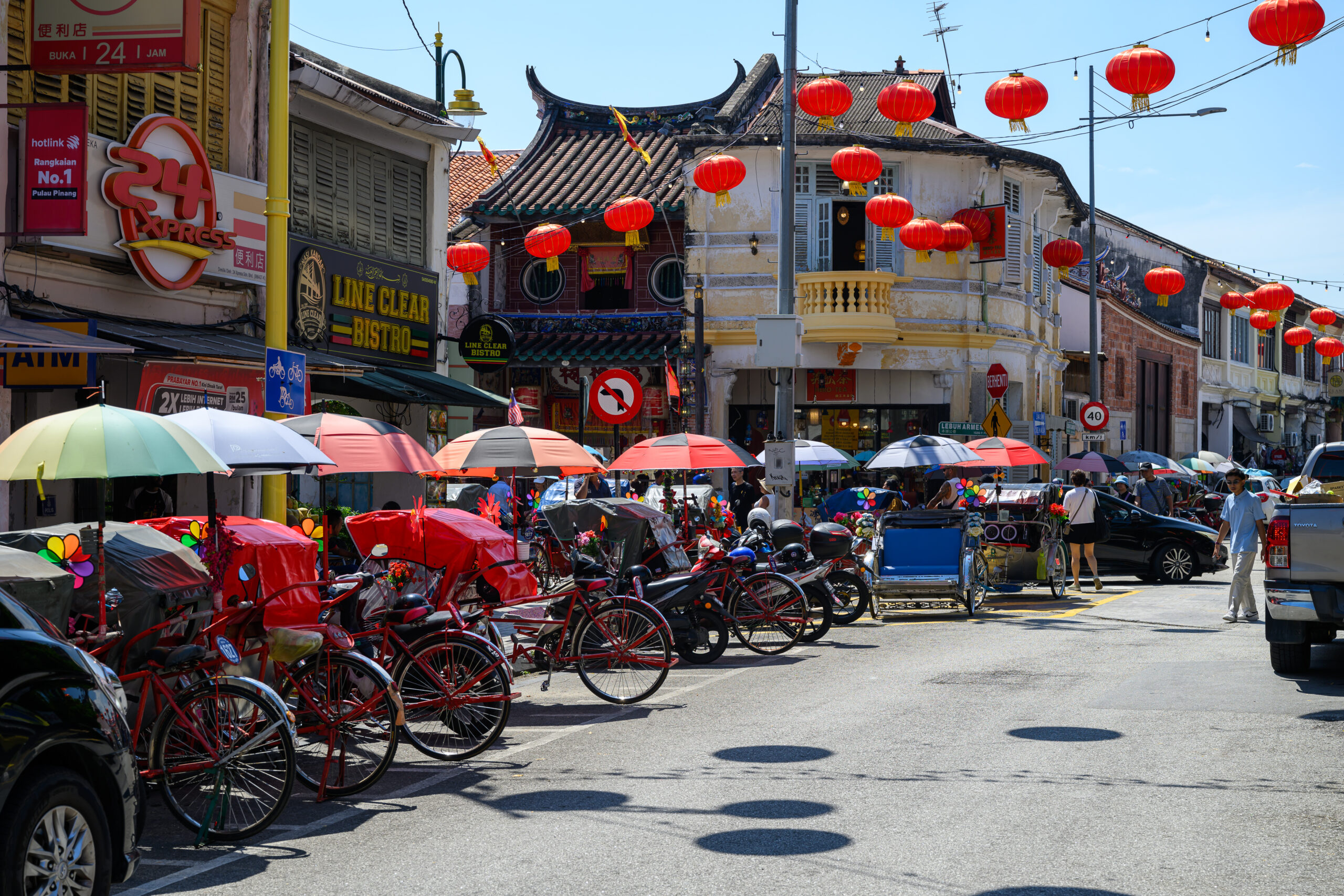
Arriving in Penang, we were immediately struck by the island’s unique blend of cultures. Georgetown, the island’s capital, is a UNESCO World Heritage site and a treasure trove of history and architecture. We started our exploration early in the morning to avoid the heat and crowds. Our tour began at the Town Hall, a colonial-era building that reflects the island’s British heritage. From there, we strolled along the seafront, passing by the City Hall and the Esplanade. The scenic walk led us to Fort Cornwallis, an 18th-century fort that played a crucial role in Penang’s history.
The Jetties
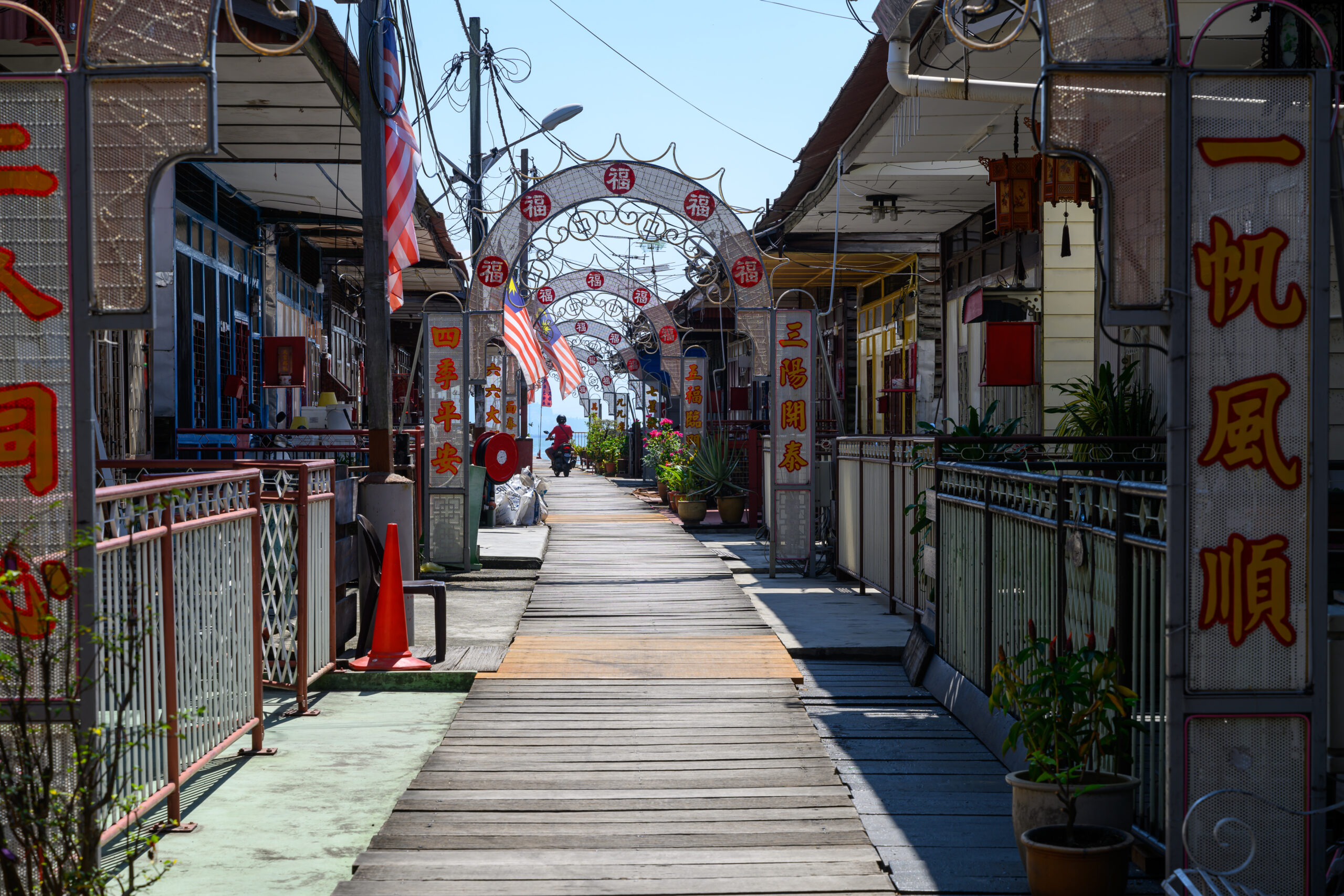
One of the most interesting parts of our walk was visiting the Clan Jetties, a series of wooden jetties built by Chinese clans. These jetties are home to stilt houses that have been standing for generations. The jetties offered a fascinating glimpse into the lives of the local Chinese community.
Georgetown is also famous for its vibrant street art scene. The murals, created by local and international artists, add a colourful and artistic touch to the city’s historic streets. We spent some time wandering through the streets, discovering murals around every corner. Each piece of art told a story, blending seamlessly with the city’s rich cultural tapestry.
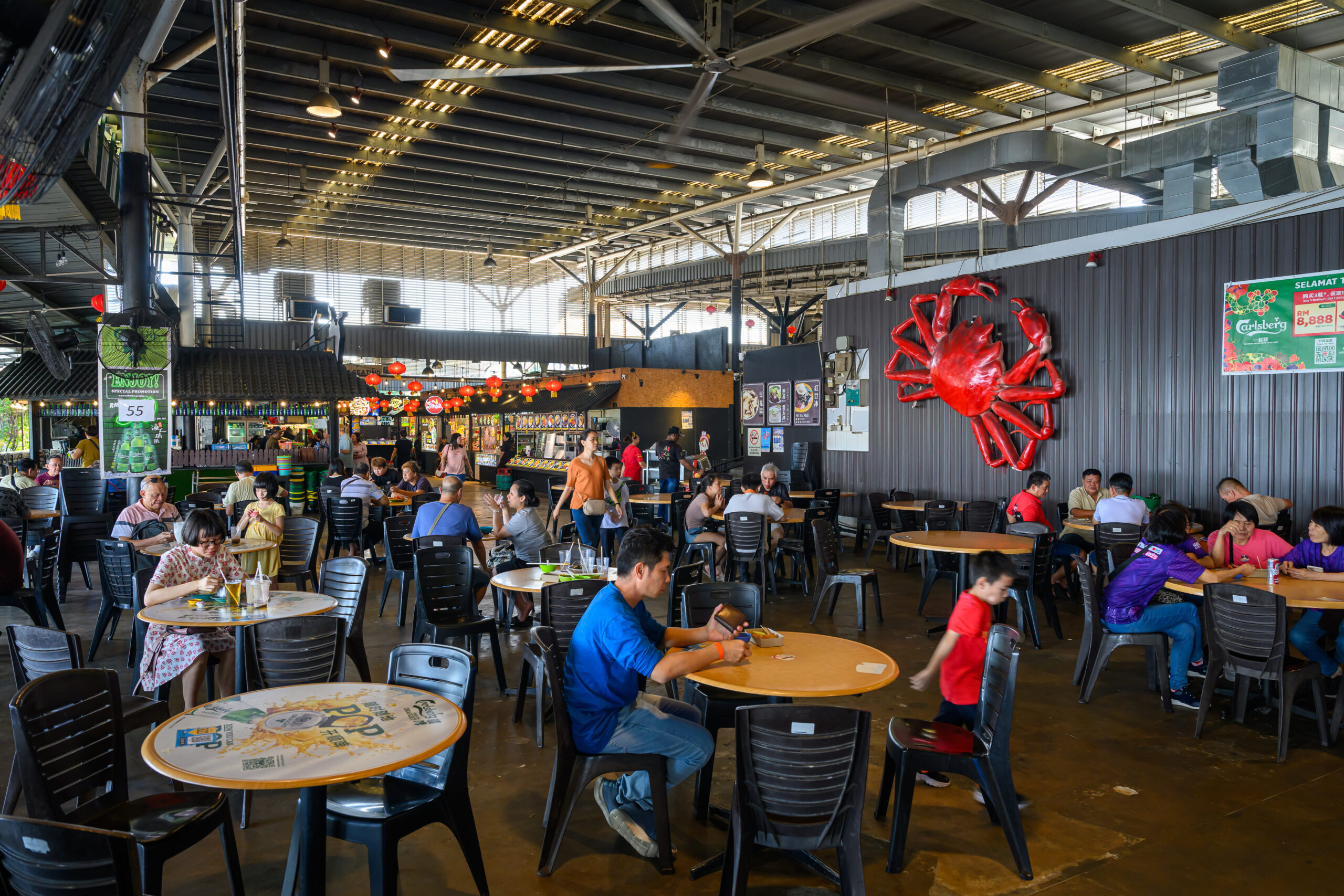
After a morning of exploring, we indulged in a delicious meal at one of the local food courts. Penang is known as the food capital of Malaysia. It took us a while to decide what to order due to the large variety of dishes on display. For less than 20RM, we enjoyed a feast fit for royalty.
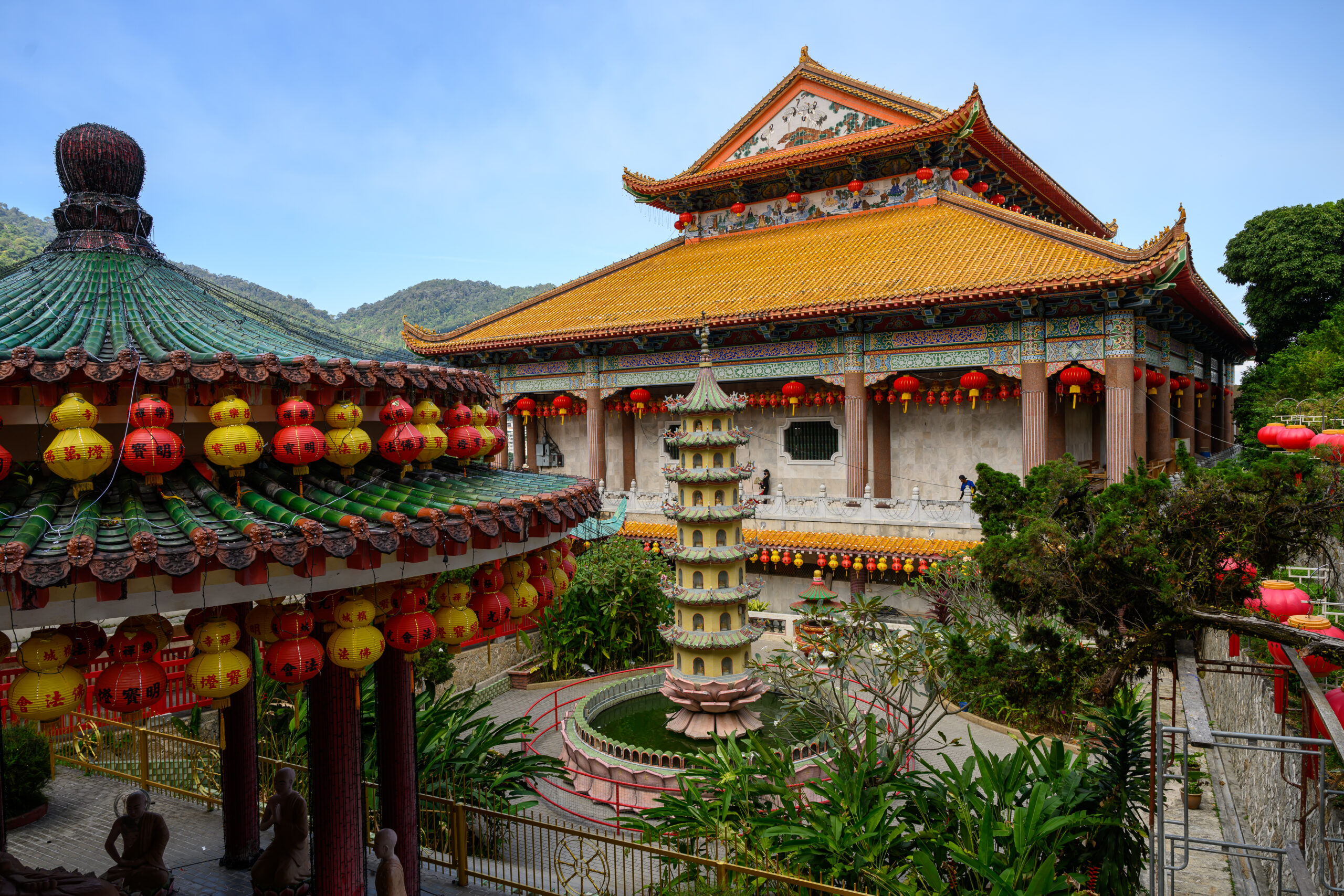
In the afternoon, we visited the Kek Lok Si Temple, one of the largest Buddhist temples in Southeast Asia. The temple complex is an architectural masterpiece, with intricate carvings, colourful murals, and a towering statue of the Goddess of Mercy. The view from the top level of the temple, overlooking Penang, was breathtaking. It was a serene and spiritual experience that left a lasting impression.
Penang Hill
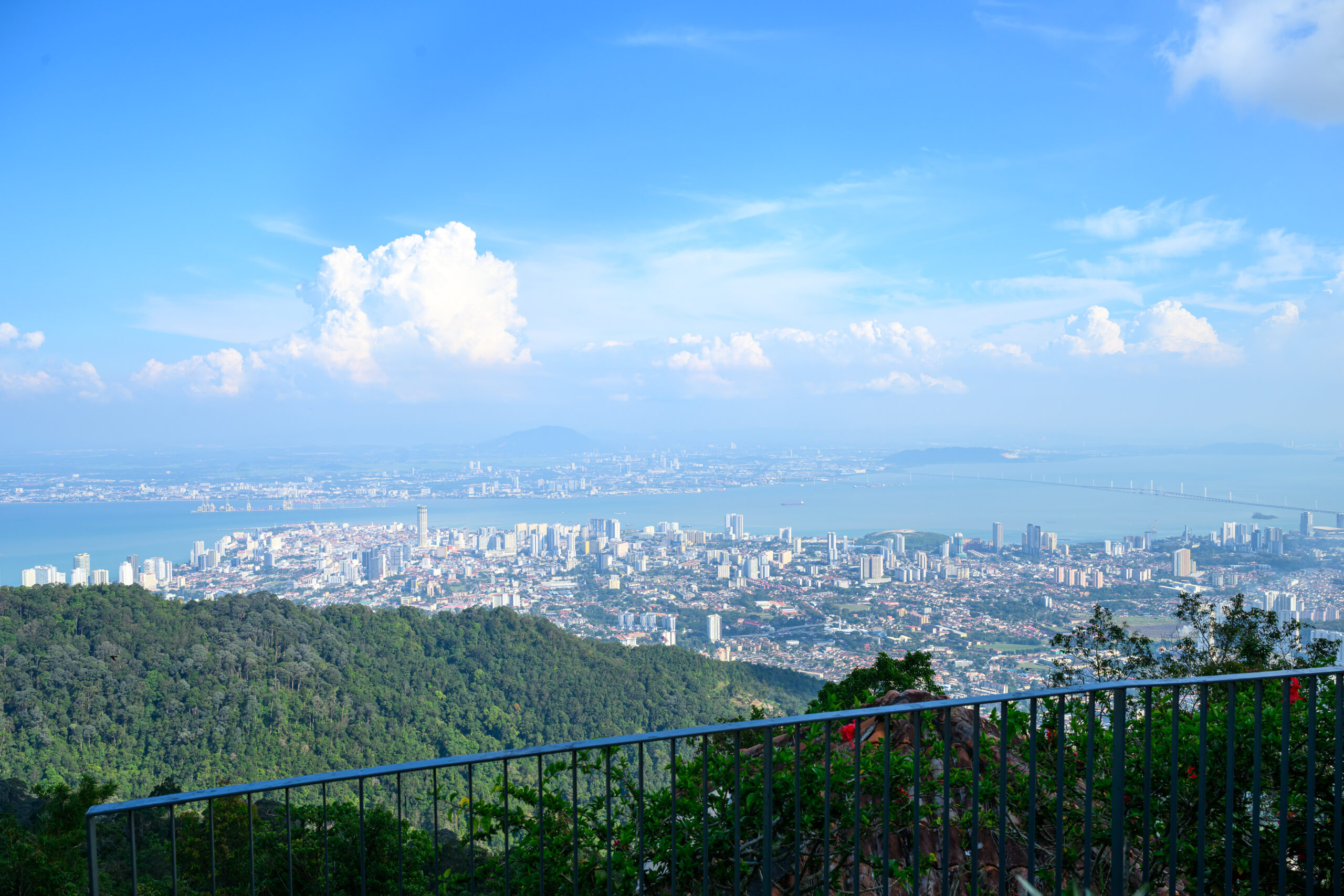
If you have energy left, head to Penang Hill station and experience the world’s steepest funicular railway. This remarkable railway, over 2,000 metres long, was inspired by Swiss engineering and opened to the public on 1 January 1924.
The journey itself is an adventure, as the funicular climbs steep gradients, offering a thrilling ascent. Once you reach the top, you will be rewarded with breathtaking panoramic views of Penang. The scenery from this vantage point is truly spectacular, providing a unique perspective of the island’s lush greenery and bustling urban areas.
Whether you are a nature lover or a photography enthusiast, the views from Penang Hill are unforgettable. The fresh mountain air adds to the experience, making it a perfect escape from the city’s hustle. At just 30RM, the ride is excellent value, even if you are going for the funicular experience alone.
Kuala Lumpur: The Bustling Metropolis
Our journey continued south to Kuala Lumpur, Malaysia’s bustling capital city. The drive from Penang took us through scenic landscapes, and we arrived in the city excited to explore its many attractions.
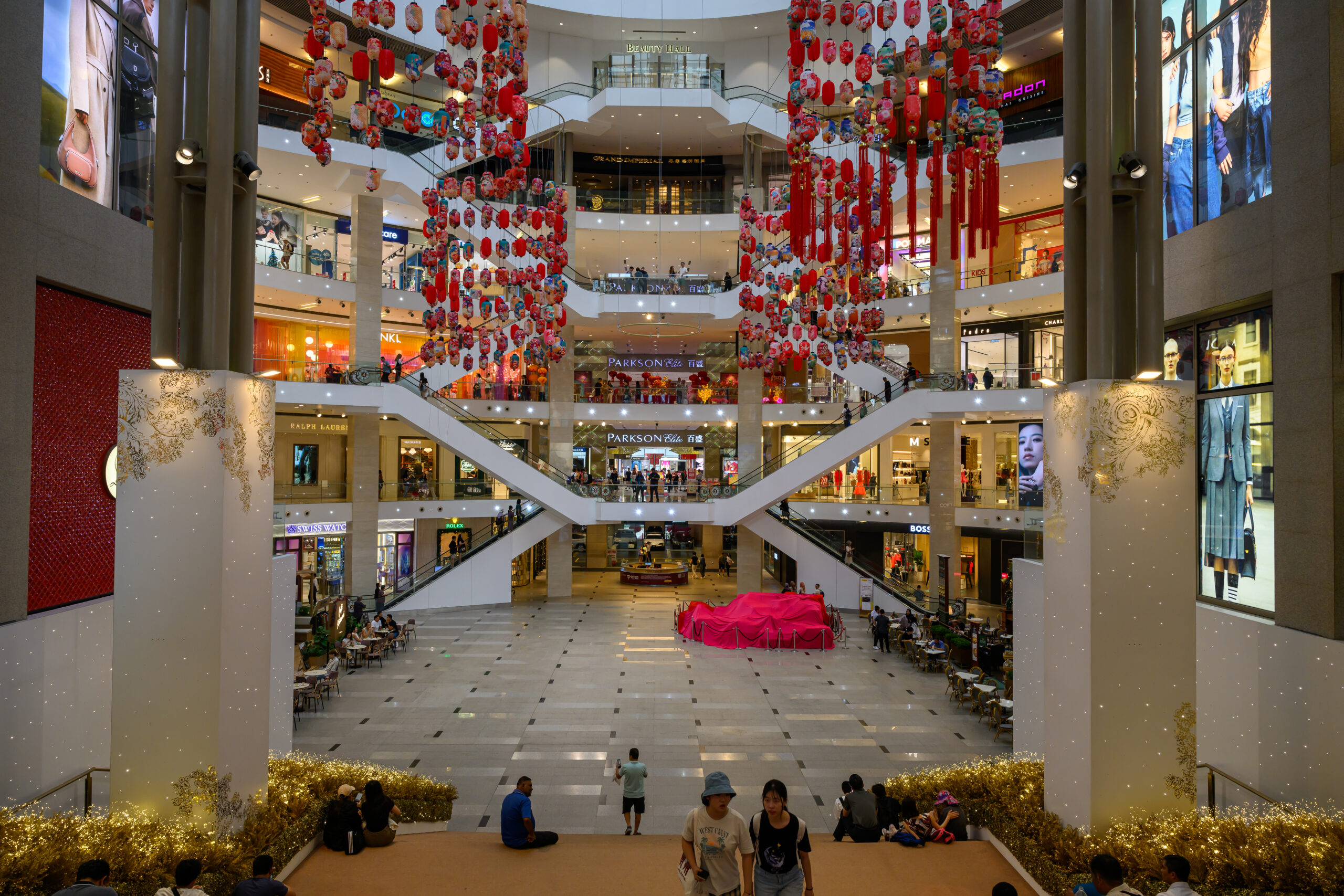
Kuala Lumpur is a city of contrasts, where modern skyscrapers stand side by side with colonial-era buildings and traditional markets. Our first evening in the city was spent exploring Bukit Bintang, a vibrant shopping district. The area is known for its upscale malls and lively street markets. We enjoyed wandering through the streets, taking in the sights and sounds of this dynamic city.
Temples around Kuala Lumpur
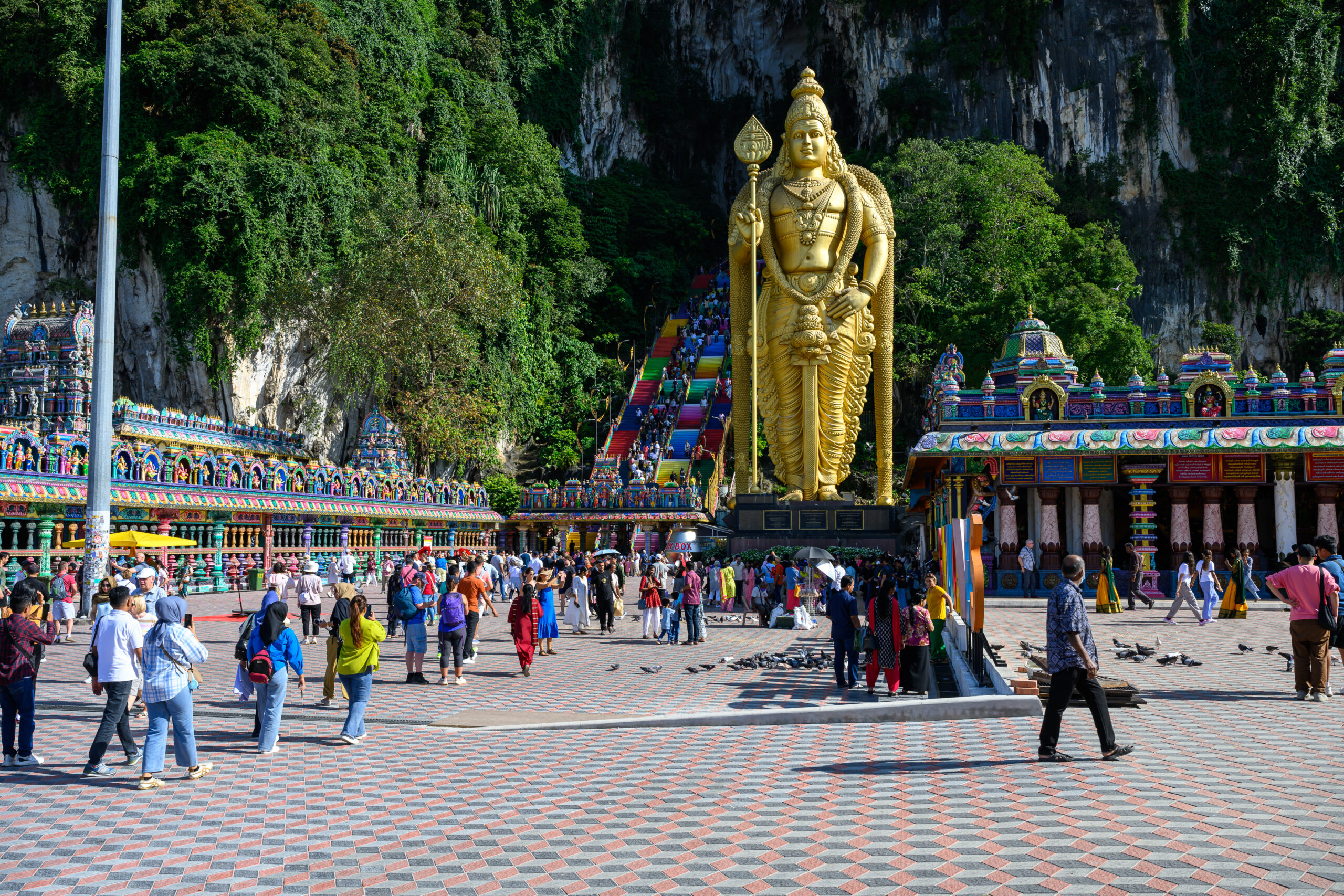
The next day, we visited the iconic Batu Caves, a limestone hill that houses a series of caves and temples. The climb up the 279 colourful steps was a challenge, but the view from the top was well worth the effort. The temple complex is a significant Hindu pilgrimage site and a beautiful example of religious architecture.
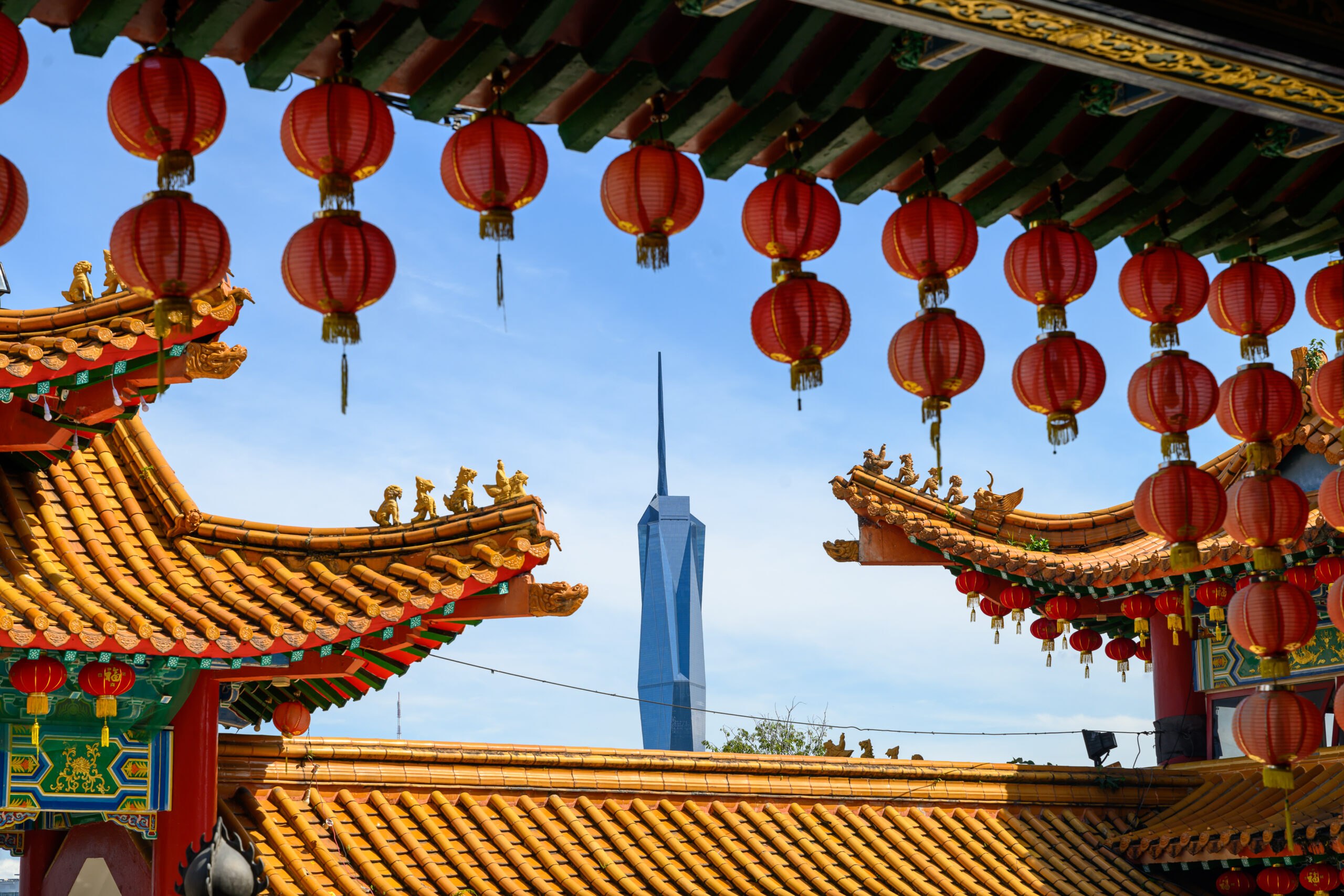
We also visited the Thean Hou Temple, one of the largest Chinese temples in Southeast Asia. Perched on a hill, the temple offers panoramic views of Kuala Lumpur. The intricate carvings and colourful decorations made it a visually stunning place to visit.
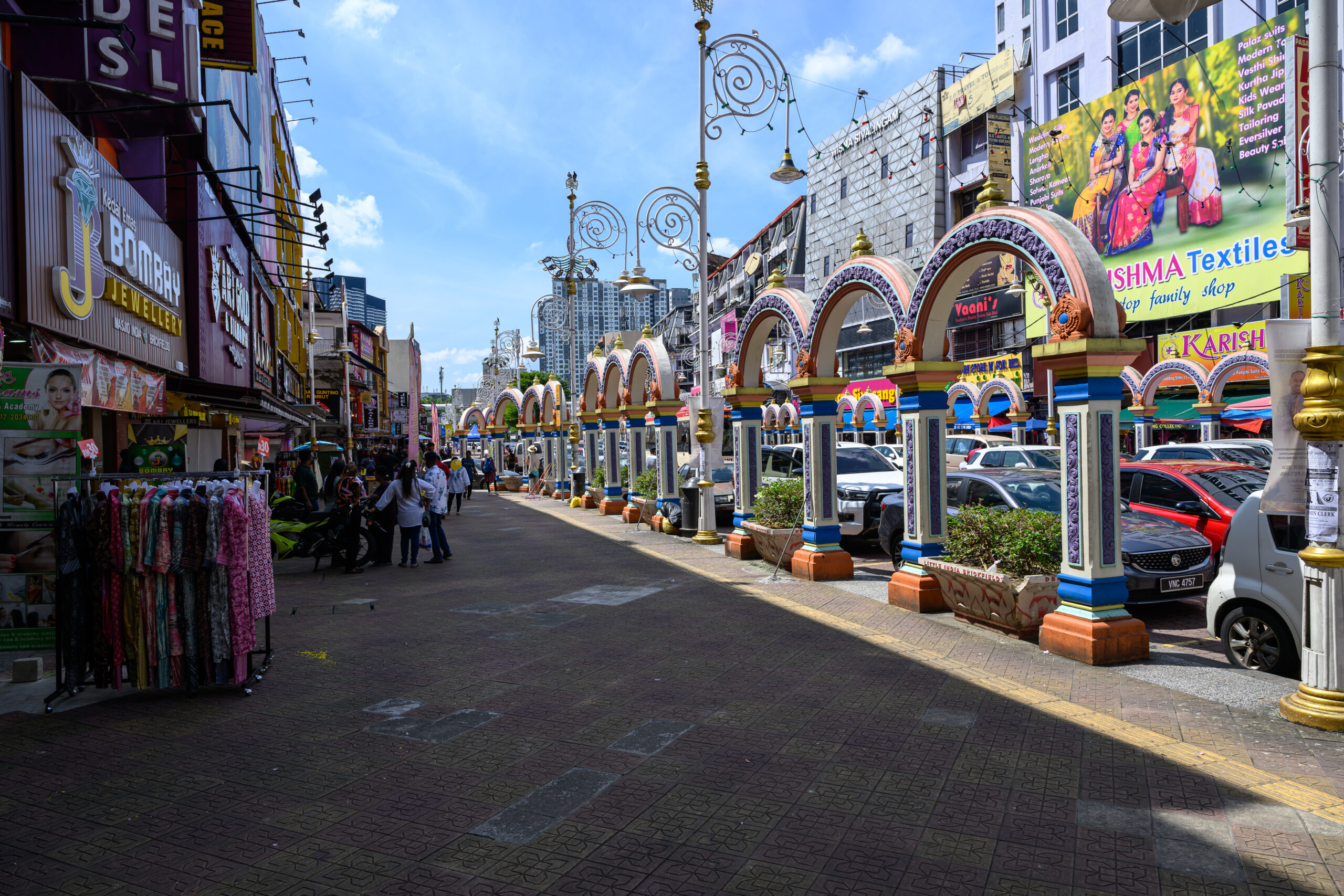
Little India
After visiting the temple, drive to Little India, a vibrant and colourful neighbourhood. The area bursts with life, offering an array of shops selling Indian fashion and mouth-watering food. Take your time wandering through the bustling streets, soaking in the lively atmosphere and the rich cultural vibe.
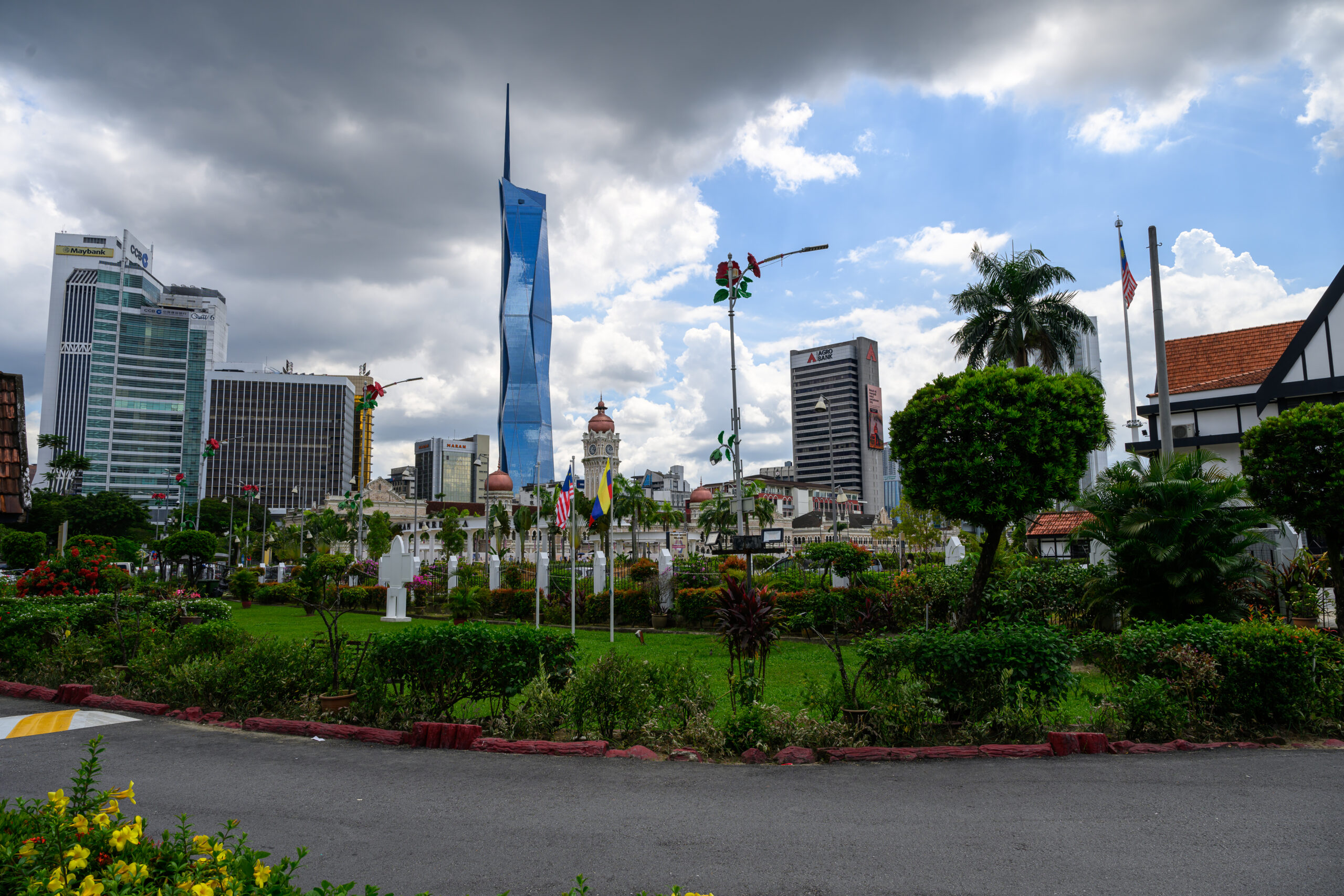
Next, head to Independence Square, a significant historical site. Stroll along the river to admire the majestic Sultan Abdul Samad Jamek Building and the nearby mosque. The architecture here reflects Malaysia’s colonial past and Islamic heritage. Just a few hundred metres away, you will find the Central Market. This market is perfect for picking up local crafts, souvenirs, and sampling traditional Malaysian snacks.
Modern and quirky
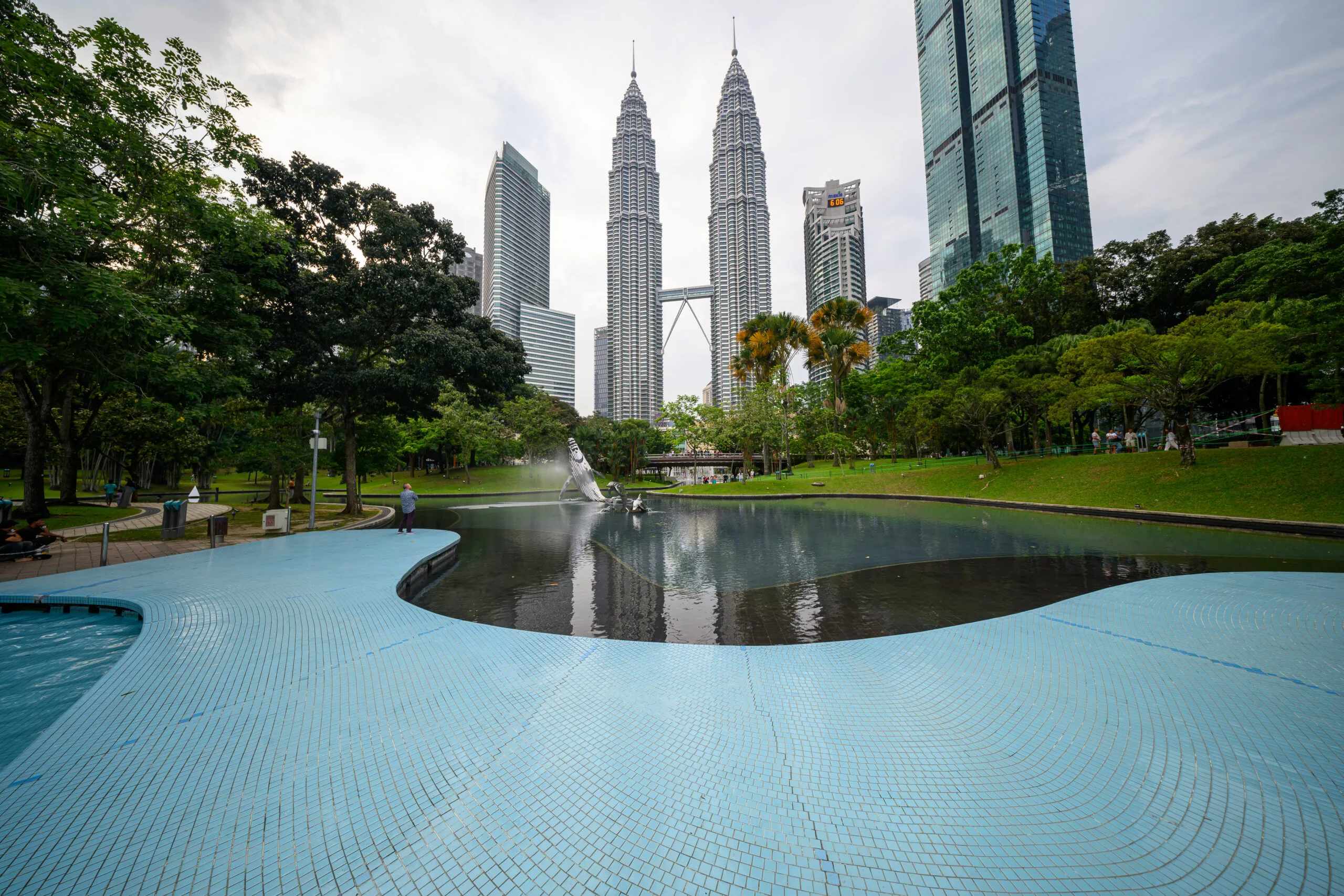
A visit to the iconic Petronas Towers is a must. These twin towers dominate Kuala Lumpur’s skyline and offer breathtaking views of the city. The design is sleek and modern, a stark contrast to the historical landmarks you have seen.
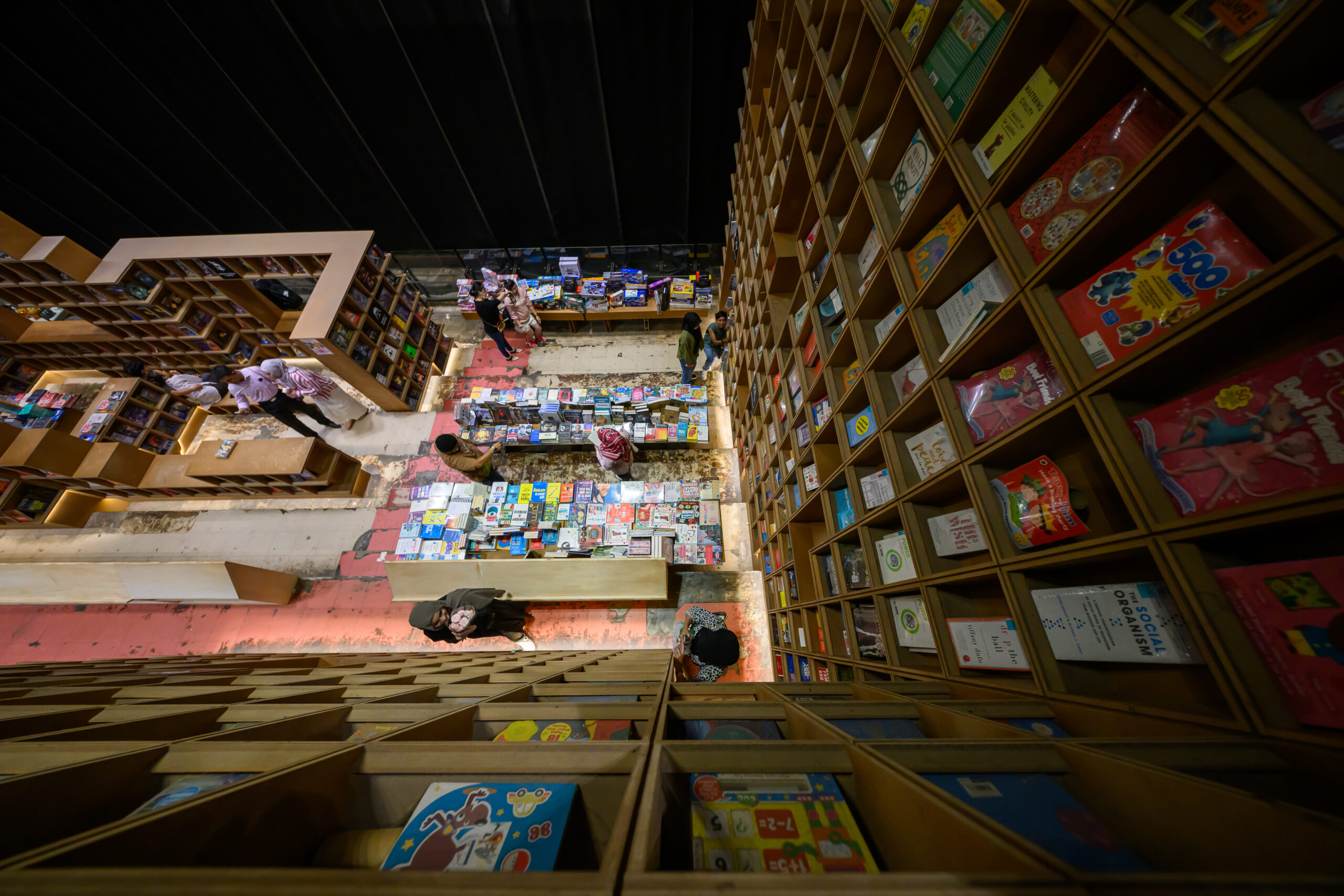
Before the day ends, stop by REXKL, a unique bookshop that feels like stepping into another world. This creative space is more than just a bookstore; it hosts art exhibitions, workshops, and even a café, making it a cultural hub worth exploring.
Important mosques
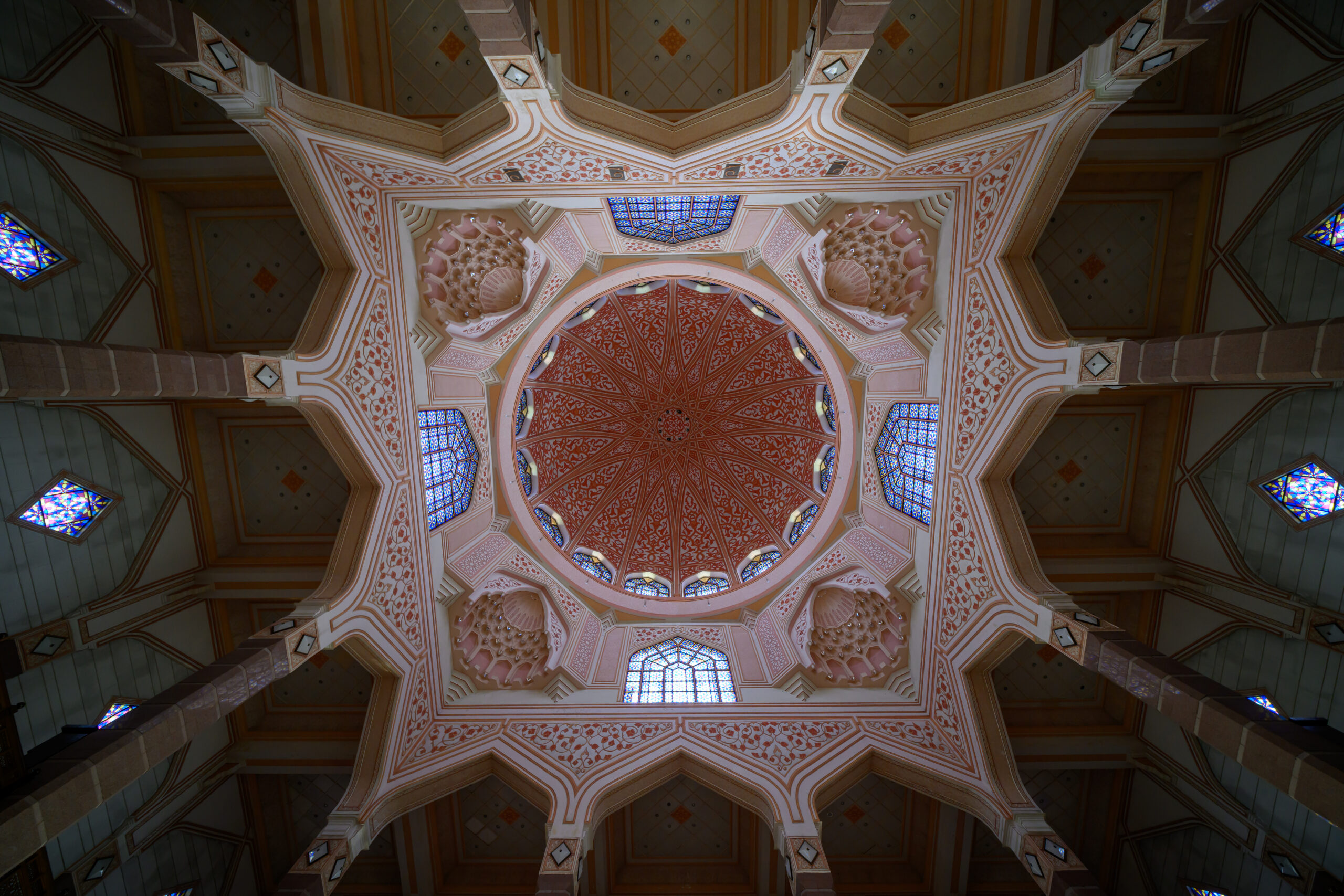
The following morning, start your day at the Putra Mosque, also known as the Pink Mosque. This stunning mosque can accommodate up to 10,000 worshippers. Note that it closes at midday on Fridays for prayer preparations. The mosque’s stained glass windows, designed by a British artist and crafted in Germany, add a unique charm. Set by a serene artificial lake, the location is both peaceful and picturesque. Opposite the mosque, you can see the impressive Prime Minister’s office, adding to the grandeur of the area.
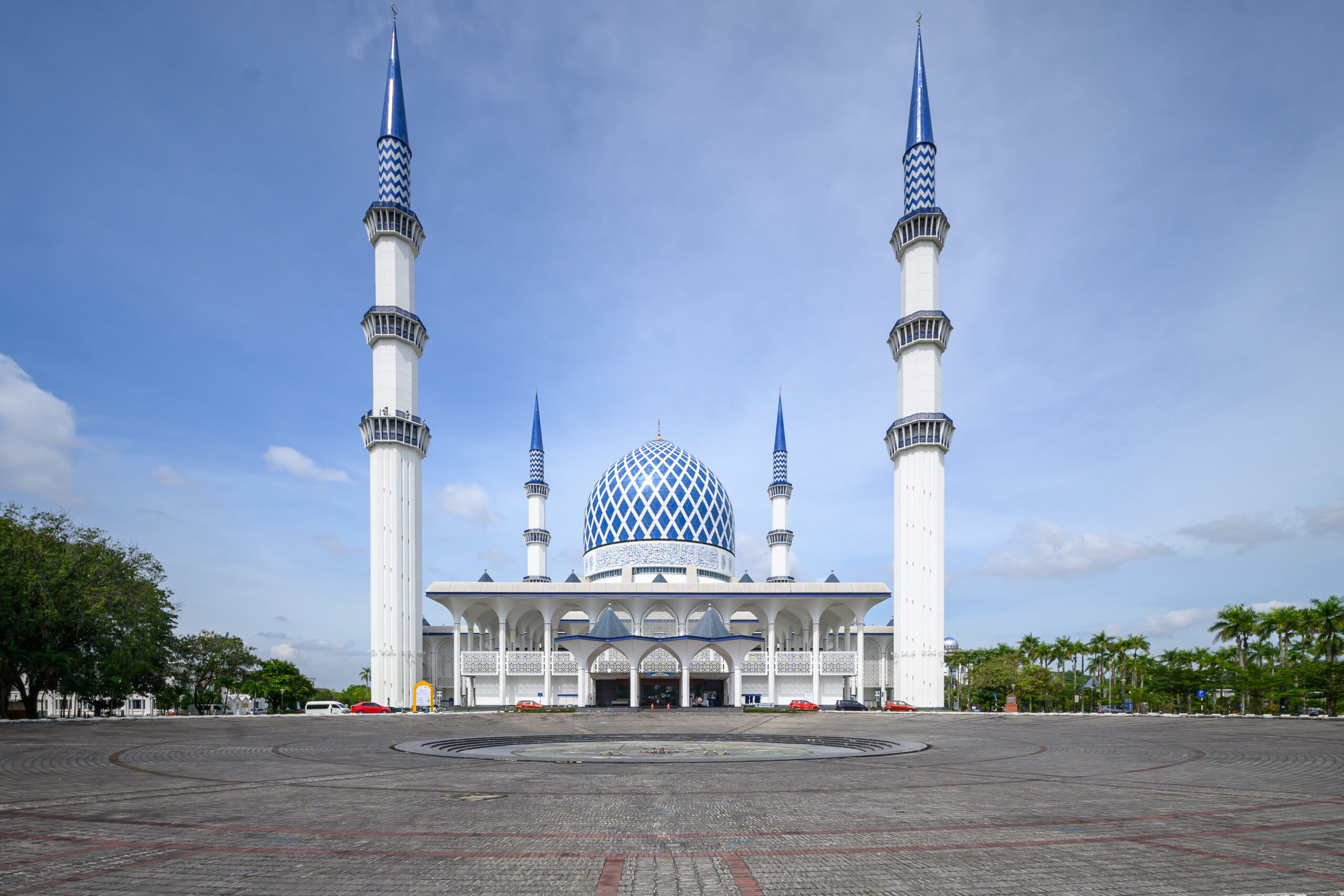
After exploring Putra Mosque, head to the Blue Mosque, also called Sultan Salahuddin Abdul Aziz Mosque. This is the largest mosque in Malaysia, capable of hosting 24,000 worshippers. The mosque’s immense blue and silver dome is a striking feature. Visitors are guided throughout, ensuring a deeper understanding of its significance and beauty. We skipped visiting the Royal Selangor Centre as we preferred sightseeing.
A short visit to Kuantan
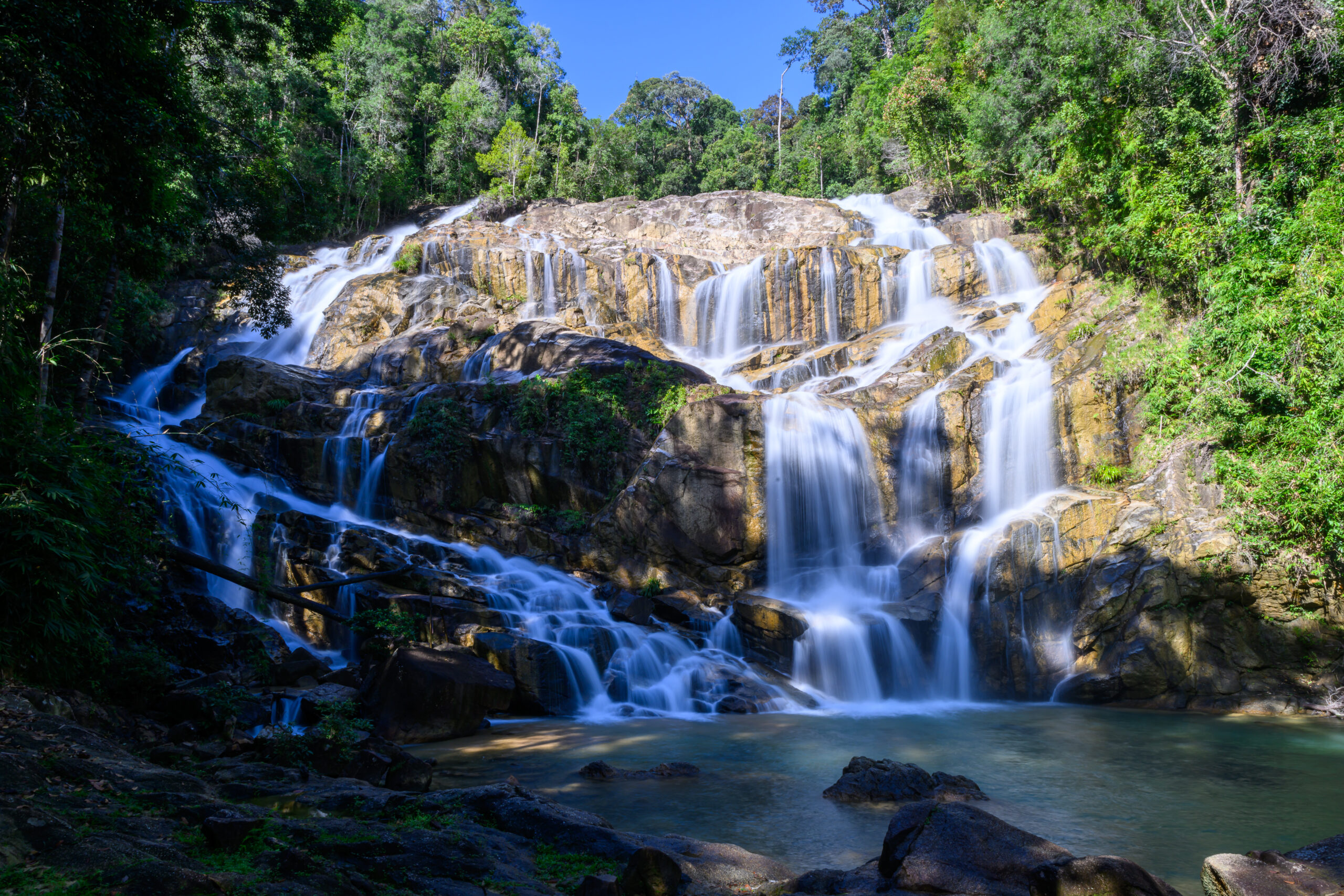
The next day, we journeyed to Kuantan, our only stop on Malaysia’s east coast due to unpredictable weather. Kuantan offered a refreshing change of pace with its serene beach resorts, vibrant street art, and the stunning Sungai Pandan waterfall. Sungai Pandan is one of Malaysia’s largest waterfalls, set amidst a peaceful, lush landscape. The crystal-clear waters are simply breathtaking.
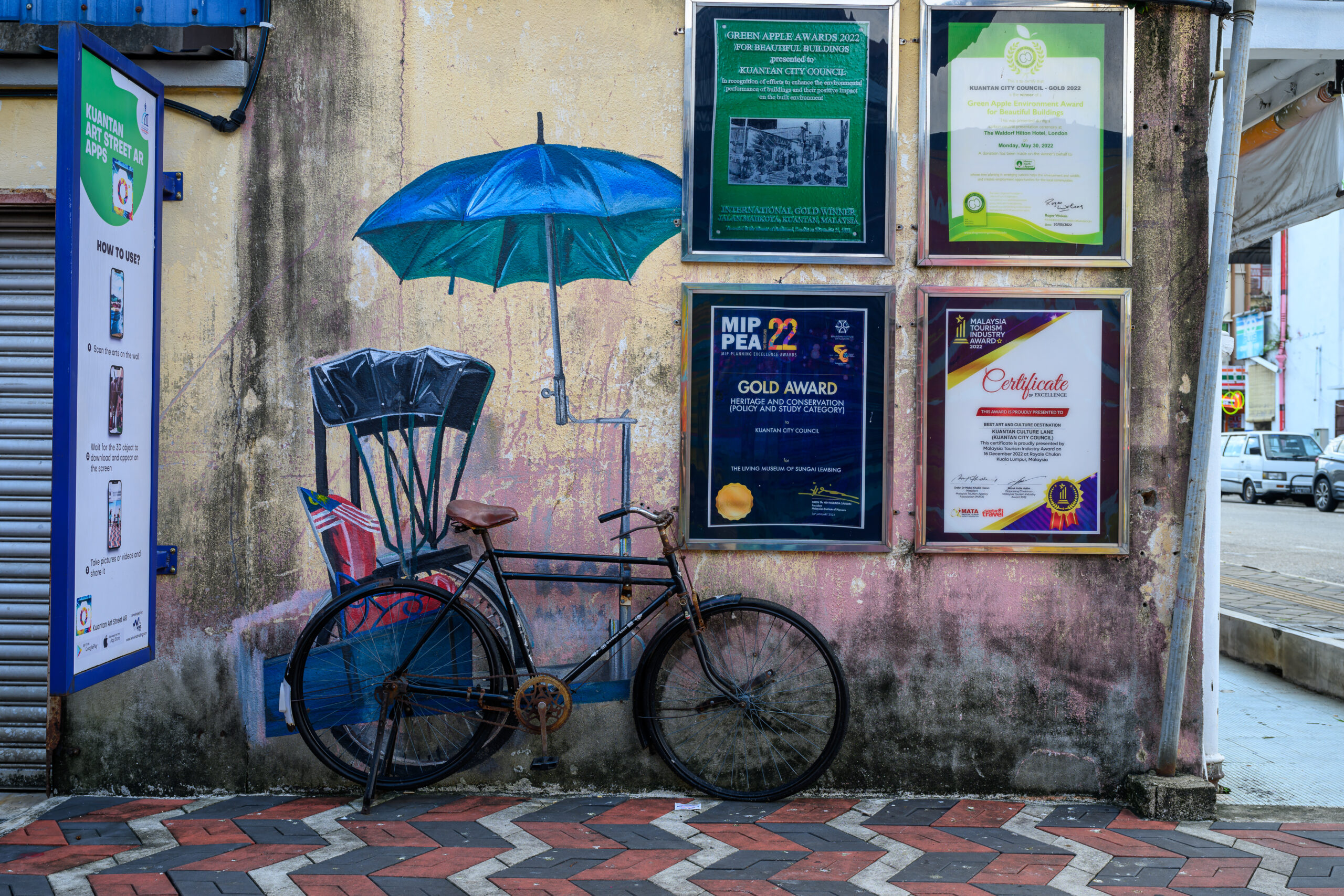
Kuantan’s street art scene is another highlight, with an award-winning street showcasing impressive murals and even 3D paintings. These creative works add a colourful charm to the town and are worth exploring.
After spending a few relaxing days soaking in Kuantan’s tranquillity and artistic vibe, we set off again.
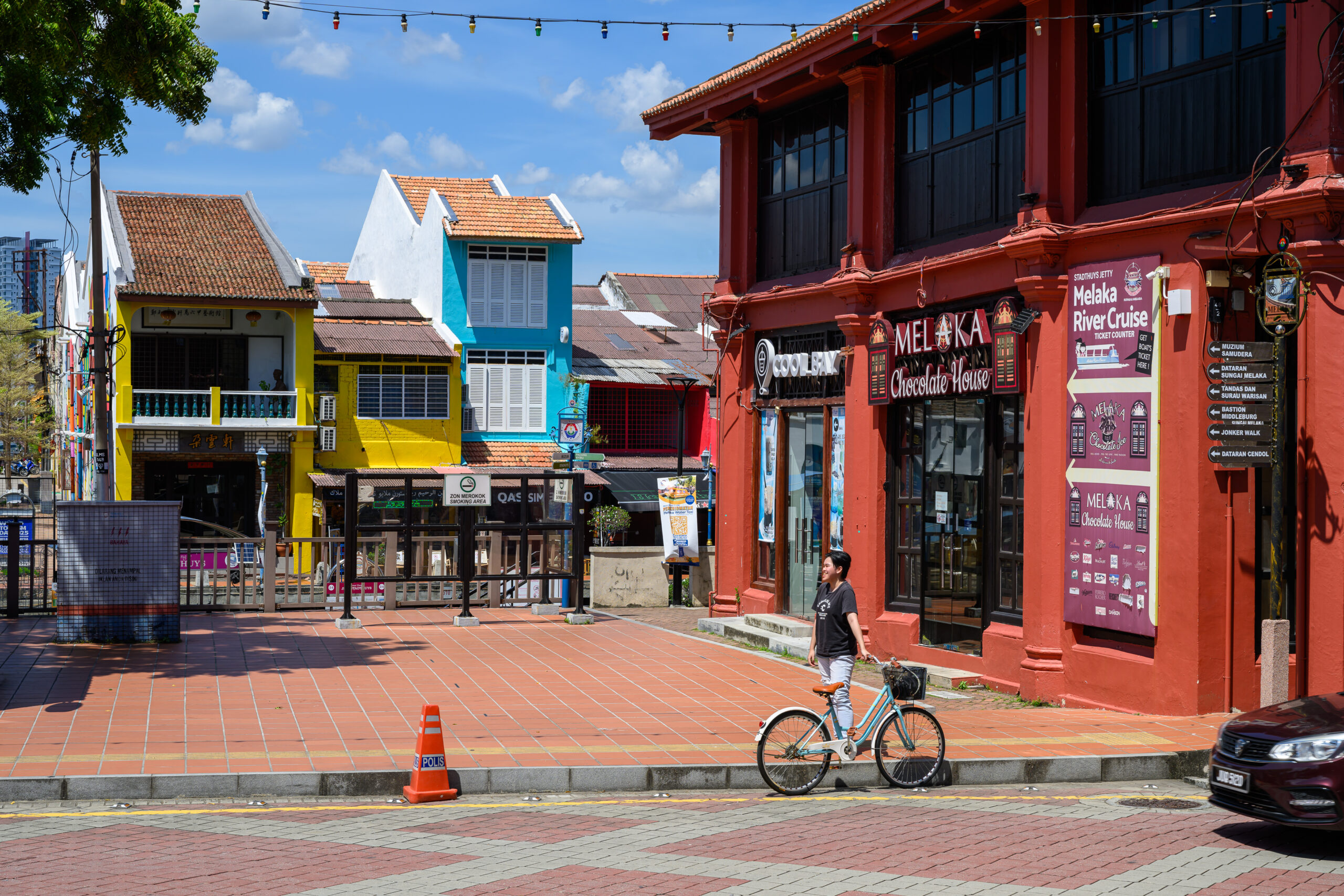
Exploring Melaka
The final destination of our two weeks in Malaysia was Melaka, a city steeped in history and culture. Melaka’s old town is, like Penang, a UNESCO World Heritage site, and it was easy to see why. The city’s narrow streets, colonial-era buildings, and vibrant markets made it a delightful place to explore.
We started our visit at St. Paul’s Hill, where the ruins of St. Paul’s Church offered a glimpse into the city’s Portuguese past. The A Famosa fortress, with its remaining gate, is another reminder of Melaka’s colonial history.
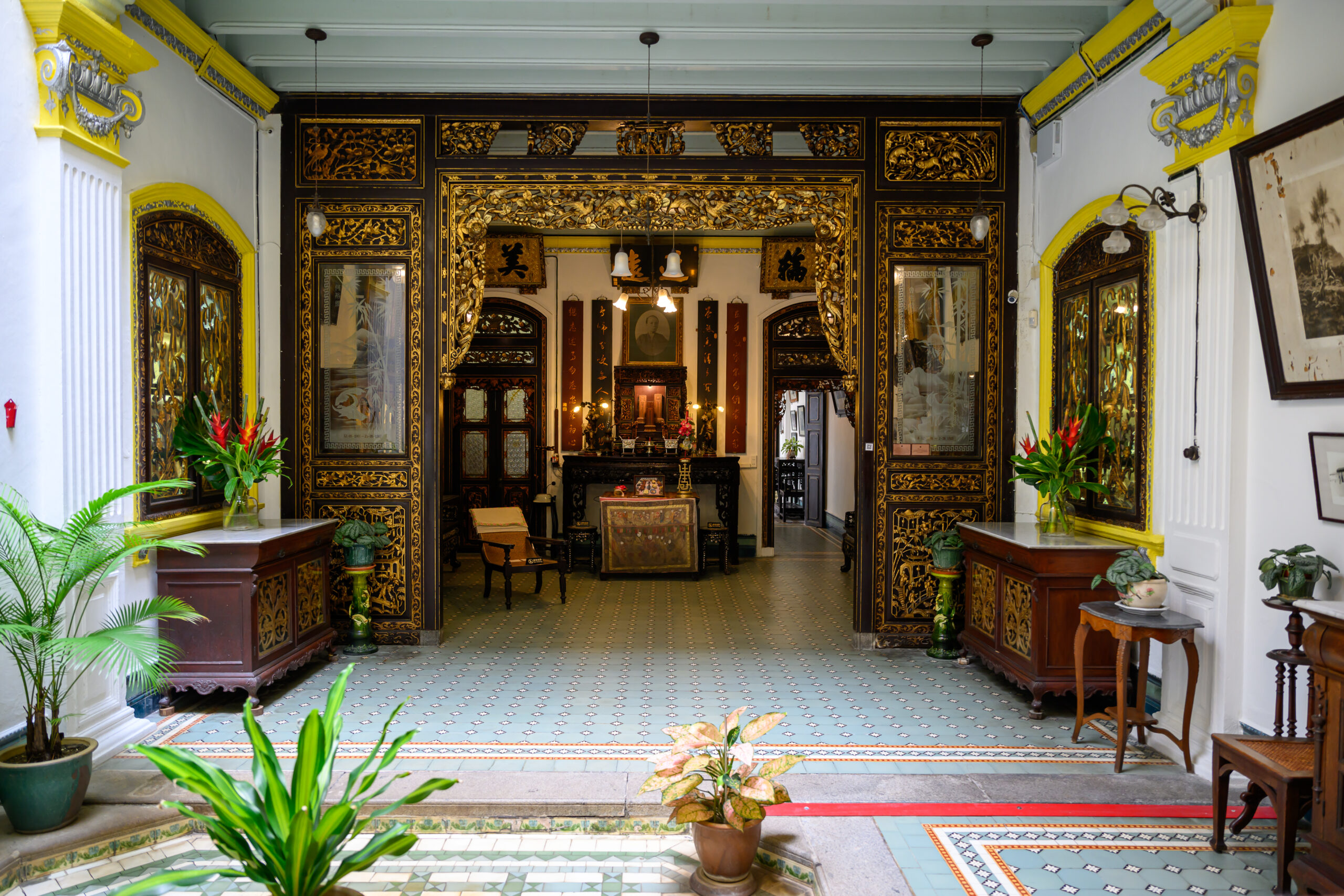
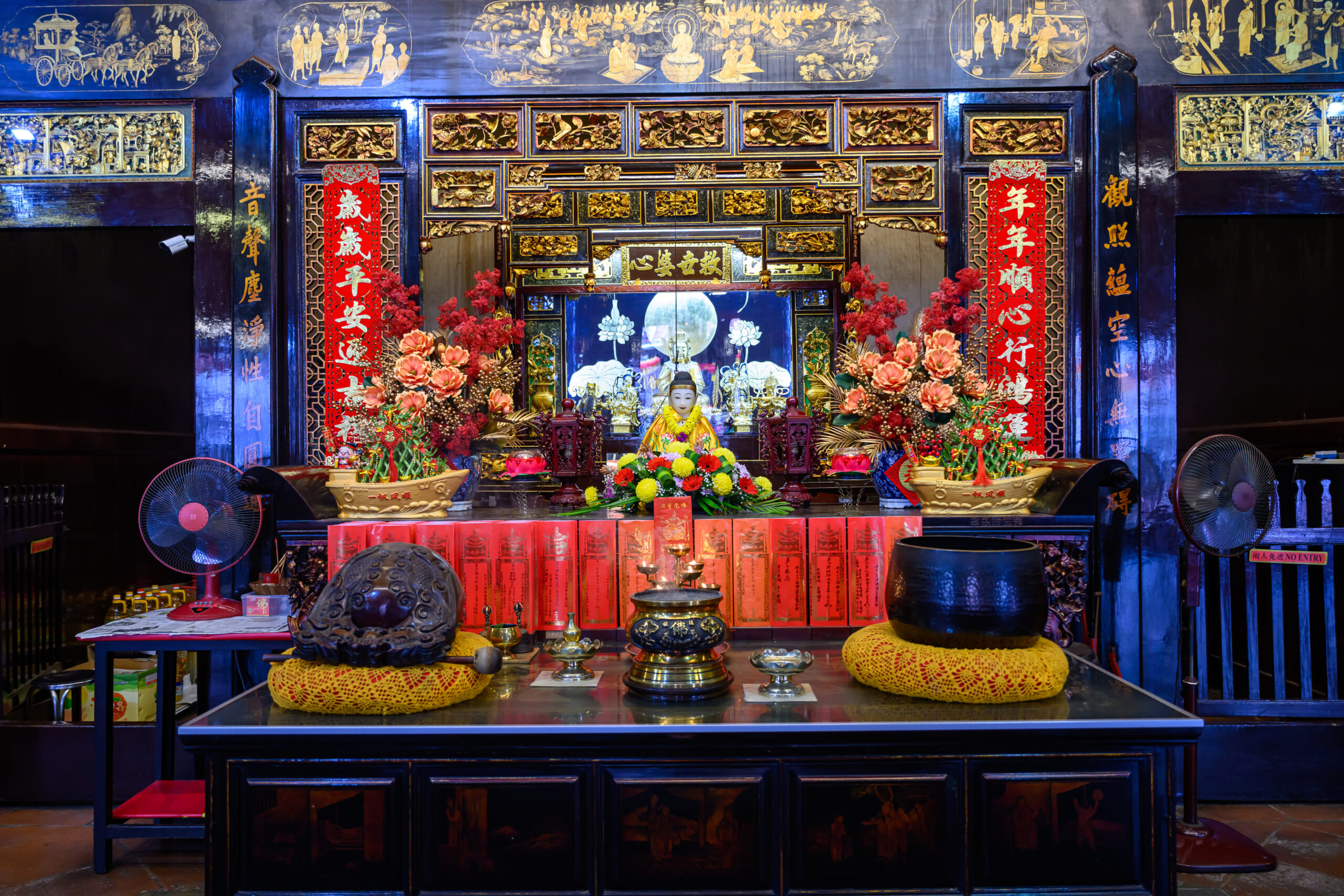
The maritime museums and the Cheng Hoon Teng Temple provided further insight into Melaka’s rich cultural heritage. The Baba & Nyonya Heritage Museum was a personal favourite, showcasing the unique culture of the Peranakan people. The museum is still owned by the original family, adding a personal touch to the experience.
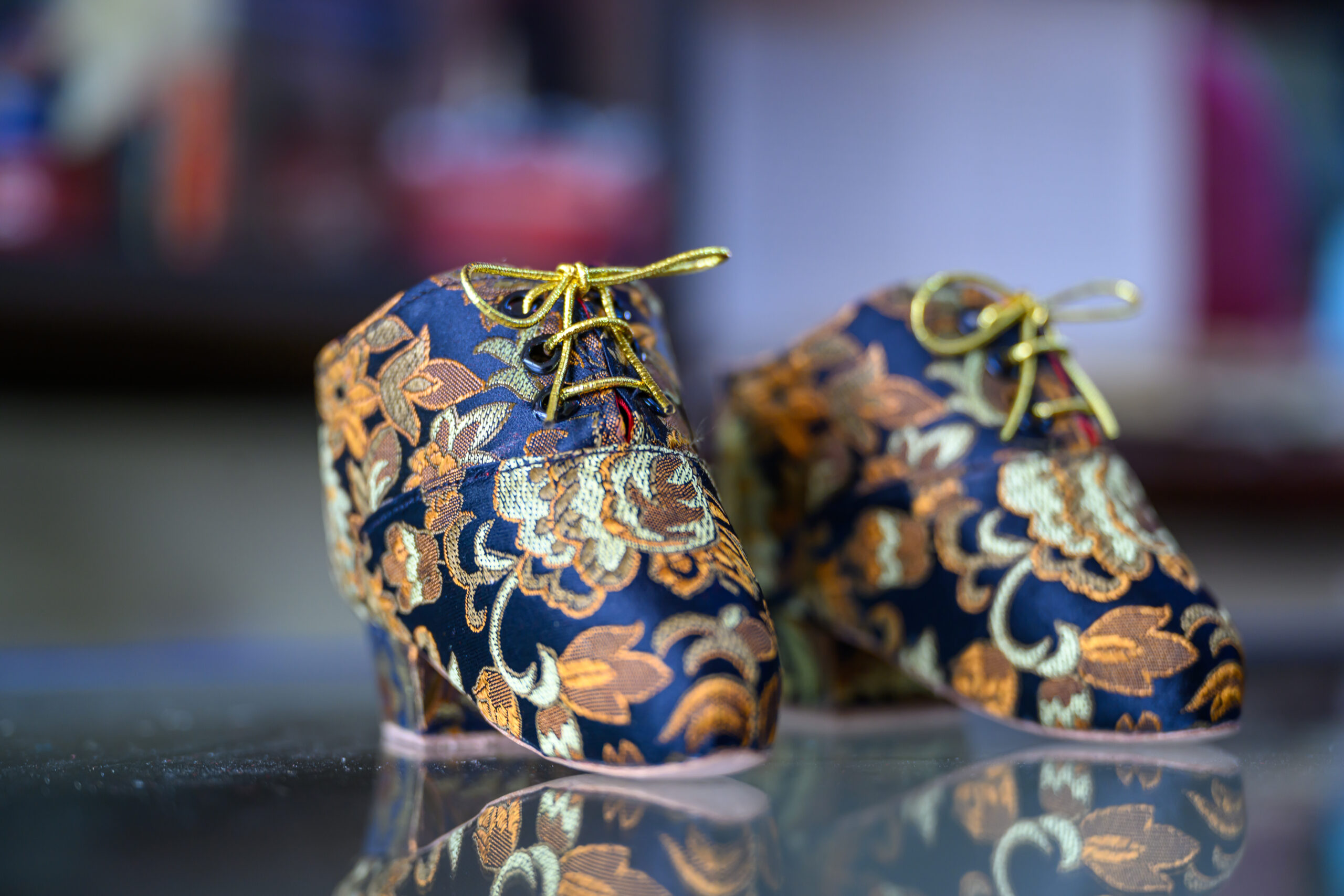
Just a few doors down you will find Wah Aik Shoemaker. In this workshop works Raymond Yeo the only remaining Chinese bound foot shoemaker.
Jonker Street, the heart of Melaka’s old town, comes alive on weekends with a bustling night market. The street is lined with stalls selling everything from local snacks to handmade crafts. The lively atmosphere and delicious food made it a perfect way to end our journey.
Final words
Two weeks in Malaysia was another incredible journey of discovery. Each destination, from Langkawi’s tranquil beaches to Kuala Lumpur’s vibrant streets and Melaka’s historic charm, offered its own unique experiences. Malaysia’s rich cultural tapestry, friendly people, and stunning landscapes made it a country we will never forget. Whether you are a nature lover, history buff, or food enthusiast, Malaysia has something to offer for everyone. Pro tip: Travel in April or May to be able to visit the Highlands and the East coast of Malaysia.